
 Source:
 Spotted Geranium (Geranium maculatum) short overview
Spotted Geranium is a long-lived eastern North American woodland perennial valued for its finely divided leaves and soft pink to purple flowers in spring. It grows best in moist, well-drained soil enriched with organic matter, from partial shade to morning or filtered sun. This adaptable native works well in woodland borders, naturalistic plantings, and pollinator gardens, then may retreat toward dormancy after flowering as summer conditions become hotter or drier.
Taxonomic classification
Spotted Geranium (Geranium maculatum) care guide
Light and placement
Grow in partial shade, dappled woodland light, or full morning sun. East- and north-facing beds and open woodland edges are especially suitable. Too much intense afternoon sun combined with dry soil can scorch foliage or trigger early summer retreat; excessively deep shade may produce weak growth and fewer flowers.
Watering and humidity
Water deeply when the upper inch of soil begins to dry during the establishment period. Keep soil consistently, moderately moist in spring and during summer drought, but do not leave the crown in standing water. Mature plants tolerate some seasonal drying and may go dormant when hot, dry conditions persist.
Soil and growing medium
Use moderately fertile, humus-enriched soil that drains reliably while holding steady moisture. Loam, clay loam, sandy clay loam, and sandy loam can work when compacted areas are loosened. Soil may range from slightly acidic through neutral to slightly alkaline; avoid chronically waterlogged conditions.
Feeding
Top-dress with a thin layer of finished compost in spring. In fertile garden soil, additional fertilizer is usually unnecessary. If growth is weak, use a balanced, slow-release fertilizer at the label rate as growth begins. Do not overfeed, particularly with high-nitrogen products, which can produce soft foliage and reduce resilience.
Growth and habit
The plant forms a clumping colony from stout rhizomes and usually remains well behaved rather than rapidly colonizing disturbed ground. It can become fuller with age in suitable soil. After spring flowering, foliage may yellow or retreat if summer soil moisture declines, which is normal seasonal behavior rather than necessarily a sign of disease.
Planting and repotting
Plant nursery specimens in spring or early fall after the soil can be worked. Set the crown and rhizome at the same depth as in the pot, firm the soil gently, and water thoroughly. Space plants about 12–18 inches apart to allow clumps to knit together without excessive crowding.
Usually grown in the ground rather than containers. If container-grown, transplant in spring or early fall into a deep pot with an organic, well-drained mix. Move the plant with its root ball intact and avoid burying the rhizome deeper than it was previously growing.
Propagation and pruning
Propagation
Propagate by seed or division. Fresh or properly stored seed generally benefits from cold, moist stratification because dormancy can be substantial. Sow in a prepared seedbed or container and keep evenly moist. Divide established rhizomatous clumps in spring or early fall, replanting divisions promptly.
Pruning
Remove spent flower stems if a tidier appearance is wanted. After flowering, cut back yellowing or collapsed foliage only when it has begun to decline naturally. Leave healthy foliage in place during the growing season so the rhizome can replenish reserves.
Overwintering
Plants are naturally cold hardy through much of the United States and need no special winter protection when planted in the ground. Leave a light layer of leaf mulch in autumn, keeping it loose around the crown. Container plants are more exposed to root freezing and should be sheltered in an unheated protected location.
Uses
Use in native plant gardens, woodland borders, shaded perennial beds, and naturalized plantings. It provides early-season floral resources and adds spring color beneath open tree canopies. It is not recommended as a culinary or medicinal plant without expert guidance; historical herbal use does not establish modern safety or efficacy.
Appearance
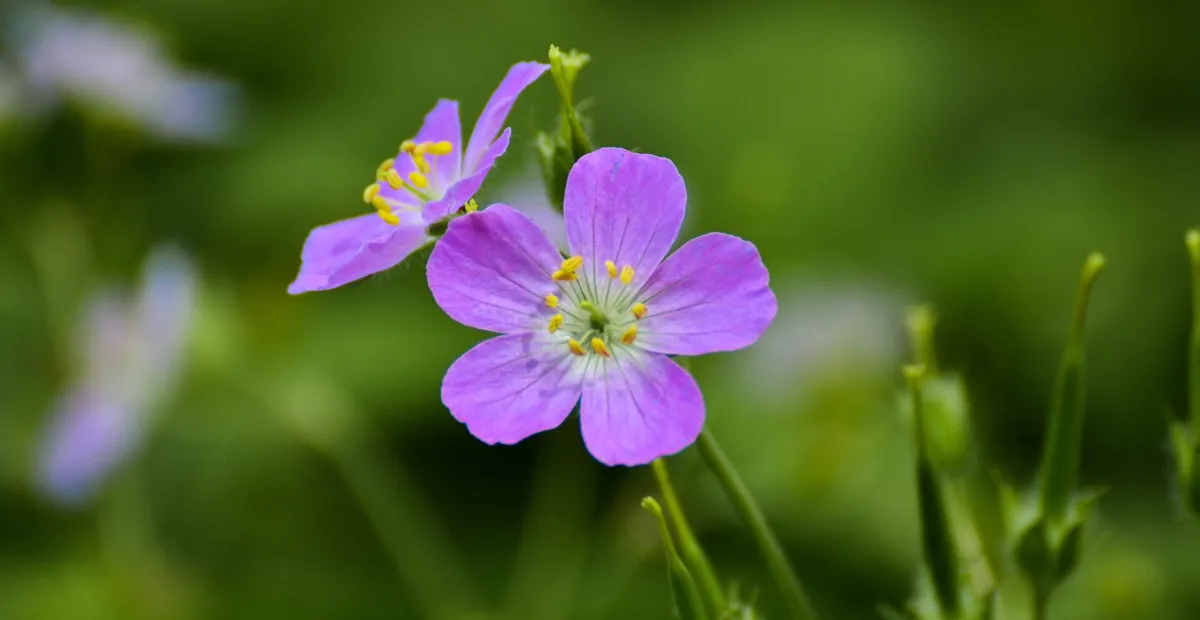
Leaves are long-stalked, palmately divided into five broad lobes, and often softly hairy. Upright to ascending stems arise from a stout rhizome and carry smaller opposite leaves. The spring flowers are delicately veined in pink, rose, or purple. Pointed beaked fruits remain distinctive after petals fall.
Flowering
Flowers are produced in spring on upright stems, generally from April through June in the United States. Each bloom has five rounded petals and contrasting veins. Flowering can be reduced in deeply shaded sites, while plants in brighter woodland-edge conditions may bloom more heavily. Plants may decline toward summer dormancy if the soil becomes dry.
Pollination and visitors
Documented visitors include small and medium bees, bumblebees, carpenter bees, syrphid flies, butterflies, beetles, ants, and wasps. Bees and syrphid flies are among the more important visitors because their bodies can contact the reproductive structures while collecting floral rewards.
Geranium maculatum photos
Click any photo for a larger view. Source, author and license are shown separately.
Diseases and pests
Diseases
Watch for powdery mildew and downy mildew, especially where foliage remains crowded, wet, or poorly ventilated. Improve spacing and air movement, water at the soil line, remove heavily affected leaves, and avoid routine overhead irrigation. Clean up declining foliage at the end of the season.
Pests
Potential pests include vine weevil, capsid bugs, and geranium sawfly. Inspect new growth and leaf edges, maintain plant vigor, and remove or hand-pick localized infestations. Use targeted controls only when damage is substantial and identify the pest before treatment.
Related diseases and pests
Only Plant Doctor profiles whose host data indicate this plant may be affected are shown here.
 DiseaseCucumber mosaic virusCucumber mosaic virus
 DiseaseMaple powdery mildewSawadaea bicornis
 DiseaseCucurbit Downy MildewPseudoperonospora cubensis (Berk. & M.A. Curtis) Rostovzev
 DiseaseCucurbit Powdery MildewPodosphaera xanthii (Castagne) U. Braun & Shishkoff
 PestBlack Vine WeevilOtiorhynchus sulcatus
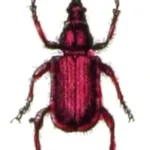 PestPeach weevilRhynchites bacchus
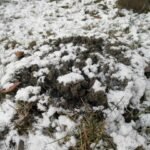 Environmental stressFrost heaving
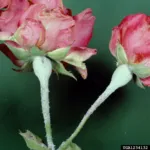 DiseaseRose powdery mildewPodosphaera pannosa
Toxicity and pollen
Reliable sources do not establish significant human or pet toxicity for Geranium maculatum itself. Some commonly cited geranium toxicity records refer to Pelargonium species rather than true Geraniums. Avoid intentional ingestion, prevent pets from consuming large quantities of unfamiliar plant material, and seek professional advice if symptoms follow exposure.
- Typical season
- April through June
- Pollination / pollen
- Insect-dispersed floral pollen
This insect-pollinated perennial does not release pollen in the manner of wind-pollinated grasses, trees, or weeds. Pollen is mainly presented within flowers and transferred by visiting insects, so garden-level airborne exposure is expected to be low, although individual sensitivity cannot be ruled out.
Native habitat
Native to eastern North America, where it occurs in deciduous woods, coves, thickets, mesic slopes, and meadows. It favors fertile, moisture-retentive but drained soils, often on northern or eastern aspects and along open woodland edges. It performs best where leaf litter and natural soil structure are retained.
Interesting fact
The species is gynodioecious, with some plants bearing female flowers and others bearing hermaphroditic flowers. Its pointed seed capsules gave rise to the common name cranesbill. Dry fruits can spring open and fling seeds several feet from the parent plant.
Frequently asked questions (FAQ)
The most relevant questions about this plant, with short and direct answers.
🌱Quick care
What is Spotted Geranium?⌄
Spotted Geranium (Geranium maculatum) is a native eastern North American perennial in the cranesbill group. It forms clumps of deeply lobed foliage and produces pink, lilac, or occasionally white flowers in spring.
Is Spotted Geranium a true geranium?⌄
Yes, Spotted Geranium is a true geranium in the genus Geranium. It is different from the tender bedding plants commonly called geraniums, which belong to the genus Pelargonium.
How big does Spotted Geranium get?⌄
Spotted Geranium usually grows about 1 to 2 feet tall and can spread into clumps roughly 1 to 2 feet wide. Its size varies with light, soil moisture, fertility, and regional growing conditions.
Is Spotted Geranium easy to grow?⌄
Yes, Spotted Geranium is generally an easy-care, low-maintenance perennial when planted in moist, fertile, well-drained soil. It is especially well suited to woodland gardens, rain gardens, borders, and naturalized areas.
🌤️Environment and placement
How much sun does Spotted Geranium need?⌄
Spotted Geranium grows in full sun to partial shade, with about 2 to 6 hours of direct sunlight usually suitable. It often flowers more heavily in brighter conditions, but afternoon shade can help in hot, dry locations.
Where should I plant Spotted Geranium?⌄
Plant Spotted Geranium in a woodland edge, shaded border, rain garden, moist meadow, or other site with fertile, well-drained soil. Choose a protected location rather than an exposed, windy site.
Can Spotted Geranium grow in full shade?⌄
Spotted Geranium can tolerate fairly shady conditions, but flowering and overall density may decrease in deep shade. Bright filtered light or partial shade generally produces a better display.
Can Spotted Geranium grow in clay soil?⌄
Yes, Spotted Geranium can grow in clay or clay loam if the soil holds moisture without remaining waterlogged. Incorporating organic matter and improving drainage can help it establish more reliably.
What USDA hardiness zones are suitable for Spotted Geranium?⌄
Spotted Geranium is generally hardy across USDA Zones 3 through 9. Local performance can still vary, especially where summer heat, winter moisture, or drought is unusually severe.
Is Spotted Geranium drought tolerant?⌄
Spotted Geranium has moderate water needs and is not a strongly drought-tolerant perennial. Water it during extended dry periods, particularly while it is becoming established and during hot summer weather.
💧Care and problems
How often should I water Spotted Geranium?⌄
Water Spotted Geranium when the soil surface begins to dry, providing enough moisture to keep the root zone moderately moist. Established plants may need less supplemental water in naturally moist soil and more during drought.
Why is my Spotted Geranium turning yellow after flowering?⌄
Spotted Geranium commonly declines or yellows during the hottest part of summer after its main spring bloom. Keep the soil from becoming excessively dry, and shear the foliage back if it becomes unattractive.
Should I cut back Spotted Geranium?⌄
Cut back Spotted Geranium after flowering if the foliage becomes floppy, yellow, or untidy. Leave the plant uncut if you want to display its distinctive beaked seed capsules or encourage self-sowing.
What problems affect Spotted Geranium?⌄
Spotted Geranium can occasionally experience aphids, slugs, rust, or leaf spot, but these problems are usually minor. Good air circulation, appropriate watering, and avoiding persistently soggy foliage can reduce disease pressure.
Does Spotted Geranium need fertilizer?⌄
Spotted Geranium usually needs little fertilizer when grown in fertile soil enriched with organic matter. Avoid heavy feeding, which can produce lush foliage at the expense of a compact, natural growth habit.
Is Spotted Geranium deer resistant?⌄
Spotted Geranium is often considered relatively resistant to deer and rabbits, although no plant is reliably browse-proof. Hungry wildlife may still feed on it, especially when preferred food sources are scarce.
🪴Planting and repotting
When is the best time to plant Spotted Geranium?⌄
Plant Spotted Geranium in spring or fall, when temperatures are moderate and soil moisture is dependable. Fall planting is particularly suitable for moving established rhizomes while the plant is dormant.
How do I plant Spotted Geranium?⌄
Plant Spotted Geranium at the same depth it was growing in its container, then water thoroughly and apply a light organic mulch. Space plants about 12 to 18 inches apart if you want them to develop into a connected clump.
Can Spotted Geranium be grown in a rain garden?⌄
Yes, Spotted Geranium can be used in a rain garden or moist garden bed if the site drains between rain events. It prefers consistent moisture but should not remain submerged or waterlogged for long periods.
Can Spotted Geranium be grown in a container?⌄
Spotted Geranium can be grown in a large container with fertile, moisture-retentive but well-drained potting mix. Containers require more frequent watering and provide less winter root insulation than garden soil.
✂️Propagation and pruning
How do I propagate Spotted Geranium?⌄
Propagate Spotted Geranium by seed or by dividing its rhizomatous clumps. Division is the more predictable method for producing plants identical to the parent, while seed may take longer and show natural variation.
Can Spotted Geranium be grown from seed?⌄
Yes, Spotted Geranium can be grown from its beaked seed capsules, which release seeds mechanically when mature. Sow fresh seed when available, because garden-grown seedlings may establish more slowly than divided plants.
How do I divide Spotted Geranium?⌄
Divide Spotted Geranium by lifting the clump and separating sections of its underground rhizome, preferably in fall or early spring. Replant the divisions promptly at their original depth and keep them evenly moist while they reestablish.
Does Spotted Geranium spread aggressively?⌄
Spotted Geranium can spread gradually by rhizomes and self-sowing, forming dense clumps in favorable conditions. It is generally manageable, but remove unwanted seedlings or divide the clump if it expands beyond its planting area.
⚠️Toxicity and safety
Is Spotted Geranium poisonous to people or pets?⌄
No confirmed species-specific toxicity classification was identified for Spotted Geranium, but definitive safety data are limited. Do not intentionally eat the plant, and contact a poison-control or veterinary professional if ingestion causes symptoms.
Is Spotted Geranium the same as poison hemlock?⌄
No, Spotted Geranium is not poison hemlock and belongs to a different plant family. The scientific names are also different: Spotted Geranium is Geranium maculatum, while poison hemlock is Conium maculatum.
🌸Flowering and special interest
When does Spotted Geranium bloom?⌄
Spotted Geranium usually blooms in mid to late spring, with flowers appearing from April into June depending on location and weather. Some plants may produce additional flowers later under favorable conditions.
What color are Spotted Geranium flowers?⌄
Spotted Geranium flowers are typically pink to lilac or purple, with fine veins that act as nectar guides. White-flowered forms and cultivars are also available.
Why is my Spotted Geranium not flowering?⌄
Insufficient light is a common reason Spotted Geranium produces few flowers, although drought, transplant stress, poor soil, and excessive nitrogen can also contribute. Move or divide the plant only after confirming that moisture and light are appropriate.
Does Spotted Geranium attract pollinators?⌄
Yes, Spotted Geranium provides nectar and pollen for native bees and other insects, including specialist pollinators. Its spring bloom makes it especially useful in native and woodland pollinator gardens.
What are the seed pods on Spotted Geranium?⌄
The seed pods are narrow, beaked capsules that resemble a crane's bill, which explains the common name cranesbill. When mature, they can spring open and eject seeds away from the parent plant.
Similar plants
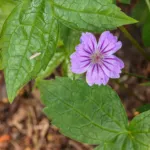 Knotted Crane’s-bill (Geranium nodosum) care guideGeranium nodosum
 Armenian Crane’s-bill (Geranium psilostemon) care guideGeranium psilostemon
 Geranium ‘Rozanne’Geranium 'Rozanne'
 Geranium ‘Blushing Turtle’Geranium 'Blushing Turtle'
 Geranium ‘Macrorrhizum’Geranium 'Macrorrhizum'
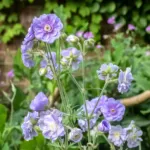 Geranium ‘Summer Skies’Geranium 'Summer Skies'