
 Source:
 Geranium ‘Macrorrhizum’ short overview
Geranium 'Macrorrhizum' is a horticultural identity associated with the big-root cranesbill group, a durable rhizomatous perennial for challenging garden spaces. It forms a spreading carpet of aromatic, deeply divided leaves and produces small pink to purplish flowers in late spring and early summer. Give it well-drained soil, from sun to dry shade, and enough room to spread. Because cultivar-specific documentation is limited, size and flower traits should be confirmed against the plant in hand.
Taxonomic classification
Geranium ‘Macrorrhizum’ care guide
Light and placement
Grow in full sun, partial shade, or shade. In cool climates, more sun encourages flowering; in hot U.S. regions, morning sun with afternoon shade is safer. Bright dappled light beneath open trees is a strong placement. Too little light produces fewer flowers and looser growth, while intense hot afternoon sun can scorch leaves or cause wilting in dry soil.
Watering and humidity
Water deeply when the upper few inches of soil become dry during establishment, then allow the planting to dry moderately between irrigations. Established plants tolerate dry periods because of their thick rhizomes, but flowering and foliage look better with occasional deep watering during prolonged summer drought. Reduce watering in cool, wet seasons and never keep containers saturated.
Soil and growing medium
Use ordinary garden soil that drains freely but does not become bone-dry for long periods. Loam, sandy loam, clay amended with organic matter, and moderately calcareous soils can work. Avoid winter waterlogging. The species tolerates a broad pH range from acidic through alkaline, with best performance in fertile, well-drained ground.
Feeding
Work a modest amount of finished compost into the planting area before growth begins, or apply a balanced slow-release fertilizer in spring at label rate. Avoid heavy nitrogen feeding, which can produce soft, leafy growth and encourage mildew. Do not fertilize drought-stressed, newly divided, or dormant plants.
Growth and habit
This perennial spreads by thick surface-near rhizomes and gradually forms a dense, weed-suppressing mat. Its vigorous habit is useful for covering bare ground but can move beyond its intended space in favorable gardens. Divide or cut through the rhizomes at the edge when containment is needed.
Planting and repotting
Plant in spring or early fall, setting the crown at soil level and covering the rhizomes only lightly. Space plants about 18–24 inches apart for a continuous groundcover, allowing faster cultivars to knit together. Water deeply after planting and maintain even moisture during the establishment season, then reduce irrigation once growth is well rooted.
Repot container plants in spring when roots fill the pot. Move the plant into a slightly larger container with a durable, well-drained potting mix. Because the rhizomes spread horizontally, wide containers are more useful than very deep ones. Refresh exhausted mix rather than repeatedly increasing pot size.
Propagation and pruning
Propagation
Division is the most reliable method: lift or expose the rhizome in spring or early fall, separate rooted sections, and replant promptly. Basal cuttings can be taken in spring, though success may require bottom heat. Seed propagation is possible for the species but may not reproduce a named horticultural selection faithfully.
Pruning
Routine pruning is optional. Remove spent flowering stems and tired leaves if a cleaner appearance or fresh foliage is desired. After flowering, plants can be lightly cut back to refresh the clump, but avoid cutting into the crown or rhizomes. Remove winter-damaged foliage in early spring.
Overwintering
Plants in USDA Zones 4–8 generally overwinter outdoors without special protection. In colder or exposed sites, apply a light mulch after the ground begins to freeze, keeping the crown uncovered enough to prevent rot. Container plants are more vulnerable than plants in the ground; group pots in a sheltered location and keep the mix barely moist rather than wet.
Uses
A dependable ornamental groundcover for dry shade, woodland borders, shrub underplanting, rock gardens, informal beds, and erosion-prone banks. It can suppress weeds after establishment and works well in containers if watered appropriately. Traditional uses and essential-oil research exist for the species, but they do not justify home medicinal use or ingestion.
Appearance
The plant is recognized by soft, rounded leaves divided deeply into five to seven lobes, long leaf stalks, and a noticeable aroma when foliage is bruised. Thick rhizomes sit near the soil surface and help the plant spread. Flowering stems rise above the foliage and carry branched clusters of small rounded blooms.
Flowering
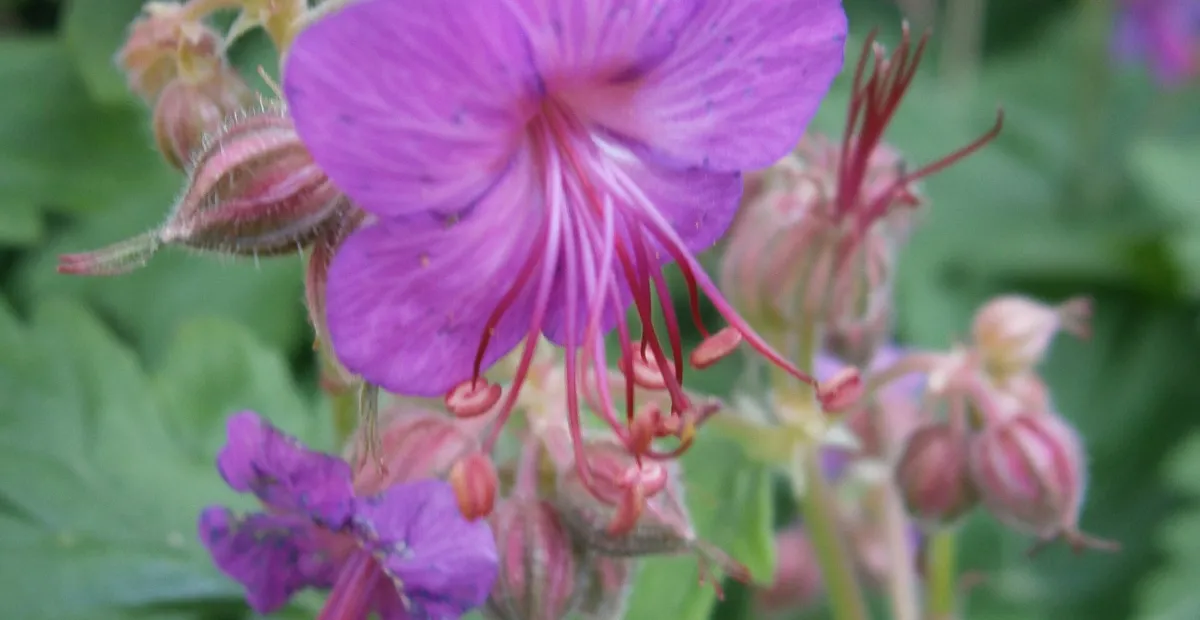
Small, saucer-shaped, five-petaled flowers are held in branching clusters above the foliage. The species normally flowers from late spring into summer, with pink, purplish-pink, or rarely white petals and contrasting reddish calyces. Exact color, flower density, and timing may vary because the supplied cultivar identity is not well documented independently.
Pollination and visitors
The open flowers provide nectar and pollen used by bees and other flower-visiting insects; horticultural references also identify butterflies as visitors. The exact visitor mix can vary with region, weather, competing blooms, and the cultivar’s flower form.
Geranium 'Macrorrhizum' photos
Click any photo for a larger view. Source, author and license are shown separately.
Diseases and pests
Diseases
Provide air movement and avoid chronically wet foliage. Powdery mildew and downy mildew can occur, especially in crowded or poorly ventilated plantings. Remove badly affected leaves, water at the soil surface, divide congested clumps, and avoid excessive nitrogen. Good drainage is more important than routine preventive spraying.
Pests
Watch for vine weevil in containers, capsid bugs, and sawfly larvae. Inspect new growth and leaf undersides, hand-pick obvious larvae, and remove heavily damaged foliage. Keep plants vigorous through proper drainage and spacing. Use targeted controls only when damage is persistent and significant.
Related diseases and pests
Only Plant Doctor profiles whose host data indicate this plant may be affected are shown here.
 DiseaseBacterial blight of geraniumXanthomonas hortorum pv. pelargonii
 DiseaseCucumber mosaic virusCucumber mosaic virus
 DiseaseMaple powdery mildewSawadaea bicornis
 DiseaseCucurbit Downy MildewPseudoperonospora cubensis (Berk. & M.A. Curtis) Rostovzev
 PestBlack Vine WeevilOtiorhynchus sulcatus
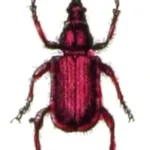 PestPeach weevilRhynchites bacchus
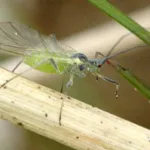 PestGreen Peach AphidMyzus persicae
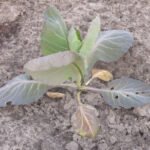 Environmental stressNitrogen deficiency
Toxicity and pollen
Evidence for this exact horticultural identity is limited. ASPCA warnings concern Pelargonium geraniums rather than hardy Geranium cranesbills, so they should not be transferred automatically. Avoid eating ornamental plant material, wash hands after handling crushed foliage, and prevent pets or children from chewing it. Seek professional advice after significant ingestion or irritation.
- Typical season
- Typically late spring through summer in the United States
- Pollination / pollen
- Insect-carried floral pollen
As an insect-pollinated perennial, it is not generally regarded as a major wind-dispersed seasonal allergen. Nevertheless, flowers produce pollen, and direct contact with pollen or aromatic foliage may bother unusually sensitive individuals. No reliable pollen-count or cultivar-specific allergy profile was found.
Native habitat
The species is native from central and southeastern Europe to western Türkiye, where it occurs in rocky, often limestone-associated woodland and mountain habitats. It tolerates both dry and moderately moist conditions, with shade tolerance particularly useful in temperate gardens.
Interesting fact
The species has a thick, fleshy rhizome reflected in the epithet macrorrhizum, meaning large-rooted. Crushed foliage is aromatic, and leaves may turn red in autumn. It is valued for dry shade, where many groundcovers struggle. Rhizomes can creep outward and are easy to divide with a spade.
Frequently asked questions (FAQ)
The most relevant questions about this plant, with short and direct answers.
🌱Quick care
What is Geranium 'Macrorrhizum'?⌄
Geranium 'Macrorrhizum' is a hardy, rhizomatous cranesbill perennial grown mainly for fragrant foliage, pink-to-purple flowers, and dependable groundcover. It is also commonly documented as bigroot geranium or bigroot cranesbill.
Is Geranium 'Macrorrhizum' easy to grow?⌄
Yes, Geranium 'Macrorrhizum' is generally an easy-care perennial once established. It tolerates a wide range of well-drained soils, dry conditions, heat, and both sunny and shaded locations.
How much sun does Geranium 'Macrorrhizum' need?⌄
Geranium 'Macrorrhizum' grows in full sun, partial shade, and even fairly deep shade. Flowering is usually strongest with more light, while afternoon shade can help in hot-summer regions.
How often should I water Geranium 'Macrorrhizum'?⌄
Water Geranium 'Macrorrhizum' regularly during its first growing season, then reduce watering after the roots and rhizomes establish. Mature plants usually prefer dry to medium moisture and need extra water only during prolonged drought.
Is Geranium 'Macrorrhizum' evergreen?⌄
Geranium 'Macrorrhizum' can remain semi-evergreen or evergreen in milder U.S. climates, but its foliage may die back in colder areas. Remove winter-damaged leaves in late winter or early spring before new growth starts.
🌤️Environment and placement
Can Geranium 'Macrorrhizum' grow in dry shade?⌄
Yes, Geranium 'Macrorrhizum' is one of the more reliable perennials for dry shade. Its thick rhizomes help it tolerate competition from tree roots, although new plantings still need consistent water while establishing.
What USDA hardiness zones suit Geranium 'Macrorrhizum'?⌄
Geranium 'Macrorrhizum' is commonly listed as hardy in USDA Zones 4 through 8, with some selections reported across a wider range. Local performance can vary with cultivar, winter exposure, summer heat, and drainage.
What soil is best for Geranium 'Macrorrhizum'?⌄
Use well-drained loam, sandy loam, or amended clay for Geranium 'Macrorrhizum'. It also tolerates calcareous or alkaline soil, but consistently waterlogged ground can cause rhizome and root problems.
Can Geranium 'Macrorrhizum' grow under trees?⌄
Yes, Geranium 'Macrorrhizum' is well suited to planting beneath trees where the soil is dry and root competition is strong. Give new plants supplemental water until they establish among the tree roots.
Can Geranium 'Macrorrhizum' tolerate full sun?⌄
Yes, Geranium 'Macrorrhizum' tolerates full sun when the soil drains well and adequate moisture is available during establishment. In hot, dry-summer areas, some afternoon shade may reduce stress and leaf scorch.
Is Geranium 'Macrorrhizum' drought tolerant?⌄
Established Geranium 'Macrorrhizum' is drought tolerant because its thick rhizomes store resources and support growth in dry soil. Water deeply during extended drought, especially where plants receive intense afternoon sun.
💧Care and problems
Does Geranium 'Macrorrhizum' need fertilizer?⌄
Geranium 'Macrorrhizum' usually needs little or no fertilizer in average garden soil. Apply a light, balanced fertilizer only if growth is weak and a soil test or other evidence suggests a nutrient deficiency.
Should I deadhead Geranium 'Macrorrhizum'?⌄
Deadheading Geranium 'Macrorrhizum' is optional rather than essential. Remove spent flower stems to tidy the plant or possibly encourage a later flush, but the foliage generally remains attractive without routine deadheading.
When should Geranium 'Macrorrhizum' be cut back?⌄
Cut back Geranium 'Macrorrhizum' after flowering if the clump becomes untidy or sprawls. Otherwise, remove only dead or damaged growth in late winter or early spring, since the plant usually does not require severe pruning.
Why is my Geranium 'Macrorrhizum' flopping?⌄
Geranium 'Macrorrhizum' may flop after flowering because older stems spread outward as new basal growth develops. Trim the spent stems back after bloom, and check that excessive shade, rich soil, or overwatering is not encouraging weak growth.
Does Geranium 'Macrorrhizum' have fragrant leaves?⌄
Yes, Geranium 'Macrorrhizum' has aromatic foliage that releases a noticeable scent when brushed or crushed. Fragrance intensity varies with the plant, weather, and cultivar.
Does Geranium 'Macrorrhizum' spread aggressively?⌄
Geranium 'Macrorrhizum' spreads gradually through rhizomes and can form a dense groundcover. It is usually manageable, but divide or remove outer sections when it begins crowding neighboring plants.
Is Geranium 'Macrorrhizum' deer resistant?⌄
Geranium 'Macrorrhizum' is generally considered deer resistant, although no plant is completely deer-proof when animals are hungry. Its aromatic foliage is usually less appealing than that of many other perennials.
Is Geranium 'Macrorrhizum' rabbit resistant?⌄
Geranium 'Macrorrhizum' is generally considered rabbit resistant. Protection may still be needed for newly planted divisions or during periods when rabbits have few alternative food sources.
🪴Planting and repotting
When is the best time to plant Geranium 'Macrorrhizum'?⌄
Plant Geranium 'Macrorrhizum' in spring or fall when temperatures are moderate and soil can be worked. Fall planting allows roots to establish before winter, while spring planting is useful in colder regions.
How far apart should I plant Geranium 'Macrorrhizum'?⌄
Space Geranium 'Macrorrhizum' about 18 to 24 inches apart for a groundcover planting. Use wider spacing for individual specimen clumps and closer spacing only when faster coverage is a priority.
Can Geranium 'Macrorrhizum' grow in containers?⌄
Yes, Geranium 'Macrorrhizum' can grow in a container with drainage holes and a well-drained potting mix. Containers dry out faster than garden soil, so monitor moisture more closely and protect the roots in severe winter conditions.
How do I plant Geranium 'Macrorrhizum' rhizomes?⌄
Plant Geranium 'Macrorrhizum' rhizomes shallowly, covering them with only a small amount of soil while keeping any shoots upright. Firm the soil gently, water thoroughly, and keep the planting evenly moist until new growth is established.
✂️Propagation and pruning
How do I propagate Geranium 'Macrorrhizum'?⌄
The easiest way to propagate Geranium 'Macrorrhizum' is by dividing established clumps or separating rooted rhizome sections. Replant divisions promptly in well-drained soil and water them until they resume growth.
Can Geranium 'Macrorrhizum' be grown from seed?⌄
Geranium 'Macrorrhizum' can be grown from seed, but named selections may not come true to the parent plant. Division is usually faster and more reliable when you want plants with matching foliage and flower characteristics.
When should I divide Geranium 'Macrorrhizum'?⌄
Divide Geranium 'Macrorrhizum' in early spring or fall, avoiding hot, dry weather. Division is useful for controlling spread, rejuvenating older clumps, and producing new plants from rooted rhizome sections.
⚠️Toxicity and safety
Is Geranium 'Macrorrhizum' poisonous to people?⌄
The toxicity status of the exact identity Geranium 'Macrorrhizum' is not sufficiently resolved for a confident safety claim. Avoid eating it, keep plant material away from children and pets, and contact a medical or veterinary professional if ingestion occurs.
Is Geranium 'Macrorrhizum' safe for dogs and cats?⌄
The safety of Geranium 'Macrorrhizum' for dogs and cats is uncertain for this exact identity. Prevent pets from chewing the plant and contact a veterinarian or pet poison service if a pet ingests it or develops symptoms.
🌸Flowering and special interest
When does Geranium 'Macrorrhizum' bloom?⌄
Geranium 'Macrorrhizum' typically blooms from late spring into early or midsummer, often from May through July in temperate U.S. gardens. Timing varies with climate, exposure, and cultivar.
What color flowers does Geranium 'Macrorrhizum' have?⌄
Geranium 'Macrorrhizum' produces small flowers in shades of pink, rose, magenta, or purple, depending on the selection. Flowers are held above aromatic, rounded foliage on spreading clumps.
Does Geranium 'Macrorrhizum' attract pollinators?⌄
Yes, Geranium 'Macrorrhizum' can provide nectar and pollen for butterflies and other flower-visiting insects. Its main pollinator value comes during its late-spring and early-summer flowering period.
Why is my Geranium 'Macrorrhizum' not flowering?⌄
Poor flowering in Geranium 'Macrorrhizum' is most often linked to excessive shade, drought during bud formation, or a recently divided plant that is still establishing. Move or thin surrounding vegetation only if practical, and avoid high-nitrogen fertilizer.
Similar plants
 Azure Monkshood (Aconitum carmichaelii) care guideAconitum carmichaelii
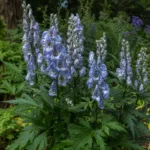 Monkshood (Aconitum ‘Stainless Steel’)Aconitum 'Stainless Steel'
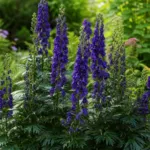 Monkshood (Aconitum ‘Bressingham Spire’)Aconitum 'Bressingham Spire'
 Golden full moon maple (Acer shirasawanum ‘Aureum’)Acer shirasawanum 'Aureum'
 Globosum (Acer platanoides ‘Globosum’)Acer platanoides 'Globosum'
 Striped maple (Acer pensylvanicum) care guideAcer pensylvanicum