
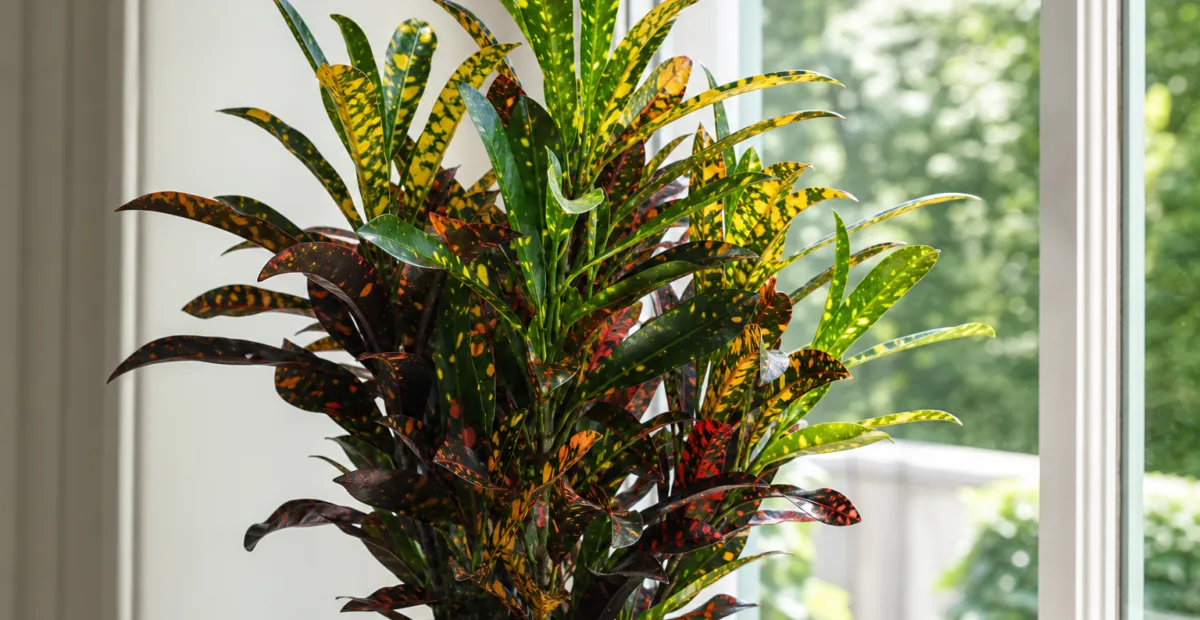
 AI-generated illustration
Franklin Roosevelt Croton (Codiaeum variegatum ‘Franklin Roosevelt’) short overview
Codiaeum variegatum 'Franklin Roosevelt' is a distinctive narrow-leaved croton with irregular yellow spotting and foliage that can deepen from fresh green through yellow and orange to red and nearly black as leaves mature. This evergreen tropical shrub is grown in the United States mainly as a houseplant, patio container, or frost-free landscape accent. Bright light, warmth, steady moisture, and excellent drainage help preserve its vivid color.
Taxonomic classification
Franklin Roosevelt Croton (Codiaeum variegatum ‘Franklin Roosevelt’) care guide
Light and placement
Give bright filtered light with some gentle direct sun, such as an east window or a bright south- or west-facing location filtered by a sheer curtain. Gradually acclimate plants to stronger outdoor sun because sudden exposure can scorch leaves. Too little light produces greener, less colorful foliage and may cause lower-leaf drop; excessive harsh sun can bleach or burn leaves.
Watering and humidity
Water thoroughly when the top inch of mix feels partly dry, allowing excess water to drain fully. Do not leave the pot standing in a saucer of water. Water more often during warm, bright summer growth and less often in winter or low light, while avoiding prolonged drought. Stable humidity helps reduce leaf drop but does not replace proper watering.
Soil and growing medium
Use a loose, humus-rich potting mix with reliable drainage. A peat- or coco-based mix amended with perlite or fine bark works well in containers. Avoid compacted clay and waterlogged media. Slightly acidic to neutral conditions are suitable; a drainage hole is essential.
Feeding
Feed during spring and summer with a balanced liquid houseplant fertilizer diluted to half strength about monthly, or use a controlled-release product according to its label. Water the plant first if the mix is dry. Reduce or stop feeding in low-light winter conditions and avoid heavy fertilizer salts, which can damage roots.
Growth and habit
This evergreen shrub develops an upright, branching habit and can become fuller with strong light and occasional tip pruning. Growth is generally slower indoors than in warm outdoor conditions. Sudden relocation, cold temperatures, low humidity, or poor light can trigger leaf drop, so acclimate plants gradually.
Planting and repotting
Plant outdoors only after nights remain consistently warm and all frost danger has passed. Set the root ball at the same depth as it was growing in its container, firm the soil gently, water thoroughly, and maintain even moisture while establishing. In frost-prone areas, use a container that can be moved indoors.
Repot in spring when roots circle the container or growth has slowed, moving up only one pot size. Handle the root ball gently because crotons can react to disturbance by dropping leaves. Refresh part of the mix rather than making a dramatic change in pot size.
Propagation and pruning
Propagation
Stem cuttings are the practical method. Take a healthy tip cutting in spring or summer, remove lower leaves, allow the cut surface to stop bleeding, and root it in a warm, airy medium with bright indirect light. Seed is possible but is not dependable for preserving cultivar traits because seedlings may vary.
Pruning
Prune in spring or during active growth to shape the plant, encourage branching, or remove damaged stems. Make cuts just above a leaf node and wipe away the milky sap. Wear gloves and protect eyes and skin; sterilize tools between plants. Avoid severe pruning during cold, low-light periods.
Overwintering
Bring containers indoors before temperatures approach 50°F. Inspect for pests, rinse foliage if needed, and place the plant in the brightest warm location available. Reduce watering in winter but do not let the root ball become bone dry. Avoid cold windows, drafts, and abrupt changes in light or humidity.
Uses
Use as a colorful indoor foliage plant, patio container, seasonal bedding accent, specimen, or sheltered tropical hedge in frost-free regions. Its value is ornamental rather than edible, and the irritating sap means it should not be planted where children or pets routinely chew foliage.
Appearance
The defining feature is a narrow, leathery leaf blade covered with irregular yellow spotting and changing bands or patches of green, orange, red, and dark burgundy to near-black. Leaves are glossy and held on an upright, branching shrub. Broken stems and leaves may release milky sap, a useful family-level identification feature.
Flowering
Mature plants may produce slender axillary or terminal racemes bearing separate male and female flowers on the same plant. The flowers are small and ornamental value is negligible compared with the foliage. Flowering is irregular indoors and can vary with warmth, light, plant age, and growing conditions.
Pollination and visitors
Species-level records document bees visiting croton flowers, but reliable cultivar-specific visitor data for 'Franklin Roosevelt' are limited. Treat pollinator attraction as unknown rather than assuming that every flowering plant is strongly attractive.
Diseases and pests
Diseases
Prevent disease by avoiding saturated soil, wet foliage, poor air circulation, and contaminated tools. Root and stem problems are most likely when the medium stays waterlogged. Remove affected tissue with sterilized pruners, correct drainage and watering, and discard severely rotted plants rather than repeatedly propagating from diseased material.
Pests
Inspect regularly for spider mites, mealybugs, scale, and thrips, especially when indoor air is dry. Isolate infested plants, rinse foliage when appropriate, and use insecticidal soap or horticultural oil according to the product label. Avoid routine broad-spectrum spraying and correct low humidity or plant stress that encourages outbreaks.
Related diseases and pests
Only Plant Doctor profiles whose host data indicate this plant may be affected are shown here.
 PestCitrus mealybugPlanococcus citri
 PestGreenhouse thripsHeliothrips haemorrhoidalis
 PestBroad mitePolyphagotarsonemus latus (Banks)
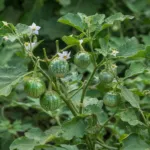 Environmental stressPoor drainage stress (waterlogging)
 Environmental stressWaterlogging
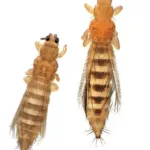 PestOnion thripsThrips tabaci Lindeman
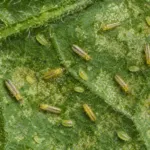 PestMelon thripsThrips palmi Karny
 PestChilli thripsScirtothrips dorsalis Hood
Toxicity and pollen
Crotons contain irritating sap and are treated as poisonous if plant material is eaten. Chewing may cause mouth and gastrointestinal irritation; sap can irritate skin and eyes. Keep prunings and fallen leaves away from children and pets, wash hands after handling, and wear gloves when cutting. Seek medical or veterinary advice after ingestion or significant exposure.
- Pollination / pollen
- Pollen from small male flowers; airborne relevance not established
Crotons produce pollen from their small male flowers, but the available evidence does not establish a dependable U.S. airborne-allergy profile for this cultivar. Because flowering is usually sparse and the flowers are not showy, practical airborne exposure is likely limited, but a precise pollen-risk rating is unavailable.
Native habitat
The species is native from Malesia through the southwestern Pacific, where it occurs in warm, humid tropical environments including coastal habitats, swamp forest, rainforest understory, and montane forest. Cultivated crotons perform best in frost-free conditions with warmth, moisture, and good drainage.
Interesting fact
The cultivar is associated with Miami breeder Henry Coppinger and belongs to a historically important group of Coppinger crotons. Research on croton cultivars describes 'Franklin Roosevelt' as a narrow-leaved form with irregular yellow spots. Leaf color commonly changes as leaves age and receive different levels of light.
Frequently asked questions (FAQ)
The most relevant questions about this plant, with short and direct answers.
🌱Quick care
What is Codiaeum variegatum 'Franklin Roosevelt' commonly called?⌄
Codiaeum variegatum 'Franklin Roosevelt' is a narrow-leaved croton commonly sold in the United States as Franklin Roosevelt Croton. Its foliage develops green, yellow, orange, red, and darker tones as leaves mature and receive adequate light.
How much light does Franklin Roosevelt Croton need indoors?⌄
Give Franklin Roosevelt Croton bright filtered light to gentle direct sun indoors. A spot near an unobstructed east- or south-facing window usually works well, but acclimate it gradually to stronger sun to reduce leaf scorch.
How often should I water Franklin Roosevelt Croton?⌄
Water when the surface of the potting mix has dried slightly, then soak the soil thoroughly until excess drains from the pot. Do not keep the root ball constantly soggy or allow it to remain bone-dry for extended periods.
Is Franklin Roosevelt Croton easy to grow as a houseplant?⌄
Franklin Roosevelt Croton can grow well indoors when it receives bright light, stable warmth, and consistent moisture. It may drop leaves after sudden changes in light, temperature, watering, or location.
🌤️Environment and placement
Can Franklin Roosevelt Croton grow outdoors in the United States?⌄
It can grow outdoors year-round in warm parts of USDA Zones 10–11, provided it is protected from frost. In cooler regions, grow it in a container and bring it indoors before temperatures approach 50°F.
What temperature is too cold for Franklin Roosevelt Croton?⌄
Protect Franklin Roosevelt Croton when temperatures fall below 50°F, because it is frost-tender and can suffer chilling injury. Bring container plants indoors before cold nights rather than waiting for a frost warning.
Can Franklin Roosevelt Croton tolerate low light?⌄
Franklin Roosevelt Croton may survive temporarily in lower light, but its colors usually become less intense and growth may become sparse. Move it gradually toward brighter filtered light for stronger variegation and fuller growth.
Can Franklin Roosevelt Croton take full sun?⌄
Established Franklin Roosevelt Croton can tolerate gentle direct sun, especially during the morning, but intense afternoon sun may scorch leaves. Acclimate nursery-grown or indoor plants gradually and provide partial shade in hot climates.
Does Franklin Roosevelt Croton need high humidity?⌄
Moderate to high humidity can help Franklin Roosevelt Croton maintain attractive foliage, especially in heated or air-conditioned homes. Keep it away from hot, dry vents and improve humidity with a humidifier or by grouping plants.
Where is the best place to put Franklin Roosevelt Croton indoors?⌄
Place it in a warm, bright room near a window with filtered light and away from drafts, radiators, and frequently opened exterior doors. Avoid moving it repeatedly because crotons often respond to environmental changes with leaf drop.
💧Care and problems
Why is my Franklin Roosevelt Croton dropping leaves?⌄
Leaf drop is commonly triggered by sudden changes in light, temperature, watering, humidity, or location. Check that the soil is neither soggy nor completely dry, then provide warmth and stable bright light while it acclimates.
Why are Franklin Roosevelt Croton leaves turning green?⌄
Leaves may turn greener when Franklin Roosevelt Croton receives insufficient light. Increase brightness gradually, because stronger light generally encourages more yellow, orange, red, and dark coloration.
Why are the leaves on my Franklin Roosevelt Croton turning yellow?⌄
Yellow leaves often indicate overwatering, poor drainage, or stress from inconsistent care. Check the roots and soil moisture; allow slight surface drying between thorough waterings and remove any water collected beneath the pot.
Why are Franklin Roosevelt Croton leaves curling or browning?⌄
Curling or brown leaf edges can result from dry soil, low humidity, hot direct sun, cold drafts, or salt buildup. Correct the environmental stress and avoid alternating severely dry soil with heavy watering.
What soil is best for Franklin Roosevelt Croton?⌄
Use a rich, well-drained potting mix that retains some moisture but does not stay waterlogged. A quality indoor potting mix amended with perlite or fine bark can provide a useful balance of moisture retention and drainage.
How should I fertilize Franklin Roosevelt Croton?⌄
Feed during active growth with a balanced, diluted houseplant fertilizer according to the product label. Avoid heavy applications or fertilizing dry soil, because concentrated fertilizer salts can damage the roots.
🪴Planting and repotting
When should I repot Franklin Roosevelt Croton?⌄
Repot Franklin Roosevelt Croton when roots circle the container, emerge from drainage holes, or the mix dries unusually quickly. Move it into a pot only one size larger and repot during active growth when possible.
How do I repot Franklin Roosevelt Croton without causing leaf drop?⌄
Repot during warm, active growth and disturb the roots as little as possible. Afterward, return the plant to similar bright light and warmth, keep the mix evenly but not soggy moist, and avoid additional changes for several weeks.
Can Franklin Roosevelt Croton be planted in the ground?⌄
Franklin Roosevelt Croton can be planted in the ground in frost-free climates with rich, well-drained soil and bright filtered light or gentle sun. In regions with freezing winters, container culture is safer because the plant must be protected indoors.
✂️Propagation and pruning
How do you propagate Franklin Roosevelt Croton from cuttings?⌄
Propagate it from a healthy stem cutting by removing lower leaves and rooting the cutting in water or a moist, well-drained propagation medium. Keep it warm in bright indirect light; rooting may take several weeks and success is not guaranteed.
Can Franklin Roosevelt Croton be propagated from a leaf?⌄
A single leaf generally cannot produce a new Franklin Roosevelt Croton because it lacks a stem node. Use a stem section containing at least one viable node instead.
When is the best time to prune Franklin Roosevelt Croton?⌄
Prune Franklin Roosevelt Croton during warm, active growth to shape the plant or encourage branching. Wear gloves because the cut stems release irritating sap, and use clean, sharp pruners.
How do I make Franklin Roosevelt Croton grow bushier?⌄
Pinch or prune the growing tips during active growth to encourage branching below the cut. Maintain bright light afterward, since insufficient light can produce weak, elongated growth even after pruning.
⚠️Toxicity and safety
Is Franklin Roosevelt Croton poisonous to cats and dogs?⌄
Yes, Franklin Roosevelt Croton is moderately toxic if ingested, and its sap can irritate the mouth, skin, and eyes. Keep it away from pets and children, and contact a veterinarian or poison-control service if ingestion occurs.
Is Franklin Roosevelt Croton poisonous to humans?⌄
It can cause irritation and stomach upset if plant material is ingested, while the sap may irritate skin and eyes. Wear gloves when pruning, wash exposed skin, and seek medical advice after significant ingestion or persistent symptoms.
Should I wear gloves when pruning Franklin Roosevelt Croton?⌄
Yes, gloves are recommended because Franklin Roosevelt Croton has irritating sap. Keep sap away from the eyes and wash tools and skin after pruning.
🌸Flowering and special interest
Does Franklin Roosevelt Croton flower indoors?⌄
Franklin Roosevelt Croton can produce small, inconspicuous flowers, but it is primarily grown for its colorful foliage and may rarely flower indoors. Bright light, warmth, and maturity make flowering more likely.
Are the flowers of Franklin Roosevelt Croton showy?⌄
No, its flowers are generally small and less ornamental than the foliage. Remove flower stalks if they distract from the plant’s appearance or if you want the plant to direct more energy toward vegetative growth.
Similar plants
 Azure Monkshood (Aconitum carmichaelii) care guideAconitum carmichaelii
 Monkshood (Aconitum ‘Stainless Steel’)Aconitum 'Stainless Steel'
 Monkshood (Aconitum ‘Bressingham Spire’)Aconitum 'Bressingham Spire'
 Golden full moon maple (Acer shirasawanum ‘Aureum’)Acer shirasawanum 'Aureum'
 Globosum (Acer platanoides ‘Globosum’)Acer platanoides 'Globosum'
 Striped maple (Acer pensylvanicum) care guideAcer pensylvanicum