
 Source:
 Geranium ‘Rozanne’ short overview
Geranium 'Rozanne' is a vigorous hybrid cranesbill prized for its unusually long display of violet-blue, white-eyed flowers. The spreading, clump-forming perennial performs best in full sun with evenly moist, well-drained soil, but it also tolerates partial shade and established dry spells. Use it to soften border edges, cover open ground, fill containers, or support a pollinator-friendly planting in USDA Zones 5–8.
Taxonomic classification
Geranium ‘Rozanne’ care guide
Light and placement
Give full sun for the strongest flowering, ideally with at least 6 hours of direct light, or use bright morning sun with afternoon partial shade in hot climates. An east- or south-facing border is suitable; provide some afternoon protection in desert or very hot Southern locations. Too little light produces fewer flowers and looser growth, while harsh reflected heat can scorch foliage or wilt plants.
Watering and humidity
Water deeply when the top inch of soil begins to dry during the first growing season, then reduce frequency after establishment. Maintain even moisture during heat and flowering, but let excess water drain freely. Established plants tolerate short dry spells; container plants need more frequent checks. Extra humidity is unnecessary and poor airflow can encourage leaf disease.
Soil and growing medium
Plant in fertile, well-drained loam, sandy loam, or clay amended with organic matter. The soil may range from slightly acidic to slightly alkaline, but drainage is essential; prolonged winter or summer saturation can cause root problems. Avoid heavily compacted sites and improve clay with compost rather than creating a sharply contrasting pocket of rich soil.
Feeding
In spring, top-dress established plants with a thin layer of compost or apply a balanced, slow-release perennial fertilizer according to the product label. Avoid heavy nitrogen feeding, which can produce soft foliage and fewer flowers. Do not fertilize drought-stressed, newly divided, or dormant plants until active growth resumes.
Growth and habit
Plants form a broad, mounding clump with flexible stems that can arc or spill over nearby edges. The cultivar is vigorous but not usually invasive, and its long season makes it useful where continuous ground-level color is wanted. Cut back tired foliage after the main display or let it remain for late-season structure.
Planting and repotting
Plant nursery-grown divisions in spring or early fall, setting the crown at the same depth as in the original container. Space plants about 24–30 inches apart to allow the mature mound to knit together. Water regularly during the establishment season, and mulch lightly without covering the crown.
Move container plants into a pot only one size larger when roots fill the existing container. Use a quality, free-draining potting mix and keep the crown at the original soil level. Repot in early spring as new growth begins, then water thoroughly and allow excess moisture to drain.
Propagation and pruning
Propagation
Division is the most dependable home method and is best carried out in early spring or early fall. Separate a healthy crown into rooted sections, replant immediately at the original depth, and keep divisions evenly moist while they establish. Softwood cuttings may be possible, but success is less consistently documented than division.
Pruning
Remove spent flower stems during the season for a cleaner appearance and possible continued bloom. Cut the plant back to a few inches above the crown in late fall or early spring when foliage becomes untidy or damaged. Avoid cutting into the crown or removing all healthy foliage too early in the season.
Overwintering
Leave healthy crowns outdoors in Zones 5–8. After frost damages the foliage, remove only collapsed or diseased material and apply a light mulch in colder regions, keeping it away from the crown. Container plants are more exposed to freezing than in-ground plants; group pots in a sheltered location or move them into an unheated garage during severe cold.
Uses
Useful as a long-season border plant, edging perennial, informal ground cover, container specimen, rock-garden plant, and pollinator-garden component. Its arching habit can spill attractively over walls or pot rims. It is ornamental only; no culinary or medicinal use should be assumed.
Appearance
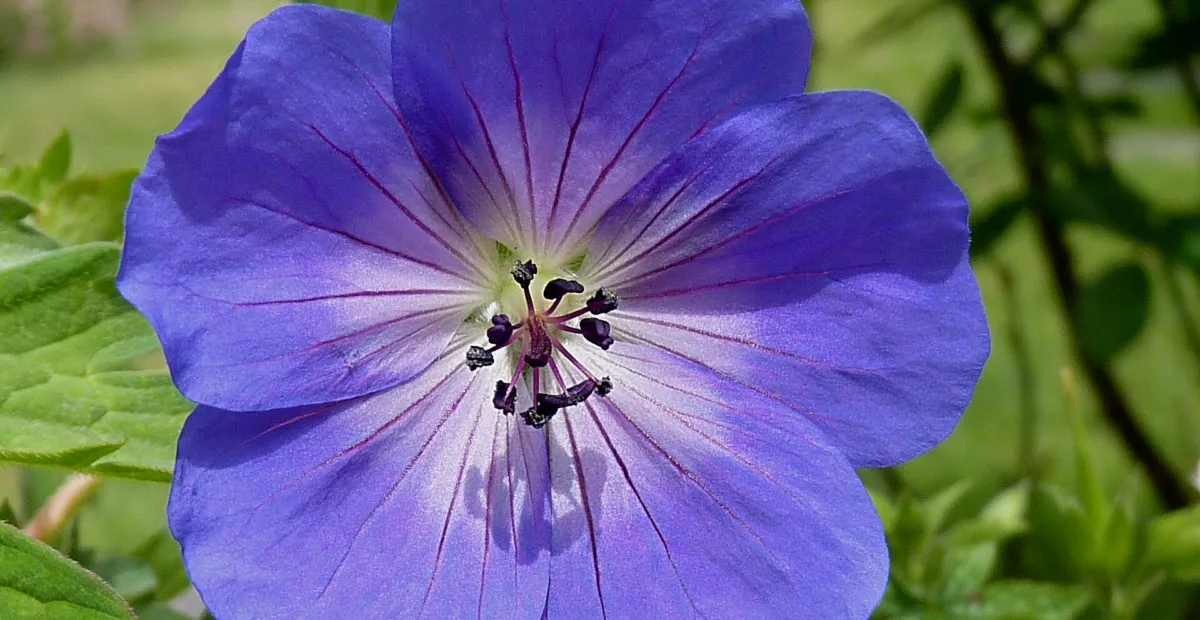
The plant has deeply divided, rounded leaves on slender green stems, forming a dense mound that can arch outward. Its most distinctive feature is the succession of vivid violet-blue flowers with pale centers and darker veining. The foliage remains attractive after flowering and may take on reddish or bronze tones in cool weather.
Flowering
The saucer-shaped flowers are produced over a notably long season, beginning in late spring or early summer and often continuing until frost. Flowering is heaviest in brighter positions, while established plants can keep producing scattered blooms through summer heat. Removing tired flower stems can improve tidiness and encourage renewed flowering.
Pollination and visitors
The open, nectar- and pollen-bearing flowers are reported to attract bees, bumblebees, butterflies, moths, hoverflies, and other beneficial insects. Visits are most likely during the extended flowering period from late spring into fall. The exact visitor mix depends on local insect populations and weather.
Geranium 'Rozanne' photos
Click any photo for a larger view. Source, author and license are shown separately.
Diseases and pests
Diseases
Generally trouble-free when planted in well-drained soil. Watch for crown or root rot in waterlogged ground, powdery mildew in crowded, poorly ventilated sites, and bacterial or fungal leaf spotting during prolonged wet weather. Remove affected foliage, improve air circulation, avoid overhead watering, and discard severely diseased material.
Pests
Slugs and snails may damage young foliage, especially in cool, wet conditions. Japanese beetles and aphids can occasionally occur but are usually manageable. Inspect new growth, remove slugs by hand or use physical barriers, encourage beneficial insects, and avoid routine broad-spectrum insecticides during bloom.
Related diseases and pests
Only Plant Doctor profiles whose host data indicate this plant may be affected are shown here.
 DiseaseBacterial blight of geraniumXanthomonas hortorum pv. pelargonii
 DiseaseCucumber mosaic virusCucumber mosaic virus
 PestJapanese beetlePopillia japonica
 DiseaseMaple powdery mildewSawadaea bicornis
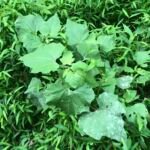 DiseaseCucurbit Powdery MildewPodosphaera xanthii (Castagne) U. Braun & Shishkoff
 Environmental stressWaterlogging
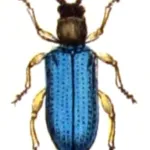 PestCereal leaf beetleOulema melanopus
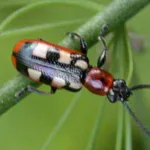 PestAsparagus BeetleCrioceris asparagi
Toxicity and pollen
No cultivar-specific toxic effects are well documented for Geranium 'Rozanne'. It is distinct from florist geraniums in Pelargonium, which are listed separately in pet-toxicity references. As with any ornamental plant, prevent pets or children from chewing large quantities and seek professional advice if symptoms follow ingestion.
- Typical season
- Late spring through fall in much of the United States
- Pollination / pollen
- Insect-dispersed pollen
This is an insect-pollinated flowering perennial, so its pollen is generally less airborne than pollen from wind-pollinated trees and grasses. That does not guarantee zero allergy risk: sensitive people may react to direct flower contact or nearby plant debris. Avoid rubbing the eyes after handling and wash hands after gardening.
Native habitat
This cultivar is a garden hybrid rather than a wild species with a single native habitat. It is adapted to temperate perennial borders and performs across a broad range of well-drained soils and climates corresponding roughly to USDA Zones 5–8. It tolerates heat once established but declines in persistently waterlogged ground.
Interesting fact
The cultivar was selected in England and is also known by the breeding code 'Gerwat'. It received the Royal Horticultural Society Award of Garden Merit and was named Perennial Plant of the Year in 2008. Unlike many spreading perennials, it is commonly increased by division rather than dependable seed.
Frequently asked questions (FAQ)
The most relevant questions about this plant, with short and direct answers.
🌱Quick care
What is Geranium 'Rozanne'?⌄
Geranium 'Rozanne' is a hardy hybrid cranesbill perennial grown for its violet-blue, white-eyed flowers and long bloom season. It forms a spreading mound of deeply lobed green foliage and is distinct from tender florist geraniums, which are Pelargonium species.
How much sun does Geranium 'Rozanne' need?⌄
Geranium 'Rozanne' grows in full sun to partial shade, but it generally flowers most heavily with at least 6 hours of direct sun. In hot regions, afternoon shade can help reduce stress.
How often should I water Geranium 'Rozanne'?⌄
Water Geranium 'Rozanne' when the top inch of soil begins to dry, providing moderate, even moisture. Newly planted specimens need more frequent watering, while established plants tolerate short dry periods if the soil drains well.
Is Geranium 'Rozanne' a perennial?⌄
Yes, Geranium 'Rozanne' is a hardy herbaceous perennial that dies back or slows in winter and regrows in spring. Its survival depends on local winter conditions and suitable drainage.
🌤️Environment and placement
What USDA hardiness zones are suitable for Geranium 'Rozanne'?⌄
Geranium 'Rozanne' is commonly grown as a hardy perennial in USDA Zones 5 through 8. In colder or warmer microclimates, winter protection, afternoon shade, or careful moisture management may improve performance.
Can Geranium 'Rozanne' grow in partial shade?⌄
Yes, Geranium 'Rozanne' tolerates partial shade and can perform well beneath open trees or beside shrubs. Flowering is usually reduced as shade becomes deeper, especially in dense overhead cover.
Does Geranium 'Rozanne' tolerate heat?⌄
Geranium 'Rozanne' has good heat tolerance once established, particularly when planted in moisture-retentive but well-drained soil. In hot climates, mulch and protection from intense late-afternoon sun can help maintain vigor.
What type of soil is best for Geranium 'Rozanne'?⌄
The best soil for Geranium 'Rozanne' is moderately fertile, well-drained loam, sandy loam, or amended clay. Avoid persistently wet sites because poor drainage can damage the crown and roots.
How large does Geranium 'Rozanne' get?⌄
Geranium 'Rozanne' typically reaches about 18 to 24 inches tall and can spread roughly 24 to 36 inches. Its stems often scramble through nearby plants, so allow room for a broad, relaxed habit.
Is Geranium 'Rozanne' drought tolerant?⌄
Established Geranium 'Rozanne' has some drought tolerance, but it flowers and grows best with moderate moisture. Water deeply during prolonged heat or drought, especially when the plant is young or container-grown.
Can Geranium 'Rozanne' grow under trees?⌄
Yes, Geranium 'Rozanne' can grow beneath trees or shrubs when it receives adequate filtered light and is not competing heavily for water. Avoid planting directly in dense, dry root zones where establishment may be difficult.
💧Care and problems
How do I care for Geranium 'Rozanne' after planting?⌄
Keep newly planted Geranium 'Rozanne' consistently watered, apply a 2- to 3-inch organic mulch, and remove competing weeds. A balanced slow-release fertilizer in spring is usually sufficient in reasonably fertile soil.
Should I deadhead Geranium 'Rozanne'?⌄
Deadheading is optional but useful for keeping Geranium 'Rozanne' tidy and encouraging a refreshed display. Remove faded flower stems at their base or shear lightly if the plant becomes untidy.
Why is my Geranium 'Rozanne' not blooming?⌄
Insufficient light is a common reason Geranium 'Rozanne' fails to bloom well, although drought, excessive fertilizer, transplant stress, or overly rich shade can also contribute. Move or thin surrounding growth if the plant receives little direct or filtered light.
Why is my Geranium 'Rozanne' turning brown or dying back?⌄
Some dieback is normal after frost or during winter dormancy, but sudden browning during the growing season may indicate drought, waterlogged soil, root damage, or transplant shock. Check soil moisture and drainage before watering more heavily.
Does Geranium 'Rozanne' have serious pest or disease problems?⌄
Geranium 'Rozanne' is generally trouble-free and is not known for significant routine pest or disease problems. Poor air circulation, prolonged wetness, or stressed plants can still encourage leaf spots, crown problems, or occasional insect damage.
Is Geranium 'Rozanne' deer resistant?⌄
Geranium 'Rozanne' is generally considered resistant to browsing by deer and rabbits, although no plant is completely immune when food is scarce. Young plants may still benefit from temporary protection in areas with heavy browsing.
How often should I fertilize Geranium 'Rozanne'?⌄
Fertilize Geranium 'Rozanne' once in spring with compost or a balanced slow-release fertilizer if the soil is not already fertile. Avoid repeated high-nitrogen feeding, which can produce leafy growth at the expense of flowers.
🪴Planting and repotting
When is the best time to plant Geranium 'Rozanne'?⌄
Plant Geranium 'Rozanne' in spring or early fall, when temperatures are moderate and roots can establish before severe heat or cold. Water thoroughly after planting and maintain steady moisture during the first growing season.
How far apart should I plant Geranium 'Rozanne'?⌄
Space Geranium 'Rozanne' about 24 to 30 inches apart for individual plants to fill in without excessive crowding. Use closer spacing only when a faster, denser ground-cover effect is desired and airflow remains adequate.
Can Geranium 'Rozanne' be grown in containers?⌄
Yes, Geranium 'Rozanne' grows well in a large container with drainage holes and quality potting mix. Choose a container at least 14 to 18 inches wide, water when the mix begins to dry, and protect the roots from extreme winter cold.
Can Geranium 'Rozanne' grow in clay soil?⌄
Geranium 'Rozanne' can grow in clay soil if it is amended with organic matter and drains reasonably well. Do not place it in a low, saturated area where water remains around the crown.
Should I mulch Geranium 'Rozanne' in winter?⌄
A light winter mulch can protect Geranium 'Rozanne' in colder climates, especially during freeze-thaw cycles. Keep mulch a few inches away from the crown to reduce the risk of rot.
✂️Propagation and pruning
How do I propagate Geranium 'Rozanne'?⌄
The most practical way to propagate Geranium 'Rozanne' is by dividing an established plant in early spring. Because named cultivars may not come true from seed and this hybrid is not typically propagated reliably from seed, division or nursery-supplied plants is preferred.
Can Geranium 'Rozanne' be grown from seed?⌄
Growing Geranium 'Rozanne' from seed is not the dependable way to reproduce the named cultivar. Seedlings may differ from the parent, so use division or a professionally propagated plant when preserving the cultivar’s characteristics matters.
When should I divide Geranium 'Rozanne'?⌄
Divide Geranium 'Rozanne' in early spring as new growth begins, using a sharp knife or spade to separate healthy crown sections with roots attached. Replant divisions at the original depth and keep them watered while they establish.
Can I divide a newly planted Geranium 'Rozanne'?⌄
It is better to wait until Geranium 'Rozanne' has established a substantial crown before dividing it. Dividing a young or recently transplanted specimen increases stress and may leave divisions too small to recover quickly.
When should I cut back Geranium 'Rozanne'?⌄
Cut back Geranium 'Rozanne' to ground level in late fall after dormancy or in early spring before vigorous new growth. A light trim during the growing season is also useful if stems become leggy or spread too far.
How do I keep Geranium 'Rozanne' from becoming too sprawling?⌄
Give Geranium 'Rozanne' enough space, then lightly shear or trim the outer stems when they begin covering nearby plants. Support rings or neighboring upright perennials can also contain its naturally relaxed, weaving habit.
⚠️Toxicity and safety
Is Geranium 'Rozanne' toxic to dogs or cats?⌄
There is no well-established toxicity report for this exact Geranium 'Rozanne' cultivar, but evidence is limited and general geranium references often concern Pelargonium rather than hardy Geranium. Prevent pets from eating unfamiliar plant material and contact a veterinarian if ingestion causes symptoms.
Is Geranium 'Rozanne' safe for children?⌄
Geranium 'Rozanne' has no reported toxicity for this exact cultivar, but limited evidence does not guarantee that eating it is harmless. Supervise children around garden plants and seek medical advice if a substantial amount is swallowed or symptoms occur.
🌸Flowering and special interest
When does Geranium 'Rozanne' bloom?⌄
Geranium 'Rozanne' usually begins blooming in late spring or early summer and can continue through summer into fall, sometimes until frost. The exact season depends on climate, light, moisture, and establishment.
What color are Geranium 'Rozanne' flowers?⌄
Geranium 'Rozanne' produces violet-blue to lavender-blue, saucer-shaped flowers with a pale or white center and darker purple veining. Flower color can look lighter or deeper depending on sunlight and temperature.
Does Geranium 'Rozanne' bloom all summer?⌄
Geranium 'Rozanne' can flower for much of the summer and often continues into fall under favorable conditions. Consistent moisture, adequate light, and occasional deadheading or light trimming help sustain the display.
Is Geranium 'Rozanne' good for pollinators?⌄
Yes, Geranium 'Rozanne' is a useful pollinator plant because its open flowers provide access for bees and other flower-visiting insects. Avoid unnecessary insecticide use while it is in bloom.
Does Geranium 'Rozanne' bloom in its first year?⌄
Geranium 'Rozanne' can bloom in its first year, especially when planted as a healthy nursery specimen in spring. Flowering may be lighter initially while the plant directs energy toward root establishment.
Similar plants
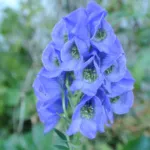 Azure Monkshood (Aconitum carmichaelii) care guideAconitum carmichaelii
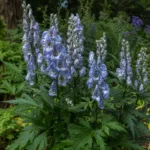 Monkshood (Aconitum ‘Stainless Steel’)Aconitum 'Stainless Steel'
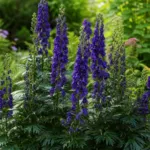 Monkshood (Aconitum ‘Bressingham Spire’)Aconitum 'Bressingham Spire'
 Golden full moon maple (Acer shirasawanum ‘Aureum’)Acer shirasawanum 'Aureum'
 Globosum (Acer platanoides ‘Globosum’)Acer platanoides 'Globosum'
 Striped maple (Acer pensylvanicum) care guideAcer pensylvanicum