
 Source:
 Geranium ‘Blushing Turtle’ short overview
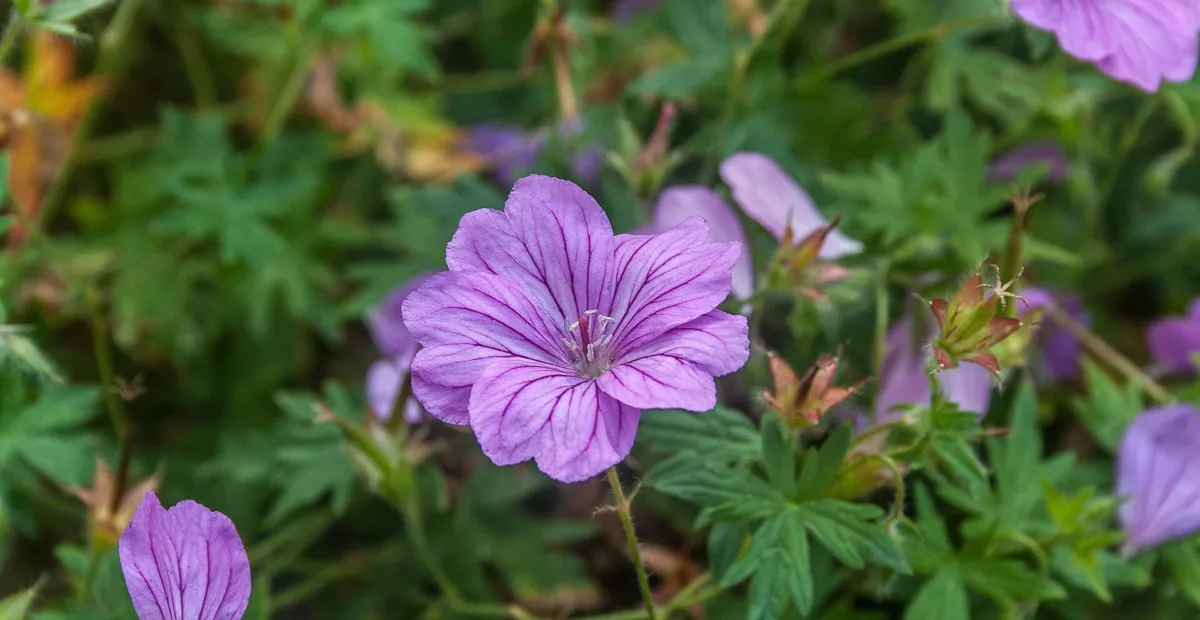
Geranium 'Blushing Turtle' is a long-blooming hardy cranesbill with a low, spreading habit and deeply lobed, maple-like green foliage. Orchid-pink, five-petaled flowers marked by darker reddish-purple veins appear heavily in late spring and continue sporadically into summer and early fall. Use this vigorous herbaceous perennial as a border filler, container plant, rock-garden accent or gently spreading ground cover in sun or partial shade.
Taxonomic classification
Geranium ‘Blushing Turtle’ care guide
Light and placement
Grow in full sun to partial shade. A site receiving morning or all-day sun with good air movement is ideal; in hot regions, protect the plant from intense late-afternoon heat with light afternoon shade. Too little light produces looser growth and fewer flowers, while excessive heat combined with dry soil can cause wilting, scorched foliage and a shortened bloom display.
Watering and humidity
Water deeply when the top inch of soil begins to dry during the first growing season, then allow the surface to dry slightly between waterings. Established plants tolerate short dry periods but flower best with even moisture. Reduce irrigation in cool fall weather and during winter dormancy, while avoiding saturated soil around the crown. Average humidity is sufficient.
Soil and growing medium
Use average, moderately fertile soil that drains freely but does not become bone-dry for long periods. Loam, sandy loam, clay and calcareous soils are all reported as suitable when drainage is adequate. The cultivar tolerates a broad pH range, from acidic through alkaline, so pH adjustment is usually unnecessary unless a soil test identifies a specific problem.
Feeding
Apply a thin layer of compost or a balanced, slow-release perennial fertilizer in spring as growth begins. Use fertilizer sparingly; overly rich feeding can produce foliage at the expense of a tidy habit and may increase soft growth. Do not feed newly divided or freshly transplanted plants until they show active new growth, and avoid fertilizing dry or heat-stressed soil.
Growth and habit
This is a slow to moderately growing, mound-forming perennial that gradually spreads outward from a central crown. The foliage forms a dense visual carpet, while flowering stems rise above it. Once established, it needs little intervention beyond watering during extended drought, removing tired stems and dividing overcrowded clumps when vigor declines.
Planting and repotting
Plant in spring after the soil can be worked, or in early fall while the ground remains warm. Set the crown at the same level as in the nursery container; do not bury the crown deeply. Allow roughly 24–36 inches between plants, depending on whether a continuous ground-cover effect or more individual mounds are desired. Water consistently during the first growing season.
Repot container-grown plants in spring when roots fill the pot or growth becomes crowded. Move the plant into a container only modestly larger than the root ball and use a moisture-retentive but well-drained multipurpose potting mix. Water thoroughly after transplanting and provide partial shade for several days while it re-establishes.
Propagation and pruning
Propagation
For home propagation, divide established clumps in spring or take basal softwood cuttings in early to mid-spring, using bottom heat if available. Division is generally the more practical method for gardeners. Seed-grown offspring should not be expected to reproduce the cultivar exactly.
Pruning
After the main flowering flush, cut flowered stems back toward the base if the plant looks untidy or if renewed foliage is desired. In autumn through late winter, remove withered stems before new spring growth begins. Avoid cutting into the crown or removing healthy foliage prematurely in regions where it remains attractive through fall.
Overwintering
Leave healthy foliage in place until it naturally declines, then remove dead stems in late fall or late winter. In USDA Zone 5 and other exposed cold sites, maintain a light, loose mulch over the root zone after the ground freezes, but keep mulch away from the crown. Container plants need extra root insulation or should be overwintered in a protected, unheated location.
Uses
Useful as a low-maintenance border filler, informal ground cover, container perennial, rock-garden plant and cottage-garden accent. Its long flowering period and open flowers can contribute nectar and pollen resources for garden insects. It is not documented here as an edible or medicinal plant, so do not use it for those purposes.
Appearance
The plant forms a low mound of finely divided, deeply lobed leaves that resemble small maple leaves. Foliage is mid- to rich green and may provide useful texture even when flowers are absent. The stems branch freely and carry open pink blooms above the leaves. The spreading mound and turtle-shell-like foliage silhouette help distinguish it from upright bedding geraniums, which are usually Pelargonium.
Flowering
The cultivar produces abundant, open, five-petaled flowers above the foliage, with the heaviest display generally in late spring or early summer. Flowering continues more lightly and sporadically through summer into early fall. Cutting back spent flowering stems can improve appearance and may encourage renewed bloom, although a complete second flush is not guaranteed.
Pollination and visitors
Geranium flowers are insect-pollinated and related cranesbill taxa are visited by bees, bumblebees, hoverflies and other flower-visiting insects. This exact cultivar is marketed as pollinator-friendly, but a cultivar-specific visitor survey was not located, so the visitor list is based on documented Geranium relatives and genus-level evidence rather than a claim of exclusive attraction.
Geranium 'Blushing Turtle' photos
Click any photo for a larger view. Source, author and license are shown separately.
Diseases and pests
Diseases
Powdery mildew can develop, especially when foliage is stressed by dry soil, poor air circulation or fluctuating moisture. Reduce risk by spacing plants adequately, watering at the soil surface and avoiding prolonged drought followed by heavy irrigation. Remove badly affected leaves and cut back the plant after flowering if foliage becomes unattractive; use a labeled fungicide only when necessary.
Pests
Slugs and snails may chew young foliage; sawfly larvae and vine weevil can also occur. Inspect leaves and crown regularly, especially in damp or heavily mulched beds. Hand-pick slugs and snails or use an appropriate labeled control, and remove badly damaged foliage. Maintain drainage and avoid excessive nitrogen, which can promote soft, lush growth.
Related diseases and pests
Only Plant Doctor profiles whose host data indicate this plant may be affected are shown here.
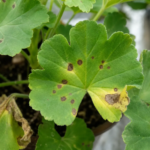 DiseaseBacterial blight of geraniumXanthomonas hortorum pv. pelargonii
 DiseaseCucumber mosaic virusCucumber mosaic virus
 Environmental stressDrought stress
 DiseaseMaple powdery mildewSawadaea bicornis
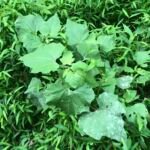 DiseaseCucurbit Powdery MildewPodosphaera xanthii (Castagne) U. Braun & Shishkoff
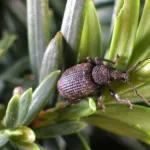 PestBlack Vine WeevilOtiorhynchus sulcatus
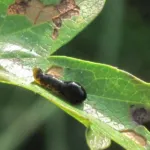 PestPear sawfly (pear slug)Caliroa cerasi
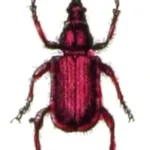 PestPeach weevilRhynchites bacchus
Toxicity and pollen
This is a true hardy Geranium, not a Pelargonium sold as a tender bedding geranium. Reliable toxicity information for this exact cultivar is limited, and the available pet database record commonly labeled “geranium” concerns Pelargonium species rather than this plant. Avoid deliberate consumption, supervise children and pets around any ornamental plant, and seek veterinary or medical advice if ingestion causes symptoms.
- Typical season
- During flowering, typically May through October in the United States
- Pollination / pollen
- Insect-carried pollen
The flowers release pollen during insect visits rather than dispersing it primarily by wind. That generally limits airborne spread compared with wind-pollinated plants, but it does not prove zero allergy risk. People with strong pollen sensitivity should avoid rubbing the flowers or handling large quantities during bloom.
Native habitat
The cultivar is a garden hybrid rather than a wild native population. Its reported parentage includes Geranium sanguineum and possibly G. × oxonianum or G. asphodeloides, taxa associated with open grassland, woodland margins and well-drained soils. In cultivation it performs best in temperate conditions with moisture-retentive but aerated soil and good seasonal light.
Interesting fact
The cultivar name refers to its compact mound of foliage, which has been compared to a turtle shell. It is protected by US Plant Patent 22376. Its seed capsules retain the characteristic crane-bill shape of the genus. Parentage is reported inconsistently in horticultural records.
Frequently asked questions (FAQ)
The most relevant questions about this plant, with short and direct answers.
🌱Quick care
What is Geranium 'Blushing Turtle'?⌄
Geranium 'Blushing Turtle' is a hardy herbaceous cranesbill perennial with a low, mounding, slowly spreading habit. It produces pink to orchid-pink flowers with darker veins above deeply lobed green foliage.
How big does Geranium 'Blushing Turtle' get?⌄
Geranium 'Blushing Turtle' typically grows about 18–24 inches tall and spreads 24–36 inches wide. Give it room to expand gradually rather than treating it as a compact edging plant.
What USDA hardiness zones are suitable for Geranium 'Blushing Turtle'?⌄
Geranium 'Blushing Turtle' is generally suited to USDA Zones 5–8. Winter performance can still vary with snow cover, exposure, drainage, and local microclimate.
Is Geranium 'Blushing Turtle' a perennial?⌄
Yes, Geranium 'Blushing Turtle' is a hardy herbaceous perennial. Its foliage dies back or declines in winter and regrows from the crown in spring.
🌤️Environment and placement
Does Geranium 'Blushing Turtle' need full sun or shade?⌄
Geranium 'Blushing Turtle' grows in full sun to partial shade. In hot-summer areas, afternoon shade can help reduce stress while preserving good flowering.
How many hours of sun does Geranium 'Blushing Turtle' need?⌄
Aim for at least 4–6 hours of direct sun daily for the strongest growth and flowering. It can tolerate more shade, but reduced light may produce fewer flowers and a looser habit.
What soil is best for Geranium 'Blushing Turtle'?⌄
Use average, moist but well-drained soil for Geranium 'Blushing Turtle'. It adapts to loam, clay, or sandy soil if drainage is adequate and benefits from added organic matter in poor ground.
Can Geranium 'Blushing Turtle' grow in clay soil?⌄
Yes, Geranium 'Blushing Turtle' can grow in clay soil if excess water drains away. Amend compacted clay with compost and avoid planting where water remains after rain.
Can Geranium 'Blushing Turtle' tolerate drought?⌄
Established Geranium 'Blushing Turtle' tolerates short periods of drying. Water it more consistently during its first growing season, prolonged heat, or extended drought.
Is Geranium 'Blushing Turtle' good for ground cover?⌄
Yes, its slowly spreading, mounding form makes Geranium 'Blushing Turtle' useful as a ground-covering filler. It works especially well in borders, cottage gardens, rock gardens, and informal plantings.
Can Geranium 'Blushing Turtle' grow in a container?⌄
Yes, Geranium 'Blushing Turtle' can grow in a container with drainage holes and a quality potting mix. Choose a broad container that accommodates its eventual spread and water when the mix begins to dry.
💧Care and problems
How often should I water Geranium 'Blushing Turtle'?⌄
Water Geranium 'Blushing Turtle' when the soil begins to dry near the surface, providing a deep soak rather than frequent light watering. Established plants need supplemental water mainly during extended dry weather.
Why is my Geranium 'Blushing Turtle' wilting?⌄
Wilting usually results from dry soil, heat stress, root damage, or overly wet conditions that impair the roots. Check soil moisture and drainage before watering again.
Does Geranium 'Blushing Turtle' need fertilizer?⌄
Geranium 'Blushing Turtle' usually grows well in average soil with little fertilizer. If growth is weak, apply a light balanced or slow-release fertilizer in early spring rather than overfeeding.
What pests affect Geranium 'Blushing Turtle'?⌄
Geranium 'Blushing Turtle' generally has few serious pest problems, but slugs, snails, sawfly larvae, vine weevil, or occasional sap-feeding insects may cause damage. Inspect distorted leaves and chewed foliage early.
What diseases affect Geranium 'Blushing Turtle'?⌄
Leaf spots, rust, powdery mildew, and other fungal problems can occur, especially with poor airflow or persistently wet foliage. Improve spacing, water at the soil line, and remove badly affected leaves.
🪴Planting and repotting
When should I plant Geranium 'Blushing Turtle'?⌄
Plant Geranium 'Blushing Turtle' in spring or early fall when soil can be worked. In colder USDA Zones 5–6, spring planting gives the crown more time to establish before winter.
How far apart should I plant Geranium 'Blushing Turtle'?⌄
Space Geranium 'Blushing Turtle' about 24–36 inches apart, depending on whether you want individual mounds or quicker coverage. Allow extra room in fertile, moist conditions where spreading may be stronger.
How do I plant Geranium 'Blushing Turtle' in the ground?⌄
Set Geranium 'Blushing Turtle' at the same depth it was growing in its nursery pot, then water thoroughly. Backfill with well-drained soil and apply a light mulch without covering the crown.
Can Geranium 'Blushing Turtle' be transplanted?⌄
Yes, transplant Geranium 'Blushing Turtle' in early spring or early fall. Dig widely to preserve the root mass, replant promptly, and keep the soil moderately moist while it reestablishes.
✂️Propagation and pruning
How do you propagate Geranium 'Blushing Turtle'?⌄
Propagate Geranium 'Blushing Turtle' by division or basal softwood cuttings. Division is generally the simpler home-gardening method, while seed may not reproduce the named cultivar reliably.
Can Geranium 'Blushing Turtle' be grown from seed?⌄
It may produce seed, but seedlings may differ from Geranium 'Blushing Turtle' because it is a named hybrid. Use division or cuttings when you want plants matching the parent.
When should I divide Geranium 'Blushing Turtle'?⌄
Divide Geranium 'Blushing Turtle' in spring as new growth begins or in early fall. Replant divisions immediately and water them regularly until new roots are established.
Should I deadhead Geranium 'Blushing Turtle'?⌄
Deadheading is optional but can improve appearance and encourage lighter continued flowering. Remove faded flower stems at their base rather than removing healthy foliage unnecessarily.
When should I cut back Geranium 'Blushing Turtle'?⌄
Cut Geranium 'Blushing Turtle' back after its main flowering flush if it becomes untidy or flowering slows. Trim dead foliage in late fall or early spring, leaving the crown undisturbed.
⚠️Toxicity and safety
Is Geranium 'Blushing Turtle' toxic to dogs or cats?⌄
Toxicity has not been conclusively verified for this exact cultivar, so do not allow pets or children to consume it. Contact a veterinarian or poison-control service if ingestion causes symptoms.
🌸Flowering and special interest
When does Geranium 'Blushing Turtle' bloom?⌄
Geranium 'Blushing Turtle' usually blooms heavily from late spring into early summer, often beginning around June. Sporadic flowers may continue through summer and into fall, especially after trimming.
What color are Geranium 'Blushing Turtle' flowers?⌄
The flowers are warm pink to orchid-pink with darker pink, reddish-purple, or magenta veins. Individual blooms are typically about 1–2 inches across.
How can I make Geranium 'Blushing Turtle' bloom more?⌄
Provide sufficient sunlight, moderate moisture, and well-drained soil, then remove spent flowers as desired. Cutting the plant back after its first major flush can encourage fresh foliage and possible rebloom.
Why is my Geranium 'Blushing Turtle' not flowering?⌄
Insufficient light, excessive nitrogen, drought, transplant stress, or heat can reduce flowering. Move it toward brighter light if practical, maintain even moisture during establishment, and avoid heavy fertilization.
Does Geranium 'Blushing Turtle' attract pollinators?⌄
Yes, the flowers of Geranium 'Blushing Turtle' can attract bees and butterflies. Its long flowering period makes it useful in pollinator-friendly borders and informal gardens.
Similar plants
 Azure Monkshood (Aconitum carmichaelii) care guideAconitum carmichaelii
 Monkshood (Aconitum ‘Stainless Steel’)Aconitum 'Stainless Steel'
 Monkshood (Aconitum ‘Bressingham Spire’)Aconitum 'Bressingham Spire'
 Golden full moon maple (Acer shirasawanum ‘Aureum’)Acer shirasawanum 'Aureum'
 Globosum (Acer platanoides ‘Globosum’)Acer platanoides 'Globosum'
 Striped maple (Acer pensylvanicum) care guideAcer pensylvanicum