
 Source:
 Knotted Crane’s-bill (Geranium nodosum) short overview
Geranium nodosum, commonly called Knotted Crane's-bill, is a graceful European perennial suited to shaded and partly shaded gardens. Its glossy, three-lobed leaves form a spreading clump, while loose sprays of light pink flowers, marked with darker veins, appear from late spring into summer and may continue into early fall. Plant it in moderately fertile, moist but well-drained soil for woodland borders, slopes, and informal groundcover.
Taxonomic classification
Knotted Crane’s-bill (Geranium nodosum) care guide
Light and placement
Grow in full sun, partial shade, or full shade. In the United States, morning sun or bright dappled light is especially useful in hot-summer regions; provide more shade where afternoons are intense. Too much light combined with dry soil may cause wilting, scorched leaf margins, or premature dormancy. Too little light may produce lanky stems and fewer flowers.
Watering and humidity
Water deeply when the soil surface begins to dry, keeping the root zone evenly moist during establishment and summer heat. Mature plants tolerate short dry periods better in shade than in full sun, but prolonged drought can reduce flowering and cause early dieback. Avoid constant saturation, which encourages root problems. Average outdoor humidity is adequate.
Soil and growing medium
Geranium nodosum adapts to clay, loam, sand, and chalky soils, provided they are not waterlogged. A moisture-retentive but well-drained loam enriched with compost is a reliable choice. It tolerates acidic, neutral, and alkaline conditions, so pH adjustment is usually unnecessary unless a soil test identifies a specific problem.
Feeding
In average garden soil, apply a thin layer of compost in spring or use a balanced, slow-release fertilizer at the label rate when new growth begins. Avoid heavy nitrogen feeding, which can produce soft foliage and fewer flowers. Do not fertilize drought-stressed, waterlogged, or dormant plants.
Growth and habit
This deciduous perennial develops a low, spreading clump from branching stems. It can gradually knit together as groundcover in suitable soil and may produce seedlings if seed capsules are allowed to mature. Removing spent stems helps maintain a tidy appearance and can encourage fresh foliage and additional flowering.
Planting and repotting
Plant in spring or early fall, setting the crown at soil level rather than burying it. Space plants about 12–18 inches apart to allow the spreading habit to knit together. Water deeply after planting and maintain consistent moisture during the first growing season, especially in sunny locations or during summer heat.
Container-grown plants can be moved in spring or early fall. Use a sturdy container with drainage holes and a moisture-retentive, well-drained potting mix. Repot when roots fill the container or growth becomes crowded, moving only one pot size larger. Water thoroughly after transplanting and keep evenly moist while the plant re-establishes.
Propagation and pruning
Propagation
Propagate from seed, spring division, or basal cuttings taken in early to mid-spring. Division is practical for established clumps. Basal cuttings generally root best with bottom heat and controlled moisture. Seedlings may appear around established plants, so remove unwanted volunteers before they spread.
Pruning
Remove flowered stems and old foliage after the main flush of bloom or when the plant becomes untidy. Cutting back lightly can encourage fresh leaves and possible later flowers. Avoid severe pruning while the plant is actively establishing or during drought.
Overwintering
Leave healthy basal foliage in place until late fall, then remove collapsed or diseased material. A light mulch of shredded leaves or compost helps moderate freeze-thaw cycles, particularly for new plantings. Established plants are generally hardy in cold temperate gardens, but container specimens need protection from repeated hard freezing.
Uses
Primarily an ornamental perennial for shaded borders, woodland gardens, banks, slopes, and low groundcover. Its flowers and foliage add seasonal interest in places where many sun-loving perennials perform poorly. It is not documented here as an edible or medicinal plant.
Appearance
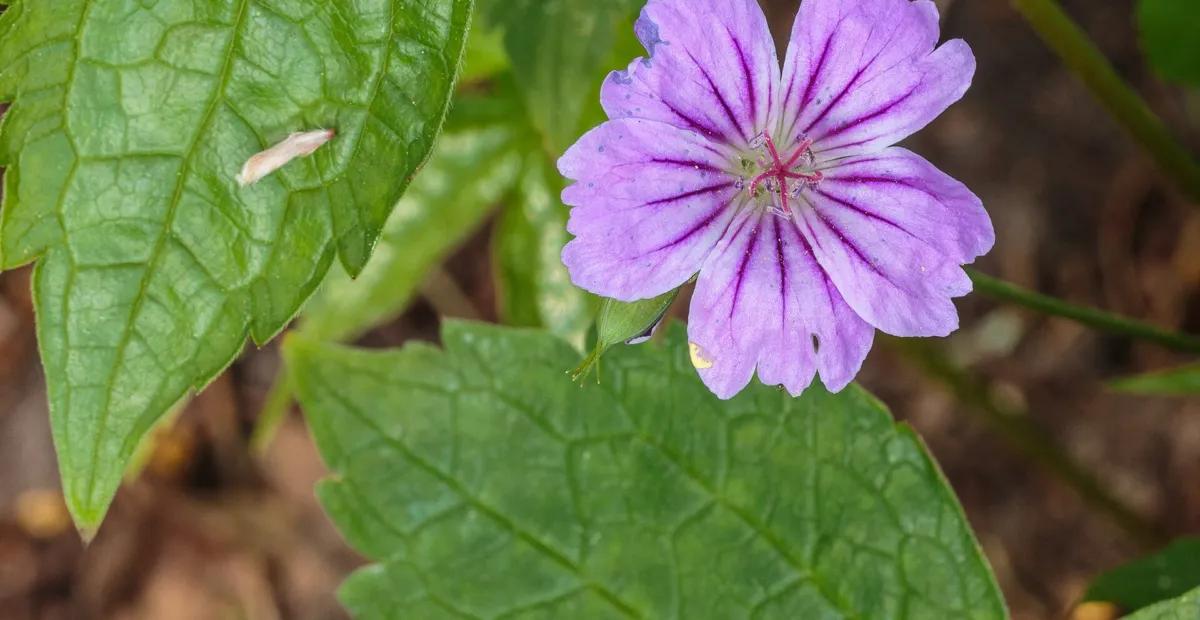
The plant has glossy, rounded to three-lobed green leaves carried on branching, somewhat jointed stems. Its loose flower clusters rise above the foliage, and the light pink petals are typically marked by darker veins. The deciduous foliage dies back seasonally, leaving a herbaceous perennial crown.
Flowering
This species produces loose clusters of rounded, five-petaled flowers. The flowers are light pink to rosy pink and usually marked with conspicuous darker veins. In temperate gardens, flowering begins in late spring and can continue intermittently through summer into early fall, especially when spent stems are removed.
Pollination and visitors
The open, nectar- and pollen-bearing flowers are structurally compatible with insect visitation, but a reliable species-specific visitor record was not located in the reviewed sources. Pollinator attraction is therefore left unclassified rather than inferred from flower form alone.
Geranium nodosum photos
Click any photo for a larger view. Source, author and license are shown separately.
Diseases and pests
Diseases
Watch for powdery mildew, downy mildew, and virus symptoms such as distorted or discolored foliage. Improve air circulation, avoid wetting leaves late in the day, and remove badly affected plant material. Virus-infected plants should generally be removed rather than propagated.
Pests
Slugs and snails may damage young foliage. Vine weevil can affect container or nursery plants, while geranium sawfly larvae may chew leaves. Encourage drainage, inspect foliage regularly, remove pests by hand when practical, and use locally approved controls only when damage is significant.
Related diseases and pests
Only Plant Doctor profiles whose host data indicate this plant may be affected are shown here.
 DiseaseBacterial blight of geraniumXanthomonas hortorum pv. pelargonii
 DiseaseCucumber mosaic virusCucumber mosaic virus
 DiseaseMaple powdery mildewSawadaea bicornis
 DiseaseCucurbit Downy MildewPseudoperonospora cubensis (Berk. & M.A. Curtis) Rostovzev
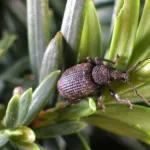 PestBlack Vine WeevilOtiorhynchus sulcatus
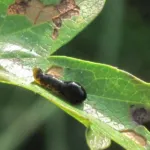 PestPear sawfly (pear slug)Caliroa cerasi
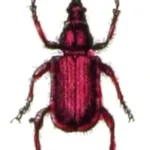 PestPeach weevilRhynchites bacchus
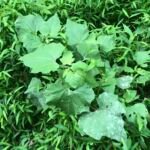 DiseaseCucurbit Powdery MildewPodosphaera xanthii (Castagne) U. Braun & Shishkoff
Toxicity and pollen
Reliable species-specific toxicity evidence for Geranium nodosum is limited. Do not automatically apply poisoning data for scented or florist geraniums, which commonly refer to Pelargonium species. As a precaution, avoid deliberate ingestion and monitor children or pets that chew unfamiliar plants; seek professional advice if significant ingestion occurs.
- Pollination / pollen
- Insect-dispersed floral pollen
Geranium nodosum is an insect-pollinated flowering plant, so its pollen is generally presented within flowers rather than released in large windborne clouds. However, species-specific US aeroallergen monitoring or clinical allergy evidence was not located, so airborne allergy risk remains unknown rather than being classified as zero.
Native habitat
The species is native to southern Europe, from northeastern Spain through France, Italy, Corsica, and parts of the northwestern Balkan Peninsula. It is associated with temperate conditions and is suited to woodland-edge situations where soil is moderately fertile, moist, and well drained. It is not native to the United States.
Interesting fact
The species name nodosum refers to its knotted or jointed stems. It is accepted as a distinct species and has several historical heterotypic synonyms. Unlike many sun-loving hardy geraniums, it is notably useful in full shade as well as sun and partial shade.
Frequently asked questions (FAQ)
The most relevant questions about this plant, with short and direct answers.
🌱Quick care
What is Geranium nodosum commonly called?⌄
Geranium nodosum is commonly called Knotted Crane's-bill. It is a hardy herbaceous perennial in the cranesbill group, not the tender annual bedding geranium commonly sold for containers.
Is Geranium nodosum easy to grow?⌄
Yes, Geranium nodosum is generally easy to grow once established. It tolerates sun, partial shade, and full shade as long as the soil is not waterlogged.
How much light does Geranium nodosum need?⌄
Geranium nodosum grows in full sun, partial shade, or full shade. Flowering is usually stronger with some light, while deep shade produces a useful foliage plant but may reduce blooms.
How often should I water Geranium nodosum?⌄
Water Geranium nodosum when the soil surface begins to dry, keeping the root zone moderately moist. Established plants tolerate short dry periods, but prolonged drought can reduce flowering and vigor.
🌤️Environment and placement
Can Geranium nodosum grow in full shade?⌄
Yes, Geranium nodosum is one of the more shade-tolerant hardy cranesbills. In full shade, provide reasonably fertile, moisture-retentive soil and expect fewer flowers than plants receiving partial sun.
Can Geranium nodosum grow in full sun?⌄
Yes, Geranium nodosum can grow in full sun if the soil stays moderately moist. In hot, dry climates, afternoon shade and a layer of organic mulch can help prevent stress.
What is the best soil for Geranium nodosum?⌄
The best soil is moderately fertile, moist but well-drained loam. Geranium nodosum can also grow in clay, sand, or chalk, provided the soil does not remain saturated.
Does Geranium nodosum tolerate clay soil?⌄
Yes, Geranium nodosum can tolerate clay soil. Improve very dense clay with organic matter and avoid planting where winter or irrigation water collects.
Is Geranium nodosum suitable for woodland gardens?⌄
Yes, Geranium nodosum is well suited to woodland gardens, shaded borders, and areas beneath open trees. It performs best where the soil is humus-rich, evenly moist, and drained rather than swampy.
How large does Geranium nodosum get?⌄
Geranium nodosum typically reaches about 4 to 20 inches tall and spreads about 4 to 20 inches. Its loose, spreading habit makes it useful near paths, in borders, and as light ground cover.
💧Care and problems
Why is my Geranium nodosum not flowering?⌄
Poor flowering is commonly caused by deep shade, drought, overcrowding, or excessive nitrogen. Move or thin the plant only if needed, keep the soil evenly moist, and give it brighter light when practical.
Should I fertilize Geranium nodosum?⌄
Geranium nodosum usually needs little fertilizer in reasonably fertile soil. If growth is weak, apply a modest balanced fertilizer or compost in spring rather than repeated high-nitrogen feeding.
What pests attack Geranium nodosum?⌄
Geranium nodosum may be affected by slugs, snails, vine weevil, and geranium sawfly. Inspect foliage regularly and use locally appropriate controls if damage becomes significant.
What diseases affect Geranium nodosum?⌄
Possible problems include powdery mildew, downy mildew, and virus symptoms. Good spacing, moderate watering at the soil line, and removal of badly affected foliage can reduce disease pressure.
Does Geranium nodosum spread aggressively?⌄
Geranium nodosum can self-seed and may become a nuisance if seedlings are not managed, but it is generally controllable in garden conditions. Remove unwanted seedlings or spent seed heads before seed dispersal.
🪴Planting and repotting
When should I plant Geranium nodosum in the United States?⌄
Plant Geranium nodosum in spring or early fall, when temperatures are moderate and the soil is workable. Fall planting should be done early enough for roots to establish before the ground freezes.
How do I plant Geranium nodosum?⌄
Plant it at the same depth as it was growing in its nursery container, then water thoroughly. Space plants about 12 to 20 inches apart, adjusting the distance according to the desired coverage.
Can Geranium nodosum grow in containers?⌄
Yes, Geranium nodosum can grow in a container with drainage holes and a moisture-retentive but well-drained potting mix. Containers dry out faster than garden soil, so check moisture regularly during warm weather.
✂️Propagation and pruning
How do I propagate Geranium nodosum by division?⌄
Divide Geranium nodosum in spring by lifting the clump and separating rooted sections with shoots attached. Replant the divisions promptly at their original depth and keep them evenly moist while they establish.
Can Geranium nodosum be grown from seed?⌄
Yes, Geranium nodosum can be propagated from seed. Sow fresh seed when ripe or provide a suitable period of cool, moist conditions, and expect seedlings to vary if they came from named cultivars.
Can Geranium nodosum be propagated from cuttings?⌄
Yes, Geranium nodosum can be propagated from basal cuttings taken in early to mid-spring. Rooting is more reliable in a clean medium with bottom heat and consistently moderate moisture.
Should I cut back Geranium nodosum after flowering?⌄
Yes, remove spent flowering stems and old leaves after flowering to encourage fresh foliage and potentially more blooms. A light cleanup is usually preferable to cutting into the crown or removing healthy leaves unnecessarily.
⚠️Toxicity and safety
Is Geranium nodosum toxic to cats, dogs, or people?⌄
A species-specific toxicity classification for Geranium nodosum is unavailable. Because ingestion safety is uncertain, prevent pets and children from consuming it and contact a veterinarian or poison-control service if ingestion occurs.
🌸Flowering and special interest
When does Geranium nodosum bloom?⌄
Geranium nodosum generally blooms from late spring into early autumn. The flowers are light pink to pink-purple with darker veining, although timing varies with climate, light, and growing conditions.
What do Geranium nodosum flowers look like?⌄
The flowers are about 1 inch wide, five-petaled, and usually light pink with darker veins. They are held in loose clusters above glossy, three-lobed foliage.
Is Geranium nodosum a good ground cover?⌄
Yes, Geranium nodosum can serve as light ground cover in shaded or partially shaded beds. It forms a spreading clump rather than a dense, fast carpet, so combine it with mulch or other compatible plants while it fills in.
Is Geranium nodosum deciduous?⌄
Yes, Geranium nodosum is a deciduous herbaceous perennial. Its stems and foliage die back in colder conditions, then return from the crown when growth resumes.
Similar plants
 Azure Monkshood (Aconitum carmichaelii) care guideAconitum carmichaelii
 Monkshood (Aconitum ‘Stainless Steel’)Aconitum 'Stainless Steel'
 Monkshood (Aconitum ‘Bressingham Spire’)Aconitum 'Bressingham Spire'
 Golden full moon maple (Acer shirasawanum ‘Aureum’)Acer shirasawanum 'Aureum'
 Globosum (Acer platanoides ‘Globosum’)Acer platanoides 'Globosum'
 Striped maple (Acer pensylvanicum) care guideAcer pensylvanicum