
 Source:
 Dianthus allwoodii short overview
Dianthus allwoodii, commonly known as an Allwood pink hybrid, is a variable garden group derived from crosses involving carnations and old-fashioned pinks. It forms compact clumps of blue-green, narrow foliage and produces frilled flowers in shades from white and pink to salmon, red, or purple, often with a pleasant fragrance. Cultivars differ greatly in height, flower form, reblooming, and cold tolerance, so plant labels remain important when choosing one for a U.S. garden.
Taxonomic classification
Dianthus allwoodii care guide
Light and placement
Grow in full sun, ideally with at least 6 hours of direct light and an open orientation that dries foliage quickly. In very hot U.S. climates, light afternoon shade can reduce heat stress. Too little light causes floppy stems, sparse flowering, and greener, softer growth; excessive reflected heat with drought can scorch foliage and shorten flower life.
Watering and humidity
Water deeply when the upper inch of soil has dried, then allow excess water to drain completely. During active summer growth, container plants may need watering more often than in-ground plants. Reduce watering in cool weather and winter, especially in heavy soil. Keep water off dense foliage where possible and never leave pots standing in water.
Soil and growing medium
Use a porous, sharply drained soil or container mix. Sandy or gravelly loam is preferable; heavy clay should be amended or avoided because winter wetness encourages crown and root problems. Most horticultural guidance places Allwood hybrids in neutral to slightly acidic soil, although individual cultivars may tolerate a broader range.
Feeding
Apply a thin layer of compost or a balanced, slow-release fertilizer in spring as growth begins. Do not overfeed: excessive nitrogen produces soft foliage and fewer flowers. Container plants may receive a diluted balanced fertilizer during active growth, but stop feeding as flowering declines and before winter dormancy.
Growth and habit
Plants usually form dense, cushion-like clumps with upright flowering stems. Cultivars vary from compact edging selections to taller, more open forms. Remove spent flower stems promptly to keep the plant tidy and encourage additional flowering; divide when the center becomes sparse or woody.
Planting and repotting
Plant nursery starts in spring after severe freezes or in early fall, allowing roots to establish before winter. Set the crown level with the surrounding soil, never burying the central growth point. Space according to cultivar size, generally 8–18 inches apart, and provide gravel mulch rather than moisture-holding organic mulch around the crown.
Repot container plants in spring when roots fill the pot, moving only one container size larger. Refresh compacted mix and keep the crown at the same level. Choose a pot with generous drainage holes; avoid oversized containers that stay wet for long periods.
Propagation and pruning
Propagation
Divide established clumps in spring or early fall, ensuring each division has healthy roots and shoots. Stem cuttings can be taken from nonflowering shoots and rooted in a free-draining medium. Seed is possible, but seedlings may not reproduce named-cultivar traits faithfully.
Pruning
Deadhead after the first flush of flowers. A light shear can encourage rebloom and maintain a compact shape, but leave enough green foliage for recovery. Remove damaged or diseased leaves as needed. In late fall, avoid cutting so low that water collects in the crown.
Overwintering
In Zones 5–6, use sharply drained soil and avoid wet winter mulch around the crown. A light layer of gravel or a very airy winter cover can reduce heaving without trapping moisture. Container plants are more exposed to cold; move them to a sheltered, unheated location or protect the pot after dormancy begins.
Uses
Useful for sunny borders, edging, rock gardens, gravel gardens, containers, balcony planters, and informal cut-flower arrangements. Fragrant cultivars suit sensory gardens and cottage-style plantings. Do not use flowers as edible garnishes unless a specific cultivar is confirmed pesticide-free and documented for culinary use.
Appearance
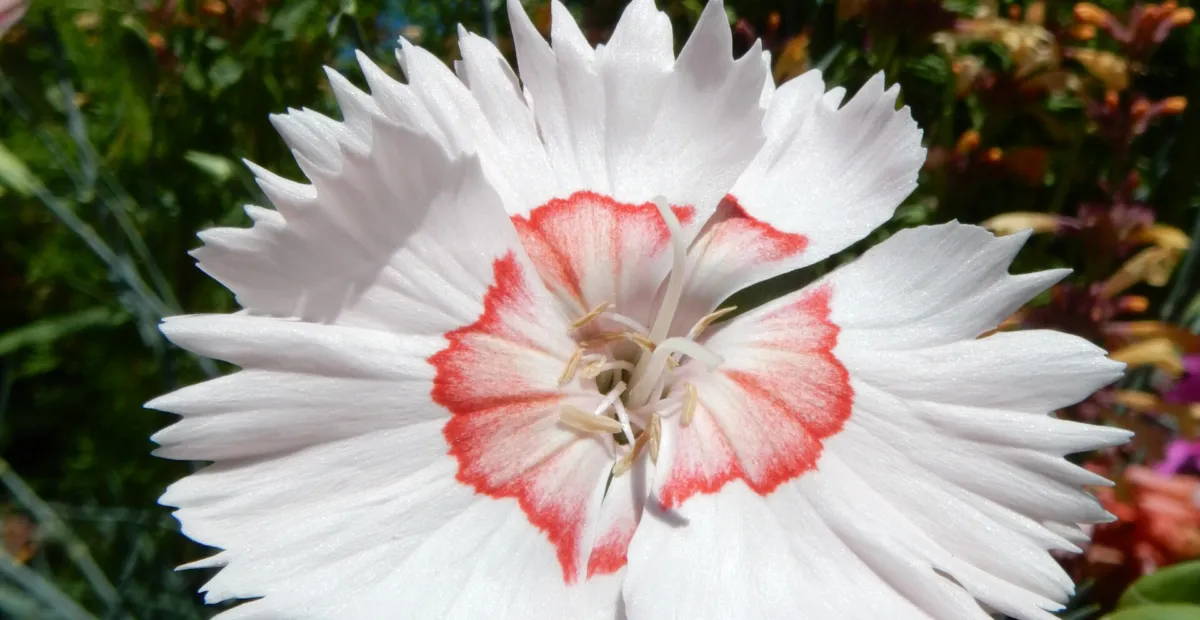
The plant has narrow, opposite, blue-green to gray-green leaves arranged on slender, often branching stems. Flowers are held above the foliage and typically show five petals with toothed or fringed margins, though double cultivars may obscure the basic structure. The combination of glaucous foliage and frilled flowers is characteristic of garden dianthus hybrids.
Flowering
Allwood hybrids produce terminal, usually solitary flowers with toothed or fringed petals. Bloom commonly begins in late spring or early summer and may continue through summer; many cultivars produce a second flush after spent flowers are removed. Flower size, doubleness, color, and fragrance vary widely among named selections.
Pollination and visitors
Open or lightly double flowers may be visited by butterflies and other insects. Very double cultivars can provide less accessible nectar and pollen. Visitor activity is most likely during the main flowering period in warm, sunny weather.
Dianthus allwoodii photos
Click any photo for a larger view. Source, author and license are shown separately.
Diseases and pests
Diseases
Poor drainage can lead to crown rot and root rot; rust and leaf-spot diseases may occur, especially in humid conditions. Give plants airflow, water at the base, remove diseased foliage, and avoid persistent wetness. Replace severely rotted plants rather than repeatedly replanting the same site.
Pests
Slugs, snails, sowbugs, grasshoppers, and occasionally browsing mammals may damage foliage or flowers. Reduce hiding places, hand-pick pests, use barriers where appropriate, and avoid keeping the crown constantly moist. Inspect new plants for aphids or spider mites, particularly during hot, dry weather.
Related diseases and pests
Only Plant Doctor profiles whose host data indicate this plant may be affected are shown here.
 PestMelon thripsThrips palmi Karny
 PestEuropean Grapevine MothLobesia botrana
 DiseaseImpatiens necrotic spot virus diseaseImpatiens necrotic spot orthotospovirus
 DiseaseFusarium wiltFusarium oxysporum species complex
 DiseaseGray MoldBotrytis cinerea
 DiseaseAlternaria leaf spot and fruit rotAlternaria alternata
 DiseasePhytophthora root and crown rotPhytophthora nicotianae
Toxicity and pollen
Dianthus plants are listed by ASPCA under the common group “pinks” as toxic to dogs and cats. Reported effects are generally gastrointestinal upset after ingestion, with possible mild irritation. Evidence specific to every Allwood hybrid is limited, so prevent pets and children from chewing the plant and seek veterinary or medical advice after significant ingestion.
- Typical season
- Late spring through summer
- Pollination / pollen
- Insect-dispersed pollen
As an insect-pollinated garden dianthus, its pollen is not typically dispersed in large airborne clouds like wind-pollinated grasses or trees. Individual sensitivity is still possible, and handling flowers may expose susceptible people to pollen or fragrance. No reliable species-specific U.S. allergy rating was found.
Native habitat
This is a cultivated hybrid group rather than a naturally occurring wild species with one defined native habitat. Its parentage reflects European garden pinks and carnations. In cultivation it performs best in sunny, open sites with mineral, well-drained soil and relatively dry crowns during winter.
Interesting fact
The name refers to the Allwood hybrid group rather than one uniform modern cultivar. Allwood hybrids combine characteristics associated with old-fashioned pinks and carnations. Their narrow blue-green foliage can remain attractive outside the flowering period. Named selections range from low edging plants to taller cut-flower types.
Frequently asked questions (FAQ)
The most relevant questions about this plant, with short and direct answers.
🌱Quick care
What is Dianthus allwoodii?⌄
Dianthus allwoodii is a group of fragrant, clump-forming hybrid pinks related to carnations. It is grown as a compact perennial for fringed flowers and blue-gray foliage.
Is Dianthus allwoodii perennial?⌄
Yes, Dianthus allwoodii is generally grown as a herbaceous perennial. Longevity varies by cultivar and climate, and plants may need division or replacement after several years.
How much sun does Dianthus allwoodii need?⌄
Give Dianthus allwoodii at least 6 hours of direct sun daily. In hot climates, light afternoon shade can reduce heat stress without greatly reducing flowering.
How often should I water Dianthus allwoodii?⌄
Water Dianthus allwoodii when the soil has dried slightly, giving it a thorough soaking rather than frequent light watering. Reduce watering in cool or rainy weather because soggy roots can cause crown or root rot.
What soil is best for Dianthus allwoodii?⌄
Use sandy or gravelly, well-drained loam for Dianthus allwoodii. Neutral to slightly alkaline soil is commonly preferred, although the plant can tolerate moderately fertile, well-drained garden soil.
🌤️Environment and placement
What USDA zones can grow Dianthus allwoodii outdoors?⌄
Many Dianthus allwoodii cultivars grow outdoors in USDA Zones 5–9, but hardiness varies by cultivar. Check the plant label because some named selections are rated for colder or warmer zones.
Can Dianthus allwoodii grow in afternoon shade?⌄
Yes, Dianthus allwoodii can tolerate light afternoon shade, especially in hot regions. Too much shade usually produces weaker stems and fewer flowers.
Can Dianthus allwoodii grow in containers?⌄
Yes, Dianthus allwoodii grows well in containers with drainage holes and a fast-draining potting mix. Choose a pot only slightly larger than the root ball and never allow the container to stand in water.
Is Dianthus allwoodii good for rock gardens?⌄
Yes, Dianthus allwoodii is well suited to rock gardens, gravel beds, raised borders, and slopes. These locations match its preference for sun and sharply drained soil.
How far apart should Dianthus allwoodii be planted?⌄
Space Dianthus allwoodii about 9–18 inches apart, depending on the cultivar’s mature spread. Adequate spacing improves air circulation and helps reduce leaf-spot problems.
💧Care and problems
Why is my Dianthus allwoodii turning yellow?⌄
Yellowing commonly results from overwatering, poor drainage, or crowded, humid conditions. Let the soil dry slightly between waterings and check the roots for rot before watering again.
Why is Dianthus allwoodii dying at the crown?⌄
Crown decline is often caused by wet soil, poor drainage, or mulch resting against the plant’s center. Move or replant it in a raised, sharply drained site and keep the crown at soil level.
What pests attack Dianthus allwoodii?⌄
Slugs, snails, aphids, and occasional grasshoppers may feed on Dianthus allwoodii. Remove debris, improve airflow, and inspect new growth regularly so problems are treated early.
What diseases affect Dianthus allwoodii?⌄
Leaf spot, rust, powdery mildew, and crown or root rot can affect Dianthus allwoodii, particularly in humid or poorly drained conditions. Water at the soil line, avoid crowding, and remove diseased foliage.
Does Dianthus allwoodii need fertilizer?⌄
Dianthus allwoodii usually needs only light feeding in spring if it is growing in reasonably fertile soil. Avoid excessive nitrogen, which can encourage soft foliage at the expense of flowers.
🪴Planting and repotting
When should I plant Dianthus allwoodii?⌄
Plant Dianthus allwoodii in spring after severe freezes have passed or in early fall at least several weeks before the ground freezes. Fall planting is useful in mild-winter areas when the soil remains workable.
How do I plant Dianthus allwoodii in the ground?⌄
Set Dianthus allwoodii with the crown level with the surrounding soil and loosen the soil around the root ball. Water thoroughly after planting, then allow the surface to dry slightly between waterings.
Can Dianthus allwoodii be grown indoors?⌄
Dianthus allwoodii can be started indoors from seed or cuttings, but it is generally better grown outdoors long term. Indoor plants need strong direct light, excellent drainage, and good air circulation.
Does Dianthus allwoodii need winter protection?⌄
Established Dianthus allwoodii usually survives winter in its rated USDA zones without heavy protection. In colder areas, use a light, loose winter covering after the ground freezes and remove it as growth resumes.
✂️Propagation and pruning
How do you propagate Dianthus allwoodii?⌄
Propagate Dianthus allwoodii by softwood cuttings, division, or sometimes seed. Cuttings and division are preferred when you want offspring that retain the characteristics of a named cultivar.
Can Dianthus allwoodii be grown from seed?⌄
Yes, Dianthus allwoodii can sometimes be grown from seed, but seedlings may not look exactly like the parent plant because many selections are hybrids. Named cultivars are more reliably reproduced from cuttings or division.
When should Dianthus allwoodii be divided?⌄
Divide Dianthus allwoodii in spring as new growth begins or in early fall. Division every 2–3 years can help rejuvenate crowded plants, although the best interval depends on the cultivar’s vigor.
How do I take cuttings from Dianthus allwoodii?⌄
Take softwood cuttings from healthy, nonflowering shoots in summer and root them in a sterile, well-drained medium. Keep the medium lightly moist and provide bright light without intense midday heat.
Should I deadhead Dianthus allwoodii?⌄
Yes, remove faded flowers from Dianthus allwoodii to keep the plant tidy and encourage additional blooming. Cut each spent stem just above a healthy set of leaves.
How do I prune Dianthus allwoodii?⌄
Deadhead throughout the flowering season, then lightly trim the plant after its main flush of bloom. In spring, remove winter-damaged growth and shape the plant without cutting deeply into old, leafless wood.
⚠️Toxicity and safety
Is Dianthus allwoodii toxic to dogs and cats?⌄
Dianthus allwoodii is considered low toxicity if eaten, but chewing the plant may still cause stomach upset. Keep it away from pets and children, and contact a veterinarian or poison-control service if a large amount is consumed.
🌸Flowering and special interest
When does Dianthus allwoodii bloom?⌄
Dianthus allwoodii commonly blooms from late spring into summer, with some cultivars reblooming later in the season. Regular deadheading and adequate sun improve the chance of extended flowering.
Are Dianthus allwoodii flowers fragrant?⌄
Many Dianthus allwoodii cultivars have a noticeable spicy or clove-like fragrance, but strength varies between selections. Fragrance is often most apparent on warm days.
What colors do Dianthus allwoodii flowers come in?⌄
Dianthus allwoodii flowers may be white, pink, salmon, red, or combinations with contrasting centers and markings. Flower form also varies from single to semi-double or double.
Can Dianthus allwoodii be used as a cut flower?⌄
Yes, taller Dianthus allwoodii cultivars can be used as fragrant cut flowers. Harvest stems when the buds are showing color but have not fully opened, and remove foliage that would sit below the waterline.
Similar plants
 Azure Monkshood (Aconitum carmichaelii) care guideAconitum carmichaelii
 Monkshood (Aconitum ‘Stainless Steel’)Aconitum 'Stainless Steel'
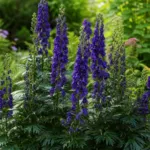 Monkshood (Aconitum ‘Bressingham Spire’)Aconitum 'Bressingham Spire'
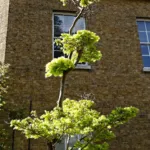 Golden full moon maple (Acer shirasawanum ‘Aureum’)Acer shirasawanum 'Aureum'
 Globosum (Acer platanoides ‘Globosum’)Acer platanoides 'Globosum'
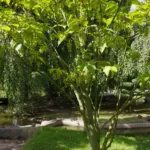 Striped maple (Acer pensylvanicum) care guideAcer pensylvanicum