
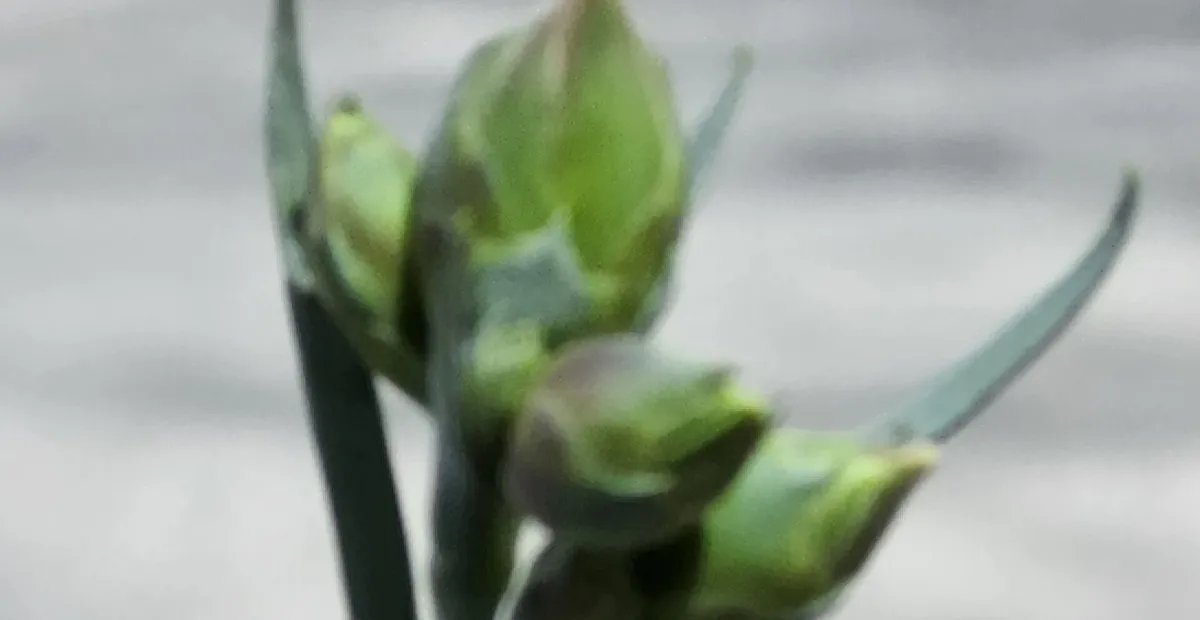
 Source:
 Dianthus ‘Scent First’ short overview
Dianthus 'Scent First' is a fragrant Whetman-bred dianthus collection valued for compact growth, blue-green foliage, repeat flowering and container performance. Because Scent First covers multiple named cultivars, flower color, height and bloom form vary between selections. Grow it in full sun and sharply drained soil, and remove faded flowers to encourage continued flowering through summer. Dianthus 'Scent First' is a Whetman-bred collection of compact, fragrant perennial dianthus selections with blue-green foliage and repeat flowering.
Taxonomic classification
Dianthus ‘Scent First’ care guide
Light and placement
Give full sun, ideally at least 6 hours of direct light, with morning sun and good air movement. A south- or west-facing border, raised bed or open patio is suitable. Too little light produces lanky stems, fewer flowers and weaker fragrance; excessive heat reflected from walls may scorch foliage, especially in containers, so provide afternoon protection in very hot climates.
Watering and humidity
Water deeply when the top inch of soil has dried, then allow excess water to drain completely. Newly planted specimens need more regular watering during their first season; established plants prefer a moderately dry rhythm. Reduce watering in cool weather and winter, and keep water off dense foliage where possible. Humidity itself is tolerable if air circulation and drainage are good.
Soil and growing medium
Use a lean, porous soil mix with excellent drainage. Sandy or gravelly loam is preferable to heavy clay, which can promote crown and root problems. Dianthus generally tolerates neutral to slightly alkaline conditions and benefits from added grit or coarse mineral material in containers. Avoid persistently waterlogged, highly organic substrates.
Feeding
Feed lightly in spring with a balanced slow-release fertilizer or a modest application of compost around, not over, the crown. Container plants may receive a diluted balanced fertilizer during active growth every 3–4 weeks. Stop heavy feeding in late summer and avoid high-nitrogen applications that produce soft, disease-prone growth.
Growth and habit
Plants form tidy, cushion-like clumps of narrow foliage with flowering stems rising above the mound. Regular deadheading helps maintain a neat appearance and promotes repeat flowering. Performance declines when crowns remain wet or plants become crowded, so thinning and renewal are useful in humid or poorly drained sites.
Planting and repotting
Plant in spring after the soil can be worked, or in early fall where plants have time to root before winter. Set the crown level with the surrounding soil. Space according to the selected cultivar, generally about 9–14 inches apart, and water consistently during establishment without saturating the crown.
Repot container plants in spring when roots fill the pot, moving only one pot size larger. Use fresh, sharply drained mix and keep the crown at the same level. Avoid oversized containers, which stay wet longer and increase root-rot risk.
Propagation and pruning
Propagation
Named cultivars should be propagated from non-flowering cuttings to preserve their characteristics; seed will not come true. Take healthy tip cuttings during active growth, remove lower leaves, place them in a sterile, free-draining medium and maintain even moisture until rooted. Commercial propagation may use tissue culture.
Pruning
Remove spent flowers down to a healthy leaf joint throughout the blooming season. After the main flush, lightly shear or cut back untidy stems while retaining healthy basal foliage. Remove dead or diseased material in late winter or early spring, but avoid cutting into a waterlogged crown.
Overwintering
In Zones 5–9, leave plants outdoors in well-drained soil. Avoid heavy winter mulch over the crown because trapped moisture can cause rot; use a light, airy mulch in cold regions only after the ground freezes. Container plants are more vulnerable to root freezing and should be placed in a sheltered location or overwintered unheated, not warm and dark.
Uses
Use Scent First selections in sunny edging, rock gardens, raised beds, mixed borders, patio pots and balcony containers. Fragrant flowers can be used as small cut flowers where stems are sufficiently long. Do not use the plant as food or for medicine; pet exposure should be limited because Dianthus caryophyllus is listed as irritating to dogs and cats.
Appearance
The collection typically forms dense cushions of narrow, linear, blue-green to silver-green leaves. Slender flowering stems carry conspicuously fringed petals, often in double or rose-like heads, with fragrance strongest in warm conditions. Exact flower color, petal pattern and stem length depend on the named selection.
Flowering
Scent First is a commercial collection rather than one uniform clone, so flowering characteristics differ among named selections. The group is bred for compact, free-flowering performance, strong fragrance and repeat bloom. Deadheading removes developing seed capsules and commonly encourages additional flowers through summer.
Pollination and visitors
Open or semi-open Dianthus flowers can provide pollen and nectar to bees, bumblebees, butterflies, moths and hoverflies. Double flowers may be less accessible than single forms, and the exact visitor mix depends on the named Scent First cultivar and local insect community.
Dianthus 'Scent First' photos
Click any photo for a larger view. Source, author and license are shown separately.
Diseases and pests
Diseases
Prevent crown and root diseases with excellent drainage, good air circulation and careful watering at the soil line. Watch for gray mold during prolonged damp weather, and remove affected tissue promptly. Avoid dense planting and wet winter soils; discard severely rotted plants rather than propagating from them.
Pests
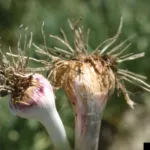
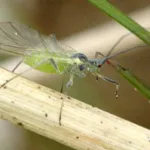
Check new growth for aphids and foliage for spider mites, especially under hot, dry conditions. Slugs may damage young growth in damp gardens. Improve airflow, avoid excess nitrogen and use targeted controls only when monitoring shows a persistent problem.
Related diseases and pests
Only Plant Doctor profiles whose host data indicate this plant may be affected are shown here.

Toxicity and pollen
ASPCA lists pinks and carnations in Dianthus caryophyllus as toxic to dogs and cats, with an unknown irritant principle and possible mild gastrointestinal signs or dermatitis. The exact Scent First series has not been independently assessed in the cited listing, so treat ingestion of plant material as potentially irritating. Keep pets from chewing it and seek veterinary advice after ingestion or symptoms.
- Typical season
- Late spring through summer in most US gardens
- Pollination / pollen
- Heavy, insect-carried pollen; not typically wind-dispersed
Dianthus is primarily insect-pollinated, so its pollen is generally heavier and less readily dispersed through the air than pollen from wind-pollinated trees and grasses. Airborne allergy risk is therefore usually low, but occupational allergy and contact reactions to carnations have been reported. Sensitive gardeners should avoid rubbing the flowers and wear gloves when handling plants.
Native habitat
The exact hybrid parentage and breeding history of the Scent First collection are not consistently published. As cultivated Dianthus hybrids, these plants are adapted to sunny, open garden conditions, mineral-rich well-drained soils and relatively dry crowns rather than woodland or permanently moist habitats.
Interesting fact
Scent First is a branded Whetman collection rather than a single flower color or clone. The collection was bred for fragrance, compact habit and extended flowering. Several selections are suited to containers and have been marketed in both compact pot and taller forms.
Frequently asked questions (FAQ)
The most relevant questions about this plant, with short and direct answers.
🌱Quick care
How much sun does Dianthus 'Scent First' need?⌄
Dianthus 'Scent First' performs best in full sun, ideally with at least 6 hours of direct light daily. In very hot areas, light afternoon shade can help protect flowering and foliage.
How often should I water Dianthus 'Scent First'?⌄
Water Dianthus 'Scent First' when the soil surface has dried slightly, giving it a thorough soak rather than frequent shallow sprinkling. Established plants tolerate some dryness, but prolonged wet soil can cause root or crown problems.
Is Dianthus 'Scent First' a perennial?⌄
Yes, Dianthus 'Scent First' is generally grown as a hardy, evergreen or semi-evergreen perennial in USDA Zones 5–9. Its winter performance depends heavily on sharp drainage, especially in cold or wet regions.
How big does Dianthus 'Scent First' get?⌄
Most Scent First selections form compact mounds about 6–12 inches tall and 9–12 inches wide. Exact size varies among cultivars in the series.
🌤️Environment and placement
Where should I plant Dianthus 'Scent First'?⌄
Plant it in a sunny border, rock garden, edging, raised bed, or container where its fragrance can be enjoyed. Choose a location with excellent air circulation and soil that drains quickly.
Can Dianthus 'Scent First' grow in containers?⌄
Yes, Dianthus 'Scent First' is well suited to containers because it stays compact and flowers freely. Use a pot with drainage holes and a gritty, fast-draining potting mix, and do not let the container sit in water.
What type of soil does Dianthus 'Scent First' need?⌄
It prefers sandy, gravelly, or otherwise sharply drained loam. Dianthus generally handles neutral to mildly alkaline soil well and performs poorly in heavy, waterlogged ground.
Can Dianthus 'Scent First' tolerate heat and drought?⌄
Once established, Dianthus 'Scent First' tolerates short periods of heat and drought reasonably well. It still needs regular watering during its first growing season and may flower less during extreme summer heat.
Is Dianthus 'Scent First' hardy in USDA Zone 5?⌄
Scent First dianthus selections are commonly rated hardy through USDA Zone 5. In Zone 5 and other cold areas, winter survival is most reliable when the crown is kept out of saturated soil.
💧Care and problems
Why is my Dianthus 'Scent First' turning yellow?⌄
Yellowing most often results from overwatering, poor drainage, insufficient light, or aging foliage. Check that excess water can escape freely and allow the soil surface to dry slightly between waterings.
What are common problems with Dianthus 'Scent First'?⌄
Common problems include leaf spots, crown or root rot, aphids, and spider mites. Good spacing, full sun, careful watering, and sharp drainage reduce the risk of most issues.
Does Dianthus 'Scent First' need fertilizer?⌄
Feed Dianthus 'Scent First' lightly in spring with a balanced or slow-release fertilizer, especially when growing in poor soil or containers. Avoid excessive nitrogen, which can produce soft foliage at the expense of flowers.
How do I keep Dianthus 'Scent First' blooming?⌄
Deadhead spent flowers regularly and provide full sun, moderate water, and light feeding during active growth. Some selections can rebloom after the first flush when lightly trimmed.
🪴Planting and repotting
When should I plant Dianthus 'Scent First' in the United States?⌄
Plant Dianthus 'Scent First' in spring after the danger of hard frost has passed, or in early fall while the soil remains workable. Fall planting should be early enough for roots to establish before the ground freezes.
How far apart should I plant Dianthus 'Scent First'?⌄
Space plants about 10–12 inches apart, adjusting slightly for the mature width of the specific selection. Good spacing improves airflow and helps prevent leaf-spot problems.
How do I plant Dianthus 'Scent First' in the ground?⌄
Set the plant with its crown level with the surrounding soil, backfill with well-drained soil, and water thoroughly. Avoid burying the crown or adding thick, moisture-holding mulch directly around it.
Can Dianthus 'Scent First' grow in clay soil?⌄
It can grow in amended clay only if drainage is substantially improved. Planting in a raised bed or container with added grit is usually safer than placing it in persistently wet clay.
✂️Propagation and pruning
Can I grow Dianthus 'Scent First' from seed?⌄
You can grow dianthus from seed, but named Scent First cultivars may not come true because they are hybrids. For an identical replacement, use vegetative propagation and observe any applicable plant-patent restrictions.
How do I propagate Dianthus 'Scent First' from cuttings?⌄
Take nonflowering shoots during active growth, remove the lower leaves, and root them in a sterile, gritty medium kept lightly moist. Success is generally better from healthy young shoots than from old, woody stems.
Can Dianthus 'Scent First' be divided?⌄
Established clumps can sometimes be divided when they become crowded or thin in the center, preferably in spring or early fall. Division is less commonly used than cuttings for maintaining a named cultivar.
Should I cut back Dianthus 'Scent First' after flowering?⌄
Yes, remove spent flower stems and lightly trim the foliage after the main bloom to keep the mound compact and encourage fresh growth. Avoid cutting deeply into the woody crown.
Do I need to prune Dianthus 'Scent First' for winter?⌄
Heavy winter pruning is not usually necessary because the foliage can remain evergreen or semi-evergreen. Remove damaged or untidy growth in spring, especially after severe cold or wet weather.
⚠️Toxicity and safety
Is Dianthus 'Scent First' toxic to dogs or cats?⌄
Dianthus may cause irritation or stomach upset if pets chew or ingest it, so it is best treated as potentially irritating. Contact a veterinarian or pet poison service if a pet eats a substantial amount or develops symptoms.
Are Dianthus 'Scent First' flowers edible?⌄
Dianthus petals are sometimes used as edible garnishes, but only flowers grown without pesticides or other unsafe chemicals should be considered for consumption. Remove the bitter white base of the petal and use only small amounts.
🌸Flowering and special interest
When does Dianthus 'Scent First' bloom?⌄
Most Scent First selections bloom from late spring into summer and may rebloom later when deadheaded. Bloom timing varies with the specific cultivar, winter conditions, and regional climate.
Are Dianthus 'Scent First' flowers fragrant?⌄
Yes, fragrance is a defining feature of the Scent First series, with many selections producing a sweet or spicy clove-like scent. Fragrance is strongest in warm weather and when plants are grown in full sun.
Why is my Dianthus 'Scent First' not flowering?⌄
Lack of flowers is commonly caused by too little sun, excessive nitrogen, overly wet soil, or stress from heat or transplanting. Move container plants to brighter light and avoid heavy feeding or frequent irrigation.
Can I use Dianthus 'Scent First' as a cut flower?⌄
Yes, its fragrant blooms can be used in small bouquets and posies. Cut stems when some flowers are open but before the entire spray has fully matured, and place them in clean water promptly.
Does Dianthus 'Scent First' attract bees and butterflies?⌄
The flowers can attract bees and butterflies, particularly when planted in sunny locations. Double flowers may provide less accessible nectar than single flowers, so pollinator value varies among selections.
Similar plants
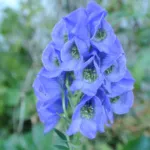 Azure Monkshood (Aconitum carmichaelii) care guideAconitum carmichaelii
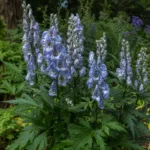 Monkshood (Aconitum ‘Stainless Steel’)Aconitum 'Stainless Steel'
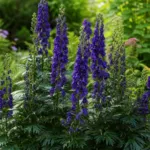 Monkshood (Aconitum ‘Bressingham Spire’)Aconitum 'Bressingham Spire'
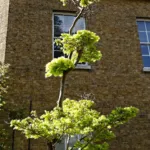 Golden full moon maple (Acer shirasawanum ‘Aureum’)Acer shirasawanum 'Aureum'
 Globosum (Acer platanoides ‘Globosum’)Acer platanoides 'Globosum'
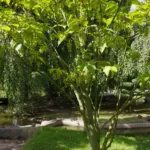 Striped maple (Acer pensylvanicum) care guideAcer pensylvanicum