
 Source:
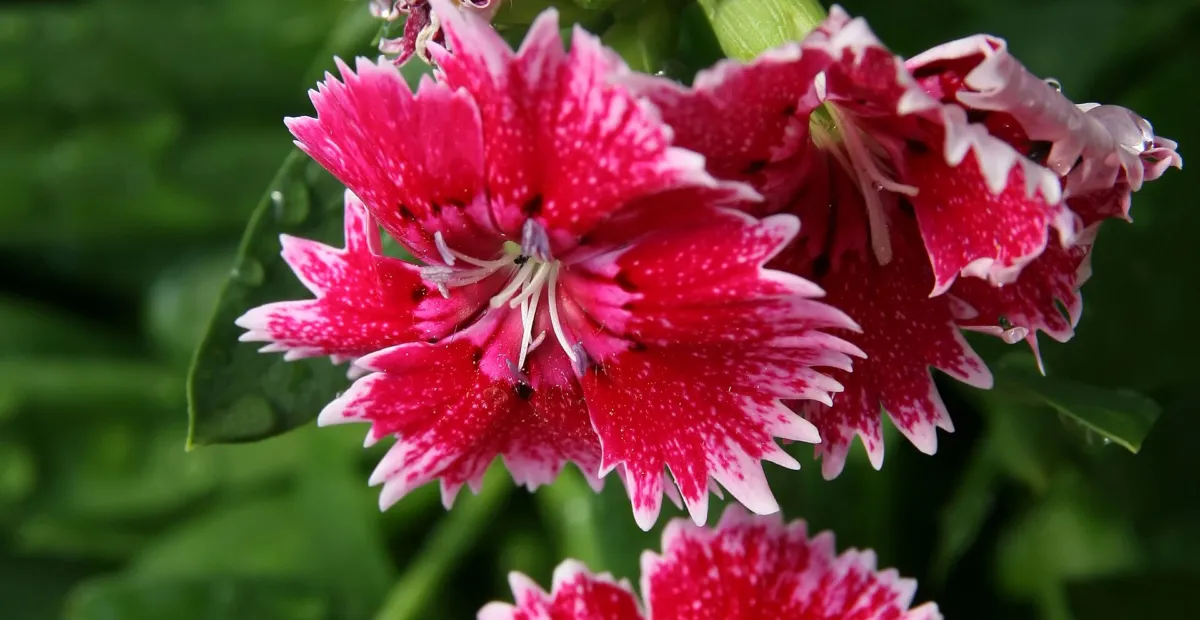
 Ainbow pink or China pink (Dianthus chinensis) short overview
Rainbow pink or China pink is a compact Dianthus with blue-green foliage and fringed flowers in pink, red, white, and frequent bicolored combinations. In United States gardens it is most often grown as a cool-season annual, although plants may overwinter in mild climates or protected sites. Give it full sun, excellent drainage, moderate water, and good air circulation. Regular deadheading can keep new flowers coming through the cooler parts of the growing season.
Taxonomic classification
Ainbow pink or China pink (Dianthus chinensis) care guide
Light and placement
Choose a site receiving at least 6 hours of direct sun, ideally with morning-to-afternoon exposure and some protection from the hottest late-day heat in warm climates. Plants may tolerate light partial shade, but too little light produces weaker stems and fewer flowers. Scorched foliage, faded flowers, or rapid midday wilt can indicate excessive heat or drying.
Watering and humidity
Water deeply when the top inch of soil feels dry, directing water to the base rather than over the foliage. Keep newly planted specimens evenly moist while roots establish, then use a moderate rhythm and allow slight surface drying between waterings. Reduce watering during cool, wet weather and avoid saturated soil, which promotes crown and root problems.
Soil and growing medium
Use a loose, sharply drained garden soil or quality container mix. Loam or sandy loam is suitable; avoid persistently wet clay and sites where water stands after rain. A near-neutral to slightly alkaline reaction is generally tolerated. In containers, use drainage holes and do not let the pot sit in a saucer of water.
Feeding
Mix a modest amount of finished compost into the planting area before planting. If growth is weak, apply a balanced, water-soluble fertilizer at half strength during active growth, or use a light controlled-release feeding in containers. Avoid heavy nitrogen, which can produce soft foliage and fewer flowers. Stop feeding when plants are dormant or heat-stressed.
Growth and habit
Plants form a dense, generally rounded to mounding clump with upright flowering stems. They perform best during cool spring and fall conditions and may decline or stretch during intense summer heat. Deadheading maintains a tidier habit and redirects energy toward additional flowering.
Planting and repotting
Set nursery plants out in spring after severe freezes, or in early fall where winters are mild enough for establishment. Space plants about 6–12 inches apart according to cultivar size. Plant at the same depth as the original container and water thoroughly once; keep evenly moist while roots establish, then allow the surface to dry slightly between waterings.
Repot container plants only when roots have filled the pot or drainage has declined. Move them into fresh, well-drained mix during cool weather, keeping the crown at the same depth. Avoid oversized pots, which remain wet longer and increase the risk of root and stem problems.
Propagation and pruning
Propagation
Sow seed indoors 6–8 weeks before the last spring frost or directly outdoors when conditions are cool. Press seed lightly into the surface because light can aid germination, then transplant seedlings after hardening off. Stem cuttings are possible from healthy nonflowering shoots but are less commonly used for the species than seed.
Pruning
Remove spent flowers regularly to encourage continued bloom and prevent unwanted seed production. After the main flush, shear lightly to tidy the plant and promote fresh growth, but do not cut into a wet crown or remove all foliage during heat stress.
Overwintering
In Zones 6–9, some plants may survive winter in a sheltered, sharply drained site, but survival is inconsistent among cultivars. After hard frost, remove diseased material and apply a light mulch only after the soil cools. In colder regions, treat the plant as an annual or overwinter young plants in a bright, cool location.
Uses
Useful for borders, edging, rock gardens, window boxes, patio containers, mass bedding, and some cut-flower use. Taller selections are more suitable for cutting. Do not use treated ornamental plants as food, and do not assume pet safety because the flowers are commonly sold as bedding plants.
Appearance
Leaves are opposite, narrow, entire, and blue-green to green, with a slightly waxy appearance. Slender stems rise from a dense basal clump. Flowers are usually held above the foliage and have conspicuously fringed or toothed petal margins, often with contrasting eyes or bicolored patterns.
Flowering
The flowers are five-parted and commonly have fringed or toothed petals. Bloom is concentrated in spring and early summer, with continued flowering into summer or fall when plants remain cool and are deadheaded. Heat can cause plants to slump or pause, especially in humid regions.
Pollination and visitors
Open, showy flowers may be visited by bees and butterflies, although the strength of attraction depends on cultivar, flower form, weather, and the surrounding plant community. Avoid broad-spectrum insecticide applications during bloom to protect visiting insects.
Dianthus chinensis photos
Click any photo for a larger view. Source, author and license are shown separately.
Diseases and pests
Diseases
Poor drainage and wet foliage can encourage root rot, crown or stem rot, and leaf-spot problems. Plant in well-drained soil, avoid overhead irrigation, provide air circulation, and remove badly affected material. Do not overwater stressed plants, and sanitize containers before reuse.
Pests
Aphids, thrips, mites, and caterpillar budworms may affect foliage, buds, or flowers. Inspect new growth and flower buds regularly; remove small infestations by hand or use a targeted, label-approved treatment. For caterpillars, Bt can be useful when applied according to the product label. Avoid spraying open flowers when pollinators are active.
Related diseases and pests
Only Plant Doctor profiles whose host data indicate this plant may be affected are shown here.
 PestMelon thripsThrips palmi Karny
 PestEuropean Grapevine MothLobesia botrana
 DiseaseImpatiens necrotic spot virus diseaseImpatiens necrotic spot orthotospovirus
 DiseaseFusarium wiltFusarium oxysporum species complex
 DiseaseGray MoldBotrytis cinerea
 Environmental stressPoor drainage stress (waterlogging)
 DiseaseAlternaria leaf spot and fruit rotAlternaria alternata
 Environmental stressOverwatering
Toxicity and pollen
Dianthus plants are not generally considered highly poisonous, but eating plant material can irritate the mouth or digestive tract. Pet references commonly flag Dianthus as capable of causing mild gastrointestinal upset or skin irritation. Keep plant material away from pets and children who chew plants, and seek veterinary or medical advice after significant ingestion.
- Typical season
- During flowering, generally spring through fall in the United States.
- Pollination / pollen
- Insect-carried pollen; limited airborne dispersal
Dianthus chinensis is insect-pollinated, so its pollen is not typically dispersed in large airborne clouds like wind-pollinated grasses or trees. Nevertheless, sensitive people may react to flower contact or pollen exposure, and individual allergy responses vary. Keep expectations at low rather than zero risk.
Native habitat
The species occurs naturally in temperate parts of northern China, Korea, Mongolia, and southeastern Russia. It is associated with open, sunny habitats and soils that drain freely, rather than shaded or permanently waterlogged sites. Garden performance reflects its preference for cool conditions and good drainage.
Interesting fact
The species is native to parts of northern China, Korea, Mongolia, and southeastern Russia. Modern garden strains were selected for compact growth, early flowering, broad color range, and improved performance. Unlike florist carnations, Dianthus chinensis is commonly treated as a cool-season bedding plant in the United States.
Frequently asked questions (FAQ)
The most relevant questions about this plant, with short and direct answers.
🌱Quick care
What is ainbow pink or China pink (Dianthus chinensis)?⌄
Ainbow pink or China pink is a compact Dianthus grown for fringed flowers in pink, red, white, and related shades. It is commonly treated as a hardy annual, biennial, or short-lived perennial depending on the cultivar and climate.
How much sun does Dianthus chinensis need?⌄
Dianthus chinensis grows best in full sun, with at least 6 hours of direct light daily. In hot climates, light afternoon shade can help protect plants from heat stress.
How often should I water China pink?⌄
Water China pink when the top inch of soil feels dry, keeping moisture moderate rather than constantly wet. Reduce watering during cool or rainy periods and avoid letting the soil remain saturated.
What soil is best for Dianthus chinensis?⌄
Use well-drained loam or sandy loam with moderate fertility. Good drainage is especially important because wet soil can encourage crown, root, and stem problems.
🌤️Environment and placement
Can Dianthus chinensis grow in partial shade?⌄
Yes, Dianthus chinensis tolerates partial shade, but it generally flowers more heavily in full sun. Afternoon shade is useful in regions with hot summers.
Is China pink suitable for containers?⌄
Yes, China pink grows well in containers filled with a quality, well-draining potting mix. Choose a pot with drainage holes and water when the surface begins to dry.
Does Dianthus chinensis tolerate heat and humidity?⌄
Dianthus chinensis prefers cool conditions and may decline during prolonged hot, humid summers. In warm regions, grow it as a cool-season annual and provide afternoon shade and excellent drainage.
What USDA hardiness zones can grow Dianthus chinensis?⌄
Dianthus chinensis is commonly grown in USDA Zones 6 through 9, although results vary by cultivar and winter conditions. In colder or hotter areas, it is often grown as an annual.
Can China pink survive winter?⌄
China pink may overwinter in mild climates or with light protection, but reliable survival is not guaranteed. Treat it as an annual where winters are severe or summers are consistently hot and humid.
💧Care and problems
Should I deadhead Dianthus chinensis?⌄
Yes, remove faded flowers to encourage more blooms and keep the plant tidy. Leave a few seed heads if you want the plant to self-sow.
Why is my China pink turning yellow?⌄
Yellowing commonly results from overwatering, poor drainage, root damage, or insufficient light. Check that the soil drains freely, allow the surface to dry slightly, and move the plant to a brighter location if needed.
Why is my Dianthus chinensis wilting in wet soil?⌄
Wilting in wet soil often indicates root or crown damage rather than a need for more water. Improve drainage, remove severely affected growth, and avoid watering until the soil surface dries.
What pests attack China pink?⌄
Slugs and snails may damage China pink, especially in shady, consistently moist areas. Good air circulation, drier foliage, and hand removal or appropriate controls can reduce damage.
What diseases affect Dianthus chinensis?⌄
Crown rot, root rot, rust, and other fungal problems can affect Dianthus chinensis, particularly in poorly drained or overcrowded plantings. Water at the soil line, provide air circulation, and remove diseased material.
🪴Planting and repotting
When should I plant Dianthus chinensis in the United States?⌄
Plant China pink after the danger of hard frost has passed for spring color, or sow and plant it in late summer or fall where cool-season growth is favorable. Exact timing depends on your USDA zone and local frost dates.
How deep should Dianthus chinensis seeds be planted?⌄
Sow Dianthus chinensis seeds on the soil surface or cover them only lightly because they need light to germinate. Keep the seedbed evenly moist until seedlings emerge.
How far apart should I plant China pink?⌄
Space China pink plants about 6 to 12 inches apart, depending on the cultivar’s mature size. Wider spacing improves air circulation and lowers the risk of fungal disease.
Can Dianthus chinensis be transplanted?⌄
Yes, Dianthus chinensis can be transplanted while young, preferably before it becomes root-bound. Handle the roots gently, plant at the original depth, and water it in thoroughly.
✂️Propagation and pruning
How do you propagate Dianthus chinensis?⌄
Dianthus chinensis is most commonly propagated from seed. Collect mature seeds from dry capsules or purchase seed, then sow them shallowly in a well-drained medium.
Can China pink reseed itself?⌄
Yes, China pink can self-sow if some flowers are allowed to form mature seed capsules. Seedlings may not exactly match hybrid parent plants in flower color or form.
Should Dianthus chinensis be cut back after flowering?⌄
Trim Dianthus chinensis after a heavy flush of bloom to improve its shape and potentially encourage additional flowers. Avoid cutting into the crown or removing all foliage at once.
⚠️Toxicity and safety
Is Dianthus chinensis poisonous to dogs and cats?⌄
Dianthus chinensis has low-severity toxicity but may irritate the mouth or digestive system if eaten. Keep it away from pets and children, and contact a veterinarian or poison-control service if a large amount is consumed or symptoms develop.
Can people eat China pink flowers?⌄
China pink should not be eaten casually because plant material may cause irritation or stomach upset. Do not use it as a culinary flower unless the exact cultivar is confirmed safe and grown without pesticides.
🌸Flowering and special interest
When does Dianthus chinensis bloom?⌄
Dianthus chinensis typically blooms from spring into summer, with timing influenced by cultivar, temperature, and planting date. In mild climates it may also provide fall color.
How long do China pink flowers last?⌄
Individual flowers last several days, while the plant can bloom for weeks under cool, bright conditions. Regular deadheading and protection from intense summer heat can extend the display.
Are Dianthus chinensis flowers fragrant?⌄
Fragrance varies by cultivar, and many China pink forms have little or no noticeable scent. The most consistent ornamental features are the fringed petals and strong flower colors.
Why is my Dianthus chinensis not flowering?⌄
The most common causes are insufficient light, excessive nitrogen, heat stress, or overly wet soil. Provide more sun, avoid high-nitrogen fertilizer, and maintain sharply draining soil.
Similar plants
 Azure Monkshood (Aconitum carmichaelii) care guideAconitum carmichaelii
 Monkshood (Aconitum ‘Stainless Steel’)Aconitum 'Stainless Steel'
 Monkshood (Aconitum ‘Bressingham Spire’)Aconitum 'Bressingham Spire'
 Golden full moon maple (Acer shirasawanum ‘Aureum’)Acer shirasawanum 'Aureum'
 Globosum (Acer platanoides ‘Globosum’)Acer platanoides 'Globosum'
 Striped maple (Acer pensylvanicum) care guideAcer pensylvanicum