
 Source:
 Globosa Nana (Cryptomeria japonica ‘Globosa Nana’) short overview
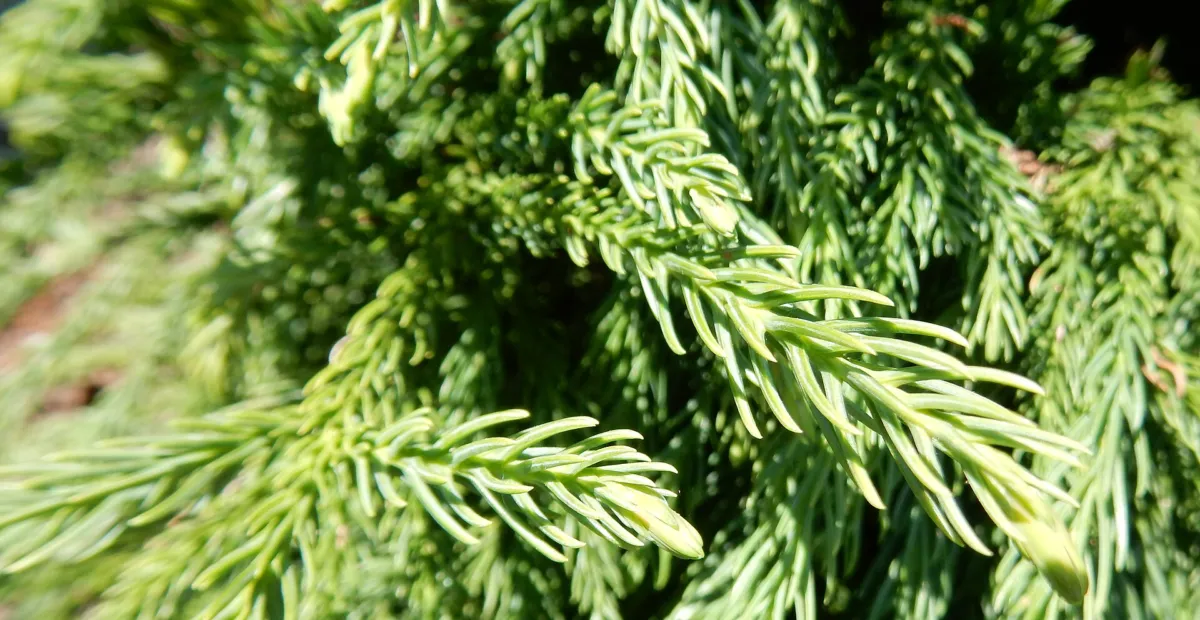
Cryptomeria japonica 'Globosa Nana' is a slow-growing dwarf selection valued for its dense, rounded habit and fine evergreen texture. Its blue-green, awl-shaped foliage may become yellow-green in summer heat and bronze to rusty red during cold weather. The cultivar performs best in full sun to partial shade with evenly moist, well-drained soil and makes a strong specimen, foundation plant, low-border, rock-garden, or container accent.
Taxonomic classification
Globosa Nana (Cryptomeria japonica ‘Globosa Nana’) care guide
Light and placement
Give full sun for the densest growth and strongest color, or light partial shade where summers are hot. An east- or south-facing site with morning to afternoon sun is suitable; shelter from drying winter winds is helpful. Sparse, stretched growth suggests inadequate light, while scorched or bronzed summer foliage can indicate excessive heat, drought, or reflected sun.
Watering and humidity
Water deeply when the upper few inches of soil begin to dry, then allow excess water to drain. Keep the root zone consistently but not constantly wet during the first two growing seasons. Reduce frequency in cool weather, but do not allow containers or newly planted specimens to dry completely. Humidity is less important than steady soil moisture.
Soil and growing medium
Use a fertile, moisture-retentive but well-drained soil. Loam or amended sandy or clay soil is suitable if drainage is improved. Slightly acidic to neutral conditions are preferred; avoid chronically saturated ground, especially in containers.
Feeding
Apply a balanced, slow-release evergreen fertilizer in early spring if growth is weak or soil is poor. Compost mulch can support soil structure, but keep it away from the stems. Do not fertilize drought-stressed, newly transplanted, or actively declining plants until root-zone problems are corrected.
Growth and habit
This is a slow-growing, dense, rounded shrub with a naturally informal dome or globe shape. Branch tips may hang slightly, and older plants can outgrow the compact size suggested by the cultivar name. Its slow pace and self-contained habit usually mean little corrective pruning is needed.
Planting and repotting
Plant in spring or early fall when the soil is workable. Set the root flare level with the surrounding soil, water deeply, and mulch lightly without touching the stems. Allow enough room for the mature spread and protect young plants from drying winds.
Repot container plants in early spring before strong new growth, moving only one pot size larger. Preserve the root ball and avoid burying the crown. Replace compacted medium while retaining enough original soil to limit transplant shock.
Propagation and pruning
Propagation
Propagate primarily from semi-ripe or hardwood stem cuttings. Take healthy, non-flowering shoots in late summer or early fall, use a clean rooting medium, maintain humidity, and provide bottom warmth if available. Rooting can be slow and is less uniform than buying a named nursery plant.
Pruning
Prune lightly in late winter or early spring to remove dead, damaged, crossing, or weak branches. Preserve the natural rounded outline. Avoid cutting deeply into old, bare wood because conifers may not reliably produce replacement growth from interior brown stems.
Overwintering
Outdoor plants in Zones 6–9 generally need no special winter covering once established. Water container specimens before the ground freezes and protect pots from prolonged hard freezes with an insulated location or sheltered wall. In exposed sites, wind protection reduces winter desiccation and foliage bronzing.
Uses
A compact ornamental for foundation beds, low borders, specimen planting, rock gardens, conifer collections, and large containers. Its winter color and fine texture provide year-round structure. It has no established culinary use, and foliage or cones should not be intentionally consumed.
Appearance
The cultivar forms a dense, rounded mound with fine evergreen texture and somewhat pendulous branch tips. Leaves are short, awl-shaped, and closely arranged along the shoots. Summer foliage is blue-green to green; heat may lighten it, while cold weather can produce bronze, rusty red, or purplish tones. The species has reddish-brown peeling bark, though the cultivar is usually appreciated primarily for its foliage.
Pollination and visitors
The species is monoecious and wind-pollinated rather than animal-pollinated. Male cones produce airborne pollen that moves between plants without requiring bees, butterflies, or other flower visitors.
Cryptomeria japonica 'Globosa Nana' photos
Click any photo for a larger view. Source, author and license are shown separately.
Diseases and pests
Diseases
Watch for leaf spot, leaf blight, branch dieback, and root problems in poorly drained soil. Improve air circulation, avoid overhead irrigation, remove affected debris, and correct watering or drainage before considering treatment. Severe dieback warrants diagnosis before pruning heavily.
Pests
Potential problems include spider mites, scale insects, aphids, and occasional bagworms. Inspect inner branches and stressed foliage, especially during hot, dry weather. Encourage plant vigor, wash off small infestations, and use targeted controls only when monitoring shows they are needed.
Toxicity and pollen
Reliable plant-specific evidence of serious human or pet poisoning is limited. The foliage is not considered a food plant, and ingestion of any conifer material can cause mild digestive upset. Prevent pets and children from chewing substantial quantities, and seek professional advice if symptoms occur.
- Typical season
- Late winter through spring where the plant releases pollen; timing varies by region.
- Pollination / pollen
- Dry, wind-dispersed conifer pollen
Cryptomeria japonica produces abundant, easily airborne pollen from male cones. Japanese cedar pollen is a well-established allergen, especially in Japan; the seasonal importance of this cultivar in the United States is less certain and may be lower because plants are less extensively planted. Sensitive gardeners should avoid handling pollen-bearing branches during release periods.
Native habitat
The species is native to Japan and is associated with humid temperate to warm-temperate climates, forest margins, mountain slopes, and deep, well-drained soils that retain regular moisture. Cultivated forms tolerate a range of soil textures but perform poorly where roots remain waterlogged or repeatedly dry out.
Interesting fact
‘Globosa Nana’ was described and named by Murray Hornibrook in 1923. The cultivar is an old Japanese selection with a naturally rounded, globe-like outline. Its foliage can shift from blue-green to yellow-green in heat and bronze or rusty red in winter. Some conifer references associate it with the Japanese name ‘Mitama’ or ‘Mitama-sugi’.
Frequently asked questions (FAQ)
The most relevant questions about this plant, with short and direct answers.
🌱Quick care
What is Cryptomeria japonica 'Globosa Nana'?⌄
Cryptomeria japonica 'Globosa Nana' is a slow-growing, rounded dwarf evergreen conifer commonly called Globe Cryptomeria. It forms a naturally globular mound without routine shearing.
How big does Cryptomeria japonica 'Globosa Nana' get?⌄
Cryptomeria japonica 'Globosa Nana' commonly reaches about 3 to 4 feet tall and wide, although older plants may become larger. Allow roughly 3 to 6 feet of space for a mature specimen.
How fast does Cryptomeria japonica 'Globosa Nana' grow?⌄
Cryptomeria japonica 'Globosa Nana' grows slowly, often adding only a few inches per year. Its final size varies with age, climate, soil, and growing conditions.
Is Cryptomeria japonica 'Globosa Nana' evergreen?⌄
Yes, Cryptomeria japonica 'Globosa Nana' is an evergreen conifer that retains its foliage year-round. Its foliage may change from green to bronze, rusty red, or bronze-green during winter.
🌤️Environment and placement
How much sun does Cryptomeria japonica 'Globosa Nana' need?⌄
Cryptomeria japonica 'Globosa Nana' grows in full sun to partial shade. A site with morning or filtered afternoon sun can be helpful where summers are hot or the plant is exposed to drying conditions.
Can Cryptomeria japonica 'Globosa Nana' grow in shade?⌄
Cryptomeria japonica 'Globosa Nana' tolerates partial shade but may grow less densely there. Avoid deep shade if you want the fullest, most compact rounded form.
What USDA hardiness zones are suitable for Cryptomeria japonica 'Globosa Nana'?⌄
Cryptomeria japonica 'Globosa Nana' is generally suited to USDA Zones 6 through 9. Protection from severe winter wind is especially useful near the colder edge of its range.
Is Cryptomeria japonica 'Globosa Nana' tolerant of wind?⌄
Cryptomeria japonica 'Globosa Nana' prefers a sheltered site rather than an exposed, windy location. Wind can increase winter drying and stress the foliage, particularly in cold climates.
What soil is best for Cryptomeria japonica 'Globosa Nana'?⌄
Plant Cryptomeria japonica 'Globosa Nana' in moist, well-drained soil such as loam, sand, or improved clay. Drainage is important because constantly waterlogged roots can decline.
💧Care and problems
How often should I water Cryptomeria japonica 'Globosa Nana'?⌄
Water Cryptomeria japonica 'Globosa Nana' moderately, keeping the soil evenly moist while the plant establishes. After establishment, water deeply during dry periods, especially in summer or during drought.
Why is my Cryptomeria japonica 'Globosa Nana' turning brown?⌄
Brown foliage can result from normal winter color, drought stress, winter burn, root problems, or disease. Check soil moisture and drainage first, and distinguish seasonal bronzing from dry, brittle dead growth.
Does Cryptomeria japonica 'Globosa Nana' turn red in winter?⌄
Yes, the foliage of Cryptomeria japonica 'Globosa Nana' commonly develops rusty-red or bronze coloration in winter. This seasonal change is usually normal and should improve as active growth resumes.
Does Cryptomeria japonica 'Globosa Nana' need fertilizer?⌄
Cryptomeria japonica 'Globosa Nana' usually needs little fertilizer when planted in reasonably fertile soil. If growth is weak, test the soil before applying a slow-release fertilizer according to its label.
Is Cryptomeria japonica 'Globosa Nana' deer resistant?⌄
Cryptomeria japonica 'Globosa Nana' is often reported as seldom browsed by deer, but no evergreen is completely deer-proof. Browsing pressure can vary by region and food availability.
🪴Planting and repotting
When is the best time to plant Cryptomeria japonica 'Globosa Nana'?⌄
Plant Cryptomeria japonica 'Globosa Nana' in spring or fall when temperatures are moderate. Avoid planting during frozen soil, extreme summer heat, or prolonged drought.
How far apart should Cryptomeria japonica 'Globosa Nana' be planted?⌄
Space Cryptomeria japonica 'Globosa Nana' about 3 to 6 feet apart, depending on whether you want individual rounded specimens or a fuller mass planting. Use wider spacing where air circulation and the mature outline are priorities.
Can Cryptomeria japonica 'Globosa Nana' be grown in a container?⌄
Yes, Cryptomeria japonica 'Globosa Nana' can be grown in a large container with drainage holes and a well-drained potting mix. Container plants need more frequent watering and stronger winter protection than plants in the ground.
How do I plant Cryptomeria japonica 'Globosa Nana'?⌄
Plant Cryptomeria japonica 'Globosa Nana' with the root flare level with or slightly above the surrounding soil, then water thoroughly. Do not bury the stem or keep mulch against the trunk.
✂️Propagation and pruning
Does Cryptomeria japonica 'Globosa Nana' need pruning?⌄
No, Cryptomeria japonica 'Globosa Nana' naturally develops a rounded form and generally does not need pruning. Remove damaged or dead branches and make only light corrective cuts when necessary.
Can I shear Cryptomeria japonica 'Globosa Nana' into a tighter ball?⌄
Light trimming is possible, but routine shearing is usually unnecessary for Cryptomeria japonica 'Globosa Nana'. Avoid cutting deeply into old, leafless wood because conifers may not regenerate well from those areas.
How can Cryptomeria japonica 'Globosa Nana' be propagated?⌄
Cryptomeria japonica 'Globosa Nana' is generally propagated by cuttings or specialized nursery methods rather than by seed. Seed-grown plants may not retain the cultivar’s compact globular form.
⚠️Toxicity and safety
Is Cryptomeria japonica 'Globosa Nana' toxic to people or pets?⌄
There is insufficient cultivar-specific evidence to assign a definitive toxicity classification to Cryptomeria japonica 'Globosa Nana'. Keep plant material away from children and pets and contact a medical or veterinary professional if it is eaten.
🌸Flowering and special interest
Does Cryptomeria japonica 'Globosa Nana' flower?⌄
Cryptomeria japonica 'Globosa Nana' is grown for its evergreen conifer foliage and rounded form, not for showy flowers. Any reproductive structures are generally inconspicuous.
What does Cryptomeria japonica 'Globosa Nana' look like in spring?⌄
In spring, Cryptomeria japonica 'Globosa Nana' produces fresh foliage and may show slightly nodding branch tips. Its dense, rounded habit remains the plant’s main ornamental feature.
Similar plants
 Incense Cedar (Calocedrus decurrens) care guideCalocedrus decurrens
 Hesperotropsis leylandii care guideHesperotropsis leylandii
 Cryptomeria (Cryptomeria japonica) care guideCryptomeria japonica
 Taxodium ‘Distichum’Taxodium 'Distichum'
 Mediterranean Cypress (Cupressus sempervirens) care guideCupressus sempervirens