
 Source:
 Narcissus ‘Ice King’ short overview
Narcissus 'Ice King' is a registered Division 4 double daffodil prized for its unusual ivory-white petals and deeply split sulfur-yellow corona edged with white. This clump-forming spring bulb reaches about 16 inches tall and flowers in mid-spring. Plant bulbs in fall in well-drained soil, from full sun to partial shade, and let the foliage fade naturally after bloom. All parts, especially the bulbs, are toxic if eaten.
Taxonomic classification
Narcissus ‘Ice King’ care guide
Light and placement
Grow in full sun for strongest flowering, although partial shade is tolerated, especially where plants receive bright morning or afternoon light. East-, south-, or west-facing positions are suitable. Sparse flowering and floppy, elongated leaves suggest insufficient light; scorched foliage or rapidly fading flowers can indicate excessive heat and reflected afternoon sun.
Watering and humidity
Water after planting to settle the bulbs, then keep soil moderately moist during autumn root growth and spring leaf development. Water deeply when the surface begins to dry, but allow excess water to drain freely. Reduce watering as foliage yellows and stop regular irrigation during summer dormancy unless conditions are exceptionally dry.
Soil and growing medium
Use fertile, well-drained soil that does not remain waterlogged. Loam, sandy loam, clay improved with organic matter, and chalky soils can work if drainage is reliable. A slightly acidic to slightly alkaline reaction is tolerated. Avoid heavy, stagnant winter soil because bulb rot is more likely there.
Feeding
In average garden soil, incorporate a modest amount of finished compost before planting. If fertilizer is needed, apply a bulb fertilizer at planting or as shoots emerge according to the product label; avoid heavy nitrogen, which encourages weak foliage. Do not feed dormant bulbs in summer, and do not overfertilize container plantings.
Growth and habit
This bulbous perennial emerges seasonally from an underground bulb, forming a compact clump of leaves and leafless flowering stems. Allow the foliage to remain until it yellows naturally because it replenishes the bulb for the following year. Crowded clumps can be divided after dormancy begins.
Planting and repotting
Plant in fall after the soil has cooled, generally September through November in much of the United States; warmer regions may plant later. Set bulbs with the pointed end up at roughly 1.5–2 times the bulb’s height, then water once to settle the soil. Space about 4–6 inches apart for a naturalized display.
Container-grown bulbs usually need no annual repotting. Refresh the compost and divide crowded clumps after the foliage has faded, preferably in early summer. Use a deep container with drainage holes and avoid disturbing bulbs while they are actively growing.
Propagation and pruning
Propagation
Propagate vegetatively by separating offsets or dividing established clumps after the leaves fade in early summer. Bulb chipping is possible but slower and more specialized. Seed propagation is mainly useful for breeding because seedlings do not come true to the named cultivar.
Pruning
Deadhead spent flowers to prevent unnecessary seed production, but do not cut or braid the leaves while they are green. Leave foliage in place until it yellows and loosens naturally, then remove it. This preserves bulb energy for future flowering.
Overwintering
Leave bulbs outdoors in the ground in suitable USDA Zones 3–8. In colder exposed sites, a light mulch after the ground freezes can reduce temperature swings, but avoid thick, wet mulch that holds moisture against the bulbs. Container bulbs are more exposed to freezing and may need a sheltered, unheated location.
Uses
Useful for spring borders, informal plantings, raised beds, containers, underplanting around shrubs, and cut-flower arrangements. The double flowers provide strong ornamental value, but all parts are toxic if eaten, so avoid placing cut stems or bulbs where children or pets can access them.
Appearance
The plant has gray-green, strap-shaped leaves and upright, leafless flower stems. Its defining feature is the double bloom: broad ivory outer segments surround numerous irregular white and yellow petaloids within a deeply split sulfur-yellow corona bordered by white. The clustered, clump-forming habit helps distinguish it from single-flowered daffodils.
Flowering
A registered Division 4 double daffodil, 'Ice King' produces one or more heavily doubled blooms with ivory-white outer segments, clustered petaloids, and a deeply split corona. The RHS register classifies it as mid-season; in much of the United States this generally corresponds to March or April, depending on local winter and spring temperatures.
Pollination and visitors
Narcissus flowers are generally insect-pollinated and may provide pollen or nectar to early-season insects. Reliable documentation for visitors to the exact double cultivar 'Ice King' was not located, and doubling may make floral rewards less accessible than in single flowers.
Narcissus 'Ice King' photos
Click any photo for a larger view. Source, author and license are shown separately.
Diseases and pests
Diseases
Good drainage and healthy, firm bulbs help prevent basal rot. Watch for yellowing, wilting, or rotting at the bulb base, leaf scorch, and virus symptoms such as streaked or mottled foliage. Remove diseased plants and bulbs, avoid planting repeatedly in contaminated soil, and purchase clean stock. Do not compost clearly diseased bulbs.
Pests
Possible pests include slugs, large narcissus bulb fly, narcissus eelworm, and bulb scale mite. Use sound bulbs, avoid waterlogged beds, remove damaged material, and maintain good garden hygiene. Inspect stored or forced bulbs for soft tissue and discard badly affected bulbs rather than treating heavily infested stock.
Related diseases and pests
Only Plant Doctor profiles whose host data indicate this plant may be affected are shown here.
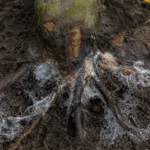 DiseaseWhite Root Rot (Rosellinia Root Rot)Rosellinia necatrix Berl. ex Prill. (synonym: Dematophora necatrix)
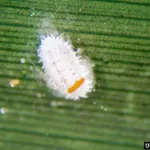 PestCitrus mealybugPlanococcus citri
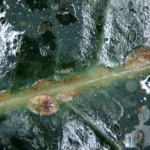 PestBrown Soft ScaleCoccus hesperidum
 DiseaseAster yellows‘Candidatus Phytoplasma asteris’
 Environmental stressWind scorch
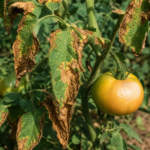 Environmental stressHeat scorch
Toxicity and pollen
Narcissus species contain toxic alkaloids, including lycorine, in all plant parts, with the highest concentration generally in the bulb. Ingestion can cause nausea, vomiting, abdominal pain, diarrhea, and mouth or skin irritation; serious effects are possible after larger exposures. Wear gloves when handling bulbs and seek poison-control or veterinary advice after ingestion.
- Typical season
- Spring flowering period
- Pollination / pollen
- Insect-carried pollen; not typically wind-dispersed in large quantities
No cultivar-specific airborne-pollen measurements were found. Daffodils are primarily insect-pollinated, so pollen is not typically released in large quantities by wind, but sensitive people should still avoid direct contact with pollen, sap, and cut stems if irritation occurs.
Native habitat
The named cultivar is a garden hybrid rather than a wild plant with a native habitat. Like other cultivated daffodils, it is adapted to seasonal climates with cool winters, moist spring growth, and a summer dormant period. It performs best where bulbs can experience winter chilling without sitting in saturated soil.
Interesting fact
The RHS International Daffodil Register records 'Ice King' as a sport of 'Ice Follies' and dates its registration to 1984. It belongs to Division 4, the double daffodil group. Its corona is deeply and irregularly split rather than forming a simple trumpet.
Frequently asked questions (FAQ)
The most relevant questions about this plant, with short and direct answers.
🌱Quick care
What is Narcissus 'Ice King'?⌄
Narcissus 'Ice King' is a double-flowered daffodil with ivory-white outer petals and a ruffled yellow-and-white center. It is a hardy, clump-forming bulb that typically blooms in mid-spring.
How tall does Narcissus 'Ice King' grow?⌄
Narcissus 'Ice King' usually grows about 14–18 inches tall. Height can vary with soil, light, moisture, and local growing conditions.
Is Narcissus 'Ice King' perennial?⌄
Yes, Narcissus 'Ice King' is a perennial daffodil that can return each spring for many years. Allowing its foliage to mature naturally helps maintain flowering in later seasons.
🌤️Environment and placement
Does Narcissus 'Ice King' need full sun?⌄
Narcissus 'Ice King' grows well in full sun or partial shade. More sun generally produces stronger flowering, while light afternoon shade can be useful in warmer parts of the United States.
What soil is best for Narcissus 'Ice King'?⌄
Use moderately fertile, well-drained soil for Narcissus 'Ice King'. Loam, sandy soil, clay improved with organic matter, and chalky soil can work if excess water drains away.
Can Narcissus 'Ice King' grow in containers?⌄
Yes, Narcissus 'Ice King' grows well in containers with drainage holes and a free-draining potting mix. Protect containers from prolonged waterlogging and provide winter cold appropriate to the local climate.
Is Narcissus 'Ice King' deer resistant?⌄
Narcissus 'Ice King' is generally resistant to deer and rabbits because the bulbs and foliage are unpalatable. Resistance is not an absolute guarantee if other food is scarce.
Is Narcissus 'Ice King' hardy in the United States?⌄
Narcissus 'Ice King' is a frost-hardy outdoor bulb and is commonly listed for USDA Zones 3–8, with some suppliers extending that range farther south. Performance depends on winter temperatures and whether the bulbs receive adequate seasonal chilling.
💧Care and problems
How often should I water Narcissus 'Ice King'?⌄
Water Narcissus 'Ice King' moderately so the soil stays evenly moist but never soggy during active growth. Reduce watering after the foliage begins to yellow and the bulb enters dormancy.
Why is my Narcissus 'Ice King' not flowering?⌄
Narcissus 'Ice King' may fail to flower because bulbs were planted too shallowly, foliage was removed early, the site is too shaded, or the bulbs were stressed by poor drainage. Newly planted bulbs may also need a full season to establish.
Why are the leaves of Narcissus 'Ice King' turning yellow?⌄
Yellowing leaves are usually normal after Narcissus 'Ice King' finishes flowering because the bulb is entering dormancy. Remove the foliage only after it has naturally withered, unless disease symptoms such as spotting or collapse are present.
Should I cut back Narcissus 'Ice King' foliage after flowering?⌄
Do not cut back Narcissus 'Ice King' foliage while it is still green. Let it die back naturally so the leaves can replenish the bulb, then remove them when they are fully yellow and dry.
Should I deadhead Narcissus 'Ice King'?⌄
Yes, remove faded Narcissus 'Ice King' flowers to prevent energy being directed into seed production. Leave the leaves and stems in place until they naturally decline.
Can wind or rain damage Narcissus 'Ice King' flowers?⌄
Yes, the large, heavy double blooms of Narcissus 'Ice King' can bend or break in strong wind or prolonged wet weather. Planting in a sheltered location helps protect the flower stems.
What pests affect Narcissus 'Ice King'?⌄
Narcissus 'Ice King' can be affected by slugs, narcissus bulb fly, eelworms, and bulb scale mites. Healthy, well-drained planting conditions and inspection of bulbs before planting reduce risk.
What diseases can affect Narcissus 'Ice King'?⌄
Possible diseases include narcissus basal rot, leaf scorch, and daffodil viruses. Discard badly diseased bulbs and avoid planting narcissus in persistently wet soil.
🪴Planting and repotting
When should I plant Narcissus 'Ice King' bulbs in the United States?⌄
Plant Narcissus 'Ice King' bulbs in fall, before the ground freezes. In most U.S. regions this means late September through November, while warmer areas may plant later in fall or early winter.
How deep should I plant Narcissus 'Ice King' bulbs?⌄
Plant Narcissus 'Ice King' bulbs about 6 inches deep, or roughly two to three times the bulb's height, measured from the bulb base. In heavy or poorly drained soil, slightly shallower planting with excellent drainage is safer.
How far apart should I plant Narcissus 'Ice King' bulbs?⌄
Space Narcissus 'Ice King' bulbs about 4–6 inches apart for a naturalized display or wider for faster clump expansion. Groups of at least six bulbs usually create a stronger visual effect.
Which way up should I plant Narcissus 'Ice King' bulbs?⌄
Plant Narcissus 'Ice King' bulbs with the pointed growing tip facing upward and the flatter root plate facing downward. If a bulb is difficult to orient, plant it on its side rather than upside down.
Can I plant Narcissus 'Ice King' under trees?⌄
Yes, Narcissus 'Ice King' can grow beneath deciduous trees if it receives spring light and the soil drains well. Avoid dense evergreen shade and areas where tree roots leave the soil excessively dry.
Can Narcissus 'Ice King' be forced indoors?⌄
Yes, Narcissus 'Ice King' can be grown in an indoor bulb pot, but it generally needs a cool rooting period before flowering. Use a container with drainage and keep the bulbs from sitting in water.
✂️Propagation and pruning
How do I propagate Narcissus 'Ice King'?⌄
Propagate Narcissus 'Ice King' mainly by separating offsets from established bulbs after the foliage fades in early summer. Seed propagation is possible but does not reliably reproduce the named cultivar.
When can I divide Narcissus 'Ice King' clumps?⌄
Divide Narcissus 'Ice King' clumps after the foliage has yellowed and the bulbs are beginning dormancy, usually in early summer. Replant healthy offsets promptly at the recommended depth.
How quickly does Narcissus 'Ice King' multiply?⌄
Narcissus 'Ice King' can form larger clumps over time but may multiply slowly compared with some single-flowered daffodils. Good drainage, adequate moisture during growth, and intact foliage support gradual increase.
⚠️Toxicity and safety
Is Narcissus 'Ice King' toxic to people?⌄
Yes, all parts of Narcissus 'Ice King', especially the bulbs, are toxic if eaten and may cause gastrointestinal distress. The sap can also irritate skin, so wear gloves when handling bulbs or cut stems.
Is Narcissus 'Ice King' toxic to dogs and cats?⌄
Yes, Narcissus 'Ice King' is toxic to dogs and cats if eaten, with the bulbs posing the greatest risk. Keep bulbs, trimmings, and forced plants away from pets, and contact a veterinarian or poison service if ingestion occurs.
Can I plant Narcissus 'Ice King' in a garden with children?⌄
Narcissus 'Ice King' can be grown in a family garden, but children should be taught not to eat or handle the bulbs unnecessarily. Store unplanted bulbs securely and supervise young children around freshly dug planting areas.
🌸Flowering and special interest
When does Narcissus 'Ice King' bloom?⌄
Narcissus 'Ice King' usually blooms in mid-spring, often from March through April in much of the United States. The exact timing depends on USDA Zone, winter temperatures, and spring weather.
What do Narcissus 'Ice King' flowers look like?⌄
Narcissus 'Ice King' produces large, fully double flowers with broad ivory-white outer petals and a densely ruffled center that opens yellow and softens toward creamy white. The flowers have a carnation- or peony-like appearance.
Is Narcissus 'Ice King' fragrant?⌄
Narcissus 'Ice King' is often described as lightly or sweetly fragrant, although fragrance strength can vary. Warm weather and bringing freshly opened flowers indoors can make the scent more noticeable.
Is Narcissus 'Ice King' good for cut flowers?⌄
Yes, Narcissus 'Ice King' makes an attractive cut flower because its double blooms are showy and long-lasting. Cut stems when the flowers are beginning to open, and display them separately because narcissus sap can shorten the vase life of other flowers.
Similar plants
 Azure Monkshood (Aconitum carmichaelii) care guideAconitum carmichaelii
 Monkshood (Aconitum ‘Stainless Steel’)Aconitum 'Stainless Steel'
 Monkshood (Aconitum ‘Bressingham Spire’)Aconitum 'Bressingham Spire'
 Golden full moon maple (Acer shirasawanum ‘Aureum’)Acer shirasawanum 'Aureum'
 Globosum (Acer platanoides ‘Globosum’)Acer platanoides 'Globosum'
 Striped maple (Acer pensylvanicum) care guideAcer pensylvanicum