
Heat scorch
Heat scorch overview
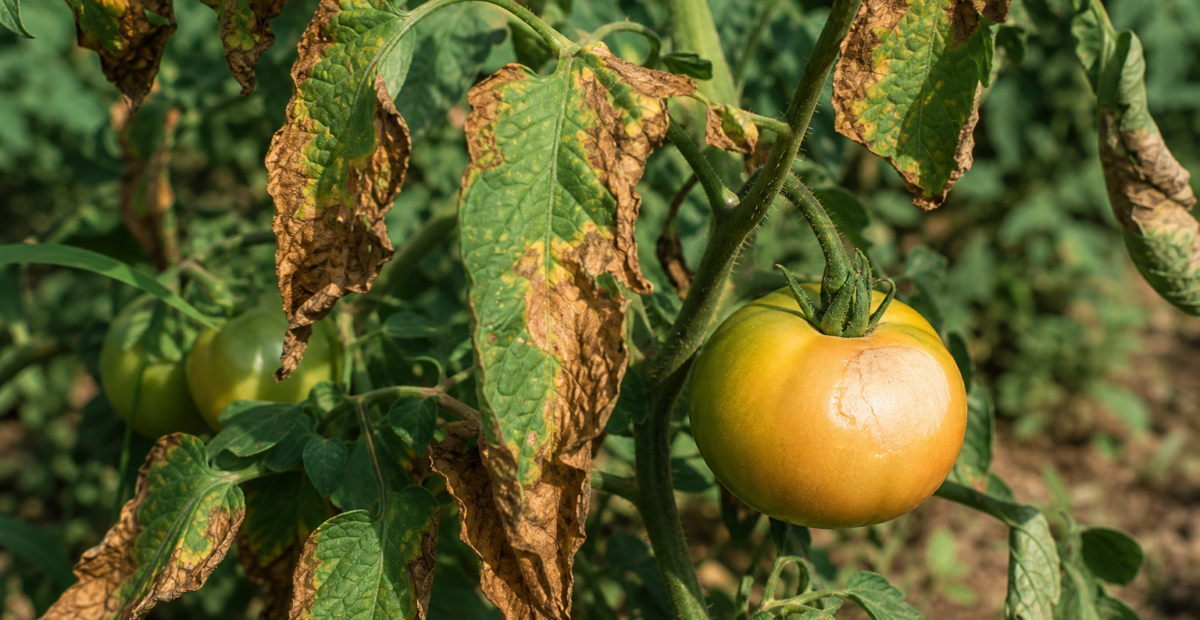
Heat scorch is not a contagious disease but a form of abiotic injury that develops when leaves lose water faster than roots can replace it, especially during hot, dry, windy or intensely sunny weather. Symptoms range from temporary midday wilt and leaf curl to crispy brown margins, sunscald, flower drop, premature leaf loss and permanent tissue death. Similar symptoms can also result from pathogens, herbicides, salinity or root damage.
Typical conditions
Overview
Heat scorch occurs when plant tissues cannot balance water loss and heat load. Hot air, low humidity, wind, intense afternoon sun, restricted roots, compacted or dry soil, overheated containers and recently transplanted plants all increase risk. A plant may wilt even when the soil appears moist if roots cannot supply water quickly enough or atmospheric demand is unusually high.
Symptoms vary with species, cultivar, plant age and exposure. Large-leaved vegetables, shallow-rooted plants, young transplants, container plants and foliage suddenly moved from low light into direct sun are often particularly vulnerable. Heat scorch is not infectious and does not spread from plant to plant, although the same weather can injure many plants at once.
Symptoms and identification
Typical signs include temporary midday wilting, inward leaf rolling or cupping, dry brown leaf margins and tips, crispy or bleached patches, premature yellowing and leaf drop. Severe injury can kill leaves, tender shoots or cambial tissue on exposed stems.
- Tomatoes and peppers may show flower abortion, poor fruit set and fruit sunscald.
- Cucumbers, squash and pumpkins may develop dry, scorched leaf edges or bleached foliage.
- Fruit may develop watery, pale, blistered, sunken or hardened areas on the side facing the sun.
- Cool-season crops such as lettuce, spinach, cilantro, broccoli and cauliflower may bolt, stop growing or lose quality.
Heat scorch commonly appears on the hottest, most exposed side of a plant and may be worst after hot, dry, windy weather. Disease lesions are more likely to have discrete margins, pathogen-specific patterns, signs such as spores, or progressive symptoms unrelated to exposure.
Causes and spread
Heat scorch is caused by environmental stress rather than a living causal agent. Common contributing factors include prolonged temperatures above the plant’s comfort range, intense solar radiation, low humidity, hot dry winds, drought, irregular irrigation, compacted soil, root loss, transplant shock, small overheated containers and sudden movement from shade into direct sun. Heavy pruning can expose previously shaded leaves and fruit to sunscald. The disorder does not spread biologically, but adjacent plants may show similar injury because they experienced the same weather or site conditions.
Life cycle and persistence
There is no pathogen lifecycle. Injury begins when heat and atmospheric moisture demand exceed the plant’s ability to move water from roots to leaves. Stomata close, growth and photosynthesis slow, and exposed tissues may overheat. If cooling and water availability improve quickly, leaves may recover; once cells become necrotic, the brown tissue will not regreen. Repeated heat events can cause cumulative defoliation, reduced flowering and delayed recovery.
Treatment and control
First confirm the root zone is moist and then water thoroughly at the base of the plant. Do not repeatedly provide shallow sips, which encourage a limited root system. Move containers into filtered light or afternoon shade and install temporary shade over exposed garden plants. Reduce wind exposure where practical and refresh mulch without burying stems.
Leave partially green leaves in place because they can continue photosynthesis. After temperatures moderate, remove leaves that are fully brown, dead or diseased-looking, using clean tools. Do not heavily prune heat-stressed trees or shrubs during the event. Delay fertilization and major transplanting until the plant has resumed active growth. If symptoms occur on only one plant, progress despite improved moisture, or include distinct lesions, vascular streaking or persistent one-sided dieback, consult a county Extension office or plant diagnostic laboratory.
Low-impact and biological control
Manage heat scorch with nonchemical cultural measures:
- Water deeply at the soil surface using drip irrigation or a soaker hose. During heat waves, check shallow-rooted plants and containers frequently; water when the root zone is drying rather than relying only on leaf appearance.
- Apply about 1–2 inches of organic mulch such as clean straw, shredded leaves or finished compost, keeping it away from stems and trunks.
- Provide temporary 30–40% shade cloth or afternoon shade, mounted above the canopy to preserve airflow.
- Move containers to morning sun and afternoon shade, and protect them from hot pavement and reflective walls.
- Remove weeds competing for soil moisture and avoid unnecessary disturbance of roots.
- Do not use neem oil, insecticidal soap or other foliar products as a presumed cure; they can injure foliage during high temperatures.
Prevention
Choose plants and cultivars suited to the local U.S. climate and site, and acclimate seedlings or houseplants gradually before exposing them to full outdoor sun. Improve soil organic matter where appropriate, maintain an evenly moist root zone, and install drip irrigation or soaker hoses before the hottest part of summer. Mulch to reduce evaporation and soil-temperature swings. Use shade cloth for sensitive crops during heat waves, especially young transplants, lettuce and other cool-season vegetables.
Avoid transplanting, hard pruning and nitrogen fertilization during extreme heat. Maintain adequate foliage on trees and shrubs, inspect containers daily, and position plants away from reflected heat from pavement, masonry and south- or west-facing walls.
Interesting facts
- Leaves that wilt only during the hottest part of the day and recover overnight may be heat stressed without having extensive permanent injury.
- Tomato and pepper flowers are often more heat-sensitive than leaves; high temperatures can disrupt pollination and cause blossom drop.
- Sunscald can occur on apples, tomatoes, peppers, melons and other fruit when protective foliage is sparse or removed.
- Hot weather can resemble disease, but heat scorch is abiotic and cannot be transmitted between plants.
- Ozone injury during hot, polluted conditions can produce interveinal browning or bleaching that resembles heat damage.
No pesticide cures heat scorch. During extreme heat, avoid applying foliar pesticides, soaps, oils or fertilizers unless the product label specifically permits use under the prevailing temperature and crop conditions. Use only products legally authorized for the crop and problem in the United States, and follow the current label exactly. If symptoms do not match heat exposure or continue after conditions improve, obtain a diagnostic assessment before treating.
Affected plants
The plants below are linked to this problem by structured host-plant data. The list updates automatically as new plant profiles are added.
 Apple tree (Malus domestica) care guideMalus domestica
 Maroon cucumbe (Cucumis anguria) care guideCucumis anguria
 Horned Melon (Cucumis metuliferus) care guideCucumis metuliferus
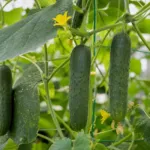 Cucumber (Cucumis sativus) care guideCucumis sativus
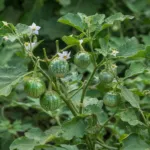 Solanum aethiopicum care guideSolanum aethiopicum
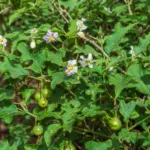 Solanum macrocarpon care guideSolanum macrocarpon
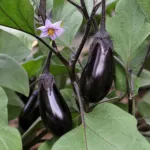 Eggplant (Solanum melongena) care guideSolanum melongena
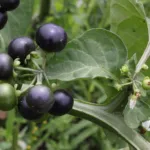 Garden Huckleberry (Solanum scabrum) care guideSolanum scabrum
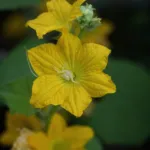 Melon or true melo (Cucumis melo) care guideCucumis melo
 Cantalupensis Group (Cucumis melo Cantalupensis Group)Cucumis melo Cantalupensis Group
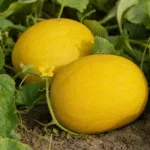 Mango melon (Cucumis melo Chito Group)Cucumis melo Chito Group
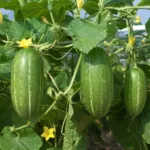 Oriental pickling melon (Cucumis melo Conomon Group)Cucumis melo Conomon Group