
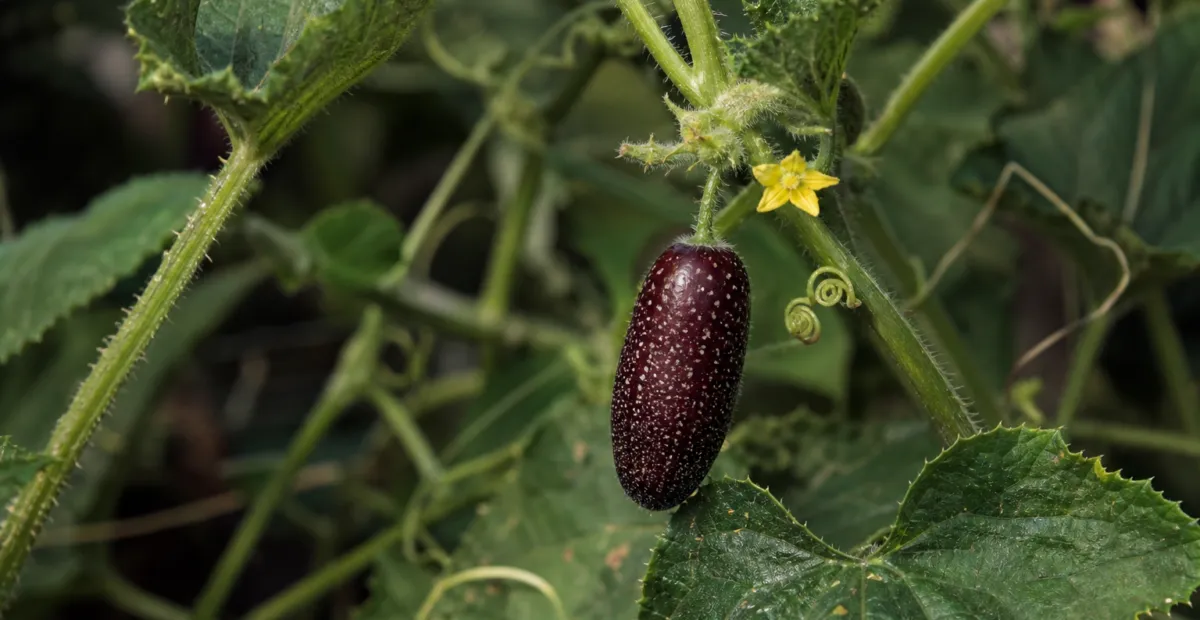
 AI-generated illustration
Maroon cucumbe (Cucumis anguria) short overview
Maroon cucumbe (Cucumis anguria) is a warm-season annual vine in the cucumber family, grown for its small, firm, often prickly fruits used fresh, cooked, or pickled. Native to seasonally dry tropical Africa and introduced in parts of the United States, it grows vigorously in full sun with rich, well-drained soil and consistent moisture. Separate male and female yellow flowers appear on the same plant, and insect visitation supports reliable fruit set.
Taxonomic classification
Maroon cucumbe (Cucumis anguria) care guide
Light and placement
Give the vine at least 6–8 hours of direct sun, preferably with a south- or west-facing exposure and good airflow. A trellis or open fence keeps foliage drier and improves fruit shape. Long, weak internodes, pale leaves, and sparse flowering indicate inadequate light; scorched margins usually reflect heat, drought, or root stress rather than excessive ordinary sun.
Watering and humidity
Water deeply when the upper inch of soil begins to dry, keeping the root zone evenly moist but never waterlogged. During flowering and fruit enlargement, avoid alternating drought and saturation because moisture stress can reduce growth and worsen bitterness. Mulch helps moderate soil temperature and evaporation; water at the soil line to reduce leaf disease.
Soil and growing medium
Use fertile soil that holds moisture while draining freely. Loam enriched with finished compost is ideal, but sandy or clay soils can be improved with organic matter and raised beds or containers. Avoid compacted sites and standing water. Slightly acidic to neutral conditions are suitable; a soil test is preferable before adding lime or other amendments.
Feeding
Before planting, incorporate finished compost and, if soil tests support it, a balanced vegetable fertilizer. Feed lightly after vines establish and again when flowering begins, following the product label. Avoid heavy nitrogen applications, which can produce excessive foliage and delay fruiting. Do not fertilize drought-stressed, waterlogged, or diseased plants until roots recover.
Growth and habit
The plant produces thin, flexible, roughened vines that may exceed 7 feet in length. It can sprawl across the ground or climb a trellis. Training early improves air circulation, keeps fruits cleaner, and makes harvesting easier. Guide young stems gently rather than sharply bending them; mature vines are easily tangled and can be damaged during late-season rearrangement.
Planting and repotting
Plant after frost danger has passed and soil has warmed to at least about 60°F. Sow seeds roughly 1 inch deep in fertile, well-drained soil, or transplant carefully because cucurbit roots dislike disturbance. Space plants 12–36 inches apart according to support and available airflow. Install a trellis before vines become crowded, and mulch after the soil has warmed.
For container culture, use a large pot with drainage holes and a sturdy trellis. Transplant seedlings before they become root-bound, disturbing the root ball as little as possible. Refresh or replace exhausted container mix each season rather than trying to maintain a mature vine through repeated root disturbance.
Propagation and pruning
Propagation
Propagate from seed. Sow directly after the last frost or start seeds indoors several weeks earlier in biodegradable pots. Keep the medium warm and evenly moist until emergence. Transplant only when plants are young and handle the root ball carefully. Save seed only from well-identified, healthy fruit because cucurbit crops can cross-pollinate and bitterness may vary among offspring.
Pruning
Pruning is usually limited to removing damaged, diseased, or badly tangled growth. Guide young vines onto their support rather than cutting heavily. Once fruiting declines, remove spent vines promptly and dispose of diseased material away from the compost pile. Avoid major pruning during peak flowering because it can reduce the productive canopy.
Overwintering
This is a frost-tender annual and normally is not overwintered outdoors in the United States. Remove vines after frost or when production ends. In a heated greenhouse, plants may continue growing if provided strong light, warm temperatures, ample space, and careful disease management, but ordinary indoor overwintering is usually impractical.
Uses
The immature fruits are used as gherkins, pickles, or cooked vegetables and may be eaten fresh when mild and well identified. Fruits can be small, firm, warty, or spiny, so harvest with care. Because bitter cucurbitacins can occur in cucurbits, discard any fruit that tastes intensely bitter rather than cooking or preserving it. No medicinal use is recommended here.
Appearance
Leaves are cucumber-like, rough-textured, and shallowly to moderately lobed, carried on slender hairy stems with tendrils. Yellow flowers arise separately as male and female blooms on the same plant. Fruits are small, ellipsoid to ovoid berries, usually green when immature and yellowish at maturity, with a warty or sparsely spiny surface.
Flowering
Male and female flowers are produced separately on the same vine. The flowers have five yellow petals and five green sepals; petals may become cream-colored as anthesis progresses. Summer flowering continues while warm conditions support active vine growth. Female flowers develop behind the flower into the characteristic prickly fruit after successful pollination.
Pollination and visitors
Insect visitation is important for fruit production, and bees have been documented visiting the yellow male and female flowers. Studies of West Indian gherkin have reported improved fruit set under open pollination compared with some single-pollinator treatments, indicating that a diverse local bee community may be useful.
Cucumis anguria photos
Click any photo for a larger view. Source, author and license are shown separately.
Diseases and pests
Diseases
Common cucurbit problems can include powdery mildew, downy mildew, bacterial diseases, damping-off, and root rots. Reduce risk with crop rotation, clean seed and containers, good spacing, trellising, morning irrigation at the soil line, and removal of infected leaves. Do not work among wet plants. Remove severely diseased vines and sanitize supports between seasons.
Pests
Watch for cucumber beetles, squash bugs, aphids, spider mites, and whiteflies. Inspect undersides of leaves and young stems frequently. Use row cover while plants are small, remove larger pests by hand, encourage beneficial insects, and use labeled controls only when monitoring shows a need. Protect flowers from unnecessary insecticide exposure and follow all product directions.
Related diseases and pests
Only Plant Doctor profiles whose host data indicate this plant may be affected are shown here.
 DiseaseCucurbit Downy MildewPseudoperonospora cubensis (Berk. & M.A. Curtis) Rostovzev
 DiseaseCucurbit Powdery MildewPodosphaera xanthii (Castagne) U. Braun & Shishkoff
 DiseaseCucurbit AnthracnoseColletotrichum orbiculare
 DiseaseCucurbit ScabCladosporium cucumerinum
 PestSweetpotato whiteflyBemisia tabaci species complex
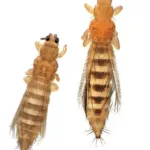 PestOnion thripsThrips tabaci Lindeman
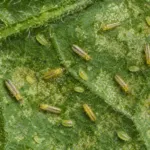 PestMelon thripsThrips palmi Karny
 PestTwo-spotted spider miteTetranychus urticae
Toxicity and pollen
The species is used as a food crop, but bitter forms and bitter individual fruits may contain elevated cucurbitacins. Intense bitterness is a warning sign: spit out a taste and discard the fruit rather than cooking, boiling, or preserving it, because heat does not reliably remove the toxin. Avoid eating unidentified wild cucurbits or using this species medicinally without expert guidance.
- Typical season
- Summer through early fall
- Pollination / pollen
- Heavy, sticky pollen carried mainly by visiting insects
The flowers are insect-pollinated, and their pollen is generally transferred directly by visiting bees rather than dispersed widely by wind. This suggests relatively low airborne exposure for most people, but individual sensitivity is still possible around heavily flowering plants. Pollen risk should not be confused with the separate food-safety concern associated with bitter cucurbitacins.
Native habitat
The species is associated with seasonally dry tropical environments and warm regions where annual rainfall or seasonal moisture supports rapid vine growth. It tolerates a range of soil textures when drainage is adequate, but performs best in fertile, moisture-retentive soil during the growing season. In the United States it is cultivated and has been introduced in several warm or seasonally suitable areas.
Interesting fact
Cucumis anguria is accepted as a species, although some horticultural references note uncertainty about its relationship to cultivated forms. Its fruit is a true berry botanically, despite its cucumber-like culinary use. The species has separate male and female flowers on one plant, and its fruits may become more bitter as they mature in bitter forms.
Frequently asked questions (FAQ)
The most relevant questions about this plant, with short and direct answers.
🌱Quick care
What is maroon cucumbe (Cucumis anguria)?⌄
Maroon cucumbe is a frost-tender annual vine in the Cucurbitaceae family, related to ordinary cucumbers and grown for its small, often spiny fruits. It is also known by several regional names, including West Indian gherkin.
How much sunlight does maroon cucumbe need?⌄
Maroon cucumbe needs full sun, meaning at least 6 hours of direct sunlight daily. More sunlight generally supports stronger vines, flowering, and fruit production.
Is maroon cucumbe an annual or perennial plant?⌄
Maroon cucumbe is a warm-season annual in the United States. It usually dies after frost and must be replanted from seed the following year.
Is maroon cucumbe a cucumber?⌄
Maroon cucumbe is a true Cucumis species closely related to cultivated cucumbers, but it is Cucumis anguria rather than the common cucumber, Cucumis sativus. Its small, textured fruits are commonly used fresh or for pickling.
🌤️Environment and placement
Where should I plant maroon cucumbe?⌄
Plant maroon cucumbe in a warm, sunny location with rich, well-drained soil and reliable access to water. Give the vine room to spread or provide a sturdy trellis.
What soil is best for maroon cucumbe?⌄
Maroon cucumbe grows best in fertile, moisture-retentive but well-drained loam enriched with compost. It tolerates a broader range of soil textures, but standing water can cause root problems.
Can maroon cucumbe grow in a container?⌄
Maroon cucumbe can grow in a container holding at least 1 gallon of soil and about 8 inches of depth, although a larger container is easier to keep evenly moist. Add a trellis or allow the vine to trail safely.
How much space does maroon cucumbe need?⌄
Allow roughly 12 inches to 3 feet of growing space, depending on whether the vine is trained vertically or allowed to scramble. A trellis makes the plant easier to manage and improves airflow.
Can maroon cucumbe tolerate heat?⌄
Maroon cucumbe generally tolerates heat well when it receives consistent moisture. Heat combined with drought stress can reduce growth, flowering, fruit quality, or pollination success.
💧Care and problems
How often should I water maroon cucumbe?⌄
Water maroon cucumbe whenever the soil surface begins to dry, keeping the root zone consistently moist without making it soggy. Water at the soil line rather than wetting the leaves to help limit fungal disease.
Should maroon cucumbe be grown on a trellis?⌄
A trellis is recommended for maroon cucumbe because vertical growth improves air circulation, saves space, and can produce straighter, cleaner fruits. Use a strong support because the vine can exceed 7 feet.
Why are my maroon cucumbe leaves turning yellow?⌄
Yellow leaves on maroon cucumbe can result from overwatering, poor drainage, nutrient stress, aging leaves, or pests and disease. Check soil moisture, root conditions, leaf undersides, and the overall pattern before changing the fertilizer.
What pests attack maroon cucumbe?⌄
Cucumber beetles and aphids are common pests that may attack maroon cucumbe, while vines can also develop cucurbit diseases. Remove severely affected foliage, improve airflow, and use pest-control methods appropriate for edible crops.
Why does maroon cucumbe produce flowers but no fruit?⌄
Poor pollination is a common reason maroon cucumbe flowers fail to produce mature fruit. Encourage bees by avoiding insecticides during bloom, and hand-pollinate by transferring pollen from a male flower to a female flower if needed.
Why are maroon cucumbe fruits misshapen?⌄
Misshapen maroon cucumbe fruits are often caused by incomplete pollination, although drought stress and other plant stresses can contribute. Maintain even moisture and improve pollinator activity during flowering.
When should I harvest maroon cucumbe?⌄
Harvest maroon cucumbe fruits while they are green and still at the preferred eating size, cutting the stem with clean scissors or pruners. Frequent picking encourages the vine to continue producing.
Can maroon cucumbe fruits be eaten fresh or pickled?⌄
Maroon cucumbe fruits can be eaten fresh when properly identified and are commonly preserved by pickling. Harvesting them while young generally gives better texture; older yellow fruits may become tough.
🪴Planting and repotting
When should I plant maroon cucumbe in the United States?⌄
Plant maroon cucumbe outdoors after the local danger of frost has passed and the soil has warmed. In short-season areas, start seeds indoors about 3 to 6 weeks before transplanting, but handle the roots carefully.
How deep should I plant maroon cucumbe seeds?⌄
Plant maroon cucumbe seeds according to the seed packet directions, usually shallowly in warm, evenly moist soil. Avoid planting too early because cold soil can delay germination or damage seedlings.
Can maroon cucumbe survive frost?⌄
Maroon cucumbe cannot reliably survive frost because it is a warm-season, frost-tender annual. Protect young plants from brief cold snaps, but replace plants after killing frost damage.
✂️Propagation and pruning
How do you propagate maroon cucumbe?⌄
Propagate maroon cucumbe primarily from seed. Direct-sow after frost or start seeds indoors, then transplant before the roots become crowded and avoid disturbing the taproot.
Does maroon cucumbe need pruning?⌄
Maroon cucumbe does not require routine pruning, but you can guide long stems onto a trellis and remove damaged or diseased growth. Avoid excessive cutting because the leaves supply energy for fruit production.
How do I hand-pollinate maroon cucumbe?⌄
To hand-pollinate maroon cucumbe, brush pollen from the central structures of a newly opened male flower onto the stigma of a female flower. Female flowers have a small developing fruit behind the bloom, while male flowers do not.
⚠️Toxicity and safety
Is maroon cucumbe edible?⌄
Maroon cucumbe fruit may be edible when the plant and fruit are positively identified and the fruit is not unusually bitter. Do not eat fruit that tastes strongly bitter, because bitterness in cucurbits can signal potentially harmful compounds.
Can bitter maroon cucumbe make you sick?⌄
Yes, an intensely bitter maroon cucumbe fruit should be treated as unsafe to eat because bitter cucurbits may contain elevated cucurbitacins. Spit it out rather than swallowing it, and seek medical advice if illness develops after ingestion.
Are maroon cucumbe seeds poisonous?⌄
Do not eat sprouting or unidentified maroon cucumbe seeds, because toxic compounds have been reported in the developing embryo. Use seed from a reliable source and avoid consuming seeds or fruit with unusual bitterness.
How can I identify maroon cucumbe before eating it?⌄
Identify maroon cucumbe by its hairy, vining growth, yellow flowers, and small green fruits that may have prominent spines or bumps, then confirm the identification with a reliable botanical source. Never rely on appearance alone when foraging, and do not eat an uncertain specimen.
🌸Flowering and special interest
What do maroon cucumbe flowers look like?⌄
Maroon cucumbe produces small, yellow, five-petaled flowers. Male and female flowers occur separately on the same plant, and bees commonly transfer pollen between them.
When does maroon cucumbe flower?⌄
Maroon cucumbe typically flowers during the warm summer growing season. Flowering begins after the vine establishes and is favored by full sun, adequate moisture, and warm temperatures.
Does maroon cucumbe attract bees?⌄
Maroon cucumbe flowers can attract bees and other pollinators. Keeping flowers accessible and avoiding broad-spectrum insecticide applications during bloom can improve pollination.
Similar plants
 Azure Monkshood (Aconitum carmichaelii) care guideAconitum carmichaelii
 Monkshood (Aconitum ‘Stainless Steel’)Aconitum 'Stainless Steel'
 Monkshood (Aconitum ‘Bressingham Spire’)Aconitum 'Bressingham Spire'
 Golden full moon maple (Acer shirasawanum ‘Aureum’)Acer shirasawanum 'Aureum'
 Globosum (Acer platanoides ‘Globosum’)Acer platanoides 'Globosum'
 Striped maple (Acer pensylvanicum) care guideAcer pensylvanicum