
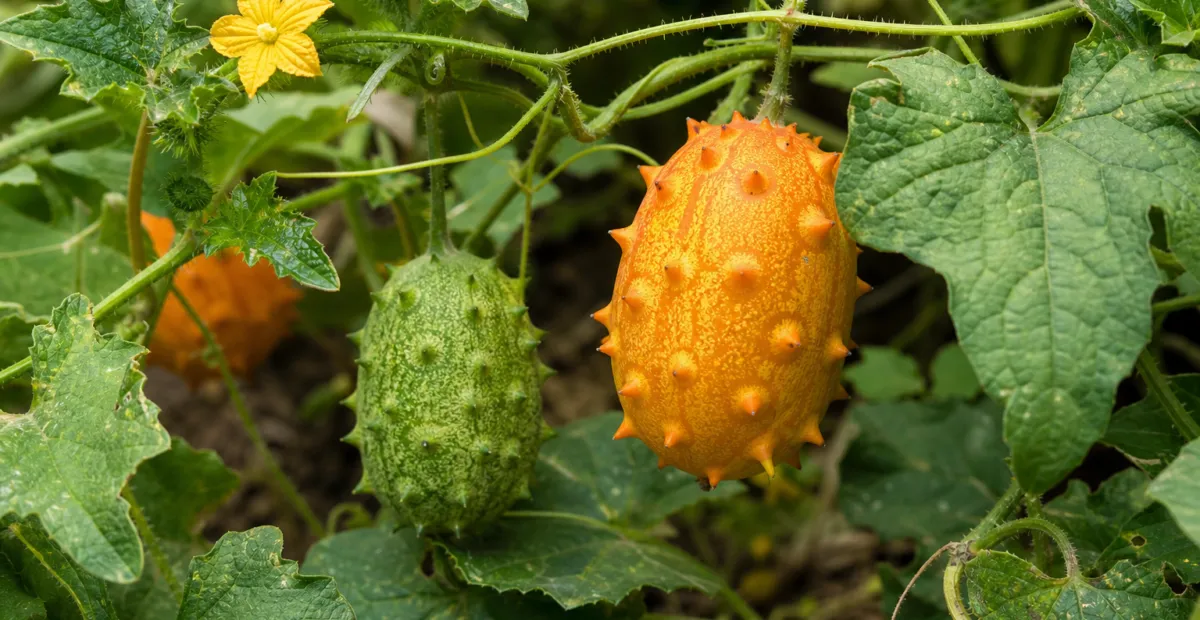
 AI-generated illustration
Horned Melon (Cucumis metuliferus) short overview
Horned Melon (Cucumis metuliferus) is a tender, warm-season annual vine in the cucumber family. It produces yellow flowers followed by distinctive orange, horned fruits filled with translucent green pulp and edible seeds. Give it full sun, fertile well-drained soil, steady moisture, and room to climb or scramble. In most of the United States, start seed indoors or transplant only after the soil has warmed and protect the plant from frost.
Taxonomic classification
Horned Melon (Cucumis metuliferus) care guide
Light and placement
Provide at least 8 hours of direct sun in a warm, sheltered position. South- or southwest-facing beds and dark containers can help warm the root zone. Pale, stretched growth and few flowers indicate insufficient light; scorched leaves or rapidly wilting foliage can indicate excessive reflected heat combined with inadequate water.
Watering and humidity
Water deeply when the top inch of soil begins to dry, keeping moisture even during flowering and fruit enlargement. Containers may need daily checks in hot weather. Reduce watering late in the season as temperatures fall, but do not allow plants carrying fruit to experience repeated severe drought. Good drainage is essential.
Soil and growing medium
Use fertile, loose soil that drains freely but holds consistent moisture. A loam or sandy loam enriched with compost is suitable. Aim for slightly acidic to neutral conditions, approximately pH 6.0–7.0. Avoid compacted soil and sites that stay saturated, which can restrict roots and encourage crown or stem problems.
Feeding
Mix finished compost into the planting area before setting plants out. Once vines begin active growth, use a balanced vegetable fertilizer at label rate; repeat only if growth is weak or soil tests indicate a need. Avoid heavy nitrogen feeding, which can produce lush vines with fewer fruits. Stop routine feeding as the season closes.
Growth and habit
This fast-growing annual produces flexible, tendril-bearing vines that climb supports or scramble across the ground. Trellising improves air circulation and keeps the unusual fruits cleaner, but supports must be sturdy enough for the mature crop. Harvest regularly to encourage continued production.
Planting and repotting
Plant after the last spring frost, when soil is consistently at least 60°F and preferably warmer. Sow seeds about 1 inch deep. Space plants 24–36 inches apart when trellised; allow more room if vines will scramble across the ground. Harden indoor-grown transplants before setting them out and mulch after the soil warms.
Transplant seedlings only when young, because cucurbit roots dislike disturbance. Choose a container at least 18 inches wide and deep with strong drainage, and provide a trellis or allow the vine to trail over the rim. Refresh the growing medium each season rather than trying to maintain the plant through winter.
Propagation and pruning
Propagation
Sow fresh seed indoors 3–4 weeks before the expected transplant date or direct-sow after warm weather arrives. Use a warm seed-starting medium and transplant promptly once seedlings have several true leaves. Seed is the practical standard method; named cultivars should be propagated from seed supplied for that cultivar.
Pruning
Pruning is optional. Guide young stems onto the trellis and remove damaged or diseased growth with clean pruners. Thin overcrowded shoots only when necessary for airflow; severe cutting back during the short growing season can reduce flowering and fruiting.
Overwintering
Treat the plant as an annual in most U.S. gardens. After frost kills the vine, remove and discard the spent plant. In very warm frost-free climates it may persist longer, but reliable overwintering is not generally necessary or practical. Containers can be moved indoors only as a short-term experiment in very bright, warm conditions.
Uses
Grow it as an edible specialty fruit and ornamental curiosity for trellises, school gardens, edible landscapes, and containers. Ripe pulp is commonly eaten fresh or used in drinks, desserts, and salads. Handle the horned rind carefully and rely on positive identification before eating.
Appearance
The plant has rough, tendril-bearing stems and green leaves that are shallowly to moderately three- to five-lobed. Small yellow flowers occur among the foliage. Fruits are ellipsoid to cylindrical, green when immature, and orange to red-orange at maturity, with conspicuous thick-based blunt projections.
Flowering
The vine bears separate male and female yellow flowers. Male flowers generally appear first, followed by female flowers with a small swelling beneath the petals. Fruit set depends on transfer of pollen between flowers, so poor weather or low insect activity can reduce production. Flowering normally occurs during the warm growing season.
Pollination and visitors
The yellow flowers are visited by bees, bumblebees, and hoverflies. Insect movement between male and female flowers supports fruit set; cool, rainy, or windless conditions can reduce visitation and yield.
Cucumis metuliferus photos
Click any photo for a larger view. Source, author and license are shown separately.
Diseases and pests
Diseases
Reduce disease pressure with good air circulation, clean tools, crop rotation, and watering at the soil surface. Watch for powdery mildew, downy mildew, angular leaf spot, bacterial wilt, and root or crown rots. Remove badly affected foliage, avoid working among wet plants, and discard severely diseased plants rather than composting them.
Pests
Check regularly for aphids, spider mites, whiteflies, cucumber beetles, squash bugs, and caterpillars. Encourage beneficial insects, use row cover before flowering when appropriate, and remove pests by hand or with a strong water spray. Use insecticidal soap only according to its label and avoid spraying open flowers when pollinators are active.
Related diseases and pests
Only Plant Doctor profiles whose host data indicate this plant may be affected are shown here.
 DiseaseCucurbit Downy MildewPseudoperonospora cubensis (Berk. & M.A. Curtis) Rostovzev
 DiseaseCucurbit Powdery MildewPodosphaera xanthii (Castagne) U. Braun & Shishkoff
 PestSweetpotato whiteflyBemisia tabaci species complex
 DiseaseBacterial Fruit BlotchAcidovorax citrulli
 DiseaseCharcoal rotMacrophomina phaseolina (Tassi) Goidanich
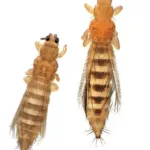 PestOnion thripsThrips tabaci Lindeman
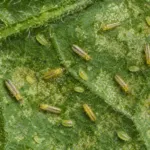 PestMelon thripsThrips palmi Karny
 PestTwo-spotted spider miteTetranychus urticae
Toxicity and pollen
The ripe fruit is cultivated as an edible food. Reliable evidence for poisoning of people or pets from ordinary garden exposure is limited, so this profile does not claim complete safety. Eat properly identified, ripe fruit and avoid consuming unusually bitter or spoiled material. The spiny rind can cause minor mechanical injury when handled.
- Typical season
- During flowering, typically July–September in much of the United States
- Pollination / pollen
- Mostly insect-carried pollen
This is an insect-pollinated cucurbit, so pollen is mainly deposited locally by flower visitors rather than released in large airborne clouds. Individual sensitivity is still possible, but a precise species-specific allergy risk is not well established.
Native habitat
In its native range, the species occurs in seasonally dry tropical environments of Africa and the southwestern Arabian Peninsula. It can occupy open, disturbed, or semi-arid sites but grows best where warm temperatures coincide with adequate seasonal moisture and well-drained soil.
Interesting fact
The species is native to tropical and southern Africa and the southwestern Arabian Peninsula. Its ripe fruit develops a vivid orange rind while the interior remains translucent green. The fruit surface bears thick, blunt protuberances rather than true thorns. The species is genetically distinct from ordinary cucumber despite belonging to the same genus.
Frequently asked questions (FAQ)
The most relevant questions about this plant, with short and direct answers.
🌱Quick care
What is Horned Melon?⌄
Horned Melon is the edible fruit-producing vine Cucumis metuliferus in the cucumber and melon family, Cucurbitaceae. It is also commonly called kiwano, jelly melon, or African horned cucumber.
Is Horned Melon an annual or perennial plant?⌄
Horned Melon is a frost-tender annual vine in the United States. It grows during the warm season and usually dies back when exposed to freezing temperatures.
What does Horned Melon taste like?⌄
Ripe Horned Melon has juicy, gelatinous green flesh with a flavor often compared with cucumber, citrus, lime, or mild melon. Taste varies with variety, ripeness, and growing conditions.
🌤️Environment and placement
How much sun does Horned Melon need?⌄
Horned Melon needs full sun, ideally at least 6–8 hours of direct sunlight daily. Strong light and warm conditions help the vine flower and produce ripe fruit.
What USDA hardiness zones can grow Horned Melon?⌄
Horned Melon can be grown outdoors as a warm-season annual in most of the United States after the danger of frost has passed. In colder USDA zones, start seeds indoors or grow the plant in a greenhouse to extend the season.
What temperature is best for growing Horned Melon?⌄
Horned Melon grows best in warm conditions, roughly 70–90°F during active growth. Cold soil, cool nights, and frost can slow growth or kill the plant.
What type of soil does Horned Melon need?⌄
Use fertile, well-drained loam or sandy loam enriched with organic matter. The soil should retain consistent moisture without staying waterlogged.
How large does a Horned Melon vine get?⌄
A Horned Melon vine commonly reaches about 5–10 feet long under favorable conditions. Give it ample horizontal space or a strong trellis before the vines begin spreading.
Can Horned Melon survive frost?⌄
No, Horned Melon is frost tender and should be protected from freezing temperatures. Harvest mature fruit before the first expected frost because frost can damage the vine and fruit.
💧Care and problems
How often should I water Horned Melon?⌄
Water Horned Melon regularly to keep the soil evenly and moderately moist. Do not let the plant repeatedly dry out, but avoid saturated soil and wet foliage whenever possible.
Should Horned Melon be grown on a trellis?⌄
Horned Melon can be grown on the ground or trained onto a sturdy trellis. Provide strong support and support developing fruit because the vines can become long and the spiny fruits are relatively heavy.
Does Horned Melon need fertilizer?⌄
Horned Melon benefits from fertile soil amended with compost and from fertilizer based on a soil test. Avoid excessive nitrogen, which can promote leafy vines at the expense of flowers and fruit.
How do I know when Horned Melon is ripe?⌄
A ripe Horned Melon typically changes from green to yellow-orange or orange, while the interior becomes gelatinous and green. Fruit can be harvested later in the season and allowed to finish ripening indoors before frost if necessary.
Can Horned Melon ripen off the vine?⌄
Yes, mature Horned Melon fruit can continue ripening after harvest, especially when picked after beginning to change color. Fruit harvested too early may ripen slowly and may not develop the best flavor.
How do you harvest Horned Melon safely?⌄
Harvest Horned Melon with gloves because the fruit horns and vine hairs can be sharp. Use pruners or a knife to cut the fruit from the vine rather than pulling it free.
What pests commonly affect Horned Melon?⌄
Horned Melon may be affected by common cucurbit pests such as aphids, whiteflies, cucumber beetles, spider mites, and thrips. Inspect the undersides of leaves regularly and use controls appropriate for edible crops if problems become significant.
What diseases affect Horned Melon?⌄
Horned Melon can develop powdery mildew, downy mildew, Fusarium wilt, and several mosaic or ringspot viruses. Good air circulation, crop rotation, watering at the soil line, and removing severely diseased plants can reduce problems.
Why are my Horned Melon leaves turning white or dusty?⌄
A white, powdery coating on Horned Melon leaves is commonly powdery mildew. Improve air circulation, keep foliage dry when watering, and remove badly affected leaves while following local recommendations for edible-crop treatment.
🪴Planting and repotting
When should I plant Horned Melon seeds outdoors?⌄
Sow Horned Melon outdoors after the last expected spring frost, once the soil has warmed. In much of the United States, this means late spring, although the exact timing depends on local climate.
How deep should Horned Melon seeds be planted?⌄
Plant Horned Melon seeds about 1 inch deep in fertile, well-drained soil. Keep the seedbed evenly moist until germination and early growth are established.
Can Horned Melon be grown in a container?⌄
Horned Melon can be grown in a large container if it has fertile, well-drained soil, consistent moisture, full sun, and sturdy support. Choose a container large enough for a vigorous vine and avoid allowing it to dry out.
✂️Propagation and pruning
Can I start Horned Melon seeds indoors?⌄
Yes, start Horned Melon seeds indoors about 3–4 weeks before outdoor planting. Use individual or biodegradable containers when possible because cucurbit roots can be sensitive to disturbance during transplanting.
Does Horned Melon need pruning?⌄
Routine pruning is usually unnecessary for Horned Melon. Remove damaged or diseased growth, and guide or trim vines only when needed to keep them within their support or growing area.
Can I save seeds from Horned Melon fruit?⌄
Yes, seeds can be cleaned from fully ripe Horned Melon fruit, rinsed, and thoroughly dried before storage. Seed-grown plants may vary if the parent plant was grown near a compatible cucurbit variety, although Horned Melon is generally grown from seed.
⚠️Toxicity and safety
Is Horned Melon safe to eat?⌄
Ripe Horned Melon fruit is cultivated as an edible food, but the safety of unidentified wild plants or fruit should not be assumed. Handle the spiny rind carefully, and consult a medical or poison-control professional if an unexpected reaction occurs.
Which parts of Horned Melon are edible?⌄
The ripe fruit pulp and seeds are commonly eaten, while the spiny rind is usually discarded or used decoratively. Evidence about eating other plant parts is less consistent, so they should not be consumed without reliable identification and preparation guidance.
🌸Flowering and special interest
How long does Horned Melon take to produce fruit?⌄
Horned Melon generally needs a long, warm growing season, often around 80–100 days from sowing to maturity depending on the variety and conditions. In short-season areas, early indoor sowing can improve the chance of ripe fruit before frost.
Does Horned Melon need bees for pollination?⌄
Yes, Horned Melon produces separate male and female flowers on the same plant, and bees commonly transfer pollen between them. If pollinators are absent, hand-pollination can be used by moving pollen from a male flower to a female flower.
Why is my Horned Melon flowering but not producing fruit?⌄
Poor pollination is a common reason Horned Melon flowers fail to set fruit. Cool, rainy, or windy weather, low bee activity, excessive nitrogen, and inconsistent moisture can also reduce fruit set.
How can I tell male and female Horned Melon flowers apart?⌄
Female flowers have a small, undeveloped fruit bulge immediately behind the flower, while male flowers lack this swelling and usually appear on slender stalks. Only successfully pollinated female flowers develop into fruit.
Similar plants
 Azure Monkshood (Aconitum carmichaelii) care guideAconitum carmichaelii
 Monkshood (Aconitum ‘Stainless Steel’)Aconitum 'Stainless Steel'
 Monkshood (Aconitum ‘Bressingham Spire’)Aconitum 'Bressingham Spire'
 Golden full moon maple (Acer shirasawanum ‘Aureum’)Acer shirasawanum 'Aureum'
 Globosum (Acer platanoides ‘Globosum’)Acer platanoides 'Globosum'
 Striped maple (Acer pensylvanicum) care guideAcer pensylvanicum