
 Source:
 Daffodil (Narcissus ‘Jenny’) short overview
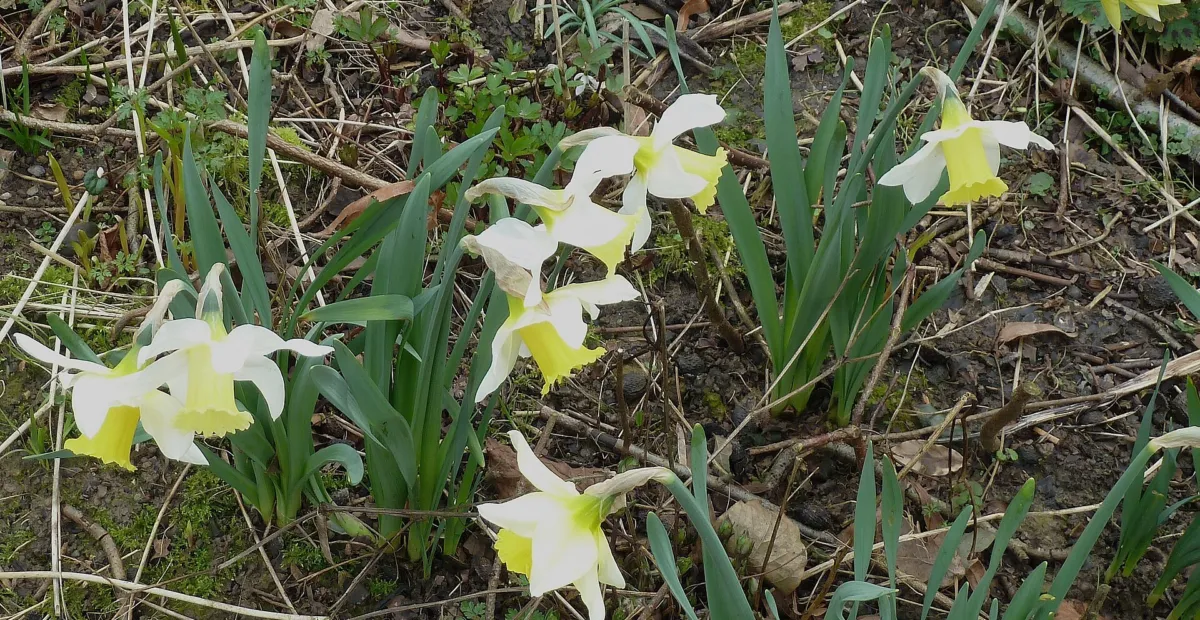
Narcissus 'Jenny' is a compact cyclamineus daffodil valued for its elegant early- to mid-season flowers. Each slender stem carries a nodding bloom with strongly reflexed, creamy-white segments and a long lemon-yellow trumpet that gradually fades to cream. Growing from a hardy perennial bulb, it performs well in sunny or partly shaded borders, containers, woodland edges and naturalized drifts, provided the soil drains freely.
Taxonomic classification
Daffodil (Narcissus ‘Jenny’) care guide
Light and placement
Grow in full sun for strongest flowering, or partial shade beneath deciduous trees and at woodland edges. East-, south- or west-facing positions can work if drainage is good. Too little light may produce weak stems and reduced flowering; excessive heat and reflected afternoon light can shorten bloom duration, especially in containers.
Watering and humidity
Water after planting and keep the soil moderately moist during active growth, allowing excess water to drain away. In spring, water during dry spells; after the foliage yellows and the bulb enters dormancy, reduce irrigation substantially. Avoid frequent shallow watering and saturated soil, which increase rot risk.
Soil and growing medium
Use fertile, well-drained soil that does not remain waterlogged. Loam enriched with organic matter is ideal, although the cultivar tolerates clay, sand and chalk when drainage is adequate. A mildly acidic to neutral soil is a practical target, but daffodils generally tolerate a broad pH range.
Feeding
In average garden soil, incorporate a modest amount of compost before planting. A low-nitrogen bulb fertilizer can be applied at planting or as shoots emerge, following the product label. Avoid heavy nitrogen feeding, which encourages leaves at the expense of bulb health, and do not fertilize heavily after foliage has begun to die back.
Growth and habit
The bulb produces a seasonal clump of narrow leaves and upright to slightly spreading flower stems. Allow the foliage to remain until it yellows naturally, because the leaves replenish the bulb for future flowering. Mature clumps can be divided when flowering declines or overcrowding develops.
Planting and repotting
Plant bulbs in early to mid-fall, before the ground freezes. Set each bulb at roughly two to three times its own height, with at least 3 inches of soil above the bulb. Water after planting and group several bulbs together for a fuller display.
Container-grown bulbs can remain undisturbed for several years if flowering remains strong. Repot or divide after the foliage has yellowed and matured, using fresh, free-draining potting mix and planting bulbs at the same depth as before.
Propagation and pruning
Propagation
Propagate mainly by separating offsets after the foliage has naturally died back. Seed propagation is possible for breeding but does not reproduce the named cultivar reliably, so offsets or purchased bulbs are preferred for true-to-type plants.
Pruning
Do not cut leaves while they are green. Remove spent flowers if desired, but leave the foliage in place until it yellows and collapses naturally. Then tidy the bed and remove only loose dead material.
Overwintering
Leave bulbs outdoors in USDA Zones 3–8. A mulch of leaves or compost can moderate temperature changes, but avoid burying emerging shoots deeply. In containers, protect pots from repeated freeze-thaw cycles by placing them in a sheltered location or insulating the container.
Uses
Use ‘Jenny’ in spring borders, rock-garden-style plantings, containers, open woodland edges and naturalized drifts. Its compact scale works well near paths and in front of shrubs. Flowers may be cut for indoor display, but keep stems and vase water away from children and pets because Narcissus tissue is toxic if consumed.
Appearance
Leaves are narrow, linear to strap-shaped and green, emerging in an erect to slightly spreading clump. Flower stems are slender and usually carry one nodding bloom. The key identification features are the sharply reflexed, pointed creamy-white segments and the long, narrow yellow trumpet that fades lighter with age.
Flowering
This Division 6 cyclamineus daffodil is an early- to mid-season bloomer. Flowers are typically borne singly on slender stems and nod slightly, with strongly reflexed outer segments and a long trumpet-shaped corona. Blooms appear before the foliage dies back and usually last longest in cool spring weather.
Pollination and visitors
The open perianth and trumpet provide access to nectar and pollen for early-season flower visitors, including bees, bumblebees and some hoverflies. The cultivar is not documented as a highly specialized pollinator plant, so visitation may vary with weather and surrounding bloom.
Diseases and pests
Diseases
Good drainage helps prevent basal rot and other bulb rots. Monitor for narcissus leaf scorch, yellow stripe virus and declining or distorted foliage. Remove badly affected plant material and avoid replanting healthy bulbs in persistently contaminated or waterlogged soil.
Pests
Watch for narcissus bulb fly, narcissus nematode or eelworm, bulb scale mite, slugs and snails. Inspect bulbs before planting, avoid waterlogged beds, remove debris and use proportionate controls only when damage is confirmed.
Related diseases and pests
Only Plant Doctor profiles whose host data indicate this plant may be affected are shown here.
 DiseaseWhite Root Rot (Rosellinia Root Rot)Rosellinia necatrix Berl. ex Prill. (synonym: Dematophora necatrix)
 PestCitrus mealybugPlanococcus citri
 PestStem and Bulb NematodeDitylenchus dipsaci
 Environmental stressWaterlogging
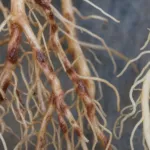 PestRoot-lesion nematodePratylenchus penetrans (Cobb) Filipjev & Schuurmans Stekhoven
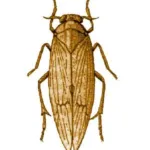 PestBrown planthopperNilaparvata lugens (Stål)
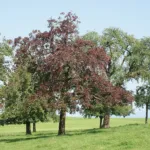 DiseasePear Decline‘Candidatus Phytoplasma pyri’
 DiseaseAster yellows‘Candidatus Phytoplasma asteris’
Toxicity and pollen
Narcissus species contain lycorine and other alkaloids. All parts can cause gastrointestinal upset if eaten, while the bulb is especially concentrated and may also cause oral irritation. Wear gloves when handling bulbs if skin is sensitive, and keep bulbs and plant material away from children and pets.
- Typical season
- Typically April in much of the United States, varying with climate
- Pollination / pollen
- Primarily insect-carried pollen; limited airborne dispersal
Narcissus is mainly insect-pollinated, so its pollen is not typically dispersed in large airborne clouds. Sensitive people may still react to pollen or sap through handling, and daffodil bulbs and foliage can cause skin irritation. Avoid placing cut flowers where pollen or plant sap will be touched frequently.
Native habitat
This is a cultivated garden hybrid rather than a wild habitat species. In cultivation, it performs in temperate climates with cool winters, spring moisture and summer drainage. Woodland margins, grassy borders and open beds recreate the bright, seasonally moist conditions suited to many daffodils.
Interesting fact
‘Jenny’ belongs to Division 6, the cyclamineus daffodils, recognized for strongly reflexed perianth segments and a prominent corona. The trumpet begins lemon-yellow and can fade toward cream as the flower ages. It received the RHS Award of Garden Merit in 1993.
Frequently asked questions (FAQ)
The most relevant questions about this plant, with short and direct answers.
🌱Quick care
What is Narcissus 'Jenny'?⌄
Narcissus 'Jenny' is a small cyclamineus daffodil with creamy white, strongly reflexed petals and a long lemon-yellow trumpet. It typically grows about 10–12 inches tall and blooms in early to mid-spring.
How much sun does Narcissus 'Jenny' need?⌄
Grow Narcissus 'Jenny' in full sun to partial shade. More sun usually produces stronger flowering, but light afternoon shade is acceptable, especially in warmer climates.
How often should I water Narcissus 'Jenny'?⌄
Provide moderate, even moisture while Narcissus 'Jenny' is actively growing and flowering. Reduce watering after the foliage yellows and the bulb enters its summer dormancy.
Is Narcissus 'Jenny' hardy?⌄
Narcissus 'Jenny' is hardy outdoors in USDA Zones 3–8. In colder areas, plant bulbs deeply enough and provide well-drained soil to reduce winter damage.
🌤️Environment and placement
Where should I plant Narcissus 'Jenny' in the garden?⌄
Plant Narcissus 'Jenny' in a sunny or partly shaded bed, border, rock garden, woodland edge, or naturalized lawn. Choose a site that drains well and is not waterlogged during dormancy.
Can Narcissus 'Jenny' grow in containers?⌄
Yes, Narcissus 'Jenny' grows well in containers with drainage holes and fertile, well-drained potting mix. Protect containers from extreme temperature swings and keep the mix moderately moist while roots and shoots develop.
What type of soil is best for Narcissus 'Jenny'?⌄
The best soil is fertile, moderately moist, and well drained, especially a loam enriched with organic matter. Narcissus 'Jenny' can tolerate clay, sand, or chalk if drainage is adequate.
Can Narcissus 'Jenny' naturalize in grass?⌄
Yes, Narcissus 'Jenny' is suitable for naturalizing in grass or open woodland plantings. Mow only after the foliage has yellowed and died back naturally so the bulbs can replenish their energy.
💧Care and problems
Why is my Narcissus 'Jenny' not blooming?⌄
Narcissus 'Jenny' may fail to bloom because of insufficient light, shallow planting, overcrowding, premature foliage removal, or poor bulb quality. Allow the leaves to mature naturally and divide congested clumps when flowering declines.
When should I cut back Narcissus 'Jenny' foliage?⌄
Do not cut back Narcissus 'Jenny' foliage while it is green; wait until it yellows and dies back naturally. The leaves support next year's flower development by feeding the bulb.
Should I deadhead Narcissus 'Jenny'?⌄
Yes, remove the faded flower heads from Narcissus 'Jenny' if you want to prevent seed production and direct energy toward the bulb. Leave the flower stem and foliage in place until they naturally decline.
Does Narcissus 'Jenny' need fertilizer?⌄
Narcissus 'Jenny' usually needs little fertilizer in fertile soil. If growth is weak, apply a balanced bulb fertilizer according to the label in fall or as shoots emerge, but avoid excessive nitrogen.
What pests affect Narcissus 'Jenny'?⌄
Narcissus 'Jenny' is generally low-maintenance and is usually avoided by deer and rabbits. Slugs, snails, narcissus bulb fly, nematodes, and bulb scale mites can occasionally cause problems.
What diseases can affect Narcissus 'Jenny'?⌄
Poor drainage can lead to bulb rot, while narcissus basal rot, leaf scorch, and viruses are possible but not usually common. Discard soft or diseased bulbs and avoid planting in persistently wet soil.
🪴Planting and repotting
When should I plant Narcissus 'Jenny' bulbs?⌄
Plant Narcissus 'Jenny' bulbs in early to mid-fall, after the soil has begun to cool. Fall planting gives the bulbs time to establish roots before winter and spring flowering.
How deep should Narcissus 'Jenny' bulbs be planted?⌄
Plant Narcissus 'Jenny' bulbs about 3–6 inches deep, or roughly two to three times the bulb's height, with the pointed end facing upward. In containers, use similar depth while leaving room for roots.
How far apart should I plant Narcissus 'Jenny' bulbs?⌄
Space Narcissus 'Jenny' bulbs about 4–8 inches apart for most garden plantings. Wider spacing can reduce the need for division, while closer spacing creates a fuller display sooner.
Can I leave Narcissus 'Jenny' bulbs in the ground year-round?⌄
Yes, Narcissus 'Jenny' bulbs can usually remain in the ground for several years. Dig and divide them only when clumps become crowded or bloom quality and quantity begin to decline.
✂️Propagation and pruning
How do I propagate Narcissus 'Jenny'?⌄
Propagate Narcissus 'Jenny' by separating offsets from established clumps as the foliage fades in early summer. Replant healthy offsets promptly at the normal bulb depth.
Can Narcissus 'Jenny' be grown from seed?⌄
Narcissus 'Jenny' can produce seed, but seed-grown plants will not reliably reproduce the named cultivar and may take several years to flower. Offsets are the practical method for maintaining identical plants.
⚠️Toxicity and safety
Is Narcissus 'Jenny' toxic to people or pets?⌄
Yes, Narcissus 'Jenny' is toxic if eaten, particularly the bulbs. Keep bulbs and plant parts away from children and pets, and wear gloves when handling them if you have sensitive skin.
🌸Flowering and special interest
When does Narcissus 'Jenny' bloom?⌄
Narcissus 'Jenny' generally blooms in early to mid-spring, often around April in temperate climates. Exact timing varies with USDA Zone, winter temperatures, and spring weather.
What do Narcissus 'Jenny' flowers look like?⌄
Each Narcissus 'Jenny' flower has creamy white, pointed petals that curve strongly backward around a long, slender lemon-yellow trumpet. The trumpet may fade toward cream as the flower ages.
How long do Narcissus 'Jenny' flowers last?⌄
Narcissus 'Jenny' is described as a relatively long-flowering daffodil, although the display length depends on weather and growing conditions. Cool temperatures generally help the flowers last longer.
Is Narcissus 'Jenny' fragrant?⌄
Reliable cultivar-specific sources do not consistently identify Narcissus 'Jenny' as strongly fragrant. Its main ornamental features are the reflexed creamy petals, yellow trumpet, compact size, and early-season bloom.
Can Narcissus 'Jenny' be used as a cut flower?⌄
Yes, Narcissus 'Jenny' can be grown for cutting, although its short stems and small flowers make it especially suitable for delicate arrangements. Condition daffodils separately because their sap can shorten the vase life of other flowers.
Similar plants
 Azure Monkshood (Aconitum carmichaelii) care guideAconitum carmichaelii
 Monkshood (Aconitum ‘Stainless Steel’)Aconitum 'Stainless Steel'
 Monkshood (Aconitum ‘Bressingham Spire’)Aconitum 'Bressingham Spire'
 Golden full moon maple (Acer shirasawanum ‘Aureum’)Acer shirasawanum 'Aureum'
 Globosum (Acer platanoides ‘Globosum’)Acer platanoides 'Globosum'
 Striped maple (Acer pensylvanicum) care guideAcer pensylvanicum