
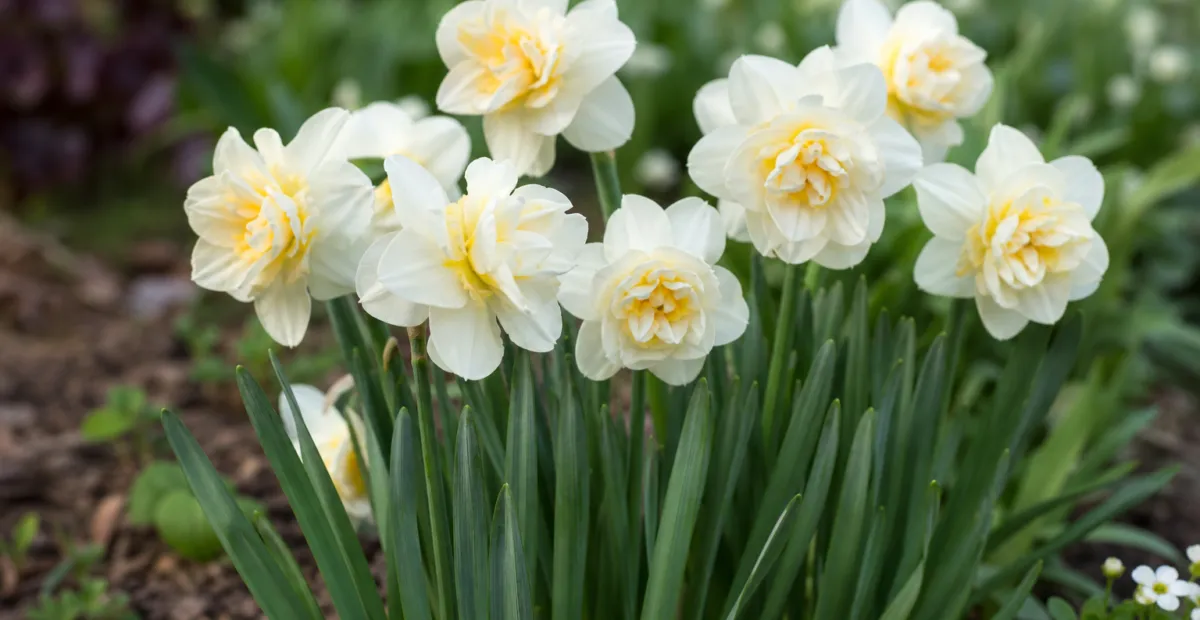
 AI-generated illustration
Narcissus ‘Erlicheer’ short overview
Narcissus 'Erlicheer' is a historic double daffodil valued for its unusually strong, sweet fragrance and clusters of small, gardenia-like flowers. The blooms combine ivory-white outer petals with creamy to pale-yellow inner segments and appear in early spring. This perennial bulb performs well in sunny or lightly shaded borders, containers, and cutting gardens, and it is also a popular choice for indoor forcing. Keep bulbs and plant parts away from children and pets because daffodils are toxic if eaten.
Taxonomic classification
Narcissus ‘Erlicheer’ care guide
Light and placement
Grow in full sun for strongest flowering, with part shade acceptable where summers are hot or afternoon light is intense. An east- or south-facing border with several hours of direct sun is suitable; light woodland-edge conditions can also work. Excess shade produces floppy foliage and fewer flowers, while very exposed windy sites can damage the heavy double heads.
Watering and humidity
Water thoroughly after planting, then maintain even moisture while roots, leaves, and flowers are developing. About 1 inch of water per week from rain or irrigation is a useful general guide during active growth, adjusted for soil and weather. Reduce watering as the foliage yellows and keep dormant bulbs comparatively dry, especially in containers. Avoid standing water around the bulb.
Soil and growing medium
Use loose, fertile soil that drains freely yet holds moderate moisture during active growth. An organically enriched loam is ideal, but the bulbs tolerate a broad range of soils, including clay or sand, provided water does not remain around them. Slightly acidic to neutral conditions are suitable. Avoid freshly manured planting pockets, which can encourage bulb problems.
Feeding
At planting, incorporate a modest amount of mature compost into poor soil rather than using strong fresh manure. In spring, a low-nitrogen bulb fertilizer can be applied as growth begins, following the product label. Do not overfeed after flowering, and avoid high-nitrogen fertilizer, which promotes weak foliage and may reduce bulb performance. Let leaves remain until naturally yellow.
Growth and habit
The bulb produces a compact seasonal clump of strap-like foliage followed by upright flower stems. Growth is concentrated from late winter through spring, after which the above-ground parts naturally decline. Avoid tying, braiding, or cutting green leaves prematurely because the foliage replenishes the bulb for the following year.
Planting and repotting
Plant healthy bulbs in early to mid-fall, while the soil is workable and before persistent freezing. Set each bulb with the pointed end upward at roughly two to three times its own height, with at least 3 inches of soil over the top. Space bulbs about 4–10 inches apart; closer spacing gives a fuller display, while wider spacing supports natural increase. Water once after planting and keep the bed moderately moist during establishment.
Repot forced bulbs after flowering only if they are being grown on for outdoor planting. Move bulbs into a well-drained container or garden bed while the foliage is still green, then allow the leaves to mature naturally. Container-grown bulbs can remain in place for several seasons if drainage is good and the planting medium does not become compacted.
Propagation and pruning
Propagation
Increase established clumps by lifting and separating offsets after the foliage has matured and begun to yellow, usually in early summer. Replant offsets promptly at normal bulb depth. Seed propagation is possible for breeding but does not reproduce the cultivar reliably, so offsets are the practical method for preserving 'Erlicheer' traits.
Pruning
Deadhead spent flowers if seed production is not desired, but leave the foliage untouched until it has yellowed and collapsed naturally. Once fully dormant, remove the dry leaves at soil level. Do not cut green leaves immediately after flowering, because this can weaken next season’s bulb and bloom.
Overwintering
Leave outdoor bulbs in the ground through winter in suitable hardiness zones, with well-drained soil being more important than heavy mulch. In colder locations, a light layer of leaf mold or shredded bark can moderate temperature swings after the ground cools. Containers are more vulnerable to freeze-thaw damage; place them in a sheltered location or move them into an unheated, protected space.
Uses
Use ‘Erlicheer’ in spring borders, mass plantings, rock gardens, containers, balcony displays, and cut-flower arrangements. It is especially valuable where fragrance is a priority and can be forced indoors after appropriate chilling. Do not use any part for food or home remedies; daffodils are toxic if eaten.
Appearance
The plant has narrow, strap-shaped medium-green leaves and upright stems topped by rounded clusters of small, densely double florets. Flowers are predominantly ivory white, with creamy or pale-yellow segments tucked among the inner petals. The clustered, gardenia-like heads and strong fragrance distinguish it from many single-flowered daffodils.
Flowering
This Division 4 double daffodil produces clusters of several small, densely layered flowers on each stem. Bloom is typically early to mid-spring, with timing shifting earlier in mild regions and later in colder areas. Stems may carry multiple florets, creating a bouquet-like appearance. Heavy rain or wind can weigh down the doubled heads, so a sheltered position is helpful.
Pollination and visitors
No cultivar-specific pollination study was located. As a fragrant Narcissus with accessible clustered flowers, it may receive occasional visits from bees, bumblebees, hoverflies, and moths, but visitation is not documented as consistently heavy for ‘Erlicheer’. These observations should not be confused with airborne-allergy risk.
Diseases and pests
Diseases
Prevent basal rot and other bulb diseases by planting only firm bulbs in well-drained soil and avoiding prolonged saturation. Remove and discard soft, rotting, or foul-smelling bulbs rather than composting them. Good air circulation and allowing foliage to die back naturally help reduce recurring problems. Gray mold may appear during persistently wet weather or poor storage.
Pests
Watch for narcissus bulb fly larvae, bulb mites, slugs, and snails. Buy firm, unblemished bulbs and inspect stored material before planting. Avoid waterlogged soil, which increases bulb damage. Remove badly infested or rotting bulbs. Slugs and snails can be managed with hand picking, barriers, or locally approved controls used according to label directions.
Related diseases and pests
Only Plant Doctor profiles whose host data indicate this plant may be affected are shown here.
 DiseaseWhite Root Rot (Rosellinia Root Rot)Rosellinia necatrix Berl. ex Prill. (synonym: Dematophora necatrix)
 PestCitrus mealybugPlanococcus citri
 DiseaseGray MoldBotrytis cinerea
 DiseaseRhizopus soft rotRhizopus stolonifer
 DiseaseBacterial soft rotPectobacterium carotovorum
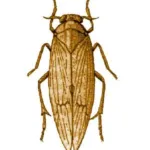 PestBrown planthopperNilaparvata lugens (Stål)
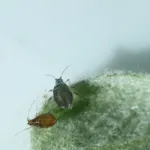 PestRosy Apple AphidDysaphis plantaginea
Toxicity and pollen
Narcissus plants contain lycorine and other alkaloids, with the highest concentration generally in the bulb. Ingestion can cause mouth and stomach irritation, nausea, vomiting, abdominal pain, and diarrhea; sap may also irritate skin. Handle bulbs with gloves if sensitive, never eat them, and seek poison-control or veterinary advice after ingestion.
- Typical season
- Spring bloom period
- Pollination / pollen
- Insect-carried floral pollen
Daffodil pollen is primarily presented within the flower and is not typically dispersed as a large airborne cloud like wind-pollinated tree or grass pollen. Nevertheless, fragrant flowers can still release pollen onto visiting insects, and handling cut flowers may cause minor exposure for sensitive individuals. Evidence specific to ‘Erlicheer’ is unavailable, so the allergy rating is conservative.
Native habitat
This cultivar is a garden hybrid rather than a wild species, so it has no single native habitat. Its probable Narcissus tazetta background is associated with Mediterranean-type regions where bulbs experience moist, cool growth periods followed by comparatively dry summers. In cultivation, it prefers winter-to-spring moisture and summer drainage.
Interesting fact
‘Erlicheer’ is an old cultivar that first flowered in New Zealand in 1934. It is classified as a Division 4 double daffodil. Each stem can carry a bouquet-like cluster of several small florets. Its fragrance is often compared with gardenia. The cultivar is particularly useful for containers and indoor forcing.
Frequently asked questions (FAQ)
The most relevant questions about this plant, with short and direct answers.
🌱Quick care
What is Narcissus 'Erlicheer'?⌄
Narcissus 'Erlicheer' is a fragrant double daffodil that produces clusters of white flowers with creamy centers. It is a hardy perennial bulb commonly grown outdoors in USDA Zones 5–9.
How much sun does Narcissus 'Erlicheer' need?⌄
Plant Narcissus 'Erlicheer' in full sun to part shade, ideally where it receives at least 6 hours of light. More sun generally supports stronger stems and better flowering, provided the soil drains well.
How often should I water Narcissus 'Erlicheer'?⌄
Water Narcissus 'Erlicheer' moderately while it is actively growing and flowering, keeping the soil evenly but not constantly wet. Reduce watering after the foliage yellows and the bulb becomes dormant.
Is Narcissus 'Erlicheer' perennial?⌄
Yes, Narcissus 'Erlicheer' is a perennial bulb that can flower again for many years. Reliable return depends mainly on good drainage, adequate sunlight, and allowing the foliage to mature after flowering.
🌤️Environment and placement
What USDA hardiness zones are suitable for Narcissus 'Erlicheer'?⌄
Narcissus 'Erlicheer' is generally hardy outdoors in USDA Zones 5–9. In colder areas, plant bulbs deeply and use a light mulch after the ground begins to freeze.
Can Narcissus 'Erlicheer' grow in partial shade?⌄
Yes, Narcissus 'Erlicheer' tolerates part shade, especially beneath deciduous trees that are leafless during its spring bloom. Avoid dense, year-round shade because insufficient light can reduce flowering and weaken the bulbs.
What soil is best for Narcissus 'Erlicheer'?⌄
Use fertile, well-drained loam for Narcissus 'Erlicheer'. Drainage is especially important because consistently waterlogged soil can cause bulb rot.
Can Narcissus 'Erlicheer' be grown in containers?⌄
Yes, Narcissus 'Erlicheer' grows well in containers with drainage holes and a quality potting mix. Choose a pot deep enough for the bulbs and protect the container from extreme winter temperature swings.
Is Narcissus 'Erlicheer' deer resistant?⌄
Narcissus 'Erlicheer' is generally avoided by deer and rabbits because narcissus tissues are unpalatable and toxic. However, no plant is completely pest-proof, and bulbs may still be disturbed by some animals.
💧Care and problems
Why is my Narcissus 'Erlicheer' not blooming?⌄
The most common causes are inadequate sunlight, immature or weakened bulbs, planting too shallowly, poor drainage, or foliage removed too early the previous season. Newly planted bulbs may also need a full growing cycle before flowering reliably.
Why are my Narcissus 'Erlicheer' leaves turning yellow?⌄
Yellowing leaves after flowering are usually normal and indicate that Narcissus 'Erlicheer' is entering dormancy. Let the foliage fade naturally before removing it, unless it shows signs of disease or severe damage.
When should I cut back Narcissus 'Erlicheer' foliage?⌄
Cut back Narcissus 'Erlicheer' foliage only after it has turned yellow and loosened naturally. The green leaves photosynthesize and replenish the bulb for next year's flowers.
Should I deadhead Narcissus 'Erlicheer'?⌄
Yes, remove faded flowers from Narcissus 'Erlicheer' to prevent energy being directed into seed production. Leave the flower stem and foliage intact until the leaves naturally decline.
Why are my Narcissus 'Erlicheer' stems floppy?⌄
Floppy stems can result from low light, rich or overly wet soil, wind, or the naturally heavy double flowers. Grow the bulbs in brighter light and a sheltered, well-drained location, and support stems only if necessary.
What problems commonly affect Narcissus 'Erlicheer'?⌄
Narcissus 'Erlicheer' is usually low maintenance, but poorly drained soil can cause bulb rot, while slugs, snails, bulb flies, and narcissus nematodes may occasionally occur. Remove damaged material and improve drainage rather than keeping the soil wet.
🪴Planting and repotting
When should I plant Narcissus 'Erlicheer' bulbs?⌄
Plant Narcissus 'Erlicheer' bulbs in early to mid-fall, before the ground freezes. Fall planting allows roots to develop before spring growth begins.
How deep should Narcissus 'Erlicheer' bulbs be planted?⌄
Plant Narcissus 'Erlicheer' bulbs about two to three times as deep as the bulb is tall, with at least 3 inches of soil over the top. Use the deeper end of that range in colder locations or loose soil.
How far apart should I plant Narcissus 'Erlicheer' bulbs?⌄
Space Narcissus 'Erlicheer' bulbs about 4–10 inches apart, placing larger bulbs farther apart than smaller ones. Planting groups of at least six bulbs creates a fuller display.
Can I plant Narcissus 'Erlicheer' bulbs in spring?⌄
You can plant Narcissus 'Erlicheer' bulbs in spring if they are still firm and healthy, but they may not flower that season. Plant them as soon as possible and expect better performance after they establish.
✂️Propagation and pruning
How do I propagate Narcissus 'Erlicheer'?⌄
Propagate Narcissus 'Erlicheer' mainly by separating offsets from established bulbs after the foliage has died back. Replant healthy offsets promptly at the same depth used for mature bulbs.
Can Narcissus 'Erlicheer' naturalize in the garden?⌄
Yes, Narcissus 'Erlicheer' can naturalize when planted in suitable, well-drained soil and allowed to complete its foliage cycle. Naturalization may be slower in heavy shade, excessively wet soil, or areas with insufficient winter chilling.
Can I grow Narcissus 'Erlicheer' from seed?⌄
Narcissus 'Erlicheer' can produce seed, but seed-grown plants take several years to flower and may not resemble the parent cultivar. Division of offsets is the practical way to preserve its flower form and fragrance.
⚠️Toxicity and safety
Is Narcissus 'Erlicheer' toxic to people?⌄
Yes, Narcissus 'Erlicheer' is toxic if eaten, with the bulbs posing the greatest risk. Keep bulbs and plant parts away from children, and seek medical advice or poison-control guidance after ingestion.
Is Narcissus 'Erlicheer' toxic to dogs and cats?⌄
Yes, Narcissus 'Erlicheer' and other daffodils are toxic to dogs and cats, especially the bulbs. Ingestion can cause vomiting, diarrhea, drooling, tremors, or more serious effects, so contact a veterinarian promptly.
Can I use Narcissus 'Erlicheer' as a cut flower?⌄
Yes, Narcissus 'Erlicheer' makes an excellent fragrant cut flower. Its sap can shorten the vase life of other flowers, so condition it separately before combining it with mixed bouquets.
🌸Flowering and special interest
When does Narcissus 'Erlicheer' bloom?⌄
Narcissus 'Erlicheer' usually blooms in early to mid-spring, often around March or April in temperate parts of the United States. Exact timing varies with climate, planting date, and winter temperatures.
What do Narcissus 'Erlicheer' flowers look and smell like?⌄
Narcissus 'Erlicheer' produces double, strongly fragrant flowers with white outer petals and creamy to pale-yellow centers. Several blooms may cluster on one stem, creating a bouquet-like appearance and a gardenia-like scent.
Can Narcissus 'Erlicheer' be forced indoors?⌄
Yes, Narcissus 'Erlicheer' can be forced indoors in pots for an early display. The bulbs generally need a cool rooting period, and the exact chilling requirement can vary by bulb source and growing conditions.
How long do Narcissus 'Erlicheer' flowers last?⌄
Individual Narcissus 'Erlicheer' flowers usually last several days, while a mature stem or container can remain attractive longer as its clustered buds open in succession. Cool indoor temperatures and protection from heat help extend the display.
Similar plants
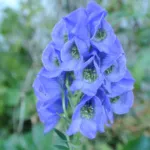 Azure Monkshood (Aconitum carmichaelii) care guideAconitum carmichaelii
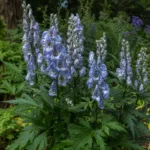 Monkshood (Aconitum ‘Stainless Steel’)Aconitum 'Stainless Steel'
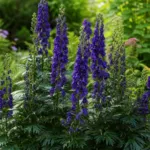 Monkshood (Aconitum ‘Bressingham Spire’)Aconitum 'Bressingham Spire'
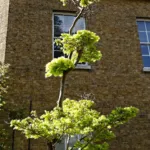 Golden full moon maple (Acer shirasawanum ‘Aureum’)Acer shirasawanum 'Aureum'
 Globosum (Acer platanoides ‘Globosum’)Acer platanoides 'Globosum'
 Striped maple (Acer pensylvanicum) care guideAcer pensylvanicum