
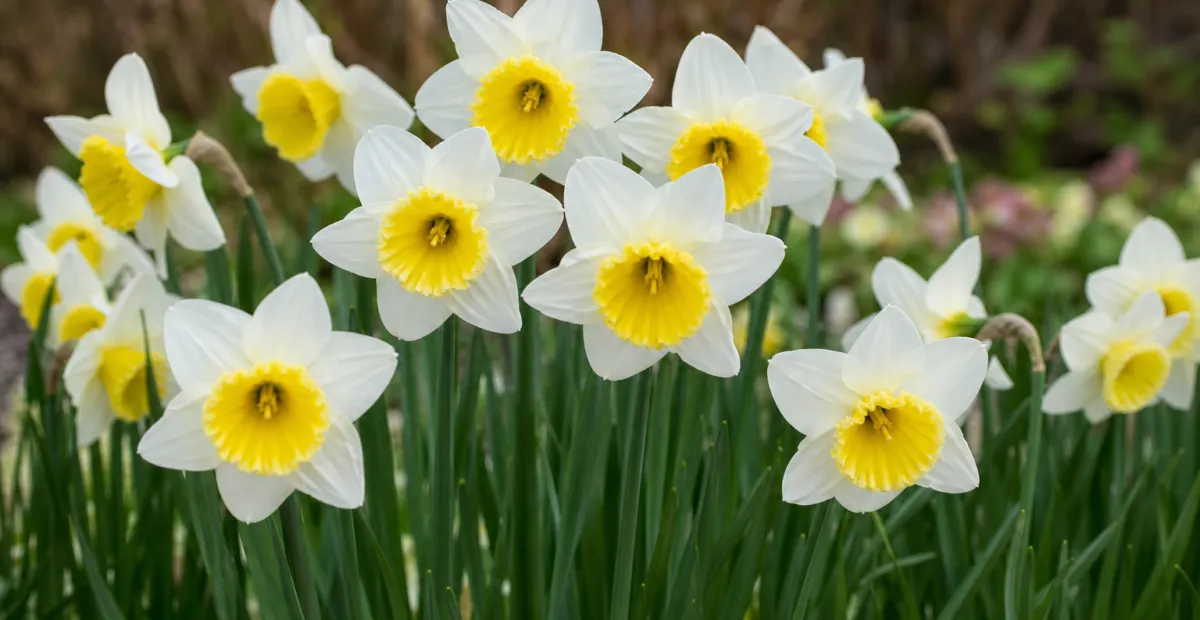
 AI-generated illustration
Narcissus ‘Bravoure’ short overview
Narcissus 'Bravoure' is a classic tall Trumpet daffodil, valued for its solitary, broad white flower and contrasting deep-yellow trumpet that fades toward sulfur yellow. The bulbs are planted in fall for dependable mid- to late-spring performance in much of the United States. It suits sunny borders, informal gardens, meadow-style plantings, slopes, and containers, provided the soil drains well yet stays moderately moist during active growth. Like other daffodils, all parts are poisonous if eaten.
Taxonomic classification
Narcissus ‘Bravoure’ care guide
Light and placement
Grow in full sun for strongest flowering, with partial shade acceptable, especially in hot climates or where afternoon heat shortens bloom. East-, south-, or west-facing beds work well. Thin, weak growth or poor flowering can indicate insufficient light; scorched foliage or rapidly fading flowers can reflect excessive heat or drought.
Watering and humidity
Water thoroughly after planting and maintain even moisture during active growth, especially from shoot emergence through leaf ripening. Let the surface dry slightly between waterings, but do not allow bulbs to sit wet. Reduce watering after the foliage yellows and stop routine irrigation during summer dormancy unless conditions are exceptionally dry.
Soil and growing medium
Use moderately fertile soil that drains freely but does not dry rapidly while the leaves are green. Loam, sandy loam, clay amended with organic matter, and other well-drained garden soils can work. A slightly acidic to neutral or mildly alkaline reaction is tolerated. Avoid persistently waterlogged sites, especially around dormant bulbs.
Feeding
At planting, incorporate mature compost only where soil is poor; avoid rich fresh manure. In spring, a restrained bulb fertilizer can be applied as shoots emerge or immediately after flowering, following the product label. Do not continue heavy feeding after foliage has naturally died back, and avoid high-nitrogen fertilizer that produces leaves at the expense of bulbs.
Growth and habit
A clumping spring bulb produces leaves and flower stems from an underground bulb, then enters summer dormancy after the foliage ripens. Leave leaves attached until they yellow naturally because they replenish the bulb. The sturdy stems and substantial flowers make it useful for grouped plantings and cutting.
Planting and repotting
Plant in fall, before the ground freezes, at a depth of about 6–8 inches or roughly two to three times the bulb’s height; the RHS gives one and a half to two times the bulb’s own depth. Set bulbs with the pointed end up, water once after planting, and allow foliage to mature after flowering.
Container-grown bulbs can remain in place for several seasons if flowering stays strong. Refresh or divide crowded clumps after the foliage yellows. When replanting, use a clean, free-draining bulb mix or garden soil and avoid damaging the basal plate or roots.
Propagation and pruning
Propagation
Separate offsets as the foliage fades in early summer, once leaves have begun to yellow. Replant offsets promptly at normal bulb depth. Seed propagation is possible for breeding but does not reproduce the named cultivar reliably.
Pruning
Deadhead spent flowers if seed production is not wanted, but do not remove green leaves. Allow foliage to yellow and collapse naturally before clearing it. Cut flower stems for arrangements at the base without stripping neighboring leaves.
Overwintering
Leave bulbs outdoors in the ground in suitable climates. In colder areas, mulch lightly after the ground freezes, keeping mulch loose and avoiding a wet, sealed layer over the planting. Containers are more vulnerable to deep freezing; group them in a sheltered location or protect the pots while maintaining cold dormancy.
Uses
Useful in spring borders, informal beds, slopes, meadow-style plantings, patio containers, and as a cut flower. Plant in groups for stronger visual impact. Do not use for food or medicinal preparations; bulbs are poisonous and may be mistaken for onions.
Appearance
The plant forms narrow, strap-like leaves and a leafless flowering stem. Each stem normally carries one broad flower with six white perianth segments and a prominent trumpet-shaped corona. The strongly contrasting white-and-yellow color pattern and long trumpet are key identification features.
Flowering
This Group 1 Trumpet daffodil bears one large flower on each leafless stem. The trumpet is as long as or longer than the surrounding perianth segments, placing it in the Trumpet daffodil division. Bloom is typically mid to late spring, with timing shifting according to winter chill, latitude, and spring temperatures.
Pollination and visitors
As an insect-pollinated Narcissus, the flowers may be visited by bees, bumblebees, and hoverflies seeking pollen or nectar. Evidence is stronger for the genus than for this named cultivar, so attraction is rated low rather than assumed to be a major pollinator resource.
Diseases and pests
Diseases
Use healthy, firm bulbs and avoid poorly drained ground to reduce basal rot. Remove and discard badly affected bulbs. Watch for leaf scorch and virus symptoms such as distorted, streaked, or mottled foliage; remove severely affected plants and control insect vectors where practical.
Pests
Slugs, narcissus bulb fly, narcissus eelworm, bulb scale mite, and other bulb pests may occur. Buy clean bulbs, avoid injury during planting, improve drainage, and remove badly damaged bulbs. Use targeted controls only when identification and local label directions support them.
Related diseases and pests
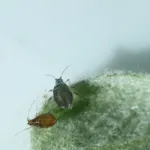
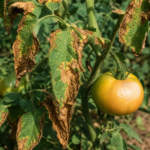
Only Plant Doctor profiles whose host data indicate this plant may be affected are shown here.

Toxicity and pollen
Daffodils contain lycorine and other alkaloids, with the highest concentration generally in the bulbs. Ingestion can cause mouth and stomach irritation, nausea, vomiting, diarrhea, and abdominal pain; large exposures may be more serious. Sap can irritate skin. Keep bulbs and plant debris away from children and pets, and wear gloves when handling if sensitive.
- Typical season
- Spring bloom season
- Pollination / pollen
- Mostly insect-carried pollen; limited airborne dispersal
Daffodil pollen is primarily released within the flower and moved by visiting insects rather than dispersed as a large airborne cloud. Airborne exposure is therefore usually low, but sensitive people can still react to pollen, sap, or cut stems. Ventilate indoor displays and avoid contact with sap if irritation occurs.
Native habitat
This named garden cultivar is not native to the United States and is grown in cultivated beds rather than natural habitat. It performs best in climates that provide winter chilling, spring moisture, and summer drainage during dormancy.
Interesting fact
‘Bravoure’ was registered in 1974 and later received major horticultural recognition, including RHS AGM status. Its American Daffodil Society classification is 1 W-Y: Division 1, white perianth, yellow corona. The cultivar is recorded as a parent in later registered daffodil breeding.
Frequently asked questions (FAQ)
The most relevant questions about this plant, with short and direct answers.
🌱Quick care
What is Narcissus 'Bravoure'?⌄
Narcissus 'Bravoure' is a Division 1 Trumpet daffodil with white petals surrounding a long yellow trumpet. It is a bulbous perennial that typically reaches about 16–20 inches tall.
Is Narcissus 'Bravoure' a daffodil?⌄
Yes, Narcissus 'Bravoure' is a cultivated daffodil. Its accepted horticultural group is Trumpet daffodils, which generally produce one large flower per stem.
When does Narcissus 'Bravoure' bloom?⌄
Narcissus 'Bravoure' usually blooms in mid to late spring. The exact timing varies with USDA zone, winter temperatures, and local spring weather.
How much sun does Narcissus 'Bravoure' need?⌄
Plant Narcissus 'Bravoure' in full sun for the strongest flowering, although it also tolerates partial shade. Bright, filtered shade may be useful in hot climates, but deep shade can reduce blooms.
How often should I water Narcissus 'Bravoure'?⌄
Water Narcissus 'Bravoure' moderately, keeping the soil lightly and consistently moist during active growth. Avoid soggy conditions, especially when the bulb is dormant in summer.
Is Narcissus 'Bravoure' perennial?⌄
Yes, Narcissus 'Bravoure' is a perennial daffodil that can return for many years. Allowing its foliage to mature naturally after flowering helps maintain the bulb for future seasons.
🌤️Environment and placement
Where should I plant Narcissus 'Bravoure'?⌄
Plant Narcissus 'Bravoure' in a sunny or partly shaded border, woodland edge, meadow, bank, or container with good drainage. It performs best where the soil does not remain waterlogged.
What soil is best for Narcissus 'Bravoure'?⌄
Narcissus 'Bravoure' grows well in well-drained loam, sandy soil, or amended clay. Improve heavy clay with organic matter and, where necessary, create raised or sloping planting areas to improve drainage.
Can Narcissus 'Bravoure' grow in clay soil?⌄
Yes, Narcissus 'Bravoure' can grow in clay soil if drainage is improved. Amend compact clay and avoid planting bulbs in places where water collects after rain.
Can Narcissus 'Bravoure' grow in partial shade?⌄
Yes, Narcissus 'Bravoure' tolerates partial shade, particularly beneath deciduous trees that allow spring light through. Flowering is usually strongest with several hours of direct sun.
Is Narcissus 'Bravoure' hardy in the United States?⌄
Narcissus 'Bravoure' is generally hardy outdoors where daffodils can be grown as spring-flowering bulbs. Local performance depends on winter temperatures, summer drainage, and whether bulbs receive suitable chilling.
Can Narcissus 'Bravoure' be grown in containers?⌄
Yes, Narcissus 'Bravoure' grows well in containers with drainage holes and a well-drained potting mix. Protect containers from extreme temperature swings and keep the mix from staying saturated.
💧Care and problems
How do I care for Narcissus 'Bravoure' after flowering?⌄
Deadhead Narcissus 'Bravoure' as the flowers fade, but leave the leaves in place. Continue moderate watering while the foliage is green, then allow it to yellow and die back naturally.
Should I cut back Narcissus 'Bravoure' leaves?⌄
Do not cut or braid Narcissus 'Bravoure' leaves while they are still green. Remove the foliage only after it has naturally yellowed and begun to collapse.
Should I deadhead Narcissus 'Bravoure'?⌄
Yes, remove faded flowers from Narcissus 'Bravoure' to prevent energy being directed into seed production. Leave the flower stem and foliage until they naturally fade unless the stem becomes damaged.
Why is Narcissus 'Bravoure' not flowering?⌄
Narcissus 'Bravoure' may fail to flower because of insufficient light, overcrowded bulbs, poor drainage, immature bulbs, or foliage removed too early in previous seasons. Let the leaves mature naturally and relocate bulbs from deep shade or wet soil.
Why are the leaves of Narcissus 'Bravoure' turning yellow?⌄
Leaves naturally turn yellow after Narcissus 'Bravoure' finishes flowering as the bulb enters dormancy. Premature yellowing, spotting, or collapse can also indicate drought stress, poor drainage, pests, or disease.
How can I prevent Narcissus 'Bravoure' bulbs from rotting?⌄
Prevent bulb rot by planting Narcissus 'Bravoure' in well-drained soil and avoiding excessive summer moisture. Remove damaged bulbs and improve drainage if bulbs repeatedly fail or decay.
What pests affect Narcissus 'Bravoure'?⌄
Narcissus 'Bravoure' can be affected by slugs, narcissus bulb fly, narcissus eelworm, and bulb scale mites. Use healthy bulbs, inspect stored or newly purchased bulbs, and remove badly damaged plant material.
What diseases can affect Narcissus 'Bravoure'?⌄
Potential problems include narcissus basal rot, leaf scorch, and daffodil viruses. Good drainage, clean planting stock, and removing plants with severe distortion or persistent mottling can reduce losses.
🪴Planting and repotting
When should I plant Narcissus 'Bravoure' bulbs?⌄
Plant Narcissus 'Bravoure' bulbs in fall, before the ground freezes. In much of the United States, September through November is suitable, with earlier planting preferred in colder regions.
How deep should I plant Narcissus 'Bravoure' bulbs?⌄
Plant Narcissus 'Bravoure' bulbs about one and a half to two times their own height deep, measuring from the bulb base. Set the pointed end upward and space bulbs so they have room to naturalize.
How far apart should Narcissus 'Bravoure' bulbs be planted?⌄
Space Narcissus 'Bravoure' bulbs several inches apart for individual clumps, or plant them closer for a fuller display. Avoid packing bulbs tightly because crowded clumps may flower less reliably over time.
Can I plant Narcissus 'Bravoure' bulbs in spring?⌄
Fall is the preferred planting season for Narcissus 'Bravoure' bulbs because it supports root development and natural winter chilling. Spring planting may work with viable bulbs, but flowering that season is less dependable.
Can Narcissus 'Bravoure' be forced indoors?⌄
Narcissus 'Bravoure' is primarily suited to outdoor bulb culture, and reliable indoor forcing may be less certain than with specially prepared forcing varieties. If attempted, bulbs generally need a cool rooting period before being brought into warmth.
How do I plant Narcissus 'Bravoure' in a pot?⌄
Use a container with drainage holes and a porous potting mix, then plant the bulbs at roughly one and a half to two times their height deep. Keep the container cool after planting and provide bright light as shoots emerge.
✂️Propagation and pruning
How do I propagate Narcissus 'Bravoure'?⌄
Propagate Narcissus 'Bravoure' by separating offsets after the foliage fades in early summer. Replant healthy offsets promptly or store them briefly in a cool, dry, well-ventilated place.
Can Narcissus 'Bravoure' be grown from seed?⌄
Yes, Narcissus 'Bravoure' can be grown from seed, but seedlings may take several years to flower and will not necessarily reproduce the named cultivar. Offset division is the practical method for preserving 'Bravoure' characteristics.
When should I divide Narcissus 'Bravoure' clumps?⌄
Divide Narcissus 'Bravoure' clumps in early summer after the leaves have faded. Lift the clump carefully, separate firm offsets, and replant them at the recommended depth.
⚠️Toxicity and safety
Is Narcissus 'Bravoure' poisonous?⌄
Yes, all parts of Narcissus 'Bravoure' are toxic if eaten, especially the bulbs. Keep bulbs and plant material away from children and pets, and seek medical or veterinary advice if ingestion occurs.
Can Narcissus 'Bravoure' irritate the skin?⌄
Yes, Narcissus 'Bravoure' sap can irritate the skin. Wear gloves when planting, dividing, or handling damaged bulbs, and wash exposed skin afterward.
Are Narcissus 'Bravoure' flowers safe around pets?⌄
Narcissus 'Bravoure' should be treated as unsafe around dogs, cats, and other pets if eaten. Keep bulbs, cut flowers, and fallen plant pieces inaccessible, particularly during planting and bulb storage.
🌸Flowering and special interest
What do Narcissus 'Bravoure' flowers look like?⌄
Narcissus 'Bravoure' produces large white flowers with a long, straight deep-yellow trumpet that may fade toward sulfur yellow. Flowers are typically carried singly on sturdy stems.
How tall does Narcissus 'Bravoure' grow?⌄
Narcissus 'Bravoure' usually grows about 16–20 inches tall, or approximately 45 centimeters under suitable conditions. Height can vary with soil fertility, light, moisture, and climate.
Is Narcissus 'Bravoure' fragrant?⌄
Reliable cultivar-specific sources do not consistently identify Narcissus 'Bravoure' as notably fragrant. It is best chosen for its white-and-yellow trumpet flower form rather than for a confirmed strong scent.
Does Narcissus 'Bravoure' naturalize?⌄
Narcissus 'Bravoure' can persist and gradually form clumps when planted in suitable, well-drained soil. Naturalization is more likely when the foliage is left to mature and the bulbs are not repeatedly disturbed.
Similar plants
 Azure Monkshood (Aconitum carmichaelii) care guideAconitum carmichaelii
 Monkshood (Aconitum ‘Stainless Steel’)Aconitum 'Stainless Steel'
 Monkshood (Aconitum ‘Bressingham Spire’)Aconitum 'Bressingham Spire'
 Golden full moon maple (Acer shirasawanum ‘Aureum’)Acer shirasawanum 'Aureum'
 Globosum (Acer platanoides ‘Globosum’)Acer platanoides 'Globosum'
 Striped maple (Acer pensylvanicum) care guideAcer pensylvanicum