
 Source:
 Cryptomeria (Cryptomeria japonica) short overview
Cryptomeria japonica is an elegant evergreen conifer grown for its soft, spiraling needles, reddish-brown exfoliating bark, and naturally pyramidal form. Native to Japan and China, it prefers moist, acidic, well-drained soil and performs in full sun or light shade. In U.S. landscapes, the species is useful as a large specimen, screen, woodland accent, or avenue tree, although mature plants need substantial space and protection from prolonged drought.
Taxonomic classification
Cryptomeria (Cryptomeria japonica) care guide
Light and placement
Provide full sun for the densest growth, or light partial shade where summers are hot, especially in the southern part of its U.S. range. Morning sun is helpful because it dries foliage and can reduce blight pressure. Too little light may produce open, weak growth; excessive reflected heat combined with drought can cause browning and scorch.
Watering and humidity
Water deeply and slowly when the upper few inches of soil begin to dry, keeping the root zone consistently moist during establishment and summer drought. Mature trees tolerate brief dry periods but perform poorly under repeated drought. Use mulch to moderate soil temperature and moisture, while avoiding saturated soil and frequent overhead irrigation.
Soil and growing medium
Use deep, fertile soil that holds even moisture without remaining saturated. Loam enriched with compost is ideal, but the species tolerates clay, sand, and compacted urban soil if drainage is adequate. Acidic soil is preferred; a mildly acidic to near-neutral pH is generally workable. Avoid chronically waterlogged sites and excessive salt exposure.
Feeding
Apply a balanced, slow-release evergreen fertilizer in early spring only when soil testing or weak growth indicates a need. A thin annual mulch or compost layer is usually more useful than heavy feeding. Avoid fertilizing drought-stressed, newly transplanted, or late-season plants, since soft late growth can be more vulnerable to winter injury.
Growth and habit
Forms a strong central leader and usually develops a narrow to broad pyramidal crown, with steady growth when soil moisture is reliable. It can become a very large tree, so maintenance is mainly about early site selection, root-zone mulching, drought prevention, and removing only damaged or poorly placed branches. Cultivars provide more manageable forms.
Planting and repotting
Plant in fall or early spring while the soil is workable. Set the root flare level with or slightly above the surrounding soil; do not bury the trunk. Water deeply after planting and mulch over the root zone without touching the bark. Allow at least 20–30 feet for a typical full-size specimen, with greater spacing for large forms or screening designs.
Repot young container plants in early spring before strong growth begins, moving them into a slightly larger pot with a moisture-retentive but sharply draining conifer mix. Root disturbance should be limited. Large established trees are difficult to transplant successfully, so choose the permanent site carefully.
Propagation and pruning
Propagation
Propagate from seed or semi-ripe to hardwood cuttings. Seeds germinate slowly and may benefit from cold stratification. Cuttings generally root slowly and need high humidity, clean media, and patience. Take cuttings from healthy plants in late summer through winter, depending on local climate.
Pruning
Prune in late winter or early spring to remove dead, damaged, crossing, or weakly attached branches. Preserve the natural pyramidal structure and avoid indiscriminate shearing of the main leader. Light formative pruning is best performed while trees are young; major cuts on old wood may heal slowly and leave visible defects.
Overwintering
Outdoor trees in suitable USDA Zones 5–9 generally need no special winter protection once established. Protect young trees from drying wind and abrupt freeze-thaw cycles with deep root-zone mulch and thorough watering before the ground freezes. Container plants have colder roots than in-ground trees; insulate pots or overwinter them in an unheated sheltered location.
Uses
Used ornamentally as a specimen, screen, avenue tree, woodland accent, wind-buffer, and bonsai or container subject when a suitable cultivar is selected. The durable, valued timber is important in Japan and elsewhere. Do not present the plant as a household edible or medicinal herb; landscape use is the relevant U.S. application.
Appearance
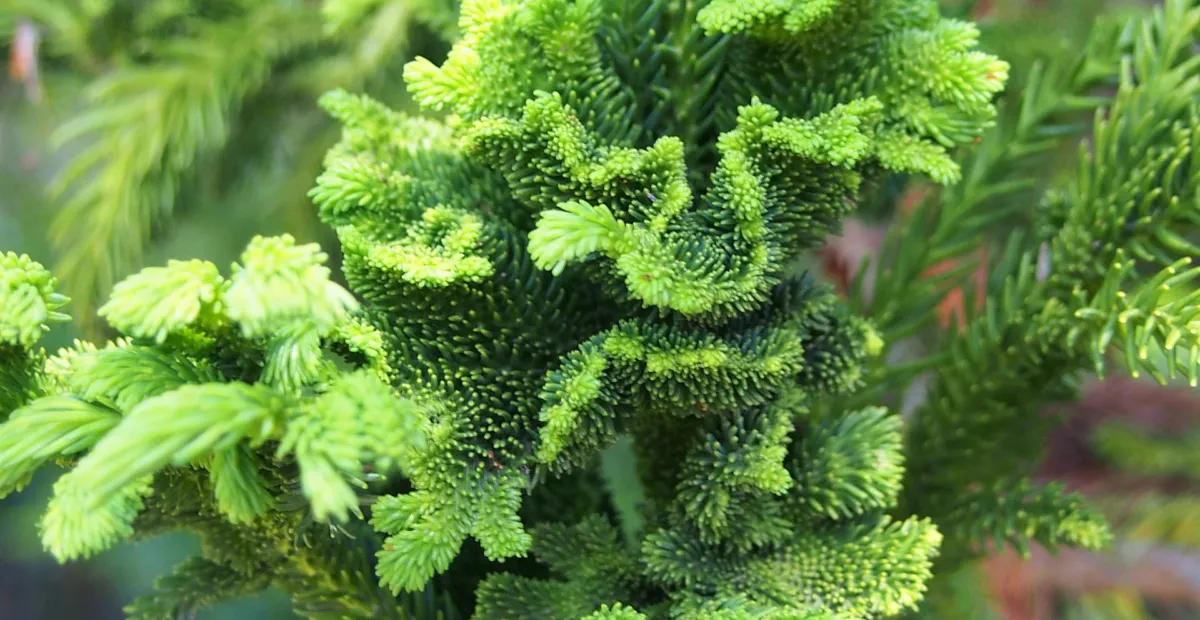
The foliage consists of short, awl-shaped needles that curve inward toward the branchlets, giving shoots a soft, plush texture. Bark is reddish brown and exfoliates in fibrous strips. The trunk is often straight and strongly tapered, while the crown is conical or pyramidal. Small rounded brown seed cones persist on terminal branches.
Pollination and visitors
Cryptomeria japonica is wind-pollinated rather than animal-pollinated. Male cones release abundant airborne pollen, while female cones receive pollen and later develop seeds. Animal visitors are not considered important for pollination of this species.
Cryptomeria japonica photos
Click any photo for a larger view. Source, author and license are shown separately.
Diseases and pests
Diseases
Potential problems include Pestalotiopsis tip blight and dieback, leaf blight, leaf spot, cankers, and occasional root disease. Reduce stress with consistent irrigation, good drainage, adequate spacing, and morning sun that dries foliage. Remove affected twigs during dry weather and avoid overhead irrigation. Severe or uncertain decline warrants diagnosis by a certified arborist or extension plant clinic.
Pests
Usually relatively pest-resistant, but scale insects, spider mites, and nematodes may occur, especially on stressed plants. Inspect browning foliage and branch tips for webbing, stippling, scale covers, or dieback. Improve irrigation and airflow first; use targeted, locally approved controls only when pests are confirmed and damaging.
Toxicity and pollen
Reliable U.S. toxicology listings specifically for Cryptomeria japonica are limited. The species is not generally identified as a major poisonous landscape plant, but ingestion of needles, bark, or cones may cause gastrointestinal upset or mechanical irritation. Keep plant material away from children and pets, and seek professional advice after significant ingestion or if symptoms occur.
- Typical season
- Usually late winter to spring in the United States; timing varies by climate
- Pollination / pollen
- Abundant, wind-dispersed conifer pollen
The species produces abundant, easily airborne pollen from male cones. Cryptomeria pollen is a major cause of seasonal pollinosis in Japan, while allergy relevance in the United States is less consistently documented and may depend on local plantings. People with known conifer-pollen sensitivity should avoid handling pollen-producing branches during release.
Native habitat
Native mainly to temperate and humid regions of central and southern Japan and parts of south-central and southeastern China. It is associated with moist mountain forests, valleys, and fertile upland soils, often in climates with substantial rainfall. Naturalized and extensively planted populations occur in several temperate regions outside its native range.
Interesting fact
The genus name refers to the seeds being hidden within the female cone scales. Japanese plantations and cultivated trees can become extremely large and long-lived. The reddish-brown bark exfoliates in strips, adding winter interest. Many ornamental cultivars differ substantially in size, density, color, and winter foliage tone.
Frequently asked questions (FAQ)
The most relevant questions about this plant, with short and direct answers.
🌱Quick care
What is cryptomeria?⌄
Cryptomeria is an evergreen conifer formally known as Cryptomeria japonica. It is often called Japanese cedar, although it is not a true cedar, and it can grow as either a large tree or a compact cultivar.
How much sun does cryptomeria need?⌄
Cryptomeria grows best in full sun, but it also tolerates partial shade. More sunlight generally supports denser growth, while afternoon shade can help reduce stress in hot climates.
How often should I water cryptomeria?⌄
Water cryptomeria regularly enough to keep the soil evenly moist, especially during its first growing season and during drought. Established trees tolerate some dryness, but young plants should not be allowed to dry out completely.
What USDA hardiness zones are best for cryptomeria?⌄
Cryptomeria is generally hardy outdoors in USDA Zones 5 through 9. Cultivar hardiness can vary, so check the specific variety before planting in a colder or exposed location.
🌤️Environment and placement
Where should I plant cryptomeria?⌄
Plant cryptomeria in a spacious location with full sun to partial shade, moist soil, and good air circulation. Choose a site sheltered from persistent high winds, particularly in colder parts of its range.
How big does cryptomeria get?⌄
The species can eventually reach about 50 to 80 feet tall and 20 to 30 feet wide, although many landscape cultivars are much smaller. Always check the mature size of the named cultivar before planting near buildings or utility lines.
Is cryptomeria a good privacy screen?⌄
Cryptomeria can make an effective evergreen screen when the selected cultivar has suitable mature height, width, and density. Space plants according to their mature spread rather than their nursery-container size.
Can cryptomeria grow in shade?⌄
Cryptomeria tolerates partial shade but usually grows more densely and evenly with several hours of direct sun. Deep shade may produce thinner, less vigorous growth.
Can cryptomeria grow in containers?⌄
Small or dwarf cryptomeria cultivars can grow in large containers, provided the pot drains freely and the plant is watered consistently. Container roots are more exposed to winter cold and summer drying than roots in the ground.
Does cryptomeria tolerate wind?⌄
Cryptomeria prefers protection from strong, drying winds. Winter wind can cause browning or dieback, especially on young plants and specimens growing near the colder edge of their hardiness range.
💧Care and problems
What soil is best for cryptomeria?⌄
Use moist, fertile, well-drained soil with an acidic to slightly acidic reaction. Heavy, persistently waterlogged soil can cause root stress even though cryptomeria prefers consistent moisture.
Why is my cryptomeria turning brown?⌄
Brown foliage can result from drought, winter wind, transplant stress, root problems, or fungal disease. Some cultivars also develop normal bronze or reddish winter coloration, so inspect whether new growth remains healthy in spring.
Does cryptomeria turn brown in winter?⌄
Some cryptomeria cultivars naturally bronze or turn reddish brown during cold weather and return greener in spring. Persistent browning, brittle branches, or browning concentrated on one side may instead indicate winter injury, drought, or disease.
Why is my cryptomeria losing needles?⌄
Cryptomeria may shed older interior needles naturally, but widespread or sudden needle loss usually indicates drought, transplant shock, winter injury, poor drainage, or fungal problems. Check soil moisture and examine the foliage and branch tips for discoloration or lesions.
What diseases affect cryptomeria?⌄
Cryptomeria can be affected by leaf spot, leaf blight, and other fungal diseases that cause browning or dieback. Improve air circulation, avoid keeping the foliage wet, and remove badly affected material when practical.
Is cryptomeria drought tolerant?⌄
Established cryptomeria has moderate drought tolerance, but it performs best with regular moisture. Young trees and plants in containers need supplemental irrigation whenever the root zone begins to dry.
Does cryptomeria need fertilizer?⌄
Cryptomeria usually needs little fertilizer when planted in fertile soil. If growth is weak or foliage is unusually pale, test the soil before applying a slow-release fertilizer labeled for acid-loving landscape plants.
🪴Planting and repotting
When is the best time to plant cryptomeria?⌄
Early spring or fall is generally the best time to plant cryptomeria in the United States. Planting during mild weather gives the roots time to establish before summer heat or winter cold.
How do I plant cryptomeria correctly?⌄
Plant cryptomeria with the root flare at or slightly above the surrounding soil level, then backfill with native soil and water deeply. Keep mulch several inches away from the trunk and maintain even moisture while the tree establishes.
Can cryptomeria be transplanted?⌄
Cryptomeria can transplant successfully, especially when moved with a substantial root ball and watered carefully afterward. Avoid transplanting during extreme heat, drought, or freezing weather, and provide consistent moisture during recovery.
How far apart should cryptomeria trees be planted?⌄
Spacing depends on the cultivar and its mature width, but plants intended for a screen should not be crowded closer than their long-term spread allows. Use narrower spacing only when the cultivar is specifically selected for a dense, narrow hedge or screen.
✂️Propagation and pruning
How is cryptomeria propagated?⌄
Cryptomeria is commonly propagated from softwood cuttings or by layering. Cuttings can root slowly, while propagation from seed is less reliable and may not reproduce the appearance of a selected cultivar.
Can cryptomeria be grown from seed?⌄
Cryptomeria can be grown from seed, but germination may be slow or inconsistent. Seedlings also vary genetically, so cuttings are preferred when reproducing a particular cultivar.
When should cryptomeria be pruned?⌄
Prune cryptomeria lightly in late winter or early spring before strong new growth begins. Remove dead, damaged, crossing, or poorly positioned branches rather than routinely shearing the natural form.
Can cryptomeria be cut back hard?⌄
Avoid severe cutting into old, bare wood because cryptomeria may produce little or no new growth from heavily defoliated branches. Make selective cuts while foliage remains on the retained branch.
⚠️Toxicity and safety
Is cryptomeria toxic to dogs or cats?⌄
Cryptomeria is not widely established as a highly toxic plant, but its safety for pets has not been definitively established in all veterinary references. Prevent pets from eating large amounts of foliage or cones and contact a veterinarian if symptoms occur.
Is cryptomeria poisonous to people?⌄
Cryptomeria is not generally regarded as a highly poisonous landscape plant, but definitive toxicity information is limited. Do not ingest the foliage, bark, or cones, and seek medical advice after suspected ingestion or an allergic reaction.
Does cryptomeria cause allergies?⌄
Cryptomeria produces pollen and may aggravate sensitivities in susceptible people, particularly when male cones release abundant pollen. Allergy impact varies by cultivar, season, and individual response.
🌸Flowering and special interest
Does cryptomeria flower?⌄
Cryptomeria does not produce showy flowers; it produces separate male and female cones on the same plant. The small cones are usually more noticeable as the tree matures.
When does cryptomeria produce cones?⌄
Cryptomeria produces pollen-bearing male cones and seed-bearing female cones during its reproductive season, with mature brown female cones persisting on the branches. Cone production varies with age, cultivar, and growing conditions.
Why is my cryptomeria producing lots of brown cones?⌄
Brown cones are usually normal mature seed cones rather than a sign of disease. Heavy cone production can be characteristic of some cultivars, while others are selected for fewer conspicuous male cones.
Similar plants
 Globosa Nana (Cryptomeria japonica ‘Globosa Nana’)Cryptomeria japonica 'Globosa Nana'
 Hesperotropsis leylandii care guideHesperotropsis leylandii
 Incense Cedar (Calocedrus decurrens) care guideCalocedrus decurrens
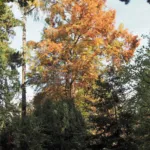 Taxodium ‘Distichum’Taxodium 'Distichum'
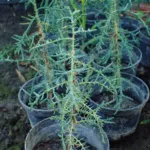 Mediterranean Cypress (Cupressus sempervirens) care guideCupressus sempervirens