
 Source:
 Creeping daisy or mini marguerite (Mauranthemum paludosum) short overview
Creeping daisy or mini marguerite is a compact Mediterranean member of the daisy family, grown in the United States mainly as a cool-season annual and sometimes as a short-lived perennial. Its low, branching plants carry abundant small white flower heads with yellow centers. Give it full sun, moderately fertile soil and reliable drainage; use it in border fronts, rock gardens, containers or alongside spring bulbs.
Taxonomic classification
Creeping daisy or mini marguerite (Mauranthemum paludosum) care guide
Light and placement
Choose an open site with full sun, ideally receiving at least 6 hours of direct light. A south- or west-facing border, raised bed or bright container location supports compact growth and abundant flowering. Too little light causes stretching, sparse flowers and weaker stems; excessive heat reflected from pavement can shorten the display in hot climates, so provide afternoon protection where summers are severe.
Watering and humidity
Water deeply when the top inch of soil begins to dry, allowing excess water to drain away. Keep plants more evenly moist during establishment, flowering and unusually warm weather, but do not keep the root zone saturated. Reduce watering during cool, rainy periods and after flowering declines. Container plants may need more frequent checks than plants in the ground.
Soil and growing medium
Use a moderately fertile, loose soil that drains freely after watering. Sandy or loamy ground is suitable, and raised beds or containers help prevent winter or rainy-season saturation. A slightly acidic to neutral reaction is suitable; avoid heavy, persistently waterlogged clay unless it is substantially amended for drainage.
Feeding
Work a modest amount of compost into the planting area before planting, then feed only if growth is pale or weak. A balanced, slow-release fertilizer applied according to its label in spring is usually sufficient. Avoid heavy nitrogen feeding, which can produce lush foliage with fewer flowers, and do not fertilize drought-stressed, waterlogged or dormant plants.
Growth and habit
Plants form low, branching clumps and can spread outward modestly as stems develop. They are quick to establish from seed and often flower generously without intensive maintenance. In mild climates they may persist beyond one season, while cold, heat or drought commonly shortens their life. Remove spent plants promptly if self-seeding is unwanted.
Planting and repotting
Plant nursery starts in early fall where winters are mild, or after the last spring frost in colder regions. Set plants at the same depth as their original container and space them about 10–12 inches apart. Water consistently during establishment, then allow the surface to dry slightly between thorough waterings.
Repot container-grown plants only when roots have filled the pot or drainage has declined. Move them into fresh, free-draining potting mix in early fall for winter displays or in spring for cool-season growth. Handle the root ball gently, keep the crown at its original level, and water thoroughly after transplanting.
Propagation and pruning
Propagation
Propagate from seed. Sow indoors several weeks before planting out or direct-sow when conditions are suitable; cover lightly because seedlings need light or only a very thin layer of medium. In mild climates, self-sown seedlings may appear around established plants. Division and cuttings are not the usual documented methods.
Pruning
Deadhead regularly if you want a tidier display and to reduce self-sowing. After the main flowering period, cut back exhausted stems to encourage fresh growth where the climate permits another flush. Remove plants after frost or severe decline when grown as annuals. Avoid cutting into a wet crown or leaving dense debris against the base.
Overwintering
In mild-winter regions, plants may continue flowering through winter if protected from hard freezes and prolonged wet soil. In colder areas, treat them as seasonal annuals. Containers can be moved into a bright, cool, frost-free space, but overwintering is less reliable than starting fresh plants from seed.
Uses
Use it as a seasonal bedding plant, border-front accent, rock-garden subject, spring-bulb companion or container filler. Its compact habit and long cool-season display are especially useful in mild-winter regions. It is ornamental rather than a documented culinary or medicinal crop; do not promote ingestion.
Appearance
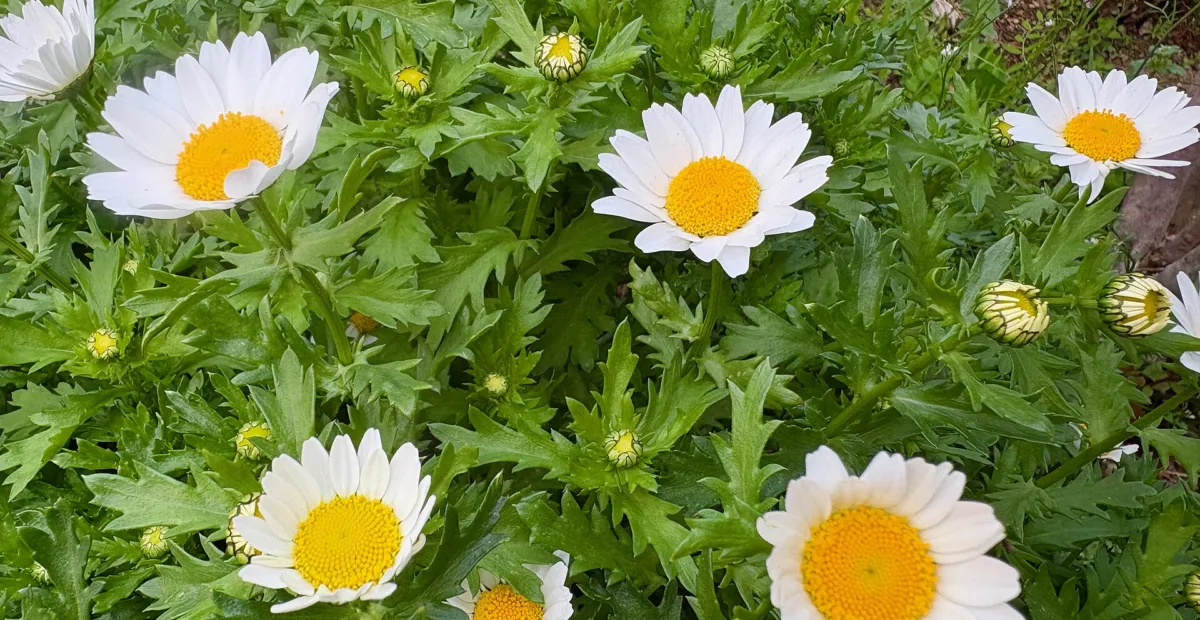
This is a low, branching herb with smooth to slightly textured green stems and dark-green leaves that are obovate to spoon-shaped, toothed or deeply lobed. The small flower heads sit above the foliage on slender stalks. The combination of compact size, toothed leaves and white rays around yellow centers helps distinguish it from larger oxeye daisies.
Flowering
The flower head is a small daisy-like capitulum, typically about 1–1½ inches across, with white ray florets surrounding a yellow disc. Flowering is favored by cool to mild weather and bright sun. In mild parts of the United States it is commonly grown for fall, winter and spring color; in cooler areas it flowers from spring into summer.
Pollination and visitors
Open daisy flower heads provide accessible pollen and nectar resources for small bees, hoverflies and other flower-visiting insects. The available evidence supports these visitor groups rather than a confidently identified single pollinator species. Avoid insecticide applications while plants are in bloom.
Mauranthemum paludosum photos
Click any photo for a larger view. Source, author and license are shown separately.
Diseases and pests
Diseases
Prevent disease by providing full sun, good air circulation and fast drainage. Overly wet soil can encourage root and crown rots, while dense, wet foliage may develop fungal spotting. Remove badly affected tissue, avoid overhead irrigation, and discard severely diseased plants rather than repeatedly treating a declining specimen.
Pests
Aphids, slugs and snails, and occasional leaf-feeding pests may occur. Inspect new growth and flower buds regularly. Use hand removal, water sprays or appropriately labeled low-impact controls when needed, and reduce shelter for slugs and snails. Avoid unnecessary broad-spectrum insecticides during bloom to protect flower visitors.
Toxicity and pollen
No reliable species-specific evidence establishing significant toxicity to people or pets was located in the reviewed authoritative material. As with any ornamental plant, avoid ingestion, supervise children and animals, and discontinue contact if skin or digestive irritation occurs. Do not treat the absence of reports as proof of absolute safety.
- Typical season
- During flowering, commonly fall–spring in mild U.S. climates
- Pollination / pollen
- Insect-dispersed composite-flower pollen
This is an insect-pollinated daisy, so pollen is generally released from the flower head rather than carried in large airborne clouds like wind-pollinated plants. Exposure is expected to be lower than for many wind-pollinated plants, but sensitive people may still react to pollen or plant contact during flowering.
Native habitat
The species is native to eastern and southern Spain, the Balearic Islands and northwestern Africa. It is associated with Mediterranean climates and can occur in disturbed, open places, including sandy or rocky ground at low elevations. In cultivation it performs best where winter or rainy-season moisture does not remain around the crown.
Interesting fact
The accepted genus name Mauranthemum was published in 1995.
Older references often list the plant as Leucanthemum paludosum.
The species is native to southwestern Europe and northwestern Africa.
Flower heads can close during dull weather and reopen in sunshine.
It may behave as an annual or perennial depending on climate.
Frequently asked questions (FAQ)
The most relevant questions about this plant, with short and direct answers.
🌱Quick care
What is Mauranthemum paludosum commonly called?⌄
Mauranthemum paludosum is commonly called creeping daisy or mini marguerite. It is a compact daisy relative in the Asteraceae family and may also appear in older horticultural references under a former name.
Is Mauranthemum paludosum an annual or perennial?⌄
Mauranthemum paludosum is botanically a perennial but is commonly grown as a cool-season annual in the United States. It may survive winter only in mild, frost-free climates.
How much sunlight does creeping daisy need?⌄
Creeping daisy grows best in full sun, meaning at least 6 hours of direct sunlight daily. Less light can reduce flowering and produce leggier growth.
How often should I water Mauranthemum paludosum?⌄
Water Mauranthemum paludosum moderately, keeping the soil evenly and lightly moist without leaving it soggy. Let the soil surface begin to dry between waterings, especially in containers.
Is creeping daisy frost hardy?⌄
Creeping daisy is not reliably frost hardy and should be protected from frost. In most parts of the United States, grow it as an annual or move container plants indoors before freezing weather.
🌤️Environment and placement
Where should I plant Mauranthemum paludosum outdoors?⌄
Plant Mauranthemum paludosum in a sunny, sheltered bed, rock garden, border front, or container. Choose a site with good air circulation and soil that drains freely.
Can creeping daisy grow in partial shade?⌄
Creeping daisy can tolerate some partial shade, but full sun produces the strongest, most compact growth and best flowering. Afternoon shade may be useful in very hot regions if the plant remains bright.
What USDA hardiness zones suit Mauranthemum paludosum?⌄
Mauranthemum paludosum is best treated as a tender annual in areas with regular frost. In the United States, it may persist as a perennial in mild, frost-free parts of roughly USDA Zones 9–11, but local winter conditions matter.
Can creeping daisy grow in containers?⌄
Yes, creeping daisy grows well in containers because it stays compact and has a low, bushy habit. Use a pot with drainage holes and a quality potting mix that does not stay waterlogged.
What soil is best for Mauranthemum paludosum?⌄
Use well-drained, moderately fertile loam or sandy loam for Mauranthemum paludosum. Avoid heavy, compacted soil that holds excess water around the roots.
💧Care and problems
Why is my creeping daisy not flowering?⌄
Insufficient sunlight is a common reason creeping daisy fails to flower, followed by excessive nitrogen, transplant stress, or overly wet soil. Move it to full sun and avoid heavy fertilizer while correcting drainage.
Why is Mauranthemum paludosum turning yellow?⌄
Yellow leaves on Mauranthemum paludosum often indicate overwatering, poor drainage, or stressed roots. Check that the container or planting site drains freely and reduce watering if the soil remains wet.
Does creeping daisy need fertilizer?⌄
Creeping daisy usually needs only modest feeding in moderately fertile soil. If growth is weak, apply a balanced flowering-plant fertilizer according to the product label rather than using excessive nitrogen.
What pests affect Mauranthemum paludosum?⌄
Aphids, spider mites, thrips, and caterpillars can occasionally affect Mauranthemum paludosum. Inspect new growth and leaf undersides regularly, and use a suitable labeled treatment only when pests are confirmed.
What diseases can creeping daisy get?⌄
Creeping daisy may develop root or crown rot, leaf spots, gray mold, or powdery mildew when conditions are wet or poorly ventilated. Good drainage, careful watering, and adequate spacing reduce these problems.
How do I keep creeping daisy compact?⌄
Keep creeping daisy compact by providing full sun, avoiding excessive nitrogen, and trimming back stretched or damaged stems. Light pinching early in the season can encourage branching.
🪴Planting and repotting
When should I plant creeping daisy outdoors in the United States?⌄
Plant creeping daisy outdoors after the danger of frost has passed in your area. In mild climates, it can also be planted in fall for cool-season growth and flowering.
How far apart should I space Mauranthemum paludosum plants?⌄
Space Mauranthemum paludosum about 8–12 inches apart, adjusting for the cultivar and desired coverage. Allowing air movement between plants helps reduce disease pressure.
Can I grow Mauranthemum paludosum from seed?⌄
Yes, Mauranthemum paludosum is commonly grown from seed. Sow the seed on or barely cover it with fine growing medium, keep it evenly moist, and provide bright light during germination.
Should I repot creeping daisy after buying it?⌄
Repot creeping daisy only when the nursery container is crowded, root-bound, or poorly drained. Move it into a slightly larger container with fresh, well-drained potting mix and water it thoroughly afterward.
✂️Propagation and pruning
How do I propagate Mauranthemum paludosum?⌄
Propagate Mauranthemum paludosum primarily from seed. Collect mature, dry seed heads or purchase seed, then sow in a sterile, well-drained medium under bright conditions.
Does creeping daisy self-seed?⌄
Creeping daisy may self-seed in suitable gardens if spent flower heads are left to mature. Seedlings are less dependable in cold climates because frost can kill the parent plants and young plants.
Should I deadhead Mauranthemum paludosum?⌄
Yes, deadhead Mauranthemum paludosum by removing faded flower heads to improve its appearance and encourage continued flowering. Leave a few mature heads if you want to collect seed or encourage self-sowing.
Can creeping daisy be propagated from cuttings?⌄
Cuttings may be possible, but seed is the more established and practical propagation method for creeping daisy. Reliable species-specific guidance for routine cutting propagation is limited.
⚠️Toxicity and safety
Is Mauranthemum paludosum poisonous to dogs or cats?⌄
There is no confirmed species-specific toxicity classification for Mauranthemum paludosum. Because it is a daisy-family plant and plant identifications can be confused, prevent pets from eating it and contact a veterinarian or poison-control service if ingestion causes symptoms.
Is creeping daisy safe to grow around children?⌄
Creeping daisy has no confirmed species-specific toxicity classification, but it should not be treated as edible. Teach children not to chew ornamental plants, soil, or plant parts.
🌸Flowering and special interest
When does Mauranthemum paludosum bloom?⌄
Mauranthemum paludosum generally blooms from spring or early summer into fall when grown under suitable conditions. In mild climates, flowering may continue for an extended season if plants receive full sun and regular moisture.
What do creeping daisy flowers look like?⌄
Creeping daisy produces small white daisy-like flower heads with yellow centers. The flowers are held above compact, toothed green foliage and create a bright edging or container display.
Why do creeping daisy flowers close?⌄
Creeping daisy flowers may close or appear less open in low light, cloudy weather, or at night. They typically open more fully when exposed to bright sunlight.
Is Mauranthemum paludosum good for borders and rock gardens?⌄
Yes, Mauranthemum paludosum is well suited to border fronts, rock gardens, edging, and containers. Its compact habit and small white-and-yellow flowers work especially well in sunny spaces.
Similar plants
 Grass-leaved Oxeye Daisy (Leucanthemum graminifolium) care guideLeucanthemum graminifolium
 Oxeye daisy (Leucanthemum vulgare) care guideLeucanthemum vulgare
 Argyranthemum frutescens care guideArgyranthemum frutescens
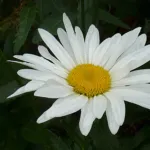 Shasta Daisy (Leucanthemum superbum) care guideLeucanthemum superbum
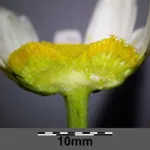 He oxeye daisy (Leucanthemum ircutianum) care guideLeucanthemum ircutianum
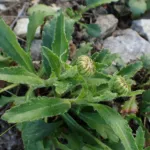 Leucanthemum adustum care guideLeucanthemum adustum