
 Source:
 Grass-leaved Oxeye Daisy (Leucanthemum graminifolium) short overview
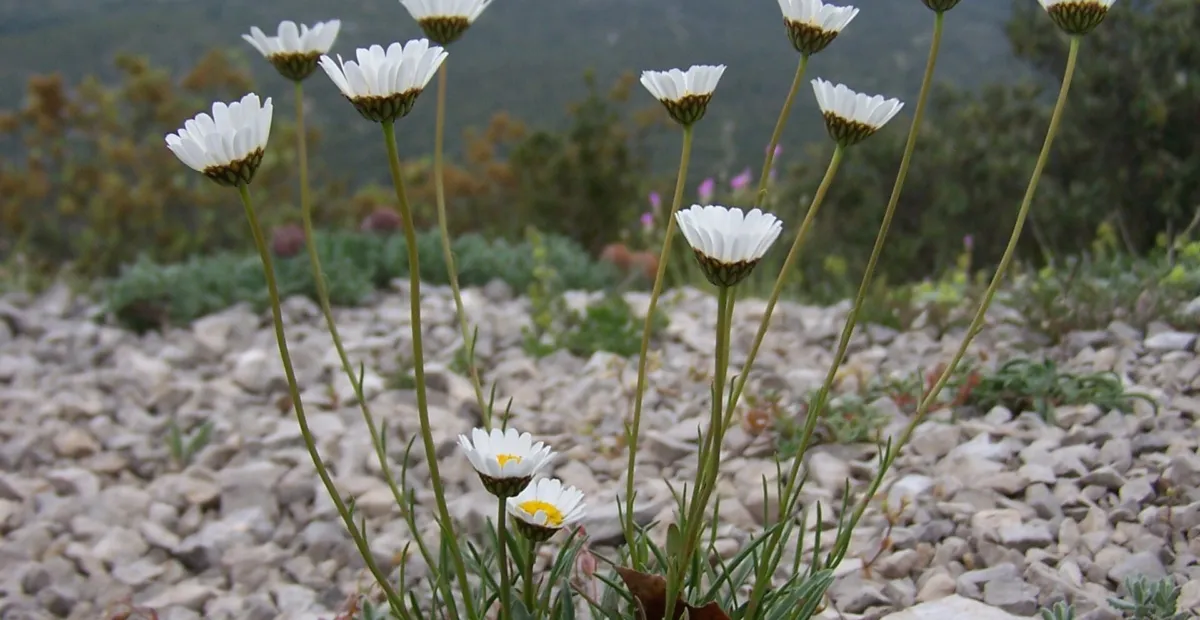
Grass-leaved Oxeye Daisy, Leucanthemum graminifolium, is a clump-forming perennial daisy native to southern France. Its narrow, grass-like leaves distinguish it from broader-leaved oxeye daisies, while its slender stems carry white ray florets around yellow centers. Give it full sun, sharply drained soil, and moderate moisture during establishment. It is an unusual specialty plant for rock gardens, alpine-style borders, and sunny containers, but species-specific U.S. nursery and hardiness information is limited.
Taxonomic classification
Grass-leaved Oxeye Daisy (Leucanthemum graminifolium) care guide
Light and placement
Provide at least 6 hours of direct sun, ideally with a south- or west-facing exposure and open airflow. In hot inland areas, morning sun with light afternoon relief may reduce stress, but shade can weaken flowering and produce lankier growth. Pale, stretched stems suggest insufficient light; scorched foliage or rapid wilting suggests excessive heat combined with inadequate root moisture.
Watering and humidity
Water deeply when the upper 1–2 inches of soil dry, then allow excess water to drain completely. Keep moisture more consistent during the first growing season and during active flowering; reduce watering in cool weather and after dormancy. Do not leave containers standing in water. Average humidity is adequate, and added humidity is unnecessary.
Soil and growing medium
Use a gritty, sharply drained soil or rock-garden mix. A loam amended with coarse mineral material is preferable to heavy, waterlogged clay. The species is associated with southern France and may tolerate calcareous conditions; avoid persistently wet organic substrates. Slightly alkaline to neutral soil is a reasonable starting point, although precise species-specific pH trials are not well documented.
Feeding
Apply a thin layer of compost in spring or use a balanced, slow-release fertilizer at label rate if growth is weak. Avoid heavy nitrogen feeding, which can produce lush foliage and fewer flowers. Do not fertilize dry, newly transplanted, diseased, or waterlogged plants.
Growth and habit
This is a clump-forming herbaceous perennial rather than a spreading vine or woody shrub. Keep the crown uncrowded and divide aging clumps when flowering weakens or the center becomes congested. Good drainage is more important than high fertility for maintaining a compact, healthy habit.
Planting and repotting
Plant in spring after the soil can be worked, or in early fall where winters are reliably moderate. Set the crown level with the surrounding soil and water thoroughly once. Allow air movement around the clump and keep competing weeds away while roots establish.
Repot container plants in early spring, moving them only one pot size larger. Refresh compacted, poorly drained mix and preserve the crown at its original depth. Use a pot with generous drainage holes and a mineral-rich substrate; avoid frequent disturbance once established.
Propagation and pruning
Propagation
Propagate by seed or division. Sow fresh seed in a well-drained medium and avoid burying it deeply; germination requirements for this exact species are not well standardized. Divide established clumps in early spring or early fall, keeping several shoots and healthy roots in each division.
Pruning
Deadhead spent flower heads to maintain a tidy appearance and potentially prolong flowering. Cut remaining stems back near ground level after the flowering period or in late winter before new growth begins. Avoid cutting into an actively emerging crown.
Overwintering
In Zones 6–9, leave the crown outdoors in well-drained soil and avoid winter wet. A light mulch can buffer freeze-thaw cycles, but keep it off the crown. In colder or poorly drained locations, grow in a container and overwinter in an unheated, sheltered space kept cool and only lightly moist.
Uses
Useful as an ornamental perennial for sunny borders, gravel gardens, alpine-style plantings, raised beds, and containers with excellent drainage. Its daisy flower heads may provide general insect forage, but it should not be promoted as a specialized pollinator plant without local observations. No culinary or medicinal use is established here.
Appearance
Identification centers on narrow, grass-like leaves and daisy-type heads carried on slender flowering stems. The foliage is green and the plant forms a basal clump. Compared with broad-leaved oxeye daisies, the leaf shape is notably linear to narrow, although field identification should be checked against a regional key.
Flowering
The species produces daisy-like flower heads composed of white ray florets surrounding a yellow central disc. It is described as a spring- and summer-interest perennial in horticultural references, but exact flowering dates vary by latitude and are not well documented for the United States.
Pollination and visitors
The open disc florets of Leucanthemum-type flower heads are accessible to small bees and hoverflies. Evidence specific to L. graminifolium is sparse, so the attraction rating is provisional rather than based on a documented specialist relationship.
Diseases and pests
Diseases
Generally low disease concern when grown in full sun with good air circulation and drainage. Watch for crown or root problems in saturated soil; remove affected tissue, improve drainage, and avoid overhead watering. Species-specific disease records are limited.
Pests
Aphids may occur on soft growth. Inspect shoot tips and flower stems; use water spray or insecticidal soap when needed, following the product label. Slugs may damage young growth in damp sites. Avoid routine broad-spectrum insecticides during bloom.
Related diseases and pests
Only Plant Doctor profiles whose host data indicate this plant may be affected are shown here.
Toxicity and pollen
No authoritative, species-specific human or companion-animal toxicity record was located in the sources reviewed. Do not treat the absence of a record as proof of safety. Keep unfamiliar plant material away from children and pets, and seek medical or veterinary advice after ingestion or a significant reaction.
- Typical season
- Late spring through summer when flowering
- Pollination / pollen
- Primarily insect-presented pollen
As an insect-pollinated Asteraceae, its pollen is primarily presented to flower visitors rather than released in large quantities by wind. Airborne exposure is therefore likely lower than for wind-pollinated plants, but not necessarily zero; sensitive people may still react to daisy-family pollen or plant contact.
Native habitat
The species is native to France, particularly southern regions, where it occurs in Mediterranean-influenced landscapes. Its apparent preference for sunny, well-drained and sometimes calcareous conditions makes gravelly or limestone-influenced garden sites more suitable than heavy, moisture-retentive ground.
Interesting fact
The accepted name has the historical synonym Chrysanthemum graminifolium. Its species epithet graminifolium means “grass-leaved,” referring to the narrow foliage. The accepted native range is France, with records concentrated in the southern part of the country.
Frequently asked questions (FAQ)
The most relevant questions about this plant, with short and direct answers.
🌱Quick care
What is Leucanthemum graminifolium called in the United States?⌄
Its verified common name is Grass-leaved Oxeye Daisy, and its accepted scientific name is Leucanthemum graminifolium. It belongs to the daisy family, Asteraceae.
Is Grass-leaved Oxeye Daisy a perennial?⌄
Yes, Leucanthemum graminifolium is a perennial daisy. Its exact lifespan and growth habit may vary with climate and site conditions.
How much sun does Leucanthemum graminifolium need?⌄
Leucanthemum graminifolium grows best in full sun, meaning at least 6 hours of direct sunlight daily. Strong light helps maintain compact growth and support flowering.
How often should I water Grass-leaved Oxeye Daisy?⌄
Provide moderate watering, allowing the soil to dry somewhat between waterings. Avoid keeping the root zone constantly wet, especially during winter.
What type of soil does Leucanthemum graminifolium prefer?⌄
It prefers well-drained, gritty loam, particularly calcareous or mineral-rich soil. Heavy, poorly drained soil should be amended or avoided.
🌤️Environment and placement
Where is Leucanthemum graminifolium native?⌄
Leucanthemum graminifolium is native to France according to current taxonomic references. Its natural distribution should not be confused with that of the more widely known oxeye daisy, Leucanthemum vulgare.
Can Grass-leaved Oxeye Daisy grow in a rock garden?⌄
Yes, it is a good candidate for a sunny rock garden when planted in gritty, sharply draining soil. Protect it from sites where winter rain or melting snow remains around the crown.
Can Leucanthemum graminifolium grow in containers?⌄
It can be grown in a container if the pot has drainage holes and the mix is gritty and fast draining. Container plants usually need more frequent summer watering and greater winter protection than plants in the ground.
Is Grass-leaved Oxeye Daisy drought tolerant?⌄
It may tolerate short dry periods once established, but it should not be treated as a completely drought-proof plant. Water deeply during prolonged heat or drought, then let excess moisture drain away.
What USDA hardiness zone is Leucanthemum graminifolium?⌄
A definitive USDA hardiness range is not consistently documented for this exact species. It is described as frost hardy with protection from winter wet, so local winter drainage is especially important.
💧Care and problems
How do I care for Grass-leaved Oxeye Daisy in winter?⌄
Keep the plant on the dry side and ensure excellent drainage during winter. In cold or very wet regions, protect the crown from persistent rain and saturated soil rather than relying only on mulch.
Why is my Leucanthemum graminifolium turning yellow?⌄
Yellowing commonly indicates excess moisture, poor drainage, root stress, or insufficient light. Check that the soil drains quickly and that the plant receives full sun before increasing water or fertilizer.
Does Grass-leaved Oxeye Daisy need fertilizer?⌄
Usually, it needs little fertilizer when grown in reasonably fertile soil. Excess nitrogen can produce soft, leafy growth and may reduce the plant’s compact form, so avoid routine heavy feeding.
Should I deadhead Leucanthemum graminifolium?⌄
Deadhead spent flowers if you want to keep the plant tidy and direct energy away from seed production. Because species-specific reblooming information is limited, deadheading should not be assumed to guarantee a second flush of flowers.
🪴Planting and repotting
When should I plant Grass-leaved Oxeye Daisy?⌄
Plant it in spring after severe freezes have passed or in early fall while the soil is still workable. Choose a period that allows roots to establish without prolonged heat or waterlogged winter conditions.
How should I plant Leucanthemum graminifolium in the garden?⌄
Set it at the same depth as it was growing in its original container and space it where air can circulate around the foliage. Incorporate grit or mineral material if the native soil drains slowly, but do not bury the crown.
✂️Propagation and pruning
How can I propagate Grass-leaved Oxeye Daisy?⌄
Propagation by seed or division is the most reasonable approach for this daisy genus, although detailed, species-specific propagation guidance is limited. Divide established clumps during a cool growing period and keep new divisions evenly moist until rooted.
Can I grow Leucanthemum graminifolium from seed?⌄
Yes, seed is a plausible propagation method for Leucanthemum graminifolium. Sow it in a well-drained medium and avoid covering it deeply, but expect germination details and timing to vary because published species-specific instructions are limited.
When should I divide Grass-leaved Oxeye Daisy?⌄
Divide established plants in spring or early fall when temperatures are moderate. Replant divisions promptly in gritty, well-drained soil and protect them from excessive moisture while they reestablish.
⚠️Toxicity and safety
Is Leucanthemum graminifolium poisonous to people or pets?⌄
No species-specific toxicity classification has been established for Leucanthemum graminifolium. Do not eat it or allow children and pets to chew unidentified plant material, because toxicity information for this exact species is limited.
Is Grass-leaved Oxeye Daisy invasive in the United States?⌄
A reliable nationwide invasive classification was not established for this exact species in the available research. Do not automatically apply invasive reports for Leucanthemum vulgare to Leucanthemum graminifolium, because they are different species.
🌸Flowering and special interest
When does Leucanthemum graminifolium bloom?⌄
The exact flowering period for Leucanthemum graminifolium is not consistently documented in accessible species-specific sources. In cultivation, bloom timing will depend on latitude, winter conditions, sunlight, and plant maturity.
What do the flowers of Grass-leaved Oxeye Daisy look like?⌄
It produces daisy-type flower heads characteristic of Leucanthemum, with ray flowers surrounding a central disk. Flower size, petal details, and the number of blooms should be confirmed from a specimen because closely related daisies can look similar.
Why is my Grass-leaved Oxeye Daisy not flowering?⌄
Insufficient sunlight, excessive nitrogen, root stress, or a plant that is still establishing can limit flowering. Move or grow it in full sun, keep the soil well drained, and avoid heavy fertilization.
Similar plants
 Yellow lantern chili (Capsicum chinense) care guideCapsicum chinense
 Capsicum baccatum care guideCapsicum baccatum
 Serrano (Capsicum annuum ‘Serrano’)Capsicum annuum 'Serrano'
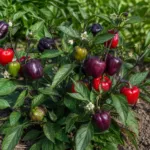 Purple Beauty (Capsicum annuum ‘Purple Beauty’)Capsicum annuum 'Purple Beauty'
 Numex Twilight (Capsicum annuum ‘Numex Twilight’)Capsicum annuum 'Numex Twilight'
 Explosive Ember Chili Pepper (Capsicum annuum ‘Explosive Ember’)Capsicum annuum 'Explosive Ember'