
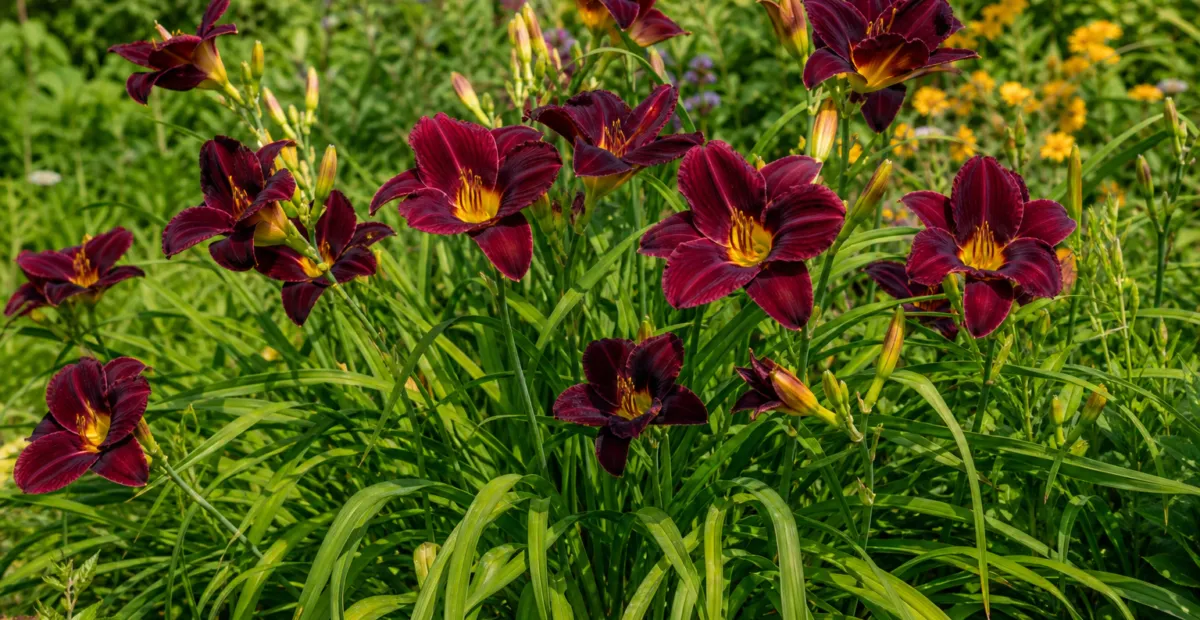
 AI-generated illustration
Hemerocallis ‘Black Magic’ short overview
Hemerocallis 'Black Magic' is a historic diploid daylily introduced by Geddes Douglas in 1949. It forms a durable clump of arching, dormant foliage and tall flower scapes carrying single, deep ruby-mahogany blooms with contrasting yellow throats. The cultivar flowers in the mid-to-late daylily season, with each bloom lasting about a day as new buds open in succession. Grow it in full sun and well-drained soil, and keep it away from cats.
Taxonomic classification
Hemerocallis ‘Black Magic’ care guide
Light and placement
Plant in full sun, ideally where the clump receives at least 6 hours of direct light and good morning-to-afternoon exposure. A south- or west-facing border is suitable if soil moisture is reliable. Too little light commonly produces fewer scapes and weaker flowering; intense heat and reflected light can shorten bloom life or scorch foliage when roots are dry.
Watering and humidity
Water deeply when the upper few inches of soil begin to dry during active growth, directing water to the soil rather than the foliage. Keep newly planted divisions evenly moist until rooted. Established plants tolerate short dry periods, but flowering and foliage quality improve with consistent moisture. Reduce watering in cool, wet weather and avoid saturated crowns.
Soil and growing medium
Use fertile, loamy soil that drains freely but does not dry excessively during active growth. Daylilies tolerate clay when drainage is improved with organic matter and are adaptable across acidic, neutral, and alkaline soils. Avoid persistently waterlogged beds, especially in winter, because saturated crowns may rot.
Feeding
Apply a light layer of compost or a balanced, slow-release perennial fertilizer in spring as growth begins. A second modest feeding after the first flush can support continued flowering in poor soil, but rich nitrogen-heavy fertilizer may produce lush leaves with fewer flowers. Do not fertilize drought-stressed or newly divided plants until they are recovering.
Growth and habit
Forms a slowly expanding clump of fan-shaped shoots from a crown. Mature clumps can produce many scapes, and flowering generally becomes more impressive as the plant establishes. Divide when the center becomes crowded, flowering declines, or the clump is needed for propagation. Dormant foliage dies back seasonally in colder climates.
Planting and repotting
Plant in spring or early fall, setting the crown so the junction between roots and leaves is about 1 inch below the soil surface. Space clumps about 24–36 inches apart to allow mature foliage and scapes to develop. Water deeply after planting and maintain consistent moisture while roots establish.
Container-grown plants can be divided and refreshed in spring or early fall. Move the crown into a slightly larger container only when roots are crowded, using a fertile, well-drained potting mix. Ensure the container has drainage holes and avoid burying the crown deeply.
Propagation and pruning
Propagation
Divide established clumps in spring or after flowering in early fall, separating fans with healthy roots and foliage. Seed propagation is possible but will not reproduce 'Black Magic' true to type because daylily seedlings are genetically variable. Division is the practical method for preserving the cultivar.
Pruning
Remove spent flowers and developing seed pods if you want to direct energy toward the crown and keep the planting tidy. Cut dormant foliage back near the ground after it yellows or browns, or remove only damaged leaves in milder climates. Do not remove healthy green foliage prematurely because it supports crown renewal.
Overwintering
In cold climates, allow dormant foliage to yellow naturally, then cut it back after hard frost. A thin mulch layer can buffer freeze-thaw cycles, but keep mulch away from the crown to prevent rot. Container plants are more exposed to cold than in-ground clumps; move them to a sheltered location or insulate the container in severe winter conditions.
Uses
Useful as a flowering perennial for sunny borders, mass plantings, slopes, cottage gardens, and containers. Its tall scapes and dark flowers provide strong color contrast with gold, cream, blue, or silver companions. It can contribute visual resources for insects, but cultivar-specific pollinator attraction is not well documented. Do not use it in cat-accessible areas.
Appearance
The plant has arching, strap-like green leaves arranged in fans and upright, branched scapes rising above the foliage. Flowers are single and cup-shaped, with a very dark ruby-mahogany to violet-red appearance and a contrasting yellow throat. Dormant foliage dies back seasonally, helping distinguish it from evergreen or semi-evergreen daylily types.
Flowering
This is a dormant, diploid cultivar with single, cup-shaped flowers and a mid-to-late bloom season. Individual flowers generally open during the day and fade by the following day, but numerous buds on branching scapes extend the overall display. Bloom timing varies with climate, planting age, and local growing conditions.
Pollination and visitors
No reliable source located that identifies a characteristic pollinator species or visitor group specifically for 'Black Magic'. As a flower-bearing daylily, it may receive insect visits in gardens, but the strength and identity of those visits should not be overstated without cultivar-specific observations.
Diseases and pests
Diseases
Good air circulation, full sun, and well-drained soil help reduce fungal problems. Watch for rust, leaf streak, crown rot, and soft rot. Remove badly affected foliage, avoid overhead watering, and improve drainage. Sanitize tools when dividing clumps; discard severely rotted crowns rather than replanting diseased tissue.
Pests
Common problems include aphids, thrips, spider mites, slugs, snails, and daylily midge. Inspect new growth and flower buds regularly, remove damaged material, and use water sprays or hand removal first. Maintain vigorous growth and avoid unnecessary broad-spectrum insecticides, which can harm beneficial insects.
Related diseases and pests
Only Plant Doctor profiles whose host data indicate this plant may be affected are shown here.
 PestNorthern root-knot nematodeMeloidogyne hapla
 DiseaseSouthern blightAthelia rolfsii
 PestBroad mitePolyphagotarsonemus latus (Banks)
 DiseaseRhizopus soft rotRhizopus stolonifer
 DiseaseBacterial soft rotPectobacterium carotovorum
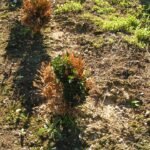 DiseasePhytophthora root and crown rotPhytophthora nicotianae
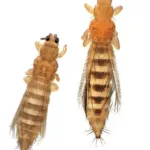 PestOnion thripsThrips tabaci Lindeman
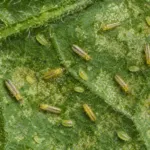 PestMelon thripsThrips palmi Karny
Toxicity and pollen
Daylilies are a serious poisoning risk for cats, and exposure to leaves, stems, flowers, pollen, or roots can lead to gastrointestinal signs and potentially acute kidney failure. Evidence is generally reported for Hemerocallis species rather than this individual cultivar, so treat 'Black Magic' conservatively as unsafe for cats. Seek emergency veterinary advice after any suspected exposure.
- Typical season
- During flowering, typically summer in the United States
- Pollination / pollen
- Insect-presented pollen; limited airborne dispersal
Daylily pollen is primarily presented within the flower rather than released as a conspicuous airborne cloud. A cultivar-specific clinical allergy assessment was not located, so low airborne concern is a practical estimate rather than proof of zero allergy risk. People with pollen sensitivity should avoid handling flowers during peak bloom if symptoms occur.
Native habitat
The Hemerocallis genus is associated with temperate Eurasian habitats and has been extensively hybridized in cultivation. Garden daylilies adapt to a broad range of well-drained soils and climates, from cold winter regions to warm summer areas, provided the crown is not kept waterlogged.
Interesting fact
Registered in 1949 by hybridizer Geddes Douglas, 'Black Magic' is a diploid cultivar with dormant foliage. Its registered color description is violet-red dark self, while horticultural descriptions commonly emphasize deep ruby-mahogany flowers and a yellow throat. Like other daylilies, each open flower is short-lived, but successive buds can create a long flowering display.
Frequently asked questions (FAQ)
The most relevant questions about this plant, with short and direct answers.
🌱Quick care
What is Hemerocallis 'Black Magic'?⌄
Hemerocallis 'Black Magic' is a clump-forming, deciduous daylily cultivar introduced by G. Douglas in 1949. It produces deep ruby-mahogany flowers with contrasting yellow throats on tall flower stalks.
How much sun does Hemerocallis 'Black Magic' need?⌄
Grow Hemerocallis 'Black Magic' in full sun for the strongest growth and flowering. It can tolerate some partial shade, but heavier shade may reduce the number of blooms.
How often should I water Hemerocallis 'Black Magic'?⌄
Water Hemerocallis 'Black Magic' moderately, keeping the soil evenly moist but not waterlogged during establishment and flowering. Once established, it is somewhat drought tolerant but performs better with deep watering during prolonged dry spells.
Is Hemerocallis 'Black Magic' easy to grow?⌄
Yes, Hemerocallis 'Black Magic' is generally an easy-care, cold-hardy perennial. Its main requirements are adequate sunlight, reasonably fertile soil, and consistent moisture during active growth.
🌤️Environment and placement
What USDA hardiness zones suit Hemerocallis 'Black Magic'?⌄
Hemerocallis 'Black Magic' is a cold-hardy perennial suited to a broad range of USDA hardiness zones, commonly listed around Zones 3–9. Local performance can vary with winter exposure, snow cover, and summer heat.
Can Hemerocallis 'Black Magic' grow in clay soil?⌄
Yes, Hemerocallis 'Black Magic' can tolerate clay soil, but drainage should be improved if the site stays soggy. Incorporating organic matter and planting slightly high can help prevent crown and root problems.
What type of soil is best for Hemerocallis 'Black Magic'?⌄
The best soil is fertile, well-drained loam that remains moderately moist. Hemerocallis 'Black Magic' is adaptable to clay and a broad pH range, including acidic, neutral, and alkaline soils.
Can Hemerocallis 'Black Magic' grow in partial shade?⌄
Hemerocallis 'Black Magic' can grow in partial shade, especially in hot climates, but full sun usually produces better flowering. Too much shade may result in fewer flowers and weaker flower stalks.
How large does Hemerocallis 'Black Magic' get?⌄
Hemerocallis 'Black Magic' typically reaches about 36–38 inches tall, with a mature clump spreading roughly 18–24 inches. Its size depends on soil, moisture, sunlight, and age.
💧Care and problems
Why is my Hemerocallis 'Black Magic' not flowering?⌄
The most common causes are insufficient sunlight, drought stress, excessive nitrogen, or a recently divided plant that is still establishing. Move or thin surrounding plants if necessary and provide consistent moisture during spring and early summer.
Does Hemerocallis 'Black Magic' need fertilizer?⌄
Hemerocallis 'Black Magic' usually needs only moderate fertilization in fertile soil. Apply a balanced, slow-release fertilizer in spring if growth is weak, and avoid excessive nitrogen because it can encourage foliage at the expense of flowers.
What pests affect Hemerocallis 'Black Magic'?⌄
Possible pests include aphids, thrips, spider mites, slugs, snails, earwigs, and daylily gall midge. Inspect new growth and flower buds regularly, especially during warm, humid weather.
What diseases can affect Hemerocallis 'Black Magic'?⌄
Hemerocallis 'Black Magic' is generally dependable but can develop fungal leaf spot, rust, or rot in stressful conditions. Improve air circulation, avoid overhead watering, and remove badly affected foliage.
Should I deadhead Hemerocallis 'Black Magic'?⌄
Yes, remove faded flowers to keep the plant tidy and prevent energy from going into seed production. Once all buds on a flower stalk have opened, cut the spent stalk near its base.
When should I cut back Hemerocallis 'Black Magic'?⌄
Remove flower stalks after flowering and cut back dead or declining foliage in late fall or early spring. Do not remove healthy green leaves during the growing season because they support the plant’s energy reserves.
🪴Planting and repotting
When is the best time to plant Hemerocallis 'Black Magic'?⌄
Plant Hemerocallis 'Black Magic' in early spring or early fall, when temperatures are moderate. Water newly planted divisions regularly until roots are established.
How deep should I plant Hemerocallis 'Black Magic'?⌄
Plant the crown so the point where the roots meet the leaves is about 1 inch below the soil surface. Planting too deeply can reduce vigor and flowering, while exposed crowns may dry out or suffer winter injury.
Can Hemerocallis 'Black Magic' grow in a container?⌄
Yes, Hemerocallis 'Black Magic' can grow in a large container with drainage holes and fertile, well-drained potting mix. Choose a container wide enough for the clump and protect the roots from severe winter temperature swings.
How far apart should I plant Hemerocallis 'Black Magic'?⌄
Space Hemerocallis 'Black Magic' about 18–24 inches apart to allow the clumps to expand. Wider spacing improves air circulation, while closer spacing creates a faster-filled display.
✂️Propagation and pruning
How do I propagate Hemerocallis 'Black Magic'?⌄
Propagate Hemerocallis 'Black Magic' by dividing established clumps in early spring or early fall. Division produces plants identical to the parent, while seedlings may differ from the named cultivar.
Can Hemerocallis 'Black Magic' be grown from seed?⌄
Yes, Hemerocallis 'Black Magic' can be grown from seed, but seedlings will not reliably reproduce the parent’s flower color or form. Seed propagation is mainly useful for breeding rather than cloning this cultivar.
When should I divide Hemerocallis 'Black Magic'?⌄
Divide Hemerocallis 'Black Magic' in early spring or early fall, avoiding periods of extreme heat or drought. Replant divisions promptly and keep them evenly watered while they reestablish.
Does Hemerocallis 'Black Magic' spread aggressively?⌄
Hemerocallis 'Black Magic' expands gradually by forming larger clumps rather than spreading aggressively. Divide it when the center becomes crowded or flowering declines.
⚠️Toxicity and safety
Is Hemerocallis 'Black Magic' toxic to cats?⌄
Yes, Hemerocallis 'Black Magic' is highly toxic to cats, and ingestion can cause life-threatening kidney failure. Keep all parts away from cats and contact a veterinarian or animal poison service immediately if ingestion is suspected.
Is Hemerocallis 'Black Magic' toxic to dogs?⌄
Hemerocallis 'Black Magic' is generally listed as non-toxic to dogs, although eating plant material can still cause stomach upset. Prevent pets from chewing garden plants and seek veterinary advice if symptoms occur.
Is Hemerocallis 'Black Magic' a true lily?⌄
No, Hemerocallis 'Black Magic' is a daylily in the genus Hemerocallis, not a true lily in the genus Lilium. Despite that distinction, daylilies remain highly dangerous to cats.
🌸Flowering and special interest
When does Hemerocallis 'Black Magic' bloom?⌄
Hemerocallis 'Black Magic' is generally a midseason to late-midseason bloomer, producing flowers in mid to late summer depending on the climate. Bloom timing may occur earlier in the southern United States and later in northern regions.
What color are the flowers of Hemerocallis 'Black Magic'?⌄
The flowers are deep ruby red to mahogany, often appearing nearly black in certain light, with a contrasting lemon-yellow throat. The exact color is strongest in bright conditions and can vary with temperature.
How large are the flowers of Hemerocallis 'Black Magic'?⌄
The flowers of Hemerocallis 'Black Magic' are typically about 5.5–6 inches wide. They are trumpet-shaped and carried on tall scapes above the foliage.
How long does each flower of Hemerocallis 'Black Magic' last?⌄
Each flower usually lasts for about one day, opening in the morning and fading by evening or the following day. Many buds open in succession, allowing the plant to remain colorful for an extended bloom period.
Does Hemerocallis 'Black Magic' rebloom?⌄
Hemerocallis 'Black Magic' is not consistently documented as a reblooming cultivar, so its main display should be expected during its normal midseason to late-midseason bloom period. Rebloom may vary with climate, moisture, and growing conditions.
Similar plants
 Azure Monkshood (Aconitum carmichaelii) care guideAconitum carmichaelii
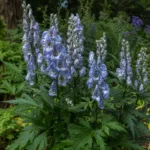 Monkshood (Aconitum ‘Stainless Steel’)Aconitum 'Stainless Steel'
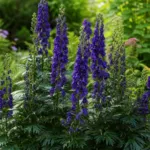 Monkshood (Aconitum ‘Bressingham Spire’)Aconitum 'Bressingham Spire'
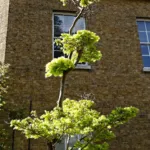 Golden full moon maple (Acer shirasawanum ‘Aureum’)Acer shirasawanum 'Aureum'
 Globosum (Acer platanoides ‘Globosum’)Acer platanoides 'Globosum'
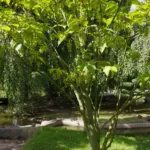 Striped maple (Acer pensylvanicum) care guideAcer pensylvanicum