 Source:
 Iris florentina short overview
Iris florentina is a long-lived, rhizomatous bearded iris valued for its elegant white flowers, sword-shaped blue-green foliage and sweet fragrance. In the United States, plant it in full sun and sharply drained soil, keeping the rhizome at or just above the soil surface. It is usually increased by division after flowering or in late summer. The flowers may be visited by bees, but the rhizomes can cause gastrointestinal irritation if eaten by people or pets.
Taxonomic classification
Iris florentina care guide
Light and placement
Give at least 6 hours of direct sun, ideally with morning and midday exposure and open air circulation. A south- or west-facing border, raised bed or gentle slope is suitable if summer heat is not extreme. Too little light produces floppy foliage and fewer flowers; too much heat is usually tolerated when roots remain cool and drainage is excellent. Afternoon shade may help in the hottest climates, but dense shade sharply reduces bloom.
Watering and humidity
Water deeply after planting and during the first growing season whenever the upper soil begins to dry. Once established, allow the soil to dry moderately between thorough waterings; avoid frequent shallow irrigation and standing water. Increase watering during prolonged drought while plants are actively growing, then reduce after foliage yellows and during winter dormancy. Humidity is not a special requirement.
Soil and growing medium
Use a loose, sharply drained soil; sandy loam or amended loam is preferable, and raised beds help where clay remains wet. Iris florentina tolerates mildly calcareous conditions, but avoid persistently saturated ground. A soil pH around 6.5–7.5 is suitable. Do not bury the rhizome deeply, because poor drainage and excess cover encourage rot.
Feeding
Feed lightly in early spring or after flowering with a low-nitrogen perennial fertilizer, following the product label. A small amount of compost can be incorporated before planting, but avoid rich, high-nitrogen feeding because it promotes lush foliage at the expense of flowers and may increase soft-rot risk. Do not fertilize drought-stressed or waterlogged plants.
Growth and habit
This perennial forms expanding fans from branching rhizomes and can remain productive for many years when divided before the center becomes congested. The foliage persists after flowering and helps rebuild the rhizome for the next season. Overcrowding commonly reduces bloom and increases disease pressure, so divide established clumps periodically.
Planting and repotting
Plant bare rhizomes in late summer or early fall, ideally at least four to six weeks before the first hard freeze. Make a shallow, wide hole with a low mound; spread the roots down the sides and leave the rhizome exposed or only barely covered. Space plants about 12–18 inches apart. Water thoroughly once planted, then allow the surface to dry between waterings.
Container-grown plants should be moved or divided when the clump becomes crowded, usually every 3–5 years. Use a wide, heavy container with drainage holes and a gritty, well-drained mix. Replant divisions shallowly, with the rhizome at the surface, and avoid leaving the container standing in water.
Propagation and pruning
Propagation
Divide healthy rhizomes in late summer or early fall after flowering and foliage has matured. Cut into sections with a fan of leaves and several healthy buds, remove damaged tissue, shorten the leaves if needed and replant immediately with the rhizome exposed. Seed propagation is possible but may not reproduce the parent’s flower traits.
Pruning
After flowering, remove spent flower stalks at the base. Leave healthy foliage in place while it remains green so the rhizome can recharge. In late fall, remove yellowed or frost-damaged leaves and clear debris from the bed to reduce overwintering pest and disease pressure.
Overwintering
Outdoor plants generally overwinter in the ground in suitable USDA zones if the rhizomes remain well drained. Avoid heavy winter mulch directly over the rhizome because trapped moisture can cause rot; use only a light, airy mulch around—not over—the crown in colder sites. Container plants are more exposed to freezing and should be sheltered in an unheated, protected location if the pot is small.
Uses
Use it as a specimen or massed perennial in sunny borders, raised beds, rock gardens and cutting gardens. Its upright foliage gives structure after flowering, while the fragrant white blooms suit cottage, historic and Mediterranean-style plantings. Do not use the rhizome medicinally or culinary-wise without authoritative identification and preparation guidance.
Appearance
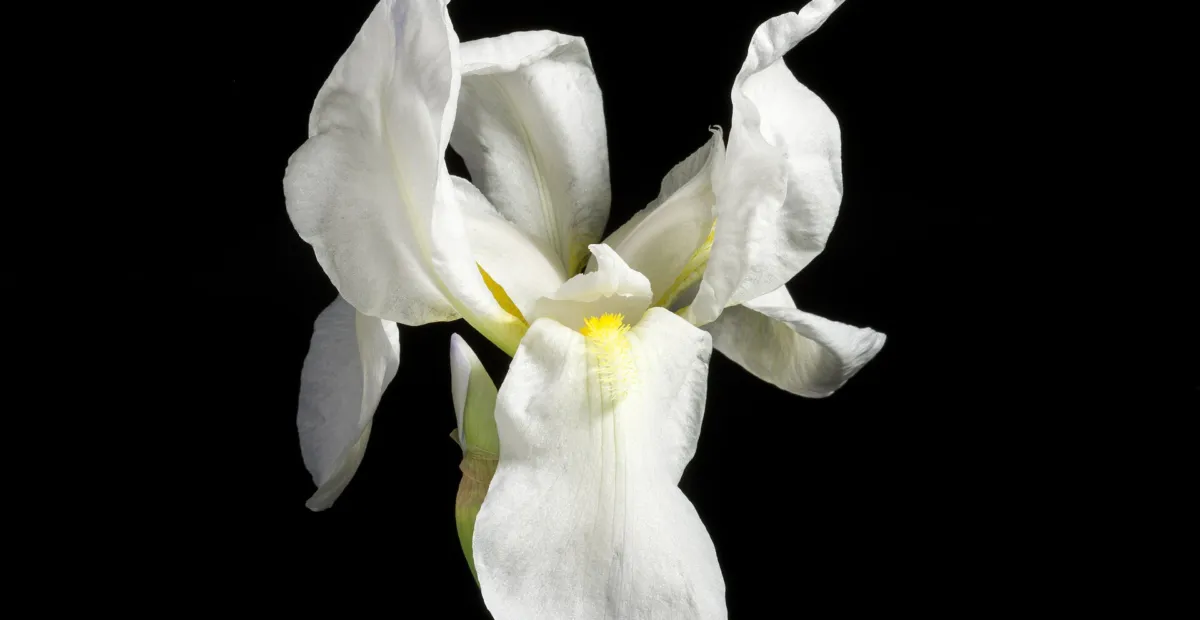
The plant produces overlapping, sword-shaped blue-green leaves arranged in flat fans. Flower stalks rise above the foliage and carry large, elegant iris blooms with three upright standards, three hanging falls and a beard along the falls. The white flowers and sweet scent are distinctive, although plant size and exact markings can vary among historical clones sold under the name.
Flowering
The flowers are formed on upright, mostly unbranched stalks and have three erect standards, three drooping falls and a contrasting beard on the falls. Iris florentina is known for white blooms with a sweet fragrance and typically flowers once in spring to early summer. Flowering is reduced by deep shade, overcrowding or excessive nitrogen.
Pollination and visitors
The open, bearded flowers provide a landing platform and guide insects toward the reproductive structures. Bees are documented visitors of bearded irises generally; evidence for a specific pollinator species uniquely associated with Iris florentina is limited.
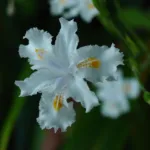
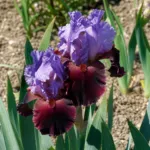
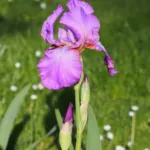
Iris florentina photos
Click any photo for a larger view. Source, author and license are shown separately.
Diseases and pests
Diseases
The main risks are bacterial soft rot and fungal leaf spot, especially in crowded or poorly drained beds. Prevent problems with full sun, good air circulation, shallow planting, careful watering and regular division. Remove diseased foliage and rotten rhizome tissue with a clean knife, discard affected material and avoid replanting in chronically wet soil.
Pests
Iris borers are the major pest risk where present; larvae tunnel into rhizomes and can lead to rot. Inspect foliage and rhizomes, remove and destroy infested tissue, clear dead leaves from the bed in fall and divide crowded clumps. Aphids, thrips and iris weevils may occur but usually need action only when populations are damaging growth or buds.
Related diseases and pests
Only Plant Doctor profiles whose host data indicate this plant may be affected are shown here.
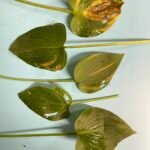 PestStrawberry foliar nematodeAphelenchoides fragariae
 DiseaseBacterial soft rotPectobacterium carotovorum
 DiseaseRhizopus soft rotRhizopus stolonifer
 DiseaseAlternaria leaf spot and fruit rotAlternaria alternata
 DiseaseRhizoctonia DiseasesRhizoctonia solani Kühn
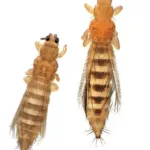 PestOnion thripsThrips tabaci Lindeman
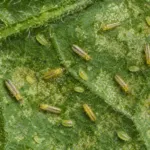 PestMelon thripsThrips palmi Karny
 PestChilli thripsScirtothrips dorsalis Hood
Toxicity and pollen
Iris species are recognized as irritant plants, with the highest concentration of problematic compounds generally in the rhizomes or roots. Eating plant tissue can cause nausea, vomiting, diarrhea or abdominal discomfort; sap may irritate sensitive skin. Keep rhizomes away from children and pets, wear gloves when dividing, and seek professional advice after ingestion.
- Typical season
- Typically spring to early summer in the United States
- Pollination / pollen
- Heavy, insect-presented pollen
Bearded iris pollen is relatively heavy and is presented within the flower rather than released in large airborne clouds. The available allergen literature places Iris × germanica in a low pollen-allergen category, but individual sensitivity is still possible and the exact airborne-pollen profile of Iris florentina is not well established.
Native habitat
Kew describes the species as a rhizomatous geophyte associated with subtropical regions and gives a native range in the Arabian Peninsula. In cultivation, it behaves like a dry-site bearded iris: it favors sun, seasonal dryness, free drainage and mineral or moderately fertile soil rather than wet ground.
Interesting fact
The name Iris florentina has a complex taxonomic history and is treated differently by major databases. It is traditionally associated with a white-flowered bearded iris and has been cultivated in Mediterranean and Middle Eastern garden traditions. The rhizome is the source of orris material in closely related iris horticulture, although the identity and commercial use of historical material should not be assumed for every plant sold under this name.
Frequently asked questions (FAQ)
The most relevant questions about this plant, with short and direct answers.
🌱Quick care
What is Iris florentina?⌄
Iris florentina is a rhizomatous bearded iris in the Iridaceae family, grown for its fragrant pale flowers and ornamental foliage. It is also associated with orris root, which has historical uses in perfumery.
Is Iris florentina easy to grow?⌄
Yes, Iris florentina is generally easy to grow when planted in full sun and well-drained soil. The main problems arise from excessive moisture, deep planting, or insufficient sunlight.
How much sun does Iris florentina need?⌄
Iris florentina grows best in full sun, ideally receiving at least 6 hours of direct sunlight daily. Light shade is tolerated, but too much shade can reduce flowering.
How often should I water Iris florentina?⌄
Water Iris florentina moderately while it is establishing, then allow the soil to dry somewhat between waterings. Established plants usually need supplemental water only during prolonged drought or unusually hot weather.
🌤️Environment and placement
What soil is best for Iris florentina?⌄
Iris florentina prefers loose, well-drained sandy or loamy soil. It can tolerate ordinary garden soil, but heavy or waterlogged ground should be amended or avoided.
Can Iris florentina grow in clay soil?⌄
Iris florentina can grow in clay soil only if drainage is improved. Planting on a raised mound or incorporating coarse organic material can help prevent rhizome rot, but saturated clay remains unsuitable.
What USDA hardiness zones are suitable for Iris florentina?⌄
Iris florentina is commonly listed as hardy across roughly USDA Zones 3 through 9. Winter survival depends heavily on well-drained soil, especially in cold or wet regions.
Can Iris florentina tolerate frost?⌄
Yes, Iris florentina is cold hardy when its rhizomes are kept in well-drained soil. Frost damage is more likely to affect emerging foliage or flowers than the dormant rhizome.
Can Iris florentina grow in containers?⌄
Yes, Iris florentina can grow in a large container with drainage holes and a porous potting mix. The rhizome should not remain constantly wet, and containers may need extra winter protection in very cold areas.
Where should I plant Iris florentina in the garden?⌄
Plant Iris florentina in a sunny border, rock garden, raised bed, or other site where water drains quickly. Leave enough open space around the rhizomes for sunlight and air circulation.
💧Care and problems
Why is my Iris florentina not blooming?⌄
Poor flowering is most often caused by insufficient sun, rhizomes planted too deeply, overcrowding, or excessive nitrogen. Moving the plant to full sun and exposing the upper rhizome can improve flowering in a later season.
Should Iris florentina rhizomes be covered with soil?⌄
Iris florentina rhizomes should be planted at the soil surface or only lightly covered, with the upper portion exposed to warmth and air. Burying them deeply can encourage rot and reduce flowering.
Does Iris florentina need fertilizer?⌄
Iris florentina usually needs only light feeding in average soil. If growth is weak, apply a balanced or low-nitrogen fertilizer in early spring, avoiding heavy nitrogen applications that produce leaves at the expense of flowers.
How do I prevent root rot in Iris florentina?⌄
Prevent root rot by planting Iris florentina in sharply draining soil, keeping the rhizome near the surface, and avoiding frequent irrigation. Remove severely rotted sections and replant healthy divisions in a drier location.
What pests affect Iris florentina?⌄
Iris florentina can be affected by common bearded-iris problems such as iris borers, leaf spot, and bacterial soft rot. Inspect leaves and rhizomes regularly, remove damaged tissue, and improve sanitation and drainage.
How should I care for Iris florentina after flowering?⌄
Remove spent flowers after blooming if you do not want seedpods, but keep healthy leaves intact so they can replenish the rhizome. Cut foliage back only after it has yellowed or died naturally.
🪴Planting and repotting
When is the best time to plant Iris florentina rhizomes?⌄
The best time to plant Iris florentina rhizomes is usually late summer through early fall, after flowering and before the ground freezes. Planting at this time allows roots to establish before winter.
How far apart should Iris florentina rhizomes be planted?⌄
Plant Iris florentina rhizomes about 12 to 18 inches apart to allow room for clump development and air circulation. Space them farther apart if you want each clump to remain distinct for longer.
How deep should Iris florentina be planted?⌄
Plant Iris florentina with the roots buried and the rhizome sitting at or slightly above the soil surface. Avoid placing the entire rhizome several inches underground, because prolonged moisture can cause decay.
Can Iris florentina be planted in spring?⌄
Yes, Iris florentina can be planted in spring if healthy rhizomes are available, but it may flower less reliably during the first season. Provide good drainage and consistent but not excessive moisture while it establishes.
✂️Propagation and pruning
How do you propagate Iris florentina?⌄
Iris florentina is most reliably propagated by dividing its rhizomes. Seed propagation is possible, but seedlings may take several years to mature and may not reproduce all characteristics of the parent plant.
When should Iris florentina be divided?⌄
Divide Iris florentina in late summer or early fall, after flowering and while the plant is entering a period of slower growth. Dividing every 3 to 4 years can rejuvenate crowded clumps and maintain flowering.
How do I divide Iris florentina rhizomes?⌄
Lift the clump, separate healthy rhizome sections with a sharp clean knife, and retain strong roots and a fan of leaves on each division. Discard soft or diseased tissue, let fresh cuts dry briefly, and replant shallowly.
Can Iris florentina be grown from seed?⌄
Yes, Iris florentina can be grown from seed collected from mature seed capsules. Seed-grown plants are slower than divisions and may require several growing seasons before flowering.
⚠️Toxicity and safety
Is Iris florentina toxic to pets?⌄
Iris florentina should be treated as toxic to dogs, cats, and horses if eaten, with the rhizome being a particular concern. Contact a veterinarian or animal poison service promptly if a pet consumes the plant.
Is Iris florentina poisonous to people?⌄
Iris florentina can cause irritation and gastrointestinal upset if eaten, especially from the rhizome. Wear gloves when handling it if you have sensitive skin, because contact may cause dermatitis.
Can Iris florentina cause skin irritation?⌄
Yes, handling Iris florentina or its concentrated rhizome products can irritate sensitive skin. Wear gloves, avoid touching your eyes, and wash exposed skin after handling.
🌸Flowering and special interest
When does Iris florentina bloom?⌄
Iris florentina generally blooms in late spring or early summer, depending on climate and growing conditions. Flowering may be reduced in shade, wet soil, overcrowded clumps, or newly planted divisions.
What color are Iris florentina flowers?⌄
Iris florentina typically produces fragrant white to pale gray or lavender-tinted flowers with contrasting yellow beards. Color can vary somewhat depending on the plant’s identity and growing conditions.
Are Iris florentina flowers fragrant?⌄
Yes, Iris florentina is known for fragrant flowers, and its rhizomes also have a violet-like scent when processed. Fragrance is usually most noticeable during warm weather and active bloom.
Can Iris florentina be used as a cut flower?⌄
Yes, Iris florentina can be used as a cut flower. Cut stems when buds are beginning to open, and place them immediately in clean water for the best display.
What is orris root, and is it related to Iris florentina?⌄
Orris root is the dried, aged rhizome of certain iris plants, including Iris florentina and closely related bearded irises. It has been used historically in perfumery and fragrance products, but it should not be ingested casually.