Source:
Iris ‘Rosalie Figge’ short overview
Iris 'Rosalie Figge' is a tall bearded, rhizomatous iris introduced by Jane McKnew in 1993. Its fragrant, ruffled flowers combine violet standards, darker violet falls, a white beard marking, and a yellow-tinged throat. This deciduous perennial blooms in midseason and may rebloom later, especially where summers are warm and the plant receives full sun, excellent drainage, steady spring moisture, and regular division when crowded.
Taxonomic classification
Iris ‘Rosalie Figge’ care guide
Light and placement
Give the plant at least 6 hours of direct sun, ideally in an open south- or west-facing border with good air movement. In very hot climates, light afternoon shade may reduce stress, but too much shade commonly produces foliage with few flowers. Leggy growth, weak stems, or sparse bloom usually indicate insufficient light.
Watering and humidity
Water deeply when the upper soil begins to dry during spring growth and establishment, keeping moisture consistent through flowering and for several weeks afterward. Reduce irrigation once established and flowering is complete, especially in heavy soils or rainy climates. Avoid wet conditions around the rhizome, particularly in winter.
Soil and growing medium
Use sandy or loamy soil that drains rapidly and does not remain saturated around the rhizome. Neutral to slightly alkaline conditions are generally suitable, and raised beds or slopes are useful in heavy clay or wet climates. Avoid burying the rhizome deeply, because poor drainage and excess moisture encourage rot.
Feeding
Feed lightly in early spring with a low-nitrogen balanced fertilizer or a modest compost dressing, keeping fertilizer off the rhizome. Reblooming plants may benefit from a second light application after the first bloom, followed by watering. Avoid heavy nitrogen feeding, which encourages soft growth and can reduce flowering or increase disease risk.
Growth and habit
Forms an upright clump from creeping rhizomes, with new fans developing outward over time. The central portion can become bare as the outer rhizomes expand, so lifting and dividing every few years helps renew flowering and maintain an even clump. Rebloom depends strongly on regional climate and after-bloom care.
Planting and repotting
Plant bare rhizomes from late July through October, choosing timing appropriate to the local climate. Set the rhizome on a shallow mound with about one-third exposed, spread the roots horizontally, and space plants about 12–20 inches apart. Water consistently while roots establish.
Usually grown in the ground rather than as a permanent container plant. If container-grown, use a wide, stable pot with a fast-draining mix and repot or divide in late summer when the clump becomes crowded.
Propagation and pruning
Propagation
Propagate by division of rhizomes in late summer, after flowering. Lift the clump, discard old or damaged sections, retain healthy rhizome pieces with fans of leaves, and replant immediately at shallow depth. Seed propagation is mainly useful for breeding and will not reproduce the named cultivar true to type.
Pruning
Remove spent flower stalks after blooming. Cut back dying or frost-damaged foliage in fall after it yellows, while retaining healthy leaves during the growing season to support the rhizome. Remove and destroy diseased foliage rather than composting it.
Overwintering
Established plants are generally winter hardy and need no special protection in suitable USDA zones. Keep rhizomes well drained during winter; avoid thick, moisture-holding mulch directly over the rhizome. In colder regions, a light, airy mulch around—not over—the crown can reduce heaving.
Uses
Use in sunny perennial borders, mixed beds, foundation plantings, raised beds, and cut-flower arrangements. Its upright foliage and tall flower stems provide strong vertical structure. Flowers are fragrant and attractive for display, but the plant should not be used as an edible or medicinal crop and should be kept away from pets that may chew rhizomes.
Appearance
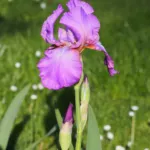
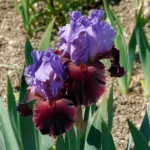
The plant has upright, sword-shaped gray-green leaves and branched flower stems carrying large, ruffled blooms. Standards are violet, while the darker violet falls show white spray markings around a white beard tipped violet and a yellowish throat. The rhizomatous clump gradually expands outward.
Flowering
This midseason cultivar produces branched stems with multiple buds and showy bearded flowers. The principal display is in mid spring to early summer, with repeat flowering possible later in the season. Rebloom is variable and depends on climate, plant maturity, moisture, fertility, and general culture.
Pollination and visitors
The open, bearded flowers provide landing and nectar-access structures for insect visitors. Garden references specifically report attraction to butterflies and hummingbirds; bees and bumblebees are plausible characteristic visitors for bearded iris flowers, but a single cultivar-specific pollinator species is not well documented.
Iris 'Rosalie Figge' photos
Click any photo for a larger view. Source, author and license are shown separately.
Diseases and pests
Diseases
Leaf spot, bacterial soft rot, rhizome rot, crown rot, and mosaic viruses may occur. Remove diseased foliage and rhizomes promptly, avoid overhead irrigation, improve drainage, and clean away dead foliage and debris in fall. Deep planting and waterlogged soil are major contributors to poor flowering and rot.
Pests
Iris borers, aphids, thrips, slugs, snails, and whiteflies may occur. Inspect new foliage for borer damage, keep beds weed-free, remove affected leaves and rhizomes, and maintain fall sanitation. Avoid routine broad-spectrum insecticide use when pests are minor.
Related diseases and pests
Only Plant Doctor profiles whose host data indicate this plant may be affected are shown here.
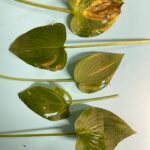 PestStrawberry foliar nematodeAphelenchoides fragariae
 DiseaseBacterial soft rotPectobacterium carotovorum
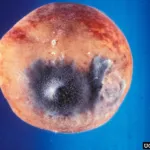 DiseaseRhizopus soft rotRhizopus stolonifer
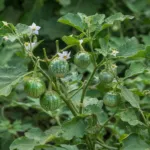 Environmental stressPoor drainage stress (waterlogging)
 DiseaseTomato mosaic virusTobamovirus tomatotessellati
 DiseaseTobacco mosaic virusTobamovirus tabaci
 Environmental stressWaterlogging
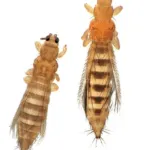 PestOnion thripsThrips tabaci Lindeman
Toxicity and pollen
Iris species are listed as toxic to dogs and cats, with the highest concentration of irritating compounds reported in the rhizomes. Human exposure is primarily a concern if plant material is eaten or sap causes irritation; wear gloves when handling damaged rhizomes and keep them away from children and pets.
- Typical season
- Typically May–June in much of the United States
- Pollination / pollen
- Large, insect-associated pollen; limited airborne dispersal
Iris pollen is relatively heavy and associated with insect-pollinated flowers rather than broad wind dispersal. Airborne exposure is therefore generally limited compared with wind-pollinated grasses, trees, or weeds, but sensitive people can still react to plant pollen or fragrance. Cultivar-specific allergy data are unavailable.
Native habitat
This named garden hybrid is not a wild native plant. Tall bearded irises derive from cultivated European garden-iris lineages and perform best in sunny, open sites with well-drained mineral soil, moderate spring moisture, and relatively dry conditions around the rhizome.
Interesting fact
Introduced in 1993 by Jane McKnew and named for Rosalie Figge, a longtime reblooming-iris supporter. The cultivar received American Iris Society Honorable Mention in 1996 and Award of Merit in 1999. Its reported parentage is 'Titan's Glory' × 'Violet Miracle'. Rebloom has been recorded across many U.S. states but is not guaranteed every year.
Frequently asked questions (FAQ)
The most relevant questions about this plant, with short and direct answers.
🌱Quick care
What type of iris is Iris 'Rosalie Figge'?⌄
Iris 'Rosalie Figge' is a tall bearded, rhizomatous perennial iris bred for midseason bloom and possible rebloom. It typically reaches about 3 feet tall and produces fragrant violet to deep-violet flowers.
How much sun does Iris 'Rosalie Figge' need?⌄
Plant Iris 'Rosalie Figge' in full sun for the best flowering and strongest stems. In very hot climates, some afternoon shade can be tolerated, but too much shade may prevent blooming.
How often should I water Iris 'Rosalie Figge'?⌄
Water Iris 'Rosalie Figge' consistently during active spring growth and after the first bloom if you want to encourage rebloom. Once established, it tolerates some drought, but constantly wet soil can cause rhizome rot.
Is Iris 'Rosalie Figge' hardy outdoors?⌄
Yes, Iris 'Rosalie Figge' is a hardy outdoor perennial across much of the United States. Reported performance includes USDA Zones 4 through 10, although rebloom is less dependable in colder climates.
🌤️Environment and placement
What soil is best for Iris 'Rosalie Figge'?⌄
Use sandy or loamy soil that drains sharply and does not stay waterlogged. Heavy clay or wet sites should be improved with drainage, a raised bed, or a slight planting mound.
Can Iris 'Rosalie Figge' grow in clay soil?⌄
Iris 'Rosalie Figge' can grow in clay if drainage is improved, but heavy, wet clay increases the risk of rhizome rot. Planting on a raised bed or slope is usually safer than deeply amending a poorly drained site.
What soil pH does Iris 'Rosalie Figge' prefer?⌄
Iris 'Rosalie Figge' generally tolerates neutral to slightly acidic or alkaline garden soil as long as drainage is excellent. Avoid focusing on pH correction if the site remains wet.
Can Iris 'Rosalie Figge' grow in a container?⌄
Iris 'Rosalie Figge' can be grown temporarily in a large container with drainage holes, but it performs best planted in the ground. Choose a wide pot, use sharply drained mix, and keep the rhizome near the surface.
How much space does Iris 'Rosalie Figge' need?⌄
Space Iris 'Rosalie Figge' about 12 to 20 inches apart so mature clumps have room for air circulation and rhizome growth. Wider spacing can help reduce disease in humid areas.
💧Care and problems
Why is Iris 'Rosalie Figge' not blooming?⌄
The most common causes are insufficient sun, rhizomes planted too deeply, excessive fertilizer, or overcrowded clumps. Correcting the planting depth and dividing an overgrown clump often improves flowering.
How do I fertilize Iris 'Rosalie Figge'?⌄
Feed Iris 'Rosalie Figge' lightly in early spring and again after the first bloom if rebloom is desired. Use a balanced or low-nitrogen fertilizer and keep it off the rhizome, because excess nitrogen can produce foliage at the expense of flowers.
How do I prevent rhizome rot on Iris 'Rosalie Figge'?⌄
Prevent rhizome rot by planting in sharply drained soil, keeping the rhizome at or slightly above soil level, and avoiding persistent overwatering. Remove soft or diseased rhizomes promptly and improve drainage before replanting.
What pests affect Iris 'Rosalie Figge'?⌄
Iris 'Rosalie Figge' may be affected by iris borers, aphids, thrips, slugs, snails, and whiteflies. Removing dead foliage, keeping beds weed-free, and inspecting leaves and rhizomes regularly are important preventive measures.
What diseases can affect Iris 'Rosalie Figge'?⌄
Possible problems include leaf spot, bacterial soft rot, crown rot, rhizome rot, and viral diseases. Good drainage, sanitation, and removing infected foliage or rhizomes are the most important controls.
Should I mulch Iris 'Rosalie Figge'?⌄
Use mulch sparingly and keep it away from the rhizome itself. Thick or constantly damp mulch can trap moisture around the crown and encourage rot, while a light winter covering may help newly planted rhizomes in very cold areas.
🪴Planting and repotting
When should I plant Iris 'Rosalie Figge' in the United States?⌄
The usual planting window is late summer through early fall, roughly late July through October depending on local climate. In colder regions, plant earlier so roots establish before the ground freezes; in mild regions, early fall is suitable.
How deep should I plant Iris 'Rosalie Figge' rhizomes?⌄
Plant the rhizome shallowly with the upper portion exposed to sunlight and the roots spread horizontally beneath the soil. In hot climates it may sit just below the surface, but deep planting commonly causes poor flowering or rot.
Can I plant Iris 'Rosalie Figge' in a wet area?⌄
No, Iris 'Rosalie Figge' should not be planted where water collects or the soil stays saturated. Use a raised bed, slope, or another sharply drained location instead.
✂️Propagation and pruning
How do I propagate Iris 'Rosalie Figge'?⌄
Propagate Iris 'Rosalie Figge' by dividing its rhizomatous clumps. Lift the plant after flowering, separate healthy rhizome sections with roots and a fan of leaves, and replant them shallowly.
When should I divide Iris 'Rosalie Figge'?⌄
Divide Iris 'Rosalie Figge' in late summer after flowering, usually every three to four years or when the clump becomes crowded. Reblooming plants may need division closer to every two to three years if flowering declines.
How should I prune Iris 'Rosalie Figge'?⌄
Remove faded flowers and cut spent flower stalks down at the base after blooming. Remove dying or diseased leaves, while healthy foliage can remain until fall cleanup or winter in mild climates.
⚠️Toxicity and safety
Is Iris 'Rosalie Figge' toxic to people?⌄
Yes, Iris 'Rosalie Figge' is moderately toxic if eaten, with the rhizomes presenting the principal concern. Keep rhizomes away from children and pets, and wear gloves when handling damaged plant material.
Is Iris 'Rosalie Figge' toxic to dogs and cats?⌄
Iris 'Rosalie Figge' may be harmful if eaten by dogs and cats, particularly if rhizomes are chewed. Seek veterinary advice if a pet consumes the plant or develops vomiting, diarrhea, drooling, or other symptoms.
🌸Flowering and special interest
When does Iris 'Rosalie Figge' bloom?⌄
Iris 'Rosalie Figge' usually blooms in mid to late spring, often around May in temperate U.S. gardens. Its flowers are violet to deep violet with a contrasting beard and a sweet fragrance.
Does Iris 'Rosalie Figge' rebloom?⌄
Yes, Iris 'Rosalie Figge' is classified as a reblooming tall bearded iris, but a second flowering is not guaranteed. Rebloom depends on climate, plant maturity, moisture, fertility, disease pressure, and cultural care.
How can I encourage Iris 'Rosalie Figge' to rebloom?⌄
Give it full sun, consistent moisture from spring through the post-bloom period, and a light low-nitrogen feeding after the first bloom. Avoid overcrowding and divide the clump when flowering weakens.
Is Iris 'Rosalie Figge' fragrant?⌄
Yes, Iris 'Rosalie Figge' is described as sweetly fragrant. Fragrance is most noticeable when flowers are open in warm, calm conditions.
What color are the flowers of Iris 'Rosalie Figge'?⌄
The flowers have violet standards and darker violet to purple falls, with a white area around the beard and a yellowish throat. The tall stems and contrasting beard make the blooms prominent in sunny borders.