
 AI-generated illustration
Iris ‘Maori King’ short overview
Iris ‘Maori King’ is a historic tall bearded iris introduced by George Reuthe in 1890. Its rich golden-yellow standards rise above velvety crimson-maroon falls edged in gold, producing one of the most dramatic color combinations among heritage irises. The rhizomatous perennial forms upright fans of sword-shaped foliage and flowers in late spring to early summer. Plant it in full sun with excellent drainage and divide crowded clumps after flowering.
Taxonomic classification
Iris ‘Maori King’ care guide
Light and placement
Grow in full sun, ideally with at least 6 hours of direct light and good morning-to-afternoon exposure. A south- or west-facing border is suitable if drainage is reliable. Too little light produces weak stems, sparse flowering and floppy foliage; excessive heat is usually tolerated when roots remain evenly watered but not saturated.
Watering and humidity
Water deeply after planting and during the first growing season whenever the upper few inches of soil dry. Established plants usually need moderate watering during active growth, with less after flowering and in winter. Avoid frequent shallow watering and standing moisture around the rhizome; overhead irrigation can encourage leaf disease.
Soil and growing medium
Use fertile, well-drained soil that does not remain waterlogged around the rhizomes. A loam amended with compost is suitable, but avoid heavy clay unless drainage is improved. Soil near neutral to slightly alkaline is generally suitable; do not bury the rhizome deeply.
Feeding
Apply a modest balanced or low-nitrogen fertilizer in early spring as growth resumes, or top-dress with a thin layer of mature compost. Avoid heavy nitrogen feeding, which promotes soft foliage and can reduce flowering or increase disease pressure. Do not fertilize heavily during dormancy or immediately after division.
Growth and habit
The cultivar grows from branching rhizomes that gradually form dense fans of upright, sword-shaped leaves. Clumps can become crowded and flower less freely after several years, so periodic division maintains vigor, improves air circulation and provides replacement planting material.
Planting and repotting
Plant dormant rhizomes in summer to early fall, allowing time for root establishment before hard freezes. Set the rhizome almost at soil level, with roots spread beneath it and the upper surface exposed or only lightly covered. Space plants about 18–24 inches apart and water thoroughly after planting.
Container-grown plants can be divided and refreshed every few years, preferably after flowering or in late summer. Use a wide, heavy container with excellent drainage and a free-draining potting mix. Keep the rhizome near the surface rather than covering it deeply.
Propagation and pruning
Propagation
Propagate by division of rhizomes in late summer, after flowering and when new roots begin forming. Lift the clump, discard old or diseased sections, and retain vigorous rhizome pieces with healthy fans and roots. Seed propagation is possible for breeding but will not reproduce the named cultivar faithfully.
Pruning
After flowering, remove spent flower stalks at the base. Keep healthy leaves intact through summer so they can replenish the rhizome. Cut foliage back only after it has yellowed or after a hard frost, and remove diseased leaves promptly.
Overwintering
Leave the rhizomes outdoors in USDA Zones 3–8 when planted in well-drained soil. After frost, remove collapsed foliage and clear debris from the clump. In very cold or wet sites, a light winter mulch can reduce heaving, but keep mulch from covering the rhizome and remove excess protection in spring.
Uses
Best used as a specimen or repeated accent in sunny perennial borders, historic iris collections, cottage gardens and cut-flower plantings. The strong color contrast is especially effective against silver, blue-green or plain green foliage. Rhizomes are ornamental planting material only and should not be consumed.
Appearance
The plant forms upright fans of narrow, sword-shaped blue-green leaves. Flower stems rise above the foliage and carry large bearded blooms with rich golden-yellow standards and broad, velvety crimson-maroon falls outlined in gold. The warm bicolor pattern is a key identification feature.
Flowering
A midseason tall bearded iris, ‘Maori King’ produces large, showy flowers with golden-yellow standards and richly colored maroon-crimson falls edged in gold. Flowering is typically concentrated in late spring to early summer, with individual blooms opening successively along branched stems.
Pollination and visitors
Open, showy flowers provide accessible landing surfaces and nectar or pollen resources for documented or characteristic insect visitors, including bees, bumblebees and hoverflies. Pollinator use is strongest during the late-spring to early-summer bloom period.
Diseases and pests
Diseases
Prevent rhizome rot by planting shallowly in well-drained soil and removing congested, damaged tissue during division. Watch for bacterial soft rot, leaf spot and fungal rust. Remove affected foliage, improve air circulation and avoid overhead irrigation; discard severely rotted rhizomes.
Pests
Inspect for iris borer, aphids, thrips and slugs. Remove dead foliage and debris, divide overcrowded clumps, and monitor rhizomes for tunneling or soft rot. Use targeted controls only when pests are confirmed and follow the product label.
Related diseases and pests
Only Plant Doctor profiles whose host data indicate this plant may be affected are shown here.
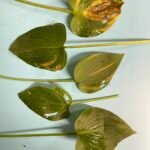 PestStrawberry foliar nematodeAphelenchoides fragariae
 DiseaseBacterial soft rotPectobacterium carotovorum
 DiseaseRhizopus soft rotRhizopus stolonifer
 DiseaseAlternaria leaf spot and fruit rotAlternaria alternata
 DiseaseRhizoctonia DiseasesRhizoctonia solani Kühn
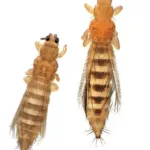 PestOnion thripsThrips tabaci Lindeman
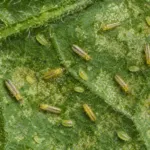 PestMelon thripsThrips palmi Karny
 PestChilli thripsScirtothrips dorsalis Hood
Toxicity and pollen
Iris rhizomes and other plant parts contain compounds that can cause gastrointestinal upset and skin irritation if eaten or handled by sensitive individuals. Keep rhizomes away from children and pets, and wear gloves when dividing if skin is reactive.
- Typical season
- Typically late spring to early summer during flowering
- Pollination / pollen
- Heavy, insect-carried pollen
This is an insect-pollinated iris, so pollen is not typically released in large airborne clouds like wind-pollinated plants. Nevertheless, sensitive people may encounter pollen on flowers or foliage, and direct contact can cause irritation in susceptible individuals.
Native habitat
As a cultivated historic hybrid, it is not associated with a single wild habitat. It performs best in open, sunny garden conditions resembling well-drained temperate grassland or dry woodland margins, with seasonal moisture but no prolonged waterlogging.
Interesting fact
‘Maori King’ was introduced by George Reuthe in 1890 and received a Royal Horticultural Society High Commendation in 1916. Historical catalogs describe it as about 18 inches tall, while later garden sources may report taller plants under favorable conditions. It is associated with the Variegata color group of tall bearded irises.
Frequently asked questions (FAQ)
The most relevant questions about this plant, with short and direct answers.
🌱Quick care
What type of iris is Iris 'Maori King'?⌄
Iris 'Maori King' is a historic tall bearded iris cultivar introduced by George Reuthe in 1890. It is a rhizomatous perennial in the Iridaceae family and is known for golden-yellow standards and velvety maroon falls edged in yellow.
How much sun does Iris 'Maori King' need?⌄
Grow Iris 'Maori King' in full sun, ideally with at least 6 hours of direct sunlight daily. More sun generally supports stronger stems, better flowering, and drier rhizome conditions.
How often should I water Iris 'Maori King'?⌄
Water Iris 'Maori King' moderately, allowing the soil surface to dry slightly between waterings. Avoid persistently wet soil because waterlogged rhizomes are prone to rot.
Is Iris 'Maori King' hardy in cold climates?⌄
Iris 'Maori King' is cold hardy outdoors when planted in well-drained soil. Winter survival depends more on drainage and rhizome health than on heavy winter protection.
How tall does Iris 'Maori King' grow?⌄
Iris 'Maori King' is generally listed as a medium- to tall-growing bearded iris, with reported heights from about 18 to 30 inches. Height can vary with climate, soil, and the planting stock.
🌤️Environment and placement
Where should I plant Iris 'Maori King'?⌄
Plant Iris 'Maori King' in a sunny, open position with excellent drainage and good air circulation. A raised bed, slope, or mixed perennial border is preferable to a low, wet site.
What soil is best for Iris 'Maori King'?⌄
Use well-drained loam that is neutral to slightly alkaline for Iris 'Maori King'. Improve heavy clay with organic matter and coarse material, but avoid creating a rich, moisture-retentive planting pocket around the rhizome.
Can Iris 'Maori King' grow in partial shade?⌄
Iris 'Maori King' can tolerate some light afternoon shade, but full sun is better for reliable flowering. Deep shade or shade combined with wet soil commonly reduces bloom and increases disease risk.
💧Care and problems
Why is my Iris 'Maori King' not blooming?⌄
The most common causes are insufficient sunlight, overcrowded rhizomes, excessive nitrogen, planting too deeply, or poor drainage. Check that the rhizome is near the soil surface and receives full sun.
Why are the leaves of Iris 'Maori King' turning yellow or soft?⌄
Yellowing or soft foliage on Iris 'Maori King' often indicates overwatering, poor drainage, or rhizome rot. Remove damaged tissue, improve drainage, and water only when the surface has begun to dry.
Does Iris 'Maori King' need fertilizer?⌄
Iris 'Maori King' usually needs only light fertilization in average garden soil. Use a low-nitrogen, iris- or perennial-appropriate fertilizer in early spring and avoid heavy nitrogen, which can produce foliage at the expense of flowers.
Should I cut back Iris 'Maori King' after flowering?⌄
Remove spent flower stalks after Iris 'Maori King' finishes blooming, but leave healthy leaves in place. Cut foliage back only after it has naturally yellowed or been damaged by frost.
🪴Planting and repotting
When is the best time to plant Iris 'Maori King' in the United States?⌄
Plant Iris 'Maori King' rhizomes in late summer to early fall, after flowering and during the normal iris shipping season. In colder regions, plant early enough for roots to establish before the ground freezes.
How do I plant Iris 'Maori King' rhizomes?⌄
Set the rhizome nearly at the soil surface, with the roots spread downward and the top exposed or only lightly covered. Firm the soil around the roots, water once to settle the planting, and avoid deep mulch over the rhizome.
How far apart should I plant Iris 'Maori King'?⌄
Space Iris 'Maori King' rhizomes about 12 to 18 inches apart for good airflow and future increase. Position the growing point toward the open space so the clump can expand without crowding nearby plants.
✂️Propagation and pruning
How do I propagate Iris 'Maori King'?⌄
Propagate Iris 'Maori King' by dividing its rhizomes rather than by seed when you want plants true to the cultivar. Divide healthy fans after flowering, retaining a firm rhizome section and roots on each division.
When should Iris 'Maori King' be divided?⌄
Divide Iris 'Maori King' in late summer or early fall, after flowering and once the plant has had time to rebuild its rhizome. Division is useful when the clump is crowded or flowering has declined.
Can Iris 'Maori King' be grown from seed?⌄
Iris 'Maori King' can produce seed, but seedlings will not reliably reproduce the named cultivar. Seed propagation is mainly useful for breeding or experimentation, while division preserves its established flower colors and form.
⚠️Toxicity and safety
Is Iris 'Maori King' toxic to dogs, cats, or people?⌄
Iris 'Maori King' should be treated as potentially toxic if eaten, particularly the rhizomes. Ingestion may cause gastrointestinal upset, and plant sap can irritate skin, so wear gloves when handling and keep plant material away from pets and children.
🌸Flowering and special interest
When does Iris 'Maori King' bloom?⌄
Iris 'Maori King' generally blooms in the main bearded-iris season, usually late spring to early summer in much of the United States. Exact timing varies by USDA hardiness zone, weather, and local growing conditions.
What do the flowers of Iris 'Maori King' look like?⌄
The flowers of Iris 'Maori King' have rich golden-yellow upright standards and velvety maroon to crimson-brown falls with yellow edging or veining. It is a strongly contrasting historic color pattern typical of the old variegata class.
Is Iris 'Maori King' a good cut flower?⌄
Iris 'Maori King' can be used as a cut flower, although each bloom is relatively short-lived. Cut stems when the first bud is beginning to open and place them immediately in clean water.
Similar plants
 Iris ‘Beverly Sills’Iris 'Beverly Sills'
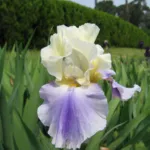 Iris ‘Edith Wolford’Iris 'Edith Wolford'
 Fusion Glow (Impatiens walleriana ‘Fusion Glow’)Impatiens walleriana 'Fusion Glow'
 Busy Lizzie (Impatiens walleriana) care guideImpatiens walleriana
 Compact White (Impatiens sunpatiens ‘Compact White’)Impatiens sunpatiens 'Compact White'
 Impatiens ‘New Guinea’Impatiens 'New Guinea'