
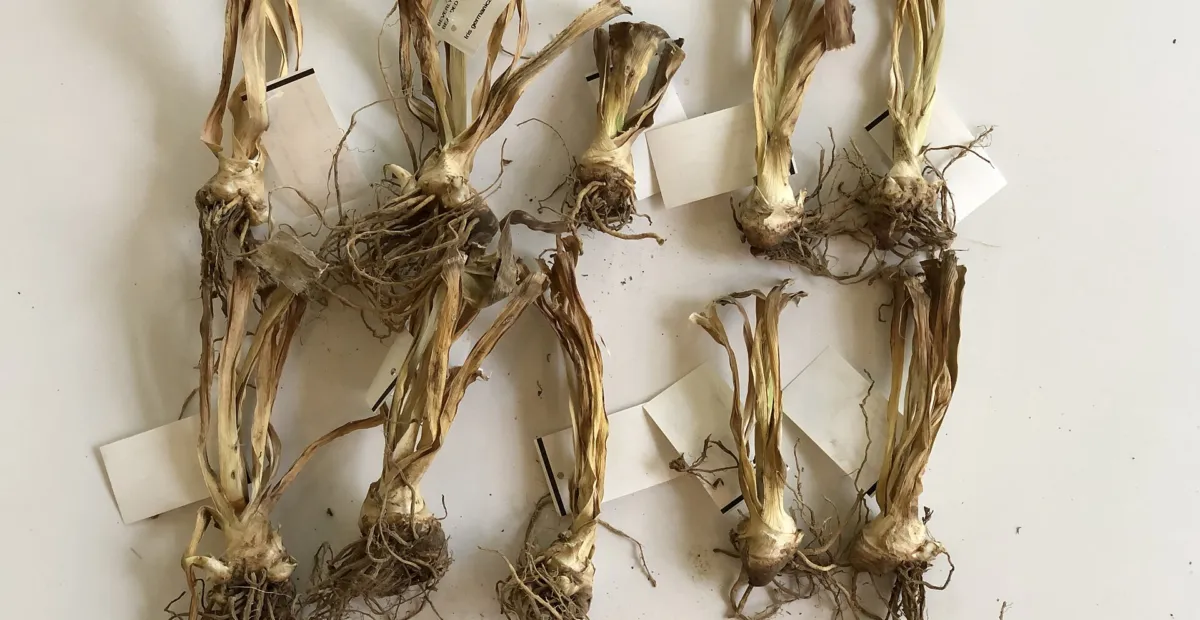
 Source:
 Iris ‘Beverly Sills’ short overview
Iris 'Beverly Sills' is a celebrated tall bearded iris with large, ruffled coral-pink flowers and warm orange beards on upright, branching stems. It forms a clump of narrow, sword-shaped green leaves and flowers mainly in late spring or early summer, with rebloom reported in some regions. Give it full sun, excellent drainage, and shallowly planted rhizomes; established plants tolerate short dry periods but dislike wet soil.
Taxonomic classification
Iris ‘Beverly Sills’ care guide
Light and placement
Choose an open position with at least 6 hours of direct sun, preferably with southern or eastern exposure and good air movement. In very hot climates, light afternoon shade can reduce scorch without severely reducing bloom. Too little light produces weak stems and sparse flowering; excessive wet shade is especially damaging because it encourages rhizome rot.
Watering and humidity
Water deeply during establishment and through active spring growth, allowing the surface to dry between waterings. Maintain more consistent moisture through flowering and for several weeks afterward, then reduce irrigation as the plant enters its drier resting period. Established clumps tolerate short dry spells but perform poorly in saturated beds or constantly wet containers.
Soil and growing medium
Use moderately fertile, sharply drained soil. Sandy or loamy ground is especially suitable; heavy clay or persistently wet sites should be amended with mineral material or raised into a bed or slope. A near-neutral to slightly alkaline reaction is generally tolerated. Avoid burying the rhizome in organic, waterlogged soil, which increases rot risk.
Feeding
Apply a modest, low-nitrogen perennial fertilizer or a light dressing of compost in early spring as growth begins, keeping material off the rhizome. A second light feeding after bloom may support reblooming cultivars where local conditions permit. Avoid heavy nitrogen applications, which can produce lush foliage, weaken flowering, and increase soft-rot risk.
Growth and habit
Plants form upright clumps from fleshy rhizomes, with flowering stems rising above the fan-shaped foliage. Clumps can become crowded and flower less well over time, so periodic lifting and division is useful. Keep the crown open to sun and air, and avoid dense mulch that traps moisture around the rhizome.
Planting and repotting
Plant dormant rhizomes from late July through October, adapting the timing to local winter severity. Set each rhizome on a shallow mound with the upper surface exposed and roots spread horizontally. Space plants about 12–20 inches apart. Water during establishment, keep weeds away, and avoid mulch directly over the rhizome.
Container-grown plants can be lifted and divided after flowering or in late summer. Use a wide, stable container with drainage holes and a gritty, well-drained mix; keep the rhizome shallow and exposed rather than treating it like a bulb. Replant divisions when the clump becomes crowded or flowering declines.
Propagation and pruning
Propagation
Divide crowded clumps in late summer, several weeks after flowering. Lift carefully, cut healthy rhizome sections with a fan of leaves, discard soft or diseased tissue, trim foliage, and replant promptly with the rhizome top exposed. Seed propagation is mainly useful for breeding because seedlings do not come true to the cultivar.
Pruning
Remove spent flowers and developing seed pods if seed is not wanted. After frost, cut back and remove yellowed foliage and clear debris from the bed. Do not cut healthy green leaves during the growing season unless removing damaged tissue.
Overwintering
Leave healthy foliage until it yellows or is damaged by frost, then remove it and clear debris. In Zones 3–4, use a site with excellent drainage and avoid heavy winter mulch over the rhizome; a loose, temporary protective cover can reduce frost heaving where needed. Container plants need protection from repeated freeze-thaw cycles.
Uses
Use in sunny perennial borders, mixed beds, raised beds, slopes, foundation plantings, and cutting gardens. The tall stems provide vertical structure and the flowers are suitable for arrangements. It is not an edible plant; keep rhizomes and other parts away from children and pets because iris tissues can be irritating or toxic if ingested.
Appearance
The plant has narrow, erect, sword-shaped green leaves arranged in fans. Stiff, branched flower stems rise above the foliage and carry large, ruffled blooms. The flowers show coral-pink standards and falls with a contrasting orange beard, while the fleshy rhizomes spread horizontally near the soil surface.
Flowering
This early-to-midseason tall bearded iris produces showy, well-formed flowers on branched stems in late spring to early summer. Individual flowers are relatively short-lived, but a clump can carry multiple buds over several days. Rebloom has been reported in some climates, especially where plants receive adequate post-bloom moisture and nutrition.
Pollination and visitors
The open, bearded flowers are adapted to insect visitation, and garden references identify bearded iris as pollinator-friendly. Bees and bumblebees are the most defensible visitor groups for this cultivar type, but a specific pollinator species has not been established for 'Beverly Sills'.
Iris 'Beverly Sills' photos
Click any photo for a larger view. Source, author and license are shown separately.
Diseases and pests
Diseases
Main risks include bacterial soft rot, rhizome rot, leaf spot, crown rot, and virus symptoms. Prevent problems with excellent drainage, shallow planting, good air circulation, clean tools, and removal of diseased foliage or rhizomes. Cut back and clear old foliage after frost; do not keep wet mulch against the rhizomes.
Pests
Iris borer is the most serious regional pest; aphids, thrips, slugs, and snails may also occur. Check emerging leaves for water-soaked streaks or tunneling, remove infested material, and clear dead foliage and debris in fall. Encourage airflow and avoid unnecessary insecticide use during bloom.
Related diseases and pests
Only Plant Doctor profiles whose host data indicate this plant may be affected are shown here.
 PestStrawberry foliar nematodeAphelenchoides fragariae
 DiseaseBacterial soft rotPectobacterium carotovorum
 DiseaseRhizopus soft rotRhizopus stolonifer
 DiseaseAlternaria leaf spot and fruit rotAlternaria alternata
 DiseasePhytophthora root and crown rotPhytophthora nicotianae
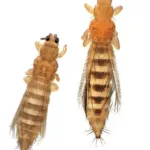 PestOnion thripsThrips tabaci Lindeman
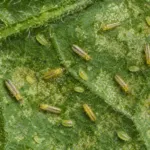 PestMelon thripsThrips palmi Karny
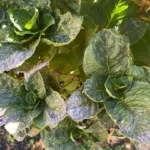 PestChilli thripsScirtothrips dorsalis Hood
Toxicity and pollen
Iris plants contain irritating compounds, with the greatest concentration generally reported in the rhizomes. Ingestion can cause salivation, vomiting, diarrhea, or gastrointestinal irritation in pets and people. Wear gloves when handling damaged rhizomes, keep plant material away from children and animals, and seek medical or veterinary advice after ingestion.
- Typical season
- May–June in much of the United States
- Pollination / pollen
- Insect-presented pollen; limited airborne dispersal
As an insect-pollinated iris, its pollen is primarily presented within the flower rather than released in large airborne clouds. That suggests relatively low airborne exposure compared with wind-pollinated plants, but cultivar-specific allergy studies are unavailable, so highly sensitive people should not treat the risk as zero.
Native habitat
This is a cultivated hybrid iris rather than a plant with a single natural wild habitat. Its garden performance reflects the ecology of rhizomatous bearded irises: sunny, open sites, relatively dry resting conditions after growth, and soils that drain quickly enough to prevent rhizome rot.
Interesting fact
Introduced by Ben Hager and registered in 1979.
Won the American Dykes Medal in 1985.
The cultivar is classified as a tall bearded iris.
Its orange beard contrasts with coral-pink flower segments.
The rhizome should remain partly exposed rather than buried.
Frequently asked questions (FAQ)
The most relevant questions about this plant, with short and direct answers.
🌱Quick care
What type of iris is Iris 'Beverly Sills'?⌄
Iris 'Beverly Sills' is a tall bearded iris cultivar in the Iridaceae family. It is a cold-hardy, clump-forming perennial grown from rhizomes.
How tall does Iris 'Beverly Sills' get?⌄
Iris 'Beverly Sills' typically grows about 30 to 36 inches tall. Flower stems rise above sword-shaped foliage and may need shelter from strong wind.
What color are Iris 'Beverly Sills' flowers?⌄
Iris 'Beverly Sills' produces coral-pink to flamingo-pink flowers with a warm-toned beard. The exact color can vary slightly with light, temperature, and soil conditions.
🌤️Environment and placement
How much sun does Iris 'Beverly Sills' need?⌄
Grow Iris 'Beverly Sills' in full sun for the strongest growth and flowering. In very hot climates, light afternoon shade can help protect the foliage and flowers.
What soil is best for Iris 'Beverly Sills'?⌄
Use well-drained sandy or loamy soil for Iris 'Beverly Sills'. Avoid heavy, waterlogged beds because saturated soil can cause rhizome rot.
What USDA zones can grow Iris 'Beverly Sills'?⌄
Iris 'Beverly Sills' is generally suitable for cold-temperate gardens, with reported performance across approximately USDA Zones 5 through 9. Local results can vary, especially in regions with extreme winter cold or hot, humid summers.
Can Iris 'Beverly Sills' tolerate drought?⌄
Established Iris 'Beverly Sills' plants are moderately drought tolerant. Water during prolonged heat or drought, particularly while newly planted or forming flower buds.
💧Care and problems
How often should I water Iris 'Beverly Sills'?⌄
Water Iris 'Beverly Sills' moderately, allowing the soil to dry somewhat between waterings. Provide more consistent moisture during establishment, but never keep the rhizomes continually wet.
Why is my Iris 'Beverly Sills' not blooming?⌄
Common causes include insufficient sunlight, rhizomes planted too deeply, overcrowding, excessive nitrogen, or immature divisions. Move or divide the plant if needed, and keep the top of the rhizome at or slightly above soil level.
Should I deadhead Iris 'Beverly Sills'?⌄
Yes, remove spent flowers from Iris 'Beverly Sills' to improve its appearance and prevent seed formation. Cut the flower stalk to the base after flowering, but leave healthy leaves in place.
Does Iris 'Beverly Sills' need fertilizer?⌄
Iris 'Beverly Sills' benefits from light feeding in poor soil, ideally with a balanced or relatively low-nitrogen fertilizer. Avoid heavy nitrogen applications because they can encourage foliage at the expense of flowers and may increase disease problems.
What problems commonly affect Iris 'Beverly Sills'?⌄
Poor drainage, overcrowding, rhizome rot, iris borers, and leaf-spot diseases are the main concerns. Good air circulation, exposed rhizomes, cleanup of old foliage, and prompt removal of damaged tissue reduce risk.
🪴Planting and repotting
When is the best time to plant Iris 'Beverly Sills'?⌄
Plant Iris 'Beverly Sills' after flowering through late summer, giving the rhizomes time to establish before winter. In much of the United States, July through September is a practical planting window, adjusted for local climate.
How deep should I plant Iris 'Beverly Sills' rhizomes?⌄
Plant Iris 'Beverly Sills' rhizomes shallowly, with the upper surface exposed to sunlight or just barely covered. Spread the roots into the soil and avoid burying the rhizome deeply, which can suppress flowering and promote rot.
How far apart should Iris 'Beverly Sills' plants be spaced?⌄
Space Iris 'Beverly Sills' rhizomes about 12 to 24 inches apart, depending on the desired appearance and how quickly the bed may be divided. Point the leafy end in the direction of growth and leave room for air circulation.
✂️Propagation and pruning
How do you divide Iris 'Beverly Sills'?⌄
Divide Iris 'Beverly Sills' by lifting the clump in late summer, separating healthy rhizomes with a fan of leaves, and replanting them shallowly. Discard soft or diseased sections and cut the foliage back to reduce transplant stress.
How often should Iris 'Beverly Sills' be divided?⌄
Divide Iris 'Beverly Sills' when the clump becomes crowded, flowering declines, or rhizomes push tightly against one another, usually every three to five years. Healthy, well-spaced clumps can remain undisturbed longer.
⚠️Toxicity and safety
Is Iris 'Beverly Sills' poisonous to people or pets?⌄
Iris 'Beverly Sills' is toxic if ingested, particularly the rhizomes and other plant parts. Keep children and pets from chewing the plant, and contact a medical or veterinary professional if ingestion occurs.
🌸Flowering and special interest
When does Iris 'Beverly Sills' bloom?⌄
Iris 'Beverly Sills' normally blooms in late spring to early summer, around the typical midseason period for tall bearded irises. Bloom timing varies with USDA zone, weather, and the plant's growing conditions.
Is Iris 'Beverly Sills' a reblooming iris?⌄
Iris 'Beverly Sills' can rebloom in some climates, but rebloom is not reliable everywhere. Reports are strongest from selected regions including parts of California, Kentucky, Massachusetts, Oregon, and Washington, and depend on adequate sunlight, moisture, and a long growing season.
Is Iris 'Beverly Sills' good as a cut flower?⌄
Yes, Iris 'Beverly Sills' is suitable for cut-flower use because its tall stems carry showy pink blooms. Cut stems when buds are beginning to open and place them in clean water for the best display.
Similar plants
 He pickle pla (Delosperma echinatum) care guideDelosperma echinatum
 Impatiens New Guinea Group (Impatiens hawkeri) care guideImpatiens hawkeri
 Delosperma congestum care guideDelosperma congestum
 Stock Sheepfig (Delosperma floribundum) care guideDelosperma floribundum
 Delosperma ‘Jewel of Desert Garnet’Delosperma 'Jewel of Desert Garnet'
 Compact Tropical (Impatiens sunpatiens ‘Compact Tropical’)Impatiens sunpatiens 'Compact Tropical'