
 Source:
 Stock Sheepfig (Delosperma floribundum) short overview
Stock Sheepfig (Delosperma floribundum) is a densely branched South African succulent subshrub valued for its vivid pink to rose-purple flowers and bright green, semi-terete leaves. It suits sunny rock gardens, gravel beds, slopes, and containers with excellent drainage. Although some horticultural selections are hardy into colder USDA zones, the species should be protected from prolonged winter moisture and the most severe freezes.
Taxonomic classification
Stock Sheepfig (Delosperma floribundum) care guide
Light and placement
Give full sun, ideally six or more hours of direct light with southern or western exposure in the United States. Morning sun is useful in hot climates, but dense afternoon shade can reduce flowering and make stems lank. Signs of insufficient light include stretched, open growth and fewer flowers; pale, scorched tissue usually indicates heat, reflected-light stress, or abrupt exposure rather than a need for shade.
Watering and humidity
Water thoroughly only after the substrate has dried well through the root zone, then let excess drain completely. During spring and summer growth, check containers more often; reduce sharply in cool weather and keep nearly dry during prolonged winter rain or dormancy. Do not mist the foliage or leave pots standing in water.
Soil and growing medium
Use a gritty, rapidly draining medium based on coarse sand, gravel, pumice, or other mineral material. Avoid heavy clay and sites that stay wet after rain. A mildly acidic to mildly alkaline reaction is generally suitable; drainage matters more than a narrow pH target.
Feeding
Feed sparingly. In spring, apply a dilute, balanced fertilizer once or use a light top-dressing of finished compost around established outdoor plants. Do not fertilize dry, recently transplanted, dormant, or winter-stressed plants, and avoid heavy nitrogen that produces soft, overly lush growth.
Growth and habit
This is a densely branched, perennial dwarf shrublet rather than a flat rosette-forming ice plant. Stems become diffuse and ascending, creating a spreading mound that benefits from open spacing and mineral mulch. Heavy irrigation can encourage soft growth and reduce winter reliability.
Planting and repotting
Plant after the danger of severe frost, preferably in late spring, in a raised bed, gravel pocket, or slope. Set the crown at soil level rather than burying the stems. Water lightly after planting, then let the root zone dry between thorough waterings while roots establish.
Repot container plants in spring when growth resumes, moving them only one pot size larger. Replace compacted, moisture-retentive mix with a mineral-rich succulent substrate, and allow damaged roots to dry briefly before watering.
Propagation and pruning
Propagation
Propagate from seed or stem cuttings. Sow seed on the surface of a gritty, well-drained medium and keep evenly but lightly moist until germination. Take non-flowering cuttings during active growth, let cut ends callus briefly, then root in a porous mix with restrained watering.
Pruning
Little pruning is needed. After flowering or in early spring, trim damaged, dead, or untidy stems with clean shears. Avoid cutting deeply into old, leafless woody tissue unless necessary, and keep cut surfaces dry until they heal.
Overwintering
In cold-winter regions, keep outdoor plants in a raised, rain-sheltered position or move containers under cover before prolonged freezing and wet weather. Hardy selections may survive substantial cold when dry, but the species-level limit is uncertain. Indoors, provide the brightest window available and water very sparingly.
Uses
Use as a flowering succulent for rock gardens, gravel plantings, dry slopes, raised beds, retaining walls, and containers. Its low, spreading habit can help cover sunny mineral soil. It is not documented here as an edible or medicinal plant, so do not promote consumption or therapeutic use.
Appearance
The plant forms a diffuse, densely branched shrublet with ascending stems. Leaves are bright green, fleshy, semi-terete, slightly grooved on the upper surface, and covered with rounded bladder cells; their tips may be blunt to pointed. Stems can be pale or ochre toward the lower portions.
Flowering
Flowers are produced in loose cymes and open during the day. The species can flower from spring into late summer; a South African botanical description records a particularly long spring-to-late-summer period. Flowers are pink to rose-purple with a pale center and may appear abundantly enough to color the planting.
Pollination and visitors
The open, daytime flowers are consistent with visitation by small bees, bumblebees, and hoverflies, but reliable species-specific records for D. floribundum were not located. Avoid insecticides during bloom to preserve visiting insects.
Delosperma floribundum photos
Click any photo for a larger view. Source, author and license are shown separately.
Diseases and pests
Diseases
The principal risk is root or stem rot caused by persistently wet soil, especially in winter. Prevent problems with raised, sharply drained soil, restrained irrigation, and good air movement. Remove collapsed tissue and correct drainage rather than relying on routine fungicide use.
Pests
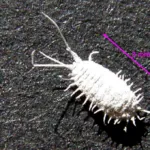
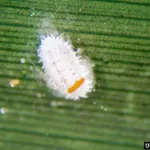
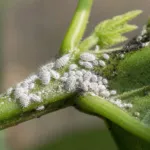
Watch for mealybugs, scale, and root-feeding pests in containers, especially where plants are stressed or overwatered. Inspect leaf axils and stems, isolate affected pots, remove light infestations manually, and improve light and airflow. Avoid routine broad-spectrum insecticide use when flowers are open.
Related diseases and pests
Only Plant Doctor profiles whose host data indicate this plant may be affected are shown here.
Toxicity and pollen
No authoritative species-specific toxicity assessment was located in the sources reviewed. Do not claim confirmed pet safety or toxicity. Keep unfamiliar plant material away from children and pets, and avoid ingestion; succulent sap or plant fragments may cause mechanical or gastrointestinal irritation in sensitive individuals.
- Typical season
- During flowering, typically spring through late summer in the United States
- Pollination / pollen
- Flower pollen generally moved by visiting insects
The plant produces pollen in its flowers, but reliable species-specific airborne pollen or clinical allergy data were not located. As an insect-pollinated succulent with showy flowers, airborne exposure is likely lower than for wind-pollinated plants, but sensitive people should still avoid handling flowers if symptoms occur.
Native habitat
The species is native to the Free State and KwaZulu-Natal of South Africa, where it occurs in subtropical, summer-rainfall settings. It is associated with disturbed sandy places and naturally copes with bright exposure and rapid drainage.
Interesting fact
The species name floribundum refers to abundant flowering.
Its leaves have distinctive rounded bladder cells typical of many mesembs.
The genus name refers to seed capsules with exposed seeds when open.
The species is native to the Free State and KwaZulu-Natal in South Africa.
South African sources report that it can produce large quantities of seed.
Frequently asked questions (FAQ)
The most relevant questions about this plant, with short and direct answers.
🌱Quick care
What is Stock Sheepfig (Delosperma floribundum)?⌄
Stock Sheepfig is a low-growing succulent subshrub in the Aizoaceae family, native to South Africa. It is grown for its fleshy foliage, spreading habit, and abundant daisy-like flowers.
How much sun does Delosperma floribundum need?⌄
Delosperma floribundum needs full sun, ideally with at least 6 hours of direct light daily. Insufficient light can reduce flowering and make growth less compact.
How often should I water Stock Sheepfig?⌄
Water Stock Sheepfig thoroughly, then allow the soil to dry before watering again. Once established outdoors, it usually needs only occasional supplemental water, with much less in cool or wet weather.
Is Delosperma floribundum drought tolerant?⌄
Yes, Delosperma floribundum is drought tolerant once established. It still needs regular watering during its initial establishment period and may need occasional water during prolonged, very hot drought.
What soil is best for Delosperma floribundum?⌄
Use gritty, sandy, or rocky soil that drains rapidly. A cactus or succulent mix amended with pumice, perlite, or coarse grit is suitable for containers.
🌤️Environment and placement
Can Delosperma floribundum grow in a rock garden?⌄
Yes, Delosperma floribundum is well suited to rock gardens, gravel beds, raised areas, and sunny slopes. The site must drain quickly and should not remain wet after rain.
Can Stock Sheepfig grow in a container?⌄
Yes, Stock Sheepfig grows well in containers with drainage holes and a fast-draining succulent mix. Choose a pot only slightly larger than the root system to reduce excess moisture.
Is Delosperma floribundum hardy in cold climates?⌄
Delosperma floribundum is cold-hardy for a succulent, but its winter survival depends on local temperatures, drainage, and winter moisture. Cold, wet soil is generally more damaging than brief frost.
Can Delosperma floribundum survive winter outdoors in the United States?⌄
It can survive winter outdoors in many parts of the United States when planted in sharply drained soil. In colder or wetter regions, protect it from prolonged freezing moisture or grow it in a movable container.
Does Stock Sheepfig tolerate heat?⌄
Stock Sheepfig generally tolerates hot, sunny conditions when its soil drains well. During extreme heat, water deeply only after the soil has dried and provide temporary afternoon protection if the plant shows stress.
💧Care and problems
Why is my Delosperma floribundum turning yellow or soft?⌄
Yellow, translucent, or soft foliage most often indicates excess moisture or poor drainage. Let the soil dry, improve drainage, and remove rotted tissue before replanting healthy sections.
Why is my Stock Sheepfig not flowering?⌄
The most common causes are insufficient sunlight, excessive nitrogen, immature growth, or overly wet conditions. Move it to full sun and avoid heavy feeding while keeping the soil sharply drained.
Does Delosperma floribundum need fertilizer?⌄
Delosperma floribundum generally needs little fertilizer. If growth is weak, apply a dilute, balanced or succulent fertilizer once during active growth rather than feeding heavily.
How do I prevent root rot in Stock Sheepfig?⌄
Prevent root rot by using a porous soil mix, a container with drainage holes, and a watering schedule based on dry soil rather than a fixed calendar. Keep the crown from sitting in water.
What pests affect Delosperma floribundum?⌄
Delosperma floribundum is usually low maintenance, but aphids, mealybugs, and other sap-feeding pests may occasionally occur. Inspect new growth and treat a small infestation promptly with an appropriate garden product.
🪴Planting and repotting
When should I plant Delosperma floribundum outdoors?⌄
Plant Delosperma floribundum in spring after the danger of hard frost has passed, giving it time to establish before winter. In mild climates, fall planting can also work if the soil drains freely.
How far apart should I plant Stock Sheepfig?⌄
Space Stock Sheepfig about 8 to 12 inches apart, adjusting for the available cultivar and desired coverage. Wider spacing improves airflow, while closer spacing fills an area faster.
How do I repot Delosperma floribundum?⌄
Repot Delosperma floribundum into fresh, sharply drained soil during active growth, handling the roots gently. Let damaged roots or cut surfaces dry briefly before watering, and use a pot with drainage holes.
✂️Propagation and pruning
How do I propagate Stock Sheepfig from cuttings?⌄
Take healthy stem cuttings, allow the cut ends to callus briefly, and place them in barely moist, gritty soil. Keep them bright and warm, watering sparingly until roots form.
Can Delosperma floribundum be propagated by division?⌄
Yes, established Delosperma floribundum plants can be divided during active growth. Separate sections with both stems and roots, then replant them in dry, fast-draining soil and water cautiously.
Can I grow Stock Sheepfig from seed?⌄
Yes, Stock Sheepfig can be grown from seed, although seedlings may vary from selected cultivars. Sow the fine seed on a well-drained surface and keep the medium lightly moist until germination.
Should I prune Delosperma floribundum?⌄
Pruning is usually limited to removing dead, damaged, or overly sprawled growth. Light trimming after flowering can help maintain a compact shape, but avoid cutting deeply into old, leafless stems.
⚠️Toxicity and safety
Is Delosperma floribundum toxic to dogs and cats?⌄
No confirmed species-specific toxicity classification was located for Delosperma floribundum. Because formal toxicity information is limited, prevent pets and children from consuming the plant and contact a veterinarian or poison-control service if ingestion occurs.
Is Stock Sheepfig safe to plant around children?⌄
Stock Sheepfig has soft, fleshy foliage and no known sharp spines, but its species-specific safety data are limited. Treat it as an ornamental plant and discourage children from chewing any part of it.
🌸Flowering and special interest
When does Delosperma floribundum bloom?⌄
Delosperma floribundum generally flowers during the warmer growing season, with the heaviest display occurring when it receives strong sunlight. Flowering timing varies with climate, winter conditions, and plant maturity.
What color are Stock Sheepfig flowers?⌄
Stock Sheepfig commonly produces bright pink to magenta, daisy-like flowers, often with a contrasting pale or white center. Color can vary among plants and cultivated selections.
Why do Delosperma floribundum flowers close?⌄
Delosperma floribundum flowers may close in low light, at night, or during cool, cloudy weather. They usually open more fully in bright sunshine and warm conditions.
How can I encourage more flowers on Stock Sheepfig?⌄
Provide full sun, sharply drained soil, and careful watering to encourage more flowers on Stock Sheepfig. Avoid rich, high-nitrogen feeding, which can promote foliage at the expense of blooms.
Similar plants
 Flatleaf Sheepfig (Delosperma ashtonii) care guideDelosperma ashtonii
 Delosperma congestum care guideDelosperma congestum
 Delosperma ‘Fire Spinner’Delosperma 'Fire Spinner'
 Tarkastad Sheepfig (Delosperma dyeri) care guideDelosperma dyeri
 Delosperma ‘Jewel of Desert Garnet’Delosperma 'Jewel of Desert Garnet'
 Lavender Ice Plant (Delosperma ‘Lavender Ice’)Delosperma 'Lavender Ice'