
 AI-generated illustration
Lavender Ice Plant (Delosperma ‘Lavender Ice’) short overview
Delosperma ‘Lavender Ice’ is a low, evergreen succulent perennial selected for its unusually large lavender-pink, daisy-like flowers with a contrasting pink eye. The spreading mat stays close to the ground and works well in sunny rock gardens, containers, slopes, and waterwise borders. Give it sharp drainage, lean soil, and restrained watering; winter survival is strongest where cold, wet soil is avoided.
Taxonomic classification
Lavender Ice Plant (Delosperma ‘Lavender Ice’) care guide
Light and placement
Give full sun, ideally at least 6 hours of direct light with strong afternoon exposure. South- or west-facing rock gardens, raised beds, and open containers are suitable. Insufficient light produces looser growth and fewer flowers; excessive summer heat is usually tolerated if roots stay dry. In very hot climates, light afternoon shade may reduce stress without sacrificing bloom.
Watering and humidity
Water deeply after planting, then allow the soil to dry substantially before watering again. Once established, irrigate only during prolonged heat or drought, with occasional deep watering rather than frequent sips. Reduce watering sharply in fall and winter, especially in heavy or cold soil. Humid climates require extra spacing, airflow, and drainage.
Soil and growing medium
Use a sharply drained, gritty substrate with substantial mineral content, such as sandy loam amended with gravel, pumice, or perlite. Avoid heavy clay and sites that remain wet in winter. A near-neutral to slightly alkaline reaction is generally suitable; drainage is more important than fine pH adjustment.
Feeding
Feed sparingly. In spring, top-dress established plants with a small amount of mature compost or apply a dilute, balanced succulent fertilizer once as growth begins. Do not fertilize drought-stressed, newly planted, or dormant plants, and avoid high-nitrogen feeding that produces soft growth and weaker flowering.
Growth and habit
The plant forms a dense, low mat from branching, rooting stems and gradually fills open ground. Its spreading habit can drape over a container edge or wall. Keep neighboring plants from shading the crown, and divide or trim only when the mat becomes crowded or damaged.
Planting and repotting
Plant after the danger of hard frost has passed, or in fall where winters are mild and the soil drains rapidly. Set the crown at the same depth as in the nursery container. Space plants about 12–24 inches apart, depending on how quickly coverage is desired, and water lightly but regularly until established.
Repot container plants in spring when active growth resumes, moving them only one pot size larger. Replace compacted, water-retentive mix with a gritty cactus or succulent blend. Handle the fleshy stems gently and allow damaged cuts to dry before watering.
Propagation and pruning
Propagation
Stem cuttings are the practical method for preserving this cultivar. Take healthy nonflowering shoots during active growth, let cut ends callus briefly, then root them in a porous, barely moist medium. Seed may be produced, but seedlings will not reliably reproduce the named cultivar.
Pruning
Little pruning is needed. Remove dead stems and winter-damaged material in spring after new growth is visible. Lightly trim spent flowering growth in late summer or early fall if a tidier mat is desired, but avoid cutting deeply into old woody bases.
Overwintering
Leave plants outdoors in Zones 4–9 only where winter drainage is excellent. Protect crowns from prolonged rain and standing water with gravel mulch, a rain shadow, or a raised planting position. In containers, move pots under cover before repeated freezing and thawing, keep the mix nearly dry, and provide bright light.
Uses
Useful as a drought-tolerant groundcover for rock gardens, gravel beds, sunny slopes, retaining walls, border fronts, containers, and erosion-prone small areas. Its long flowering season makes it a useful ornamental resource for bees and other flower visitors. It is not documented here as an edible or medicinal plant.
Appearance
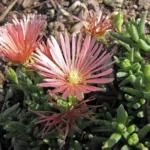
A low mat of branching, succulent stems carries fleshy, narrow, glistening green leaves. The foliage remains evergreen in many climates and can blush purple in cold weather. Large, open, daisy-like blooms rise just above the mat, with pastel lavender petals, a pink central eye, and a pale yellow center.
Flowering
Flowers are produced over a long season, commonly from late spring through fall, with the heaviest display in summer. The open, daisy-like blooms appear above the low foliage and open most fully in bright sunlight. In cooler climates, flowering usually ends with the first sustained frost.
Pollination and visitors
Delosperma is documented as attractive to bees and butterflies, and cold-hardy ice plants are widely used in pollinator-oriented plantings. The exact visitor profile of ‘Lavender Ice’ has not been studied separately, so the pollinator listing is based on reliable genus and cultivar-group evidence rather than a named insect species.
Diseases and pests
Diseases
Usually trouble-free when grown in dry, well-drained soil. Root and crown rots are the main concern and are encouraged by overwatering, poor drainage, or wet winter conditions. Improve drainage, avoid irrigation on cool wet days, and remove badly rotted tissue rather than repeatedly watering affected plants.
Pests
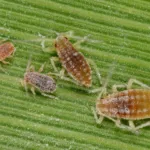
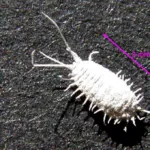
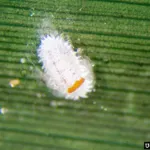
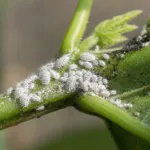
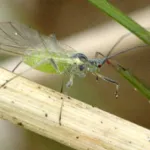
Aphids and mealybugs may occasionally occur, especially on stressed or sheltered plants. Inspect new growth and leaf bases, rinse off light infestations, and use a labeled low-impact treatment only when necessary. Avoid persistent moisture, which is generally a greater threat than insect damage.
Related diseases and pests
Only Plant Doctor profiles whose host data indicate this plant may be affected are shown here.

Toxicity and pollen
No reliable evidence was found showing that this exact cultivar has clinically significant toxic compounds. However, absence from a toxicity database is not proof of safety, and any plant material can cause gastrointestinal upset if eaten. Keep unfamiliar plant material away from children and pets and seek professional advice after substantial ingestion.
- Typical season
- During flowering, mainly late spring through fall
- Pollination / pollen
- Insect-transferred flower pollen
This is an insect-pollinated flowering succulent, so pollen is generally deposited by visiting insects rather than released in large airborne clouds. Sensitive people may still react to flower contact or nearby pollen, but cultivar-specific allergy studies were not located; a low airborne-pollen relevance rating is therefore precautionary rather than definitive.
Native habitat
The Delosperma group is associated with dry, sunny habitats in southern Africa, including rocky slopes and mineral soils. This cultivar is a horticultural hybrid selected for cold tolerance and ornamental performance, not a wild population. In cultivation it performs best where summer heat is paired with rapid drainage and winter moisture is limited.
Interesting fact
The cultivar is marketed under the selection code ‘Psfave’. Its flowers can reach about 2 inches across, unusually large for a low groundcover. The foliage may take on purple tones during cold weather. Bladder-like leaf hairs help the foliage glisten in strong light.
Frequently asked questions (FAQ)
The most relevant questions about this plant, with short and direct answers.
🌱Quick care
What is Delosperma 'Lavender Ice' commonly called?⌄
Delosperma 'Lavender Ice' is commonly sold in the United States as Lavender Ice Ice Plant or Lavender Ice Hardy Ice Plant. It is a low-growing succulent perennial in the Aizoaceae family.
How much sun does Delosperma 'Lavender Ice' need?⌄
Delosperma 'Lavender Ice' needs full sun, ideally at least 6 hours of direct sunlight daily. Insufficient light can reduce flowering and make the mat less dense.
How often should I water Delosperma 'Lavender Ice'?⌄
Water Delosperma 'Lavender Ice' deeply but infrequently, allowing the soil to dry between waterings. Established plants usually need supplemental water only during prolonged heat or drought, while containers require more frequent checks.
Is Delosperma 'Lavender Ice' drought tolerant?⌄
Yes, Delosperma 'Lavender Ice' is highly drought tolerant once established. Its main risk is usually excess moisture rather than underwatering.
How big does Delosperma 'Lavender Ice' get?⌄
Delosperma 'Lavender Ice' typically grows about 2–3 inches tall and spreads 18–24 inches wide. Its succulent foliage forms a dense, low groundcover mat.
🌤️Environment and placement
What USDA hardiness zones are suitable for Delosperma 'Lavender Ice'?⌄
Delosperma 'Lavender Ice' is generally marketed for USDA Zones 5–8 or 5–9, depending on the source and local winter conditions. Survival depends heavily on dry winter soil and good drainage.
Can Delosperma 'Lavender Ice' survive winter outdoors?⌄
Yes, Delosperma 'Lavender Ice' can survive cold winters when planted in sharply drained soil and kept relatively dry during dormancy. Winter wetness is often more damaging than freezing temperatures.
Can Delosperma 'Lavender Ice' grow in clay soil?⌄
Delosperma 'Lavender Ice' generally performs poorly in unamended heavy clay because water can remain around its roots. Plant it on a slope or raised bed and amend the site with coarse mineral material to improve drainage.
Is Delosperma 'Lavender Ice' suitable for rock gardens?⌄
Yes, Delosperma 'Lavender Ice' is well suited to rock gardens, gravel beds, dry borders, retaining walls, and other sunny locations with rapid drainage. It works best where water does not collect around the crown.
Can Delosperma 'Lavender Ice' grow in containers?⌄
Yes, Delosperma 'Lavender Ice' grows well in containers with drainage holes and a gritty succulent mix. Choose a pot that does not stay wet and water only after the mix has dried substantially.
Is Delosperma 'Lavender Ice' evergreen?⌄
Delosperma 'Lavender Ice' is generally evergreen in suitable climates, although its foliage may develop purple tones in fall and winter. Severe cold or wet conditions can cause some seasonal dieback.
💧Care and problems
Why is my Delosperma 'Lavender Ice' turning brown or mushy?⌄
Brown, translucent, or mushy growth usually indicates excess moisture, poor drainage, or crown or root rot. Remove damaged portions, improve drainage, and let the soil dry before watering again.
Why is my Delosperma 'Lavender Ice' not flowering?⌄
The most common causes of poor flowering are inadequate sunlight, excessive nitrogen, or overly wet soil. Move the plant to full sun and avoid frequent watering or heavy fertilizer.
Does Delosperma 'Lavender Ice' need fertilizer?⌄
Delosperma 'Lavender Ice' needs little fertilizer and can often grow without it in suitable soil. If growth is weak, apply a light amount of slow-release fertilizer in spring rather than frequent high-nitrogen feeding.
Should I mulch Delosperma 'Lavender Ice' in winter?⌄
Use only a thin layer of gravel around Delosperma 'Lavender Ice' and keep organic mulch away from the crown. Moist organic mulch can trap water and increase the risk of winter rot.
Is Delosperma 'Lavender Ice' deer resistant?⌄
Delosperma 'Lavender Ice' is commonly described as deer resistant, although deer may browse almost any plant when food is scarce. Resistance is not the same as guaranteed protection.
🪴Planting and repotting
When is the best time to plant Delosperma 'Lavender Ice'?⌄
Plant Delosperma 'Lavender Ice' in spring after the soil begins warming, or in early fall where plants have time to root before hard freezes. Avoid planting into cold, saturated soil.
How should I plant Delosperma 'Lavender Ice' in the ground?⌄
Plant Delosperma 'Lavender Ice' with the crown at soil level in a sunny, sharply drained bed. Set plants about 12–24 inches apart, depending on how quickly you want the groundcover to fill in.
Can I plant Delosperma 'Lavender Ice' in wet areas?⌄
No, Delosperma 'Lavender Ice' should not be planted where water collects or the soil remains wet after rain. Choose a raised, sloped, rocky, or sandy site instead.
What soil is best for Delosperma 'Lavender Ice' in a pot?⌄
Use a fast-draining cactus or succulent mix amended with extra coarse grit, perlite, or pumice. The container must have an open drainage hole, and the pot should not sit in a saucer of water.
✂️Propagation and pruning
How do I propagate Delosperma 'Lavender Ice' from cuttings?⌄
Propagate Delosperma 'Lavender Ice' by taking a healthy stem or mat section, allowing the cut end to dry briefly, and placing it in gritty, lightly moist soil. Keep it warm and bright until roots form, then water sparingly.
Can Delosperma 'Lavender Ice' be divided?⌄
Yes, established Delosperma 'Lavender Ice' can be divided by separating rooted sections of the mat. Replant the divisions in well-drained soil and water moderately while they establish.
Should I prune Delosperma 'Lavender Ice'?⌄
Routine pruning is usually unnecessary because Delosperma 'Lavender Ice' naturally forms a low mat. Remove dead or damaged stems and trim lightly only to maintain its shape or clear neighboring plants.
⚠️Toxicity and safety
Is Delosperma 'Lavender Ice' poisonous to dogs or cats?⌄
The toxicity of the exact Delosperma 'Lavender Ice' cultivar is not well documented, so it should not be treated as proven pet-safe. Prevent pets from chewing it and contact a veterinarian or poison-control service if ingestion causes symptoms.
Is Delosperma 'Lavender Ice' safe to eat?⌄
Do not eat Delosperma 'Lavender Ice' because reliable edible-use information for this exact cultivar is lacking. Keep it away from children and pets who may chew ornamental plants.
🌸Flowering and special interest
When does Delosperma 'Lavender Ice' bloom?⌄
Delosperma 'Lavender Ice' usually blooms from late spring through summer and may continue into early fall under favorable conditions. Flowering is strongest in full sun.
What color flowers does Delosperma 'Lavender Ice' have?⌄
Delosperma 'Lavender Ice' produces large lavender to lavender-pink, daisy-like flowers, often with a darker central eye. The blooms contrast with its low green foliage, which can become purplish in cooler weather.
Does Delosperma 'Lavender Ice' attract pollinators?⌄
Yes, the flowers of Delosperma 'Lavender Ice' attract pollinating insects such as bees and butterflies. Its long flowering period can provide useful color and nectar in sunny, dry gardens.
Similar plants
 Delosperma ‘Jewel of Desert Garnet’Delosperma 'Jewel of Desert Garnet'
 Sheepfigs (Delosperma) care guideDelosperma
 Trailing Iceplant (Delosperma cooperi) care guideDelosperma cooperi
 Tarkastad Sheepfig (Delosperma dyeri) care guideDelosperma dyeri
 Stock Sheepfig (Delosperma floribundum) care guideDelosperma floribundum
 Fire Sheepfig (Delosperma sutherlandii) care guideDelosperma sutherlandii