
 Source:
Delosperma ‘Jewel of Desert Garnet’ short overview
Delosperma 'Jewel of Desert Garnet' is a compact, spreading ice plant selected for vivid garnet-red, daisy-like flowers and succulent green foliage. It thrives in full sun, lean gritty soil and excellent drainage, making it useful in rock gardens, gravel beds, containers and water-wise borders. The plant can flower from late spring into fall, but winter performance depends strongly on drainage and local climate.
Taxonomic classification
Delosperma ‘Jewel of Desert Garnet’ care guide
Light and placement
Provide full sun, ideally at least 6 hours of direct light with open southern, southeastern or western exposure. Strong light supports compact growth and abundant flowering. Stretching, sparse blooms or greener, weaker stems indicate insufficient light. In very hot regions, temporary afternoon shade may be acceptable only if flowering and drainage remain good.
Watering and humidity
Water deeply but infrequently, then allow the soil to dry thoroughly before watering again. During establishment, irrigate when the upper few inches dry; once rooted, reduce watering substantially. In containers, water until it drains freely, then empty the saucer. Water less in cool weather and keep the crown nearly dry during wet winters.
Soil and growing medium
Use sandy, gravelly or rocky soil that drains rapidly after rain. A cactus or succulent mix amended with coarse mineral grit works well in containers. Avoid heavy clay and saturated winter soil. A near-neutral to slightly alkaline reaction is generally suitable; drainage matters more than fine pH adjustment.
Feeding
Feed sparingly. In the ground, a thin spring layer of mature compost is usually sufficient in poor soil. Container plants can receive a balanced liquid fertilizer at one-quarter to one-half strength during active growth, no more than monthly. Stop feeding in late summer or when growth slows; excess nitrogen can produce soft growth and reduce drought performance.
Growth and habit
Forms a low, rapidly spreading mat from branching succulent stems. It is most vigorous where roots stay dry between irrigation events. The plant may remain evergreen in mild, dry climates but can thin or suffer winter loss in wet soils. Keep surrounding vegetation from shading the crown or trapping moisture.
Planting and repotting
Plant after the danger of hard frost has passed, or in fall where winters are reliably dry and mild. Set the crown at soil level rather than burying the stems. Space plants about 10–12 inches apart for a connected mat, and water periodically during the first growing season while roots establish.
Repot in spring only when the container is crowded or the medium has broken down. Use a shallow pot with a drainage hole and a gritty succulent mix. Allow cut or disturbed roots to dry briefly before watering, and do not leave the plant in a water-filled saucer.
Propagation and pruning
Propagation
Commercial propagation is protected by plant breeders' rights, so licensed propagation may be required. Where legally permitted, use stem cuttings in warm weather: allow cut ends to callus briefly, then root them in a gritty, barely moist medium. Seed is possible but will not reliably reproduce the named cultivar.
Pruning
Little pruning is needed. Remove spent flower heads or lightly trim untidy stems after the main flush if desired. Do not cut deeply into old, leafless material unless new growth is visible below the cut. Remove winter-damaged portions in spring after new growth resumes.
Overwintering
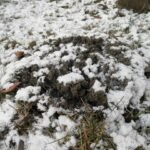
Protect the plant from persistent winter saturation rather than ordinary cold. Use a raised or gravelly site, avoid heavy organic mulch over the crown and move containers under a roof or into an unheated, bright shelter in very wet climates. In colder zones, winter survival is most reliable when the soil remains dry.
Uses
Useful as a low ground cover, rock-garden plant, gravel-bed accent, edging plant, retaining-wall plant or container specimen. Its drought tolerance suits water-wise landscapes once established. It is ornamental only here; no culinary or medicinal use is established for this named cultivar.
Appearance
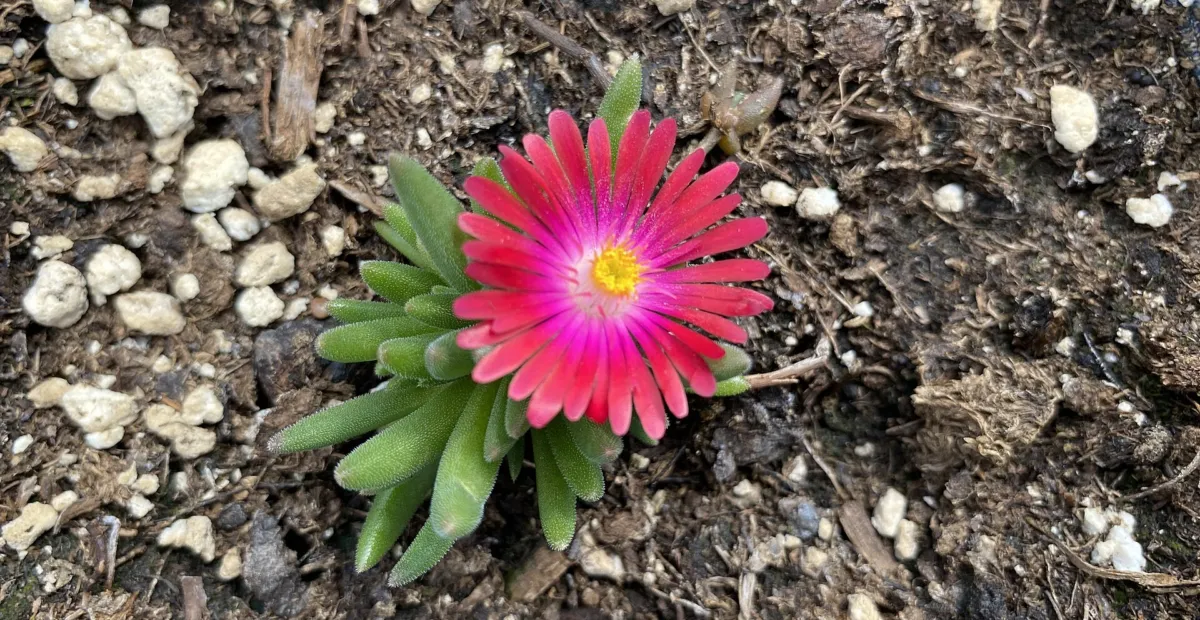
The plant has fleshy, cylindrical to narrowly finger-like green leaves carried on branching, succulent stems. Stems spread along the ground to create a dense mat, while the flowers rise just above the foliage. The combination of glistening succulent leaves and intensely colored daisy-like heads is characteristic of the Jewel of Desert series.
Flowering
Flowers are small, daisy-like composite heads produced repeatedly over a long season. Blooms open most fully in bright sunlight and may close or remain less conspicuous during dull weather. Commercial descriptions place the main display from late spring through summer and into fall, often continuing until frost in favorable climates.
Pollination and visitors
The bright open flowers are described by horticultural sources as attracting bees and butterflies. The cultivar-specific visitor record is limited, so this should be treated as a moderate, not guaranteed, pollinator resource. Avoid insecticide applications while flowers are open.
Delosperma 'Jewel of Desert Garnet' photos
Click any photo for a larger view. Source, author and license are shown separately.
Diseases and pests
Diseases
Usually trouble-free in sharply drained soil. Root and crown rots are the main concern and result from waterlogged soil, especially during cool weather. Improve drainage, avoid frequent irrigation and remove collapsed tissue. Space plants to improve air movement and avoid heavily mulched, constantly damp crowns.
Pests
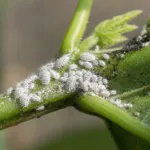
Aphids and mealybugs can occur, especially under glass or in crowded containers. Inspect new growth and leaf joints. Remove small infestations manually or use a firm water spray; use insecticidal soap according to its label when needed. Avoid routine broad-spectrum insecticides during bloom to reduce harm to flower visitors.
Related diseases and pests
Only Plant Doctor profiles whose host data indicate this plant may be affected are shown here.

Toxicity and pollen
No reliable authoritative evidence was found establishing this named cultivar as poisonous to people or pets. It is not individually listed in the ASPCA plant database. Do not treat absence from a list as proof of safety: discourage chewing, especially by children and pets, because any plant material can cause gastrointestinal upset or mechanical irritation. Seek professional advice after a significant ingestion.
- Typical season
- Late spring through fall flowering season
- Pollination / pollen
- Heavy, insect-carried pollen
This is an insect-pollinated flowering succulent rather than a typical wind-pollinated allergy plant. Its pollen is generally retained around the flower and carried by visitors, so airborne exposure is expected to be low. Sensitive individuals can still react to direct contact with pollen or any plant-specific allergen.
Native habitat
The named cultivar is horticultural rather than a wild population. Its Delosperma background is associated with sunny, dry, rocky and sandy habitats of southern Africa. In cultivation it performs best in mineral soils, exposed slopes and other sites that mimic rapid drainage and high light.
Interesting fact
The cultivar is part of the Jewel of Desert series bred for extended flowering and compact growth. Its succulent leaves store water, supporting performance in heat and dry soil. The named cultivar is protected by plant breeders' rights in commercial production. Flowers open most strongly in bright sunlight.
Frequently asked questions (FAQ)
The most relevant questions about this plant, with short and direct answers.
🌱Quick care
What is Delosperma 'Jewel of Desert Garnet'?⌄
Delosperma 'Jewel of Desert Garnet' is a low-growing, mat-forming succulent perennial valued for vivid garnet-red flowers and fleshy green foliage. It is commonly sold in the United States as an ice plant and is suited to sunny, drought-tolerant landscapes.
How much sun does Delosperma 'Jewel of Desert Garnet' need?⌄
Give Delosperma 'Jewel of Desert Garnet' full sun, ideally at least 6 hours of direct sunlight daily. Strong light promotes the most compact growth and heaviest flowering.
How often should I water Delosperma 'Jewel of Desert Garnet'?⌄
Water Delosperma 'Jewel of Desert Garnet' deeply but infrequently, allowing the soil to dry thoroughly between waterings. Once established, it usually needs supplemental water only during prolonged heat or drought.
Is Delosperma 'Jewel of Desert Garnet' drought tolerant?⌄
Yes, Delosperma 'Jewel of Desert Garnet' is highly drought tolerant after establishment because its succulent leaves store water. Newly planted specimens need more regular watering until their roots develop.
How large does Delosperma 'Jewel of Desert Garnet' get?⌄
Delosperma 'Jewel of Desert Garnet' generally grows about 4–6 inches tall and spreads roughly 8–20 inches wide, depending on growing conditions. It forms a low, spreading mat rather than an upright clump.
🌤️Environment and placement
What USDA hardiness zones are suitable for Delosperma 'Jewel of Desert Garnet'?⌄
Published nursery information places Delosperma 'Jewel of Desert Garnet' approximately in USDA Zones 5–10. Winter survival depends heavily on keeping the crown and roots dry, especially in cold regions.
Can Delosperma 'Jewel of Desert Garnet' survive winter?⌄
Delosperma 'Jewel of Desert Garnet' can survive winter in suitable climates when planted in sharply drained soil and kept relatively dry. Cold, wet winter conditions are more damaging than freezing temperatures alone.
Where should I plant Delosperma 'Jewel of Desert Garnet'?⌄
Plant it in a sunny rock garden, gravel bed, raised bed, dry border, retaining wall, slope, or container with excellent drainage. Avoid low spots where rain or irrigation water collects.
Can Delosperma 'Jewel of Desert Garnet' grow in partial shade?⌄
It may tolerate light afternoon shade, but full sun is strongly preferred for dense growth and abundant flowers. Too much shade can produce weaker, more open growth and fewer blooms.
Is Delosperma 'Jewel of Desert Garnet' suitable for containers?⌄
Yes, Delosperma 'Jewel of Desert Garnet' grows well in containers with drainage holes and a gritty, fast-draining mix. Choose a shallow pot only if excess water can drain freely after rain or watering.
💧Care and problems
What soil is best for Delosperma 'Jewel of Desert Garnet'?⌄
Use sandy, gravelly, rocky, or otherwise sharply drained soil for Delosperma 'Jewel of Desert Garnet'. Heavy clay and persistently moist soil greatly increase the risk of root and crown rot.
Why is my Delosperma 'Jewel of Desert Garnet' turning brown or mushy?⌄
Brown, translucent, or mushy growth usually indicates excess moisture, poor drainage, or wet winter conditions rather than simple drought. Move the plant to a sunnier, faster-draining location and reduce watering while damaged tissue dries.
Why is my Delosperma 'Jewel of Desert Garnet' not flowering?⌄
Insufficient sunlight, excessive moisture, immature growth, or overly rich conditions can reduce flowering. Provide full sun, sharply drained soil, restrained watering, and avoid heavy nitrogen fertilizer.
Does Delosperma 'Jewel of Desert Garnet' need fertilizer?⌄
Delosperma 'Jewel of Desert Garnet' needs little fertilizer and often performs well in lean soil. If growth is weak, apply a diluted, balanced fertilizer in spring rather than repeated heavy feeding.
Is Delosperma 'Jewel of Desert Garnet' deer resistant?⌄
Delosperma 'Jewel of Desert Garnet' is generally considered deer resistant, although no plant is completely deer-proof. Hungry deer may still browse it, particularly where preferred food is scarce.
Is Delosperma 'Jewel of Desert Garnet' rabbit resistant?⌄
It is often listed as rabbit tolerant or resistant because of its fleshy succulent foliage. Protection may still be needed in areas with heavy rabbit pressure or limited alternative food.
🪴Planting and repotting
When is the best time to plant Delosperma 'Jewel of Desert Garnet'?⌄
Plant Delosperma 'Jewel of Desert Garnet' in spring after severe freezes have passed, or in early fall where plants have time to root before winter. Avoid planting into cold, saturated soil.
How far apart should I plant Delosperma 'Jewel of Desert Garnet'?⌄
Space plants about 10–12 inches apart for a relatively quick groundcover effect, allowing more room if you prefer distinct mats. Plant spread varies with climate, soil, and irrigation.
Can Delosperma 'Jewel of Desert Garnet' grow in clay soil?⌄
It can struggle in clay soil unless drainage is substantially improved. Plant it in a raised or mounded area amended with coarse mineral material, or choose a naturally sandy and rocky location instead.
How do I plant Delosperma 'Jewel of Desert Garnet' in a pot?⌄
Use a container with drainage holes and a cactus or succulent mix amended with extra grit or perlite. Set the plant at the same depth as its nursery pot and water lightly until it establishes.
✂️Propagation and pruning
How can I propagate Delosperma 'Jewel of Desert Garnet'?⌄
Delosperma 'Jewel of Desert Garnet' can be propagated from stem cuttings or seed, although cuttings are the more practical method for maintaining the named cultivar. Plant patent restrictions may limit commercial or unauthorized propagation.
Can I propagate Delosperma 'Jewel of Desert Garnet' from cuttings?⌄
Yes, take short healthy stem cuttings during active growth, let the cut ends dry briefly, and place them in a gritty, barely moist rooting medium. Avoid keeping the medium wet, which can cause rot before roots form.
Should I prune Delosperma 'Jewel of Desert Garnet'?⌄
Routine pruning is usually unnecessary for Delosperma 'Jewel of Desert Garnet'. Remove dead or winter-damaged material in spring and trim only to control spread or tidy the plant.
⚠️Toxicity and safety
Is Delosperma 'Jewel of Desert Garnet' toxic to dogs or cats?⌄
No cultivar-specific poisoning evidence is firmly established for Delosperma 'Jewel of Desert Garnet', so its safety for dogs and cats should be treated as uncertain. Prevent pets from chewing it and contact a veterinarian or poison-control service if ingestion causes symptoms.
🌸Flowering and special interest
When does Delosperma 'Jewel of Desert Garnet' bloom?⌄
It typically flowers from late spring through summer and may continue into fall when conditions remain favorable. Full sun and adequate but not excessive moisture support the longest bloom period.
What color are the flowers on Delosperma 'Jewel of Desert Garnet'?⌄
The flowers are primarily rich red to garnet, often with pink, magenta, or lavender tones near the center and a contrasting pale eye. Color intensity can vary with light, temperature, and plant maturity.
Does Delosperma 'Jewel of Desert Garnet' flower in its first year?⌄
Yes, this cultivar is marketed as a first-year-flowering Delosperma under suitable growing conditions. Flowering may be lighter after planting than in later seasons while the root system develops.
Does Delosperma 'Jewel of Desert Garnet' attract pollinators?⌄
Its daisy-like flowers can attract bees, butterflies, and other flower-visiting insects, especially when planted in full sun. Pollinator activity is usually greatest during warm, open weather.
Similar plants
 Tarkastad Sheepfig (Delosperma dyeri) care guideDelosperma dyeri
 Stock Sheepfig (Delosperma floribundum) care guideDelosperma floribundum
 Trailing Iceplant (Delosperma cooperi) care guideDelosperma cooperi
 He pickle pla (Delosperma echinatum) care guideDelosperma echinatum
 Delosperma ‘Fire Spinner’Delosperma 'Fire Spinner'
 Delosperma nubigenum care guideDelosperma nubigenum