
 Source:
He pickle pla (Delosperma echinatum) short overview
he pickle pla (*Delosperma echinatum*) is a small South African succulent subshrub valued for its unusual, cucumber-like leaves covered with pale bladder-like bumps and fine bristles. Its branching stems form a loose, spreading clump and may produce small pale yellow or white flowers with yellow centers. In the United States, grow it in a sunny window or frost-free container with gritty, fast-draining soil and restrained watering.
Taxonomic classification
He pickle pla (Delosperma echinatum) care guide
Light and placement
Provide the brightest practical light: a south-, southeast-, or west-facing window is ideal indoors, while outdoors the plant suits full morning or all-day sun after gradual acclimation. Too little light causes stretched stems, wider leaf spacing, and reduced flowering. Scorched tan patches or bleached leaves indicate abrupt exposure to intense sun, heat, or reflected light.
Watering and humidity
Water thoroughly only when the mix is completely dry, allowing excess water to drain freely from the pot. Empty saucers promptly. In spring and summer, the interval may be roughly every two to three weeks indoors, but judge by soil dryness and temperature rather than the calendar. Water much less in winter, especially in cool rooms, and never leave the roots standing in water.
Soil and growing medium
Use a porous cactus or succulent mix amended with extra pumice, perlite, coarse sand, or fine gravel. The root zone should drain rapidly and never remain waterlogged. A mildly acidic to mildly alkaline mineral substrate is suitable; avoid heavy garden clay and peat-heavy mixes that stay wet.
Feeding
Feed only during active spring and summer growth, using a balanced fertilizer diluted to about one-quarter to one-half the label strength once every four to six weeks. Do not fertilize newly rooted cuttings, stressed plants, or plants kept cool and nearly dry in winter. Excess fertilizer can produce weak growth and salt buildup.
Growth and habit
This perennial succulent forms a loose, branched shrublet with stems that may arch or spread as they lengthen. It stays compact in a container but can become open and leggy under inadequate light. Periodic tip pruning encourages branching and makes the plant easier to display.
Planting and repotting
Plant outdoors only after frost danger has passed, in a raised, gritty bed or container. Set the root ball at its original depth and leave the crown above any area that collects water. Allow several days for root injuries to dry before the first thorough watering.
Repot in spring or early summer when roots fill the container or the mix breaks down. Move only one pot size larger, handle the brittle stems carefully, and let any damaged roots dry before watering. A shallow pot with a drainage hole is suitable because the plant is relatively small and succulent.
Propagation and pruning
Propagation
Stem cuttings are the most practical method. Take healthy, non-flowering pieces in spring or summer, allow cut ends to callus briefly, then place them in barely moist, gritty medium. Seed propagation is possible, but seedlings are slower and require careful moisture control.
Pruning
Prune lightly in spring or after flowering to remove damaged growth, shorten overly long stems, and encourage branching. Use clean, sharp scissors and allow cut surfaces to dry before watering. Avoid heavy pruning during cold, wet weather.
Overwintering
Protect from frost and cold, saturated soil. In Zones 8 and colder, bring containers indoors before temperatures approach freezing. Keep the plant in strong light, reduce watering substantially, and provide airflow. Avoid placing it directly beside a cold window or in a dark, warm room, where weak growth and rot are more likely.
Uses
Primarily an ornamental succulent for sunny windowsills, succulent collections, patio containers, rock gardens, and frost-free outdoor beds. Its textured leaves provide year-round interest, while the small flowers add seasonal detail. It is not documented here as a culinary or medicinal plant.
Appearance
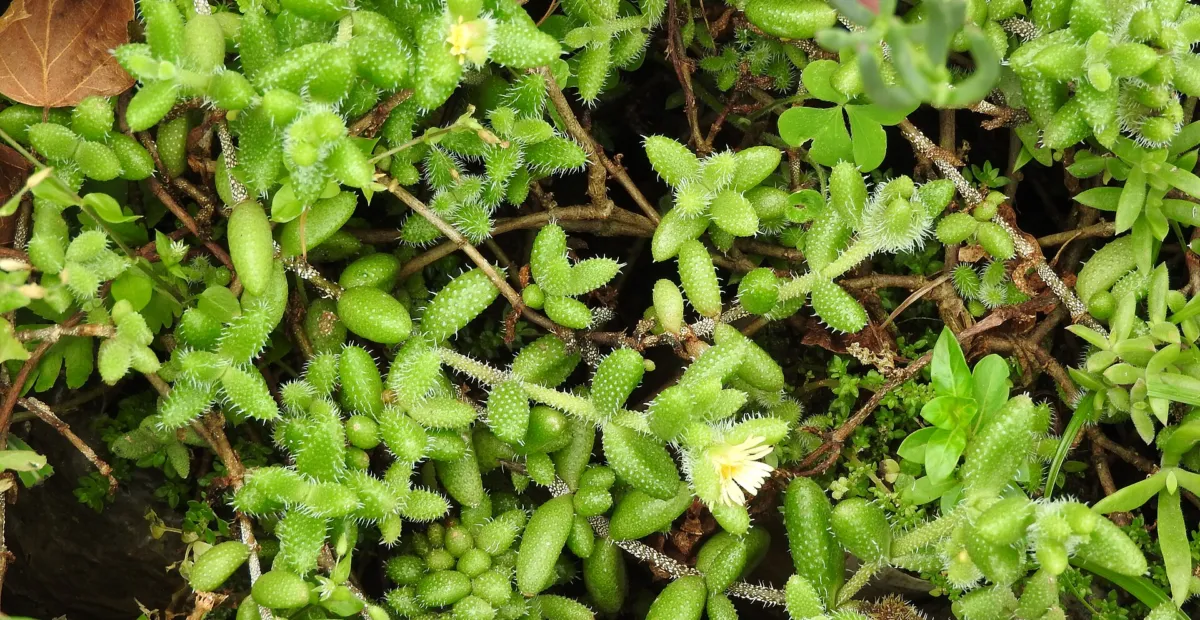
The identification feature is its paired, thick, oval to obovate leaves. Their surfaces are roughened by pale bladder-like cells that end in short bristle-like points, giving the foliage a prickly, cucumber-like texture. Stems are green, succulent, and repeatedly branched, becoming more diffuse or arching as the plant matures.
Flowering
This angiosperm produces solitary, sessile, daisy-like flowers in the leaf axils or at shoot tips. Flowers are reported as pale yellow or white with yellow centers and generally appear from spring into late summer, with timing varying by light, temperature, and cultivation.
Pollination and visitors
The open, daisy-like flowers can provide access to small insect visitors, but reliable species-specific pollinator records were not found. Treat pollinator value as modest rather than assuming the broad bee and butterfly claims made for some hardy Delosperma hybrids apply to this species.
Delosperma echinatum photos
Click any photo for a larger view. Source, author and license are shown separately.
Diseases and pests
Diseases
The main risk is root or stem rot caused by persistently wet soil, especially in cool conditions. Use a porous mix, a drainage hole, and careful winter watering. Remove rotted tissue with sterile tools and replace waterlogged substrate. Good airflow helps limit fungal problems.
Pests
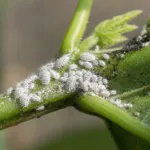
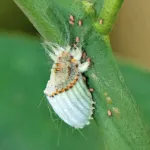
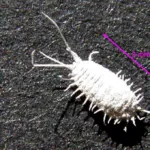
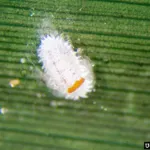
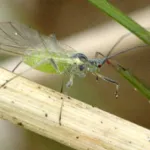
Watch for mealybugs, scale, and spider mites, especially indoors or where airflow is poor. Inspect leaf axils and stems regularly. Remove small infestations with a cotton swab dipped in rubbing alcohol, keeping alcohol off hot, sunlit foliage; use a labeled horticultural product for persistent infestations.
Related diseases and pests
Only Plant Doctor profiles whose host data indicate this plant may be affected are shown here.

Toxicity and pollen
Reliable species-specific toxicology data for humans and pets were not located in authoritative poison-control or veterinary references. Do not assume edibility from the common name, and avoid ingestion. Sap, plant fragments, or gritty leaf surfaces may cause mechanical or gastrointestinal irritation if chewed.
- Typical season
- Spring through late summer when flowers are open.
- Pollination / pollen
- Insect-dispersed pollen
As an insect-pollinated flowering succulent, its pollen is not typically expected to disperse widely through the air, but species-specific allergy studies were not found. Sensitive people should avoid rubbing flowering plants and should wash hands after handling plant material.
Native habitat
The species is native to the southeastern Cape region of South Africa, where it occurs in subtropical environments. Its succulent leaves and preference for sharply drained mineral soil reflect adaptation to episodic moisture rather than continuously wet ground.
Interesting fact
The specific epithet echinatum refers to the bristly or prickly appearance of the leaves.
Frequently asked questions (FAQ)
The most relevant questions about this plant, with short and direct answers.
🌱Quick care
What is he pickle pla (Delosperma echinatum)?⌄
He pickle pla is a small, branching succulent from South Africa in the Aizoaceae family. Its plump, pickle-shaped leaves are covered with soft, white, bristle-like hairs.
Is Delosperma echinatum easy to grow indoors?⌄
Yes, Delosperma echinatum is generally easy to grow indoors when it receives strong light and is not overwatered. A sunny window and a fast-draining succulent mix are usually sufficient.
How much light does he pickle pla need?⌄
Give he pickle pla full sun to bright filtered light. Indoors, place it near a bright south- or west-facing window, while protecting it from sudden intense sun if it was previously grown in lower light.
How often should I water Delosperma echinatum?⌄
Water Delosperma echinatum only after the potting mix has dried thoroughly. Then water deeply until excess drains from the pot, and reduce watering during cool or low-light periods.
What soil is best for he pickle pla?⌄
Use a gritty, sharply drained cactus or succulent mix for he pickle pla. Adding extra pumice, perlite, or coarse grit can improve drainage if the mix stays wet for more than a few days.
Does Delosperma echinatum need a drainage hole?⌄
Yes, Delosperma echinatum should be planted in a container with a drainage hole. A decorative cachepot may be used, but empty standing water after irrigation.
🌤️Environment and placement
Can Delosperma echinatum grow in low light?⌄
Delosperma echinatum may tolerate moderately bright indirect light, but low light often causes stretched growth and weaker stems. Move it gradually toward brighter light rather than placing a shade-grown plant in harsh sun immediately.
Can he pickle pla grow outside in the United States?⌄
He pickle pla can grow outdoors in warm, dry areas when planted in sharply drained soil and protected from frost. In colder regions, grow it in a container and bring it indoors before freezing weather.
Is Delosperma echinatum frost hardy?⌄
No reliable frost-hardiness should be assumed for Delosperma echinatum. Protect it from frost and freezing temperatures, especially when grown in containers.
What temperatures are best for he pickle pla?⌄
He pickle pla prefers warm growing conditions and protection from cold, wet weather. Keep it away from freezing temperatures and avoid placing it against a cold window during winter.
Can Delosperma echinatum tolerate direct afternoon sun?⌄
Yes, established Delosperma echinatum can tolerate direct sun, provided it is acclimated gradually. In very hot locations, bright filtered light or afternoon protection can reduce leaf scorching.
💧Care and problems
Why are the leaves of my Delosperma echinatum falling off?⌄
Leaf drop is commonly caused by overwatering, poor drainage, cold conditions, or insufficient light. Check that the roots are not staying wet and allow the mix to dry fully between waterings.
Why is my he pickle pla turning yellow or mushy?⌄
Yellow, translucent, or mushy leaves usually indicate excess moisture or root damage. Remove the plant from wet soil, cut away rotten roots, and replant healthy tissue in dry, gritty mix.
Why is Delosperma echinatum wrinkled?⌄
Wrinkled leaves usually mean Delosperma echinatum needs water, although severe root damage can prevent it from absorbing moisture. Water only if the mix is fully dry, then check for improvement over several days.
Why is my he pickle pla growing long and leggy?⌄
Leggy growth usually means he pickle pla is not receiving enough light. Move it gradually to a brighter location and rotate the pot periodically for more even growth.
How do I know if I am overwatering Delosperma echinatum?⌄
Signs of overwatering include soft leaves, yellowing, leaf drop, a sour-smelling mix, and black or brown roots. Let the soil dry completely and use a smaller pot or grittier mix if moisture persists.
Does Delosperma echinatum need fertilizer?⌄
Delosperma echinatum needs little fertilizer. If growth is active, apply a dilute cactus or succulent fertilizer occasionally, but avoid feeding stressed, dormant, or recently repotted plants.
What pests affect he pickle pla?⌄
Mealybugs, scale, and spider mites can occasionally affect he pickle pla, especially indoors. Inspect leaf joints and stems regularly and treat early with a suitable houseplant pest-control product.
🪴Planting and repotting
When should I repot Delosperma echinatum?⌄
Repot Delosperma echinatum when the roots fill the container, the mix breaks down, or drainage becomes poor. Spring or the beginning of active growth is usually the least stressful time.
What type of pot is best for he pickle pla?⌄
A small pot with a drainage hole is best for he pickle pla, and unglazed terracotta can help the mix dry more quickly. Avoid oversized containers because they hold moisture around the roots.
How deep should I plant Delosperma echinatum?⌄
Plant Delosperma echinatum at the same depth it was previously growing, keeping the stems and leaves above the soil. Do not bury soft stems because prolonged contact with damp mix can cause rot.
✂️Propagation and pruning
How do I propagate Delosperma echinatum from cuttings?⌄
Take a healthy stem cutting, let the cut end callus for several days, and place it in dry, gritty succulent mix. After roots begin forming, water lightly and gradually resume normal care.
Can he pickle pla be propagated from leaves?⌄
Leaf propagation is not the most reliable method for he pickle pla because individual leaves may fail to produce new plants. Stem cuttings are generally the better option.
Can Delosperma echinatum be grown from seed?⌄
Yes, Delosperma echinatum can be grown from seed, although seed propagation is slower than stem cuttings. Use a well-drained medium, provide bright light, and keep seedlings lightly but consistently moist until established.
Can I propagate Delosperma echinatum while it is flowering?⌄
Yes, Delosperma echinatum can usually be propagated while flowering, but cuttings may root more reliably when they are not supporting an open flower. Remove the flower if the cutting begins to wilt.
Should I prune he pickle pla?⌄
Prune he pickle pla only to remove damaged growth, control legginess, or encourage branching. Use clean scissors and allow cut surfaces to dry before watering.
⚠️Toxicity and safety
Is Delosperma echinatum toxic to cats or dogs?⌄
No reliable species-specific toxicity classification is established for Delosperma echinatum. Keep it away from pets and children because chewing unfamiliar plants can still cause irritation or stomach upset.
Are the hairs on he pickle pla sharp or dangerous?⌄
The hairs on he pickle pla are generally soft rather than true sharp spines. Handle the plant gently because the stems and leaves can still break easily.
🌸Flowering and special interest
Does Delosperma echinatum flower indoors?⌄
Yes, Delosperma echinatum can flower indoors when it receives sufficient bright light and is actively growing. Flowering is more likely when the plant is mature and has not been kept excessively wet.
What color are Delosperma echinatum flowers?⌄
Delosperma echinatum produces small, daisy-like flowers that are typically yellow to pale yellow. Flower color and timing can vary with growing conditions and the individual plant.
Why is my he pickle pla not flowering?⌄
Insufficient light is a common reason he pickle pla does not flower. Excess fertilizer, immature growth, recent stress, or inadequate seasonal growth can also delay flowering.
When does Delosperma echinatum bloom?⌄
Delosperma echinatum generally blooms during its active growing season, often in warmer months. Indoor plants may flower at different times depending on light, temperature, and seasonal conditions.
Similar plants
 Sheepfigs (Delosperma) care guideDelosperma
 Delosperma congestum care guideDelosperma congestum
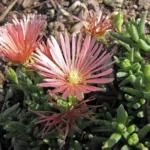 Trailing Iceplant (Delosperma cooperi) care guideDelosperma cooperi
 Delosperma ‘Jewel of Desert Garnet’Delosperma 'Jewel of Desert Garnet'
 Flatleaf Sheepfig (Delosperma ashtonii) care guideDelosperma ashtonii
 Stock Sheepfig (Delosperma floribundum) care guideDelosperma floribundum