
 Source:
 Delosperma congestum short overview
Delosperma congestum is a low-growing evergreen succulent from the Free State and KwaZulu-Natal regions of South Africa. Its compact, spreading stems carry fleshy green leaves and yellow flowers, making it a useful choice for sunny rock gardens, alpine troughs, gravel beds, and containers. It performs best in sharply drained soil and is notably cold-hardy when winter moisture is kept low. A compact, prostrate evergreen succulent ice plant with yellow flowers, native to South Africa and suited to sunny, sharply drained rock-garden conditions.
Taxonomic classification
Delosperma congestum care guide
Light and placement
Provide full sun, ideally with a south- or west-facing exposure and at least 6 hours of direct light. In hot climates, morning sun with light afternoon protection can reduce scorch in containers, but insufficient light commonly causes elongated, open growth and fewer flowers. Avoid shaded, humid corners and locations where nearby plants block airflow.
Watering and humidity
Water thoroughly only after the growing medium has dried well, then allow excess water to drain completely. During active summer growth, check containers regularly but do not keep the mix continually moist. Reduce watering sharply in cool weather and keep plants nearly dry during cold, wet winters. Humidity is not a special requirement; airflow is more important.
Soil and growing medium
Use a gritty, sharply drained substrate with substantial mineral content, such as a cactus mix amended with coarse grit, pumice, or gravel. In garden beds, avoid heavy clay and low pockets where water remains after rain or snow. A neutral to slightly alkaline reaction is suitable, but excellent drainage matters more than exact pH.
Feeding
Feed sparingly during active growth, using a half-strength balanced succulent fertilizer once in late spring and, if needed, once again in midsummer. Do not fertilize dry, dormant, recently transplanted, or stressed plants. Avoid rich compost and high-nitrogen feeding, which can produce weak growth and increase rot risk.
Growth and habit
This is a low, prostrate succulent perennial that branches to form a compact mat. Growth is most active in bright, warm conditions, while cold or drought slows development. Keep surrounding plants from overtopping it, and remove congested or damaged stems to preserve airflow and expose new growth.
Planting and repotting
Plant after the danger of severe spring freezes has passed, or in early fall where winters are dry and drainage is excellent. Set the crown at soil level rather than burying the stems. Space plants about 12–18 inches apart to allow the mat to spread and to improve airflow during wet weather.
Repot in spring when active growth begins, using a shallow pot with generous drainage holes. Move the plant only one container size larger and allow cut surfaces or disturbed roots to dry briefly before watering. Refresh compacted mix rather than placing the plant in a large moisture-retentive container.
Propagation and pruning
Propagation
Propagate from stem cuttings during active growth. Allow a cutting to callus briefly, then place it in a barely moist, gritty medium until roots form. Seed propagation is also possible, but seedlings may grow slowly and can vary from cultivated selections.
Pruning
Little pruning is required. In late winter or early spring, remove dead, frost-damaged, or rotten stems with clean snips. Lightly trim overly long stems after flowering if needed to maintain an even mat, but avoid cutting deeply into old, leafless tissue.
Overwintering
In Zones 5–6, site the plant in a raised, rain-sheltered bed or alpine container and protect the crown from prolonged winter wet with a clear cover or roofed position. Container plants are more exposed to freezing and may be overwintered in a bright, cool, dry location. Avoid warm, dark indoor storage.
Uses
Use Delosperma congestum as a low edging plant, rock-garden subject, alpine-trough specimen, gravel-bed accent, or drought-tolerant container plant. Its spreading habit can help cover small sunny spaces, but it should not be planted where winter water collects. No culinary or medicinal use is established here.
Appearance
The plant has prostrate, branching stems densely clothed with opposite, fleshy green leaves. The leaves are succulent and compact, giving the mat a close-textured appearance. Yellow flowers rise slightly above the foliage during the growing season. The crowded low habit is consistent with the species epithet congestum.
Flowering
The species produces small yellow flowers near the ends of its prostrate stems. Flowering is associated with the warmer growing season and is strongest when the plant receives abundant direct sunlight. Individual flowering timing can vary with elevation, latitude, and spring temperatures.
Pollination and visitors
The yellow flowers may receive visits from bees, but species-specific pollinator records are limited. Treat the plant as a modest insect-friendly succulent rather than a heavily documented pollinator resource.
Delosperma congestum photos
Click any photo for a larger view. Source, author and license are shown separately.
Diseases and pests
Diseases
The principal disease risk is root or stem rot caused by persistently wet soil, especially in winter. Prevent problems with gritty soil, raised planting, open spacing, and careful irrigation. Remove soft, blackened tissue and re-root healthy cuttings only if rot is localized.
Pests
Watch for mealybugs, scale, and occasionally aphids, especially on container plants. Inspect leaf axils and stems, isolate affected plants, and remove small infestations with a cotton swab or water spray. Avoid routine broad-spectrum insecticides that may disrupt beneficial insects.
Related diseases and pests
Only Plant Doctor profiles whose host data indicate this plant may be affected are shown here.
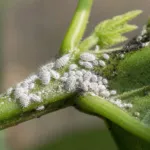 PestCotton mealybugPhenacoccus solenopsis Tinsley
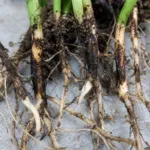 DiseaseBlack Root RotBerkeleyomyces basicola
 DiseaseRhizopus soft rotRhizopus stolonifer
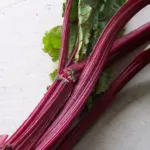 DiseaseBacterial soft rotPectobacterium carotovorum
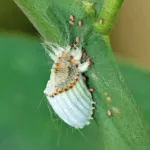 PestCottony Cushion ScaleIcerya purchasi
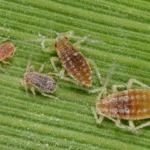 PestMealy Plum AphidHyalopterus pruni (Geoffroy, 1762)
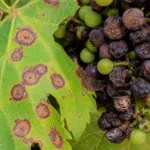 DiseaseBlack Rot of GrapePhyllosticta ampelicida (formerly Guignardia bidwellii)
 PestMelon aphid (cotton aphid)Aphis gossypii Glover
Toxicity and pollen
No authoritative species-specific evidence establishing human or pet toxicity was located. As with unfamiliar succulents, avoid ingestion and keep plant material away from children and animals; sap or plant fragments may cause minor mechanical or digestive irritation in sensitive individuals.
- Typical season
- Late spring through summer in the United States
- Pollination / pollen
- Insect-dispersed floral pollen
The flowers produce pollen for sexual reproduction, but no reliable evidence indicates that Delosperma congestum is a major source of airborne pollen in the United States. Its low, insect-visited flowers generally present less airborne exposure than wind-pollinated plants, although individual sensitivities cannot be ruled out.
Native habitat
In nature, the species occurs in South African inland regions extending from the Free State to KwaZulu-Natal. Kew records it from subalpine or subarctic environments, suggesting adaptation to bright exposure, seasonal cold, and open habitats where rapid drainage limits prolonged saturation.
Interesting fact
The species is accepted under the name Delosperma congestum.
Its native range extends from the Free State to KwaZulu-Natal.
It is recorded as a succulent subshrub with a prostrate habit.
The species is associated with subalpine or subarctic environments.
The epithet congestum refers to a crowded or closely arranged appearance.
Frequently asked questions (FAQ)
The most relevant questions about this plant, with short and direct answers.
🌱Quick care
What is Delosperma congestum?⌄
Delosperma congestum is a low-growing, mat-forming succulent perennial in the Aizoaceae family. It is grown for its dense evergreen foliage and bright yellow flowers.
How much sun does Delosperma congestum need?⌄
Grow Delosperma congestum in full sun, ideally with at least 6 hours of direct sunlight daily. Strong light helps maintain compact growth and supports flowering.
Is Delosperma congestum drought tolerant?⌄
Yes, Delosperma congestum is drought tolerant once established. Water deeply but infrequently during active growth, then let the soil dry thoroughly.
Is Delosperma congestum evergreen?⌄
Delosperma congestum is generally evergreen in suitable climates. Its foliage may take on reddish winter tones or suffer some damage during severe cold or prolonged wetness.
🌤️Environment and placement
What USDA hardiness zones are suitable for Delosperma congestum?⌄
Delosperma congestum is commonly listed for approximately USDA Zones 5 through 9, although hardiness can vary with drainage and winter moisture. Protection is especially important in cold, wet climates.
Where should I plant Delosperma congestum outdoors?⌄
Plant Delosperma congestum in a sunny, sheltered location such as a rock garden, gravel bed, raised border, or well-drained slope. Avoid sites where rain or irrigation collects in winter.
Can Delosperma congestum grow in containers?⌄
Yes, Delosperma congestum grows well in containers with drainage holes and a gritty succulent mix. Containers are useful in regions where winter soil stays cold and wet.
What type of soil does Delosperma congestum need?⌄
Use gritty, sharply drained mineral soil with little water retention. A cactus or succulent mix amended with coarse grit, pumice, or perlite is usually more suitable than moisture-retentive garden soil.
💧Care and problems
How often should I water Delosperma congestum?⌄
Water when the soil has dried completely, then allow excess water to drain away. Reduce watering in fall and keep the plant nearly dry during cold, wet winter weather.
Why is my Delosperma congestum turning brown or mushy?⌄
Brown, mushy stems or leaves usually indicate excess moisture, poor drainage, or rot. Remove affected growth, improve drainage, and avoid watering again until the soil is fully dry.
Does Delosperma congestum need fertilizer?⌄
Delosperma congestum needs little fertilizer because excessive fertility can produce weak, overly soft growth. If feeding is necessary, apply a dilute succulent fertilizer during active growth.
What pests affect Delosperma congestum?⌄
Delosperma congestum is generally low-maintenance, but aphids, mealybugs, and vine weevils may occasionally cause problems. Inspect the foliage and roots, especially on container-grown plants.
🪴Planting and repotting
When is the best time to plant Delosperma congestum?⌄
Plant Delosperma congestum in spring after severe frost has passed, or in early fall where winters are mild and the soil drains quickly. Avoid planting immediately before a period of cold, wet weather.
How far apart should Delosperma congestum be planted?⌄
Space plants about 10 to 12 inches apart for a spreading ground-cover effect. Individual plants commonly remain only a few inches tall while gradually forming a wider mat.
How do I repot Delosperma congestum?⌄
Repot Delosperma congestum when the container is crowded or the mix has degraded, using fresh gritty soil and a pot only slightly larger than the root ball. Let damaged roots dry briefly before watering lightly.
✂️Propagation and pruning
How can I propagate Delosperma congestum from cuttings?⌄
Take a healthy, nonflowering stem segment, allow the cut end to dry briefly, and place it in barely moist, sharply drained mix. Keep it warm and bright while roots develop, avoiding heavy watering.
Can Delosperma congestum be grown from seed?⌄
Yes, Delosperma congestum can be propagated from seed, although seedlings are slower and less predictable than cuttings. Sow on a well-drained medium and keep the surface lightly moist until germination.
Can Delosperma congestum be divided?⌄
Established clumps can sometimes be divided or separated into rooted sections. Perform division during active growth and replant the sections in dry, sharply drained soil.
Does Delosperma congestum need pruning?⌄
Regular pruning is usually unnecessary. Remove dead, damaged, or spent growth with clean scissors, and lightly trim overly loose stems if a denser mat is desired.
⚠️Toxicity and safety
Is Delosperma congestum toxic to people or pets?⌄
Species-specific toxicity information for Delosperma congestum is limited, so it should not be considered confirmed safe to eat. Keep the plant away from children and pets and contact a poison-control or veterinary professional if it is ingested.
🌸Flowering and special interest
What color are Delosperma congestum flowers?⌄
Delosperma congestum produces bright yellow to brilliant yellow flowers. The flowers open most readily in strong sunlight.
When does Delosperma congestum bloom?⌄
Delosperma congestum typically blooms from late spring or summer into late summer, with timing varying by climate and growing conditions. Full sun and restrained watering generally support better flowering.
Why is my Delosperma congestum not flowering?⌄
Insufficient sunlight, excessive moisture, overfertilizing, or winter damage can reduce flowering. Move container plants to brighter light and confirm that the soil dries quickly between waterings.
Similar plants
 He pickle pla (Delosperma echinatum) care guideDelosperma echinatum
 Stock Sheepfig (Delosperma floribundum) care guideDelosperma floribundum
 Delosperma nubigenum care guideDelosperma nubigenum
 Delosperma ‘Fire Spinner’Delosperma 'Fire Spinner'
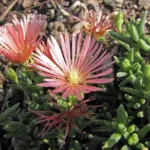 Trailing Iceplant (Delosperma cooperi) care guideDelosperma cooperi
 Sheepfigs (Delosperma) care guideDelosperma