
 Source:
 Sheepfigs (Delosperma) short overview
Sheepfigs (Delosperma) is a genus of succulent flowering plants in the ice-plant family, Aizoaceae. Its many species are native mainly to southern and eastern Africa, where they occupy sunny, rocky or sandy habitats. In cultivation, Delosperma is valued for fleshy foliage, spreading growth, vivid daisy-like flowers, and strong drought tolerance. Most need full sun and excellent drainage, while winter hardiness varies widely among species and cultivars.
Taxonomic classification
Sheepfigs (Delosperma) care guide
Light and placement
Give Delosperma at least 6 hours of direct sun, preferably with unobstructed southern or western exposure. A raised bed, gravel garden, rock wall, or south-facing slope is ideal. Insufficient light causes open, weak growth and fewer flowers; shade combined with moisture can lead to rot. In very hot interiors, brief afternoon shade is acceptable only if flowering remains strong and the foliage dries quickly.
Watering and humidity
Water deeply but infrequently, then allow the growing medium to dry substantially before watering again. During active summer growth, container plants may need water when the mix is dry; established outdoor plants often need supplemental irrigation only during prolonged drought. Reduce watering in cool weather and keep plants nearly dry during cold, wet winters. Humidity itself is less important than rapid drainage and dry crowns.
Soil and growing medium
Use a very sharply drained substrate: coarse sand, gravel, pumice, or grit blended with a modest amount of loam or compost. Avoid heavy clay and sites that remain wet after rain. Most species tolerate mildly acidic to mildly alkaline conditions, but drainage is more important than exact pH. In containers, use a cactus or succulent mix amended with extra mineral material.
Feeding
Feed sparingly. A thin spring application of compost or a dilute, balanced succulent fertilizer is generally enough for container plants or very poor soil. Do not fertilize newly planted, dormant, drought-stressed, or winter-wet plants. Excess nitrogen can produce softer growth and reduce the compact, drought-adapted habit.
Growth and habit
Most Delosperma form low, spreading mats or cushions rather than upright plants. Stems root or rest close to the soil surface, allowing the plant to cover open ground when drainage and sunlight are adequate. Growth may slow or die back in cold winters, and wet winter conditions can cause more loss than low temperature alone.
Planting and repotting
Plant after the danger of hard frost has passed, or in fall in regions with mild, dry winters. Set the crown at soil level rather than burying the stems. Space spreading forms about 12–24 inches apart, with wider spacing for vigorous cultivars. Water lightly at planting, then allow the soil to dry between irrigations while roots establish.
Repot in spring when active growth begins, using a shallow container with generous drainage holes. Move the plant only one pot size larger and allow cut surfaces or disturbed roots to dry briefly before watering. Refresh compacted mix rather than repeatedly increasing container size.
Propagation and pruning
Propagation
Take non-flowering stem cuttings in late spring or summer, let the cut end dry briefly, and root in a barely moist, sharply drained medium. Seeds can be sown on the surface of a gritty mix because they need light; keep them lightly moist until emergence. Cultivar uniformity is best maintained by cuttings.
Pruning
Trim back damaged or untidy stems in spring after winter stress is clear. Lightly shear spent flower stems after the main flush if a neater mat is wanted, but avoid cutting into cold, wet tissue during winter. Remove dead material to improve airflow and prevent it from holding moisture against the crown.
Overwintering
Keep outdoor plants as dry as possible through winter, especially in regions with freezing rain or heavy clay soil. A gravel mulch, rain shelter, raised planting, or protected south-facing site can improve survival. In colder areas, grow tender species in containers and overwinter them in bright light with minimal water. Do not cover plants with moisture-trapping material for long periods.
Uses
Useful as a drought-tolerant ground cover, rock-garden plant, wall or crevice plant, dry-border edging, slope plant, and container subject. Cultivars are also used in pollinator-oriented plantings where the flowers provide accessible nectar and pollen. Avoid presenting Delosperma as an edible or medicinal plant without species-specific evidence.
Appearance
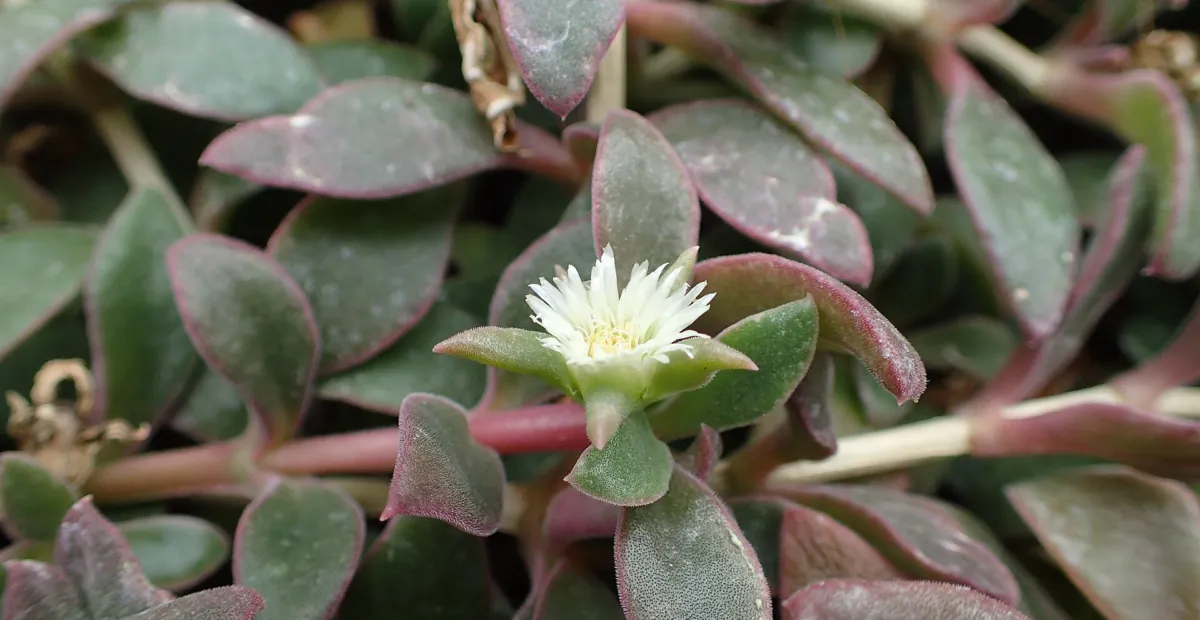
Leaves are fleshy, smooth to slightly textured, and commonly cylindrical, triangular, or narrow depending on species. Stems spread close to the ground and may form dense mats. Under strong light, translucent bladder cells on the leaf surface can create a sparkling appearance. Flowers are held above the foliage and are typically bright, radial, and daisy-like.
Flowering
Delosperma produces conspicuous, daisy-like flowers with numerous narrow petals and a central cluster of stamens surrounding the style. Many cultivated forms open most fully in bright sunshine and close or become less conspicuous in dull weather. Bloom commonly extends from late spring into summer, with some species or cultivars flowering into early fall.
Pollination and visitors
Open Delosperma flowers are documented or reliably characteristic resources for bees and other small flower-visiting insects. Bees are the best-supported visitor group at genus or cultivated-plant level, while small beetles are documented for some species. Visitor composition depends on flower structure, local insect fauna, and bloom timing.
Delosperma photos
Click any photo for a larger view. Source, author and license are shown separately.
Diseases and pests
Diseases
The principal risk is root or crown rot caused by persistently wet soil, especially in heavy clay or during cold, rainy weather. Improve drainage, avoid overhead irrigation, and remove collapsing tissue. Good air movement and dry foliage reduce problems. Genus-level disease resistance is not uniform, so diagnose before treating.
Pests
Aphids and mealybugs may occur, especially on sheltered or container-grown plants. Inspect new growth, avoid excessive nitrogen, and improve airflow. Remove small infestations by hand or with a water spray; use a labeled treatment only when necessary and follow its directions. Wet winter conditions are usually more damaging than insect pressure.
Related diseases and pests
Only Plant Doctor profiles whose host data indicate this plant may be affected are shown here.
 DiseasePhytophthora cactorum crown, collar, root and fruit rotPhytophthora cactorum
 PestMealy Plum AphidHyalopterus pruni (Geoffroy, 1762)
 DiseasePhytophthora root and crown rotPhytophthora nicotianae
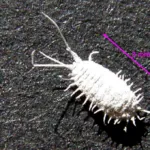 PestObscure mealybugPseudococcus viburni
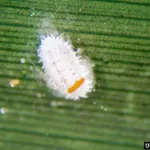 PestCitrus mealybugPlanococcus citri
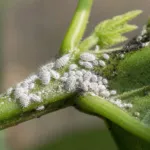 PestCotton mealybugPhenacoccus solenopsis Tinsley
Toxicity and pollen
Reliable, species-wide toxicology data for Delosperma are limited. Do not assume that an unlisted succulent is edible or completely harmless. Prevent children and pets from chewing the plant, and seek medical or veterinary advice after significant ingestion or if symptoms occur.
- Typical season
- Usually spring through summer in the United States, depending on species and local climate.
- Pollination / pollen
- Insect-carried pollen; not typically wind-dispersed in large quantities
Delosperma is insect-pollinated, so its pollen is not generally released in large windborne clouds. However, no genus-wide clinical allergy rating establishes zero risk, and individual sensitivity is possible during flowering. Avoid making pollen-allergy assumptions for unidentified species or hybrids.
Native habitat
The genus is native mainly to southern and eastern Africa, with additional species in parts of the Arabian Peninsula and western Indian Ocean region. Natural habitats include rocky slopes, mountain ledges, sandy ground, dry grassland, and other open sites with strong light and rapid drainage. Ecological preferences differ widely across the genus.
Interesting fact
The name Delosperma refers to exposed or conspicuous seeds in the genus's hygrochastic capsules. Many leaves have translucent surface bladder cells that can sparkle in strong light, contributing to the common ice-plant association. Seed capsules in related Aizoaceae can respond to wetting and drying, helping regulate seed release.
Frequently asked questions (FAQ)
The most relevant questions about this plant, with short and direct answers.
🌱Quick care
What is Delosperma, also called Sheepfigs?⌄
Delosperma, documented in English as Sheepfigs, is a genus of low-growing succulent perennials in the Aizoaceae family. It is commonly grown as a drought-tolerant ground cover, rock-garden plant, edging plant, or container plant.
How much sun does Delosperma need?⌄
Delosperma needs full sun, ideally at least 6 hours of direct sunlight daily. Strong light supports compact growth and abundant flowering.
How often should I water Delosperma?⌄
Water Delosperma sparingly once established, allowing the soil to dry between waterings. Newly planted specimens need more regular water until rooted, while containers may dry out faster.
What soil is best for Delosperma?⌄
Use sandy, rocky, or gritty soil that drains sharply. In containers, plant Delosperma in a cactus or succulent mix, preferably in a pot with drainage holes.
Is Delosperma easy to grow?⌄
Delosperma is generally easy to grow when given full sun, sharp drainage, and restrained watering. Wet soil, especially during winter, is a more common problem than drought.
🌤️Environment and placement
Can Delosperma grow in containers?⌄
Yes, Delosperma grows well in containers with drainage holes and a fast-draining succulent mix. Place the pot in full sun and water only after the mix has dried substantially.
Can Delosperma grow in clay soil?⌄
Delosperma usually performs poorly in heavy clay because retained moisture can cause root or crown rot. Improve drainage with a raised or rocky planting site, or grow it in a container instead.
Is Delosperma drought tolerant?⌄
Yes, established Delosperma is highly drought tolerant and prefers dry conditions. It still needs supplemental water during prolonged heat or drought, particularly during its first growing season.
What USDA hardiness zone is Delosperma?⌄
Hardiness depends strongly on the species or cultivar, so Delosperma does not have one reliable zone range as a genus. Some hardy cultivars grow into USDA Zones 5 through 8, while other types need milder conditions or winter protection.
Can Delosperma survive frost and freezing temperatures?⌄
Some Delosperma cultivars tolerate substantial frost when their soil stays dry, but cold hardiness varies widely. Wet winter soil, exposed sites, and container roots can reduce survival even for otherwise hardy cultivars.
Where should I plant Delosperma outdoors?⌄
Plant Delosperma in a sunny, open site such as a rock garden, gravel bed, raised slope, retaining wall, or sharply drained border. Avoid low spots where rain or melting snow collects.
How far apart should Delosperma be planted?⌄
Space Delosperma about 1 to 2 feet apart, depending on the cultivar’s mature spread and how quickly you want the ground cover to fill in. Avoid overcrowding, which can reduce airflow and drainage.
💧Care and problems
Why is my Delosperma turning brown or dying?⌄
Brown or dying Delosperma is often caused by excess moisture, poor drainage, winter wet, severe cold, or natural seasonal dieback. Check the roots and planting site before increasing water, because drought is less often the cause in established plants.
Why is my Delosperma not flowering?⌄
Insufficient sunlight, excessive moisture, heavy fertilizer, or immature growth can reduce flowering. Move container plants to full sun and avoid rich, constantly wet soil.
Does Delosperma need fertilizer?⌄
Delosperma usually needs little or no fertilizer when grown in lean, well-drained soil. If growth is weak, apply a light spring feeding rather than repeated high-nitrogen fertilizer.
How do I prevent root rot in Delosperma?⌄
Prevent root rot by using sharply drained soil, a pot with drainage holes, and infrequent watering. Keep the crown and foliage from remaining wet for long periods, especially during cool weather.
What pests and diseases affect Delosperma?⌄
Delosperma has relatively few problems when grown in dry, sunny conditions, but aphids, mealybugs, vine weevils, powdery mildew, and root rot can occur. Poor drainage and excessive humidity usually make disease problems worse.
Should I protect Delosperma from winter rain?⌄
In regions with wet winters, protection from persistent rain can improve survival, especially for less hardy cultivars and container plants. A rain-shadow location, raised bed, or temporary cover that preserves airflow can help keep the crown dry.
🪴Planting and repotting
When is the best time to plant Delosperma?⌄
Plant Delosperma in spring after the threat of severe frost has passed, giving roots time to establish before winter. In mild regions, fall planting can also work if the soil drains quickly and stays relatively dry.
How do I plant Delosperma in the ground?⌄
Set Delosperma at the same depth it occupied in its nursery pot and backfill with gritty, well-drained soil. Water it in, then allow the soil to dry before watering again.
Does Delosperma need repotting?⌄
Repot Delosperma only when the roots fill the container, the plant becomes unstable, or the soil has degraded. Move it into a slightly larger pot with fresh cactus or succulent mix and avoid watering immediately if roots were disturbed.
✂️Propagation and pruning
How do I propagate Delosperma from cuttings?⌄
Take a healthy stem cutting, allow the cut end to dry briefly, and place it in a gritty, barely moist propagation mix. Keep it warm and bright, but do not keep the medium continuously wet.
Can Delosperma be grown from seed?⌄
Yes, Delosperma can be grown from seed, although seedlings may vary from the parent and usually take longer to reach flowering size. Sow the seed on a well-drained medium and avoid burying it deeply.
Can I divide Delosperma plants?⌄
Mature, spreading Delosperma can often be divided or separated where rooted stems meet the soil. Replant divisions in sharply drained soil and water lightly until they establish.
Should I prune Delosperma?⌄
Pruning is usually limited to removing dead, damaged, or unattractive growth. Tidy winter-damaged stems in spring, and avoid heavy late-season pruning that could leave fresh growth vulnerable to cold.
⚠️Toxicity and safety
Is Delosperma toxic to dogs or cats?⌄
There is no reliable genus-wide toxicity classification for Delosperma, so it should not be assumed completely safe for pets or people to eat. Identify the exact species or cultivar and contact a veterinarian or poison-control service if ingestion causes symptoms.
Is Delosperma edible?⌄
Delosperma should not be eaten unless the exact species has been positively identified and a reliable edible-use source confirms it. The genus lacks a dependable, universal safety classification for consumption.
🌸Flowering and special interest
When does Delosperma bloom?⌄
Many cultivated Delosperma bloom from late spring or summer into fall, with timing varying by species, cultivar, climate, and sunlight. Flowers commonly open most fully in bright sun.
What colors do Delosperma flowers come in?⌄
Delosperma flowers may be pink, purple, red, orange, yellow, or white, depending on the species or cultivar. The daisy-like blooms are often especially vivid in full sun.
Does Delosperma attract bees and butterflies?⌄
Yes, the showy flowers of many Delosperma cultivars attract bees and butterflies. Planting several flowering plants together can provide a more noticeable pollinator resource during the bloom season.
Similar plants
 Delosperma ‘Fire Spinner’Delosperma 'Fire Spinner'
 Lavender Ice Plant (Delosperma ‘Lavender Ice’)Delosperma 'Lavender Ice'
 Stock Sheepfig (Delosperma floribundum) care guideDelosperma floribundum
 Tarkastad Sheepfig (Delosperma dyeri) care guideDelosperma dyeri
 He pickle pla (Delosperma echinatum) care guideDelosperma echinatum
 Delosperma ‘Jewel of Desert Garnet’Delosperma 'Jewel of Desert Garnet'