
 Source:
 White mandevilla and white dipladenia (Mandevilla boliviensis) short overview
White mandevilla and white dipladenia are common U.S. names for Mandevilla boliviensis, a tropical, woody-stemmed vine in the dogbane family. Its glossy oval leaves and showy white flowers with yellow throats bring a lush, long-season display to warm patios, trellises, and containers. This frost-tender species grows best in bright light, evenly moist but well-drained soil, and warm conditions; in most of the United States, it must be overwintered indoors or protected before freezing weather.
Taxonomic classification
White mandevilla and white dipladenia (Mandevilla boliviensis) care guide
Light and placement
Provide full morning or afternoon sun with shelter from harsh reflected heat, or bright filtered light indoors. A south- or west-facing window is suitable when acclimated gradually. Too little light causes long, weak stems and fewer flowers; intense sudden sun can scorch leaves, especially after indoor wintering.
Watering and humidity
Water thoroughly when the top inch of mix begins to dry, then allow excess water to drain completely. Keep the root zone evenly moist during active summer growth without leaving the pot in a saucer of water. Reduce frequency in cool, darker winter conditions, but do not let the plant remain bone-dry for long periods.
Soil and growing medium
Use a fertile, airy potting mix with reliable drainage and moderate moisture retention. A peat- or coir-based mix amended with compost and perlite works well in containers. Slightly acidic to neutral conditions are suitable; avoid dense, waterlogged soil and containers without drainage holes.
Feeding
Feed during active spring and summer growth with a balanced water-soluble fertilizer at label strength or slightly diluted every two to four weeks. Stop or greatly reduce feeding during cool, low-light winter conditions. Do not fertilize drought-stressed, newly repotted, or visibly diseased plants until they recover.
Growth and habit
A woody-stemmed tropical vine that may climb, twine, or spill from a container. It is most vigorous in warmth and strong light, and it benefits from early training onto a trellis. Growth becomes sparse in low light; pinch or prune after flowering to encourage branching and maintain a manageable form.
Planting and repotting
Plant outdoors only after nights are reliably warm and frost danger has passed. Set at the same depth as in the nursery container, firm the soil lightly, and water deeply to settle the roots. Give the vine a support at planting and allow room for air circulation around the foliage.
Repot in spring when roots fill the container or growth becomes weak. Move up only one pot size, refresh part of the mix, and provide a trellis or support before vigorous growth resumes. Handle the woody root ball gently and water thoroughly after repotting.
Propagation and pruning
Propagation
Propagate mainly from stem cuttings in warm conditions. Take healthy nonflowering shoots, remove the lower leaves, place them in a clean, lightly moist rooting medium, and maintain high humidity with bright filtered light. Seed is possible but less commonly used in ornamental production and may not preserve named cultivar traits.
Pruning
Prune in late winter or early spring, or after a major flowering flush, to remove weak, damaged, or overly long stems and encourage branching. Wear gloves because cut stems may exude milky sap. Avoid severe pruning during cold, low-light periods when recovery is slow.
Overwintering
Move containers indoors before nighttime temperatures approach the low 50s °F, and certainly before frost. Inspect for pests, wash the foliage, and place the plant in the brightest available window. Keep it slightly drier in winter, maintain moderate humidity, and expect slower growth or some leaf drop after the move indoors.
Uses
Used primarily as an ornamental flowering vine for trellises, patios, balconies, conservatories, greenhouse displays, and containers. Its flowers and glossy foliage provide a tropical effect, but it is not a culinary or medicinal plant and should not be used as one.
Appearance
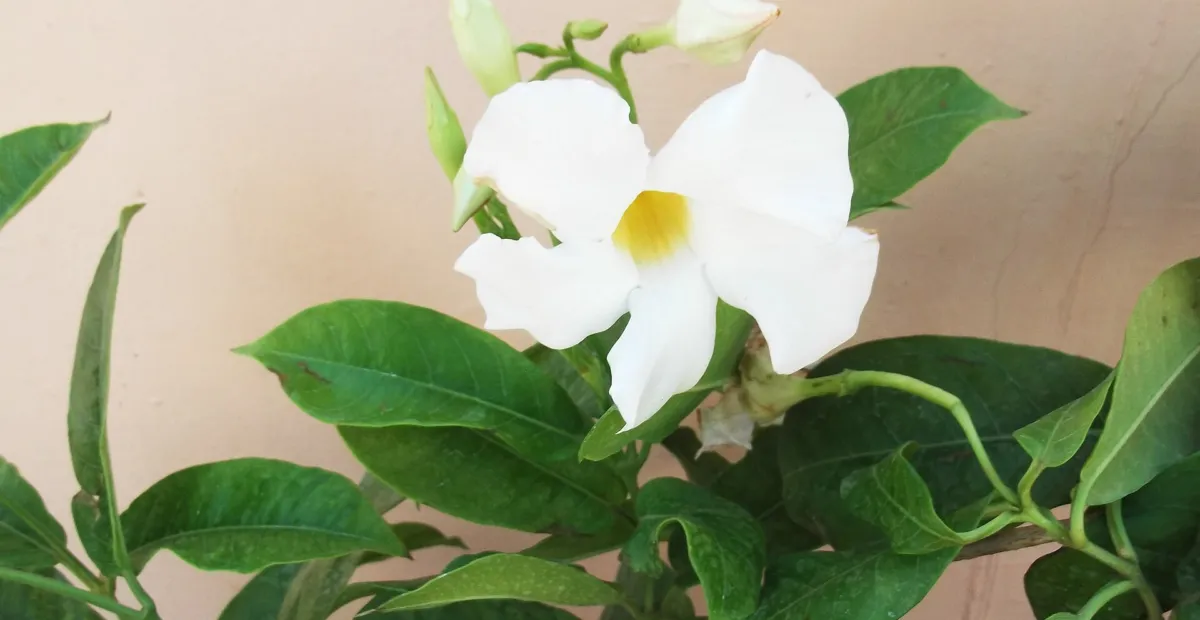
The plant has glossy, oval to elliptic evergreen leaves on slender woody stems. Stems may twine around support or arch and spill from containers. The most distinctive feature is the contrast between dark foliage and white, funnel-shaped flowers with yellow centers.
Flowering
The species produces clusters of large, white, funnel-shaped flowers with yellow throats. In warm conditions it can flower from spring through fall, while indoor plants may bloom irregularly when light and warmth are adequate. Flowering is reduced by deep shade, cold temperatures, drought stress, or excessive nitrogen.
Pollination and visitors
The showy tubular flowers are compatible with insect visitation, and mandevillas are commonly treated as visitor-friendly ornamentals. Reliable species-specific visitor records for Mandevilla boliviensis are limited, so the visitor grouping is presented conservatively rather than as a claim of exclusive pollination.
Mandevilla boliviensis photos
Click any photo for a larger view. Source, author and license are shown separately.
Diseases and pests
Diseases
Prevent fungal leaf spots and root problems with good air circulation, clean foliage, and well-drained soil. Avoid wetting leaves late in the day and remove badly affected leaves. Persistent decline, yellowing, or stem collapse often indicates excessive moisture or poor drainage rather than a need for more fertilizer.
Pests
Watch for spider mites, aphids, mealybugs, scale, and whiteflies, especially on stressed indoor plants. Inspect leaf undersides and stem joints regularly. Improve light and airflow first, then use a strong water spray or horticultural soap according to label directions; isolate infested plants and repeat treatments as needed.
Related diseases and pests
Only Plant Doctor profiles whose host data indicate this plant may be affected are shown here.
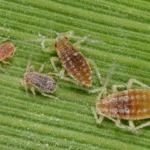 PestMealy Plum AphidHyalopterus pruni (Geoffroy, 1762)
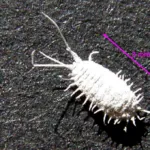 PestObscure mealybugPseudococcus viburni
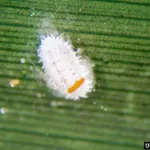 PestCitrus mealybugPlanococcus citri
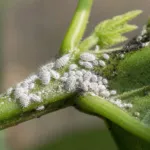 PestCotton mealybugPhenacoccus solenopsis Tinsley
 DiseasePear Decline‘Candidatus Phytoplasma pyri’
 DiseaseAster yellows‘Candidatus Phytoplasma asteris’
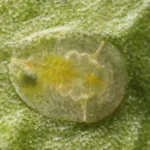 PestCitrus whiteflyDialeurodes citri
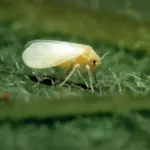 PestSweetpotato whiteflyBemisia tabaci species complex
Toxicity and pollen
Mandevilla belongs to Apocynaceae and produces milky sap when injured. Species-specific clinical toxicity information is limited, so avoid ingestion and prevent sap from contacting eyes, mouth, or broken skin. Wear gloves when pruning, wash hands afterward, and contact a medical or veterinary professional after suspected ingestion.
- Typical season
- Spring through fall during flowering; indoor exposure is usually limited
- Pollination / pollen
- Insect-carried pollen
This is an insect-pollinated flowering vine, so its pollen is not typically released in large airborne clouds. That does not establish zero allergy risk: sensitive people may still react to pollen, floral particles, or plant sap. Keep flowering plants out of bedrooms if symptoms occur and avoid handling them during pruning without gloves.
Native habitat
Kew records the species as native from Costa Rica to Bolivia, where it occurs in wet tropical environments and may grow epiphytically. This background explains its preference for warmth, humidity, organic matter, and excellent drainage rather than cold, compact, or persistently saturated soil.
Interesting fact
Mandevilla boliviensis was formerly associated with the genus Dipladenia, a name still widely used in horticulture.
The species is accepted by Kew as native from Costa Rica to Bolivia.
It is described botanically as an epiphyte of wet tropical habitats.
Its white flowers are often marked by a contrasting yellow throat.
The species is a frost-tender perennial commonly grown in containers in the United States.
Frequently asked questions (FAQ)
The most relevant questions about this plant, with short and direct answers.
🌱Quick care
What is Mandevilla boliviensis called?⌄
Mandevilla boliviensis is commonly called white mandevilla and white dipladenia. It is a frost-tender tropical flowering vine in the dogbane family, Apocynaceae.
How much light does white mandevilla need?⌄
White mandevilla grows best in full sun to bright filtered light. In very hot climates, protection from intense afternoon sun can help prevent stress while preserving flowering.
How often should I water Mandevilla boliviensis?⌄
Water Mandevilla boliviensis when the top inch or two of potting mix begins to dry, then water thoroughly. Keep the soil evenly moist during active growth but never waterlogged.
Is Mandevilla boliviensis a perennial?⌄
Mandevilla boliviensis is a tender perennial in warm climates but is usually grown as an annual or overwintered indoors where freezing weather occurs. Freezing temperatures can kill the plant.
How big does white mandevilla get?⌄
White mandevilla can grow about 3 to 10 feet tall and 3 to 6 feet wide when given warmth, support, and a long growing season. Container plants are often smaller.
🌤️Environment and placement
Can Mandevilla boliviensis grow in full sun?⌄
Yes, Mandevilla boliviensis can grow in full sun and generally flowers best with strong light. Provide some afternoon shade in extremely hot locations if the leaves wilt or scorch.
Can white mandevilla grow indoors?⌄
White mandevilla can be grown indoors in a warm, bright room, although flowering may decrease. Place it near a sunny window or use supplemental grow lighting and provide good air circulation.
What temperature is best for Mandevilla boliviensis?⌄
Mandevilla boliviensis prefers warm conditions and should be protected from freezing temperatures. Move container plants indoors before frost and avoid exposing them to prolonged cold.
Can white mandevilla survive winter outdoors?⌄
White mandevilla can remain outdoors year-round only in reliably frost-free areas, generally USDA Zones 10–11. In colder regions, grow it in a container and overwinter it indoors or treat it as an annual.
Does Mandevilla boliviensis need a trellis?⌄
Mandevilla boliviensis benefits from a trellis, obelisk, or other support because it produces twining stems. Without support, it can trail from a container or become loosely sprawling.
Can white mandevilla grow in a container?⌄
Yes, white mandevilla grows well in containers with drainage holes and a fertile, airy potting mix. Containers also make it easier to move the plant indoors before freezing weather.
💧Care and problems
Why are the leaves on my Mandevilla boliviensis turning yellow?⌄
Yellow leaves are often caused by overwatering, poor drainage, insufficient light, or cold stress. Check that the pot drains freely, let the surface dry slightly between waterings, and inspect for pests.
Why is my white mandevilla dropping leaves?⌄
White mandevilla may drop leaves after exposure to cold, low light, drought, or overly wet soil. During winter indoors, reduced light and slower growth can also cause some leaf loss.
What pests attack Mandevilla boliviensis?⌄
Common pests include whiteflies, spider mites, mealybugs, and scale. Inspect leaf undersides and stems regularly, isolate affected plants, and use an appropriate insecticidal soap or horticultural treatment as directed.
Why is my Mandevilla boliviensis not blooming?⌄
Insufficient light, cold temperatures, excessive nitrogen, drought, or severe pruning can reduce flowering. Give the plant strong light, even moisture, warm conditions, and balanced feeding during active growth.
Does white mandevilla need fertilizer?⌄
White mandevilla benefits from regular feeding during active growth with a balanced fertilizer used according to the product label. Avoid excessive nitrogen, which can produce leafy growth at the expense of flowers.
Should I deadhead Mandevilla boliviensis?⌄
Deadheading is not usually necessary for Mandevilla boliviensis, but removing spent flowers can improve its appearance. Continue providing adequate light, water, and warmth to encourage additional blooms.
🪴Planting and repotting
What soil is best for Mandevilla boliviensis?⌄
Use a fertile, airy, well-drained potting mix for Mandevilla boliviensis. Avoid dense garden soil in containers because poor drainage can lead to root problems.
When should I plant white mandevilla outdoors?⌄
Plant white mandevilla outdoors after the danger of frost has passed and nighttime temperatures are consistently mild. Harden indoor-grown plants gradually before placing them in full outdoor light.
When should I repot Mandevilla boliviensis?⌄
Repot Mandevilla boliviensis when roots fill the container, water runs through unusually quickly, or growth becomes restricted. Move it into a pot only one size larger and use fresh, well-drained mix.
✂️Propagation and pruning
How do you propagate Mandevilla boliviensis?⌄
Mandevilla boliviensis can be propagated from softwood or semi-ripe stem cuttings, usually taken during active growth. Root the cuttings in a warm, consistently moist, well-drained medium with bright indirect light.
Can white mandevilla be grown from seed?⌄
White mandevilla can be grown from seed, although stem cuttings are generally the more practical method for home gardeners. Seed propagation may require warmth and patience, and seedlings may not reproduce a named cultivar exactly.
When should I prune Mandevilla boliviensis?⌄
Prune Mandevilla boliviensis in late winter or early spring before vigorous new growth begins. Lightly pinch growing tips during the season to encourage branching and shorten long side shoots to maintain a compact shape.
How do I overwinter white mandevilla indoors?⌄
Bring white mandevilla indoors before frost, inspect it for pests, and place it in bright light with reduced watering. Keep the plant warm enough to avoid chilling, or allow slower growth in a cool location that never freezes.
⚠️Toxicity and safety
Is Mandevilla boliviensis poisonous to cats and dogs?⌄
Species-specific toxicity information for Mandevilla boliviensis is uncertain, so it is safest to keep the plant away from pets and children. Its milky sap can irritate skin, and ingestion should be treated cautiously.
Is white mandevilla sap irritating?⌄
Yes, the milky sap of white mandevilla may irritate skin and eyes. Wear gloves when pruning or taking cuttings, avoid touching your face, and wash exposed skin promptly.
What should I do if someone eats Mandevilla boliviensis?⌄
If someone eats Mandevilla boliviensis, remove plant material from the mouth and contact a poison-control service or medical professional for guidance. Do not assume the plant is safe because its species-specific toxicity is not well established.
🌸Flowering and special interest
When does Mandevilla boliviensis bloom?⌄
Mandevilla boliviensis usually blooms most heavily during summer and may flower for a longer period in warm, frost-free climates. Adequate light, warmth, moisture, and nutrition support continued flowering.
What do white mandevilla flowers look like?⌄
White mandevilla produces large, white, funnel-shaped flowers with a yellow to orange-yellow throat. The blooms typically appear in clusters against glossy green foliage.
How can I make Mandevilla boliviensis bloom more?⌄
To encourage more flowers, provide strong light, warm temperatures, even moisture, and regular but balanced feeding. Train the stems onto support and avoid heavy pruning once flower buds are forming.
Similar plants
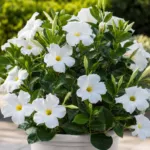 Mandevilla ‘Rio White’Mandevilla 'Rio White'
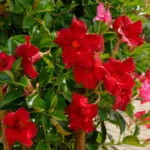 Mandevilla ‘Red Velvet’Mandevilla 'Red Velvet'
 Mandevilla ‘Sun Parasol Pink’Mandevilla 'Sun Parasol Pink'
 Mandevilla ‘Sundaville White’Mandevilla 'Sundaville White'
 Mandevilla ‘Sundaville Red’Mandevilla 'Sundaville Red'
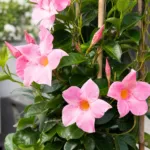 Mandevilla ‘Pink Charm’Mandevilla 'Pink Charm'