
 Source:
 Mandevilla ‘Sundaville Red’ short overview
Mandevilla 'Sundaville Red' is a compact, tender flowering vine selected for its glossy evergreen leaves and large, saturated red blooms. In the United States it performs best as a patio or container plant, or as a seasonal garden accent in frost-free areas. Give it strong light, warmth, regular moisture, and sharply drained soil; move containers indoors before freezing weather. Its twining stems can also trail attractively from hanging baskets.
Taxonomic classification
Mandevilla ‘Sundaville Red’ care guide
Light and placement
Provide full sun, ideally at a south- or west-facing exposure with shelter from strong cold winds. Bright light is essential for compact growth and abundant flowering. Pale leaves, long weak stems, and few flowers suggest insufficient light; scorched leaves or rapidly drying containers indicate excessive heat or reflected sun and should be managed with afternoon protection.
Watering and humidity
Water thoroughly when the upper inch of mix begins to dry, then allow excess water to drain completely. Keep the root zone evenly moist during hot active growth but never waterlog it. Reduce frequency in autumn and winter as growth and light decline. Empty saucers promptly and avoid leaving the container standing in water.
Soil and growing medium
Use a fertile, peat-free or loam-based container mix amended for reliable drainage. A mixture containing loam and coarse material such as perlite, bark, or sand helps prevent waterlogging. Mandevilla tolerates a broad pH range, but a slightly acidic to neutral mix is a practical target. Avoid dense garden soil in containers.
Feeding
Feed during active spring and summer growth with a balanced liquid fertilizer at the label rate, generally every two to four weeks. Water the plant first if the mix is dry, and reduce or stop feeding during cool, low-light winter conditions. Excess nitrogen can produce lush foliage at the expense of flowers.
Growth and habit
A vigorous but relatively compact twining plant that can be trained on support or allowed to trail. In warm conditions it makes new shoots readily and flowers on current-season growth. Pinching or selective pruning helps maintain a fuller outline, while restricted light or cool temperatures can produce weak, elongated stems.
Planting and repotting
Plant outdoors only after the danger of frost has passed and nights are reliably warm. Set the root ball at the same depth as in its nursery container and water thoroughly to settle the mix. Allow enough room for air circulation and install support early if a climbing display is desired. Container plants can be moved to shelter before autumn freezes.
Repot in spring when roots fill the container, moving up only one pot size. Use fresh, well-drained mix and provide a trellis or support if the stems are being trained upward. Repotting is also a useful time to inspect roots and remove damaged or rotting portions.
Propagation and pruning
Propagation
Propagate vegetatively from softwood cuttings in late spring or semi-ripe cuttings in summer. Use clean tools, a free-draining propagation medium, bright indirect light, warmth, and steady humidity until roots form. Cultivar traits are maintained by cuttings; seed is not the preferred method for preserving this named cultivar.
Pruning
Prune in late winter or early spring, or after a flowering flush, to remove weak, damaged, or overly long stems and maintain the desired shape. Shorten shoots selectively rather than cutting everything back hard unless the plant is being renewed. Wear gloves because cut stems may release milky sap.
Overwintering
Before the first frost, move the container indoors or into a warm greenhouse. Check carefully for pests, prune lightly if needed, and place it in the brightest available window with reduced watering. Growth may slow substantially during winter. Return outdoors gradually in spring after frost risk has passed and temperatures are consistently warm.
Uses
Use as a flowering container specimen, patio accent, balcony plant, greenhouse subject, conservatory plant, or hanging-basket display. Train it on a small trellis or allow flexible stems to trail. It is not an edible or medicinal plant, and plant material should not be consumed.
Appearance
This cultivar has glossy, simple, dark-green evergreen leaves on flexible twining stems. Its compact habit suits containers, while the stems can climb a support or spill over a basket. The most diagnostic ornamental feature is the combination of polished foliage and saturated red, tubular-to-funnel-shaped flowers with five rounded lobes.
Flowering
This cultivar produces large, funnel-shaped, five-lobed red flowers repeatedly through the warm growing season when kept warm and brightly lit. Flowering is strongest with full sun, regular feeding, and even moisture. In cool or dim indoor conditions, flowering may slow or stop. Individual bloom timing and intensity vary with temperature and day length.
Pollination and visitors
Mandevilla flowers have nectar-bearing tubular corollas and the genus includes species visited by butterflies, moths, bees, and other insects. Visitors to this named cultivar have not been documented well enough to assign a specific species. Treat butterfly and moth attraction as plausible but not strongly cultivar-confirmed.
Diseases and pests
Diseases
Usually manageable when grown with good airflow and drainage. Watch for root or stem rot in persistently wet media, along with leaf spotting under crowded, humid conditions. Remove affected tissue, improve ventilation, avoid wetting foliage late in the day, and correct overwatering before considering a labeled fungicide.
Pests
Inspect leaf undersides and shoot tips for spider mites, mealybugs, and whiteflies, especially indoors or in greenhouses. Isolate affected plants, wash foliage with water, improve airflow, and use insecticidal soap or horticultural oil only as directed on the label. Avoid stressing plants with prolonged drought or stagnant, overly dry air.
Related diseases and pests
Only Plant Doctor profiles whose host data indicate this plant may be affected are shown here.
 Environmental stressOverwatering
 Environmental stressUnderwatering
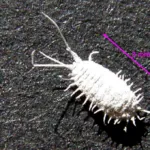 PestObscure mealybugPseudococcus viburni
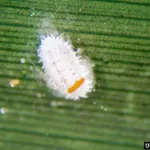 PestCitrus mealybugPlanococcus citri
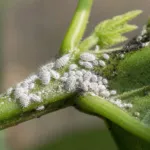 PestCotton mealybugPhenacoccus solenopsis Tinsley
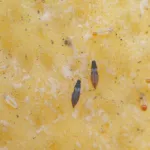 PestGreenhouse thripsHeliothrips haemorrhoidalis
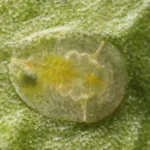 PestCitrus whiteflyDialeurodes citri
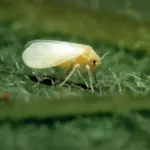 PestSweetpotato whiteflyBemisia tabaci species complex
Toxicity and pollen
Reliable cultivar-specific human toxicity data are limited. Mandevilla is a milky-sap-producing member of Apocynaceae, so avoid ingesting plant material and prevent sap contact with eyes, mouth, and broken skin. Wear gloves when pruning and seek medical or veterinary advice after significant ingestion or irritation. Pet references are not fully consistent, so treat the plant as unsuitable for chewing.
- Typical season
- Late spring through summer; outdoor flowering season
- Pollination / pollen
- Pollen held within insect-pollinated flowers
Mandevilla is insect-pollinated and does not typically release large clouds of airborne pollen. Flowers still produce pollen, and individual sensitivity cannot be ruled out, but the cultivar is expected to have low general airborne-allergy relevance. Avoid rubbing eyes after handling flowers or sap.
Native habitat
Mandevilla is a Neotropical genus associated mainly with warm, frost-free habitats, including woodland edges, scrub, and seasonally moist tropical or subtropical environments. The named Sundaville cultivar is a horticultural selection and is not a naturally occurring wild population. It requires warmth and protection from freezing.
Interesting fact
The cultivar is listed under the synonym 'Sunmandecrim'.
Sundaville Red is a trade cultivar rather than a wild species.
Its flowers have a tubular, funnel-like corolla with five lobes.
The foliage remains evergreen when warmth and light are maintained.
The plant can be trained upward or allowed to trail from a basket.
Similar plants
 Blue Lobelia (Lobelia siphilitica) care guideLobelia siphilitica
 Lobelia ‘Compacta’Lobelia 'Compacta'
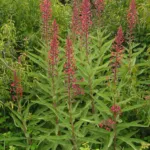 Devil’s tobacco (Lobelia tupa) care guideLobelia tupa
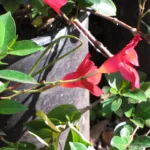 Mandevilla ‘Red Riding Hood’Mandevilla 'Red Riding Hood'
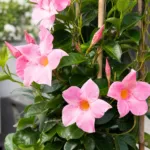 Mandevilla ‘Pink Charm’Mandevilla 'Pink Charm'
 Campbell’s Magnolia (Magnolia campbellii) care guideMagnolia campbellii