
 Source:
Devil’s tobacco (Lobelia tupa) short overview
Devil’s tobacco (Lobelia tupa) is a striking Chilean perennial grown for its tall, upright habit, large felty gray-green leaves, and vivid red tubular flowers. It performs best in full sun with fertile, well-drained soil and shelter from harsh winter winds. In much of the United States it is best treated as a tender or marginally hardy perennial, with extra winter protection or container culture in colder regions.
Taxonomic classification
Devil’s tobacco (Lobelia tupa) care guide
Light and placement
Give full sun, ideally in a sheltered south- or west-facing position. Strong light supports sturdy stems and the best flowering. Too little light produces weaker, more elongated growth and fewer flowers; extreme heat combined with dry roots can cause wilting or leaf scorch, so provide afternoon shelter in very hot inland climates.
Watering and humidity
Water deeply when the upper inch of soil begins to dry during active growth, then allow excess water to drain away. Keep plants more evenly moist while establishing and during flowering, but reduce watering in cool weather. Established plants tolerate some dryness, whereas persistent saturation can damage the roots.
Soil and growing medium
Use fertile, well-drained soil that holds some moisture without becoming waterlogged. Sandy loam is a reliable choice, while heavier clay should be amended with organic matter and improved drainage. The species tolerates acidic, neutral, and mildly alkaline soils, so structure and drainage matter more than precise pH.
Feeding
In spring, incorporate a modest amount of compost or use a balanced slow-release fertilizer. Feed lightly during active growth if the plant is pale or growing weakly, but avoid heavy nitrogen, which can produce soft stems and excessive foliage. Stop routine feeding by late summer so growth can mature before cold weather.
Growth and habit
This is a vigorous, upright perennial that can become a substantial clump over time. Tall flowering stems emerge above the basal foliage, creating a strong vertical accent. Shelter helps prevent wind damage, while periodic division or renewal may be useful when an established clump becomes crowded.
Planting and repotting
Plant after the danger of hard frost has passed, choosing a sheltered, sunny location. Set nursery plants at the same depth at which they were growing and water thoroughly to settle the soil. Allow about 2–3 feet between plants where mature clumps can develop, with extra room for tall flower stems.
Repot container plants in spring as growth resumes, moving up only one pot size. Handle the root system carefully and use a fertile but sharply draining mix. Large specimens may be easier to refresh by top-dressing annually rather than repeatedly shifting into much larger containers.
Propagation and pruning
Propagation
Sow seeds in late winter at about 59–64°F; do not bury them deeply because germination may require light. Keep the medium evenly moist and transplant seedlings after they are well established. Basal cuttings may be possible, but few suitable shoots are typically produced, making seed the more dependable method.
Pruning
Cut flowering stems back after the display finishes, or leave some standing until late winter for structure and seed development. Remove dead basal foliage as new growth begins. In cold regions, delay hard cutting until spring if the remaining stems help protect the crown.
Overwintering
In Zones 7–8, mulch the crown after the first hard frost and protect it from prolonged wet and cold. In colder areas, grow it in a large container and overwinter it in a bright, cool, frost-free space, watering sparingly. Avoid warm, dark indoor conditions that encourage weak growth.
Uses
Use as a dramatic architectural accent in mixed borders, cottage-style plantings, coastal gardens, and large containers. Its late-season red flowers can contribute to wildlife-oriented plantings where documented visitors occur. Do not use it as a culinary, smoking, or medicinal plant because ingestion and exposure may be harmful.
Appearance
The plant forms an upright clump of stout stems with large, narrow to elliptic, gray-green leaves covered in a soft felty texture. Its strongest identification features are the substantial foliage and tall terminal racemes of vivid red, elongated tubular flowers. The overall effect is bold and architectural rather than delicate.
Flowering
Tall terminal racemes carry numerous tubular, two-lipped red flowers. Flowering is generally from mid- to late summer into fall in temperate gardens, with the display extended by even moisture and a sheltered position. The architectural flower stems rise well above the foliage and may need support in exposed sites.
Pollination and visitors
Documented Chilean observations include visits by the bumblebee Bombus dahlbomii and a hummingbird, Calypte anna, indicating that both insect and bird visitors may use the tubular red flowers. Visitor composition in U.S. gardens may differ.
Lobelia tupa photos
Click any photo for a larger view. Source, author and license are shown separately.
Diseases and pests
Diseases
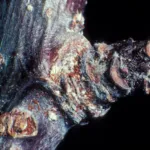
Usually relatively disease-free when grown with good drainage and air circulation. Excessively wet soil can encourage root problems. Remove damaged growth, avoid overhead watering, and do not crowd plants. Treat any persistent symptoms according to the identified pathogen rather than applying broad-spectrum products routinely.
Pests
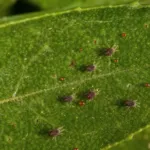
Slugs may damage young foliage. Red spider mites can become troublesome in hot, dry, poorly ventilated conditions. Inspect leaf undersides, improve airflow, reduce plant stress, and use targeted control only when pests are confirmed.
Related diseases and pests
Only Plant Doctor profiles whose host data indicate this plant may be affected are shown here.



Toxicity and pollen
The RHS lists Lobelia tupa as harmful if eaten and irritating to skin. The genus also contains biologically active alkaloids, so leaves and other plant material should not be smoked, consumed, or used medicinally. Wear gloves when handling sap or damaged foliage and keep plant material away from children and pets.
- Typical season
- Late summer to fall
- Pollination / pollen
- Primarily animal-transferred pollen
Lobelia tupa is an insect- and bird-visited flowering plant rather than a strongly wind-pollinated species. No reliable evidence supports labeling it pollen-free, but its pollen is not generally regarded as a major airborne allergen. Sensitive gardeners should still avoid direct contact with flowers and foliage if symptoms occur.
Native habitat
Lobelia tupa is native to central and southern Chile, where it occurs in temperate environments including open, coastal, and relatively moist or seasonally dry settings. It can tolerate a range of soils but benefits in cultivation from sun, shelter, fertility, and reliable drainage.
Interesting fact
The species is native to south-central Chile and is accepted under the name Lobelia tupa.
Frequently asked questions (FAQ)
The most relevant questions about this plant, with short and direct answers.
🌱Quick care
What is Lobelia tupa commonly called?⌄
Lobelia tupa is commonly called devil’s tobacco. It is a tall, woody-based perennial lobelia from Chile in the Campanulaceae family.
Is Lobelia tupa perennial?⌄
Yes, Lobelia tupa is a perennial. In mild climates it may retain foliage, while colder winters can cause it to become partially or fully deciduous.
How tall does devil’s tobacco grow?⌄
Devil’s tobacco commonly grows about 5 to 8 feet tall, with exceptional plants reaching higher in favorable conditions. Allow substantial vertical and horizontal space because mature plants can become broad.
When does Lobelia tupa bloom?⌄
Lobelia tupa usually blooms from late summer into fall. Its tall flower spikes carry bright red, tubular flowers.
🌤️Environment and placement
Does Lobelia tupa need full sun?⌄
Yes, Lobelia tupa grows best in full sun. A sheltered site with strong light encourages sturdier growth and better flowering.
What type of soil is best for devil’s tobacco?⌄
Use fertile, well-drained soil for devil’s tobacco. It tolerates several soil types, but persistent winter wetness can damage the roots.
Can Lobelia tupa grow in clay soil?⌄
Lobelia tupa can grow in clay soil if drainage is improved. Incorporate organic matter and avoid planting where water remains stagnant after rain.
What USDA hardiness zone is Lobelia tupa?⌄
Lobelia tupa is generally treated as a marginal perennial around USDA Zones 8 through 10, although hardiness varies with drainage, exposure, and the individual plant. Protect it in colder climates.
Can devil’s tobacco grow in a container?⌄
Yes, devil’s tobacco can be grown in a large container with drainage holes. Choose a heavy pot, use a fertile but sharply draining mix, and provide winter protection where hard freezes occur.
Is Lobelia tupa drought tolerant?⌄
Lobelia tupa can tolerate short dry periods once established, but it performs best with moderate moisture. Let the soil surface dry slightly between waterings rather than keeping it constantly wet.
💧Care and problems
How often should I water Lobelia tupa?⌄
Water Lobelia tupa when the soil surface has dried slightly. Water deeply during prolonged heat or drought, but reduce watering in cool weather and avoid saturated soil.
Why is my Lobelia tupa wilting?⌄
Wilting usually results from dry soil, root stress, excessive heat, or waterlogged roots. Check the soil moisture and drainage before increasing irrigation.
Why is Lobelia tupa not flowering?⌄
Poor flowering is commonly linked to insufficient sun, young plant age, drought stress, or excessive winter damage. Plants grown from seed may take about two years to reach their first substantial bloom.
Does Lobelia tupa need fertilizer?⌄
Lobelia tupa usually needs only moderately fertile soil and does not require heavy feeding. A light application of balanced fertilizer in spring can help if growth is weak, but excess nitrogen may produce foliage at the expense of flowers.
What pests affect devil’s tobacco?⌄
Slugs may damage young or low-growing parts of devil’s tobacco. The plant is otherwise generally considered relatively trouble-free when grown in suitable conditions.
Should I protect Lobelia tupa from frost?⌄
Yes, protect Lobelia tupa from severe or prolonged frost, especially during its first winter. A sheltered position, dry winter soil, and a mulch over the root zone can improve survival.
🪴Planting and repotting
When should I plant Lobelia tupa outdoors?⌄
Plant Lobelia tupa outdoors after the threat of hard frost has passed and the soil is workable. Spring planting gives the root system a full growing season to establish before winter.
How far apart should Lobelia tupa be planted?⌄
Space Lobelia tupa about 30 to 36 inches apart, or farther apart when growing conditions are especially favorable. Wider spacing improves airflow and accommodates its mature spread.
How do I transplant devil’s tobacco?⌄
Transplant devil’s tobacco in spring by lifting as much of the root ball as possible and replanting it at the original depth. Water it thoroughly after planting and keep the soil moderately moist while it establishes.
✂️Propagation and pruning
How do you grow Lobelia tupa from seed?⌄
Sow Lobelia tupa seeds under cover in late winter or early spring and keep them lightly moist in bright light. Surface sowing or very shallow covering is appropriate because light can aid germination.
How long does Lobelia tupa seed take to germinate?⌄
Lobelia tupa seed may germinate unevenly over several weeks. If seedlings do not appear after the initial warm period, some seed sources recommend a cool, moist period before returning the pots to suitable germination temperatures.
Can Lobelia tupa be propagated from cuttings?⌄
Lobelia tupa may be propagated from basal cuttings, but suitable cuttings can be produced in limited numbers. Seed is generally the more practical propagation method.
When should I prune Lobelia tupa?⌄
Cut Lobelia tupa back after flowering or after frost has damaged the stems. In colder areas, leaving some top growth until late winter can provide additional protection before final cleanup.
⚠️Toxicity and safety
Is Lobelia tupa poisonous?⌄
Yes, Lobelia tupa is harmful if eaten and should not be used as food or medicine. Keep it away from children and pets, and seek medical or veterinary advice after ingestion.
Can Lobelia tupa irritate the skin?⌄
Yes, Lobelia tupa can irritate the skin. Wear gloves when pruning, transplanting, or handling damaged stems, and wash exposed skin promptly.
Can you smoke devil’s tobacco?⌄
No, devil’s tobacco should not be smoked or used medicinally. Its common name reflects historical use, but the plant is harmful if eaten and contains biologically active compounds.
🌸Flowering and special interest
What color flowers does devil’s tobacco have?⌄
Devil’s tobacco produces bright red to scarlet tubular flowers. The flowers are carried in tall terminal clusters above gray-green foliage.
Does Lobelia tupa attract hummingbirds?⌄
The tubular red flowers of Lobelia tupa can attract hummingbirds and other nectar-seeking pollinators. Results vary with local wildlife, garden placement, and the availability of other nectar plants.
Similar plants
 Lobelia ‘Techno Blue’Lobelia 'Techno Blue'
 Cardinal plant (Lobelia cardinalis) care guideLobelia cardinalis
 Edging lobelia (Lobelia erinus) care guideLobelia erinus
 Lobelia ‘Compacta’Lobelia 'Compacta'
 Lobelia ‘Cascade Blue’Lobelia 'Cascade Blue'
 Crystal Palace (Lobelia erinus ‘Crystal Palace’)Lobelia erinus 'Crystal Palace'