
 Source:
Edging lobelia (Lobelia erinus) short overview
Edging lobelia is a compact, spreading species from southern Africa that produces a long succession of small, two-lipped flowers. Its wild form is usually blue to violet, while cultivated strains may also flower in white, pink, purple, or mixed shades. In the United States it is commonly grown as a warm-season annual in borders, containers, window boxes, and hanging baskets, where evenly moist soil and cooler growing conditions help maintain flowering.
Taxonomic classification
Edging lobelia (Lobelia erinus) care guide
Light and placement
Grow in full sun or partial shade, ideally with morning or gentle afternoon sun in hot climates. East-, south-, or west-facing exposures can work when moisture is reliable. Too little light produces lanky growth and fewer flowers; intense heat combined with dry soil can cause wilting, leaf scorch, and a rapid decline in bloom.
Watering and humidity
Water when the surface begins to dry, soaking the root zone thoroughly and allowing excess water to drain. Keep the soil consistently moist during active growth and flowering, but never saturated. Check containers more often in heat and wind; reduce watering in cool weather while avoiding prolonged drying. Average humidity is sufficient outdoors.
Soil and growing medium
Use fertile, moisture-retentive but well-drained soil or potting mix. Loam, sandy loam, and clay soils can work if drainage is reliable and organic matter is adequate. Lobelia erinus tolerates acidic, neutral, and alkaline conditions, so structure and moisture consistency matter more than narrowly targeting a pH.
Feeding
Apply a balanced, water-soluble fertilizer at half strength during active growth if plants are in containers or poor soil. Avoid heavy nitrogen feeding, which can produce soft foliage at the expense of flowers. Stop feeding stressed, droughted, or waterlogged plants until root conditions improve.
Growth and habit
Plants form fine, branching stems that may remain compact and bushy or become spreading and trailing depending on cultivar. Growth is strongest in cool to moderate temperatures with steady moisture. Cutting back after a flowering flush can encourage renewed branching and a neater display.
Planting and repotting
Plant outdoors after the danger of frost has passed and night temperatures are reliably mild. Set plants at the same depth as their container, or sow seed on the surface because the seed requires light; press it gently into the mix rather than covering it. Space compact forms about 4–8 inches apart and trailing forms about 8–12 inches apart.
Repot container-grown plants only when roots fill the pot or the mix has broken down. Move them into fresh, well-drained mix with minimal root disturbance. Because the species is often grown as a seasonal annual in the United States, repotting is usually unnecessary unless overwintering a valued plant.
Propagation and pruning
Propagation
Sow seed indoors in late winter, about 8–10 weeks before outdoor planting. Surface-sow because light supports germination, keep the medium evenly moist, and transplant seedlings after they develop true leaves. Seed propagation is the standard practical method; cultivar uniformity may vary when seed is collected from mixed plantings.
Pruning
Routine pruning is usually unnecessary, but lightly shear or cut plants back after a heavy flowering flush to remove tired stems and encourage fresh growth. Do not cut into severely stressed plants until watering and root conditions are corrected.
Overwintering
Protect from frost. In most U.S. regions, discard plants at season end or collect seed. In USDA Zones 10–11, plants may persist through mild winters if kept out of cold, wet conditions. Container plants can be overwintered in bright, cool indoor light, but they may become leggy.
Uses
Used as an ornamental edging, bedding plant, container spiller, window-box subject, and hanging-basket plant. Its dense flower display is especially useful for cool-season or shoulder-season color. It is not recommended as a culinary or medicinal plant without authoritative, species-specific guidance.
Appearance
The plant has slender, branching green stems and small simple leaves arranged along the stems. Its overall form ranges from compact and bushy to low, spreading, or trailing. The most recognizable feature is the profusion of small, flattened, two-lipped flowers held above fine foliage.
Flowering
The flowers are small, two-lipped and typically borne singly or in loose clusters along fine stems. The wild species generally has blue to violet flowers; cultivated forms broaden the range to white, pink, purple, and bicolors. Bloom can continue from late spring through fall when plants are kept evenly moist and lightly trimmed after flowering flushes.
Pollination and visitors
The flowers are adapted for insect visitation, but reliable species-specific U.S. pollinator records for Lobelia erinus were not located in the reviewed sources. Pollinator attraction is therefore left unknown rather than assigning visitor groups by assumption.
Lobelia erinus photos
Click any photo for a larger view. Source, author and license are shown separately.
Diseases and pests
Diseases
Damping-off, stem rot, and root rot are favored by saturated soil, poor air circulation, or contaminated propagation media. Use clean containers, avoid overwatering, provide drainage, and remove affected plants promptly. Improve air movement and water at the soil surface rather than over the foliage.
Pests
Slugs and snails may chew foliage and young growth, especially in damp beds. Reduce hiding places, improve air circulation, and use proportionate physical or locally approved controls when needed. Avoid keeping the soil constantly wet, which also increases disease pressure.
Related diseases and pests
Only Plant Doctor profiles whose host data indicate this plant may be affected are shown here.
 DiseaseImpatiens necrotic spot virus diseaseImpatiens necrotic spot orthotospovirus
 DiseasePseudomonas viridiflava bacterial blightPseudomonas viridiflava
 DiseaseCucumber mosaic virusCucumber mosaic virus
 Environmental stressOverwatering
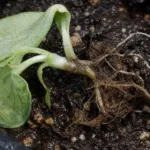 DiseasePythium ultimum Damping-Off and Root RotPythium ultimum Trow
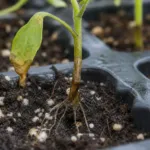 DiseasePythium damping-off and root rotPythium debaryanum R. Hesse; often treated taxonomically as Globisporangium debaryanum
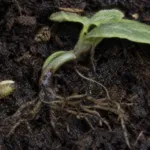 DiseasePythium damping-off, root rot and blightPythium aphanidermatum
Toxicity and pollen
Reliable species-specific human and pet toxicity information is limited. Lobelia erinus is not the same species as cardinal flower or great lobelia, for which toxicity information is more readily documented. Avoid eating the plant, keep it away from children and pets that chew plants, and seek medical or veterinary advice after ingestion or symptoms.
- Typical season
- Late spring through fall where plants are flowering
- Pollination / pollen
- Flower-associated pollen; not typically wind-dispersed
The species has insect-associated flowers rather than exposed wind-pollinated structures, so substantial airborne pollen exposure is not expected. Individual sensitivity cannot be ruled out, and pollen levels may vary with plant abundance, weather, and local conditions.
Native habitat
Lobelia erinus is native to tropical and southern Africa, where it occurs in subtropical environments. In cultivation it favors fertile soils that do not dry sharply or remain saturated. Its tender nature explains why it is treated as a seasonal bedding plant across much of the United States.
Interesting fact
Kew treats Lobelia erinus as an accepted species native to tropical and southern Africa. The species is commonly grown as an annual even though it can persist as a tender perennial in mild climates. Garden strains include both compact and trailing forms.
Frequently asked questions (FAQ)
The most relevant questions about this plant, with short and direct answers.
🌱Quick care
What is edging lobelia?⌄
Edging lobelia is the common name for Lobelia erinus, a compact or trailing flowering plant in the bellflower family. It is usually grown as a tender annual in the United States for blue, purple, pink, or white flowers.
Is Lobelia erinus an annual or perennial?⌄
Lobelia erinus is a tender perennial in frost-free climates but is generally grown as an annual in most of the United States. It may survive winter outdoors only in the warmest regions with suitable protection.
How big does edging lobelia get?⌄
Edging lobelia typically grows about 4 to 10 inches tall and 6 to 12 inches wide, although trailing cultivars can spread farther in containers or hanging baskets.
How far apart should edging lobelia be planted?⌄
Space edging lobelia about 6 to 12 inches apart. Use closer spacing for a quickly filled border and wider spacing where better air circulation is needed.
🌤️Environment and placement
How much sun does Lobelia erinus need?⌄
Lobelia erinus grows in full sun to partial shade. In areas with hot summers, partial afternoon shade usually helps it remain healthy and flowering longer.
Can edging lobelia grow in full shade?⌄
Edging lobelia generally does not flower well in full shade. Bright partial shade is more suitable, while full sun works best where summers are relatively cool and the soil stays evenly moist.
What soil is best for edging lobelia?⌄
Use fertile, moisture-retentive, well-drained soil. Lobelia erinus needs consistent moisture but can develop root problems if the soil remains waterlogged.
Can edging lobelia grow in containers?⌄
Yes, edging lobelia grows well in containers, window boxes, and hanging baskets. Choose a container with drainage holes and use a quality potting mix that holds moisture without becoming soggy.
Is Lobelia erinus good for hanging baskets?⌄
Trailing forms of Lobelia erinus are well suited to hanging baskets because their stems spill over the edges. Compact upright forms are better for borders, small containers, and edging.
Can edging lobelia tolerate heat?⌄
Edging lobelia often struggles during hot summer weather and may stop flowering temporarily. Consistent watering, afternoon shade, and heat-tolerant cultivars can improve performance.
💧Care and problems
How often should I water edging lobelia?⌄
Water edging lobelia whenever the soil surface begins to dry, keeping the root zone evenly moist. Do not allow the plant to wilt repeatedly, but avoid saturated soil that can encourage root rot.
Why is my edging lobelia wilting?⌄
Edging lobelia may wilt from dry soil, excessive heat, root damage, or inconsistent watering. Check soil moisture first, then improve afternoon shade and drainage if the soil is either drying too quickly or staying wet.
Why has my Lobelia erinus stopped flowering?⌄
Lobelia erinus commonly pauses flowering during hot weather, especially when exposed to intense afternoon sun or drought. Shearing it back, maintaining moisture, and providing partial shade can encourage new growth and later flowers.
Should edging lobelia be fertilized?⌄
Edging lobelia benefits from light, regular feeding during active growth, especially in containers. Avoid excessive nitrogen, which can produce leafy, weak growth instead of abundant flowers.
What problems affect edging lobelia?⌄
The main problems are damping-off, stem rot, and root rot in overly wet conditions. Slugs and snails may also feed on plants, while good drainage, spacing, and careful watering reduce disease risk.
Does edging lobelia need deadheading?⌄
Deadheading is usually not essential because many edging lobelia cultivars are self-cleaning. Removing spent flower clusters can still improve appearance and may help maintain flowering.
🪴Planting and repotting
When should I plant edging lobelia outdoors?⌄
Plant edging lobelia outdoors after the danger of frost has passed and nighttime temperatures are becoming milder. In hot climates, planting for the cool spring season is often more successful than planting in early summer.
Can edging lobelia survive frost?⌄
No, Lobelia erinus is frost-tender and can be damaged or killed by freezing temperatures. Protect containers during cold snaps and wait until the local frost risk has passed before planting bedding plants outdoors.
When should I start edging lobelia seeds indoors?⌄
Start edging lobelia seeds indoors about 8 to 10 weeks before the expected outdoor planting date. Transplant seedlings only after frost danger has passed and handle the small plants carefully.
How do you sow Lobelia erinus seeds?⌄
Sow the tiny seeds on the surface of moist seed-starting mix because they need light to germinate, and do not bury them deeply. Keep the medium evenly moist and provide bright light and moderate temperatures.
Can edging lobelia be direct-sown outdoors?⌄
Direct sowing is possible in regions with a long, mild growing season, but indoor starting or purchased transplants is usually more reliable. The seeds are very small and young seedlings grow slowly.
✂️Propagation and pruning
How do you propagate edging lobelia?⌄
Edging lobelia is primarily propagated by seed. Some named cultivars may also be produced from cuttings by commercial growers, but seed or nursery transplants are the practical choices for most home gardeners.
How long does edging lobelia take to bloom from seed?⌄
Edging lobelia can take roughly four months from seed to flowering, depending on temperature, light, and growing conditions. Starting seed indoors gives plants a useful head start.
Can you save seeds from Lobelia erinus?⌄
Yes, you can collect the tiny seeds from mature capsules after flowering, although seedlings may not reproduce the exact color or habit of a named hybrid cultivar. Allow capsules to dry before collecting and store the seed in a cool, dry place.
Should edging lobelia be cut back?⌄
Cut edging lobelia back after a major flush of flowers or when summer heat causes the plant to become sparse. Shearing it by about one-third can encourage fresh growth and later flowering when conditions improve.
⚠️Toxicity and safety
Is edging lobelia poisonous to people or pets?⌄
The toxicity risk of Lobelia erinus is not fully resolved by species-specific evidence, and some extension references classify lobelia as potentially poisonous. Keep the plant and its seeds away from children and pets, and contact a poison-control or veterinary professional if ingestion occurs.
🌸Flowering and special interest
When does edging lobelia bloom?⌄
Edging lobelia generally blooms from late spring through summer and may continue until frost when conditions remain favorable. Flowering is usually strongest during cool weather.
What colors do edging lobelia flowers come in?⌄
Edging lobelia flowers are commonly blue, violet, purple, pink, white, or bicolored, often with a contrasting white or yellow center. Color depends on the cultivar.
Why does edging lobelia decline in midsummer?⌄
Edging lobelia often declines in midsummer because high temperatures reduce flowering and increase water stress. Cutting it back, supplying steady moisture, and moving containers to afternoon shade can help it recover in cooler weather.
Are upright and trailing edging lobelia different?⌄
Yes, upright cultivars form compact mounds suited to borders, while trailing cultivars spill over containers, raised beds, and hanging baskets. Both are forms of Lobelia erinus with similar basic care needs.
Similar plants
 Lavandula intermedia care guideLavandula intermedia
 Juniperus × media ‘Gold Star’Juniperus × media 'Gold Star'
 Lobelia ‘Compacta’Lobelia 'Compacta'
 Eastern redcedar (Juniperus virginiana) care guideJuniperus virginiana
 Hidcote Blue (Lavandula angustifolia ‘Hidcote Blue’)Lavandula angustifolia 'Hidcote Blue'
 Spanish lavender (Lavandula pedunculata) care guideLavandula pedunculata