
 Source:
 Lavandula intermedia short overview
Lavandula intermedia is the accepted hybrid lavandin formed from L. angustifolia and L. latifolia. In U.S. gardens it is grown as a fragrant, woody perennial for its silver-gray foliage, long lavender-blue flower spikes, dry-soil tolerance, and value in herb, cutting, rock, and pollinator gardens. Give it full sun, excellent drainage, modest fertility, and careful pruning that avoids old leafless wood.
Taxonomic classification
Lavandula intermedia care guide
Light and placement
Provide at least 6–8 hours of direct sun, ideally in an open south- or west-facing position with strong air movement. Morning shade or dense nearby planting can produce weak, stretched stems and fewer flowers. Excessive heat is usually less damaging than wet roots, but reflected heat from pavement may increase container water loss.
Watering and humidity
Water deeply during establishment, then allow the soil to dry substantially between irrigations. Established plants usually need water only during prolonged drought or extreme heat. Direct water to the soil rather than the crown, and reduce irrigation in cool weather and winter. Humid air is tolerated better when roots remain dry and air circulates.
Soil and growing medium
Use a lean, sharply drained soil with a sandy, gravelly, or loamy structure. Neutral to slightly alkaline conditions are preferred, though well-drained soil around pH 6.5–7.5 is generally workable. Avoid heavy clay, persistent winter moisture, and rich organic amendments that hold water.
Feeding
Lavandin usually performs best with low fertility. Compost or a light, balanced fertilizer is optional in poor soil, applied in spring at a restrained rate. Avoid heavy nitrogen, manure, and late-season feeding because lush, floppy growth is less fragrant and more vulnerable to winter damage.
Growth and habit
This hybrid forms a woody, branching mound and can become open or woody if light is inadequate or pruning is delayed for several years. Long flower stems may arch or splay, especially in large cultivars. Maintain air circulation and renew older plants through cuttings rather than cutting deeply into bare wood.
Planting and repotting
Plant in spring after the main frost risk or in early fall where roots can establish before summer heat or winter. Set the crown at soil level rather than burying the woody base. Water deeply after planting, then gradually reduce irrigation as new roots develop.
Repot only when roots fill the container, preferably in spring. Move into a slightly larger pot with a gritty, fast-draining mix and a drainage hole. Disturb roots as little as possible, and avoid keeping the newly repotted plant constantly wet.
Propagation and pruning
Propagation
Commercial and named lavandins are normally propagated from semi-ripe or softwood cuttings because seed is generally sterile or does not reproduce the parent consistently. Take healthy nonflowering shoots in late spring or summer, root in a clean, free-draining medium, and keep evenly moist but never waterlogged.
Pruning
Deadhead after the main flush and lightly shape while some green foliage remains on each stem. In spring, remove winter damage after new growth appears. Never cut far into old leafless wood, which often fails to resprout. Avoid heavy late-fall pruning in cold climates.
Overwintering
Keep the crown dry and avoid winter irrigation unless the plant is genuinely desiccated. In cold regions, use a sharply drained site and avoid heavy mulch against the stems. Container plants are more vulnerable: shelter them from prolonged freezing rain, raise pots off wet ground, and protect from winter wet rather than keeping them warm indoors.
Uses
Use it for fragrant borders, herb gardens, dry beds, gravel gardens, informal hedges, cut flowers, dried arrangements, sachets, and pollinator plantings. Some lavandin oils and flowers are used commercially, but culinary or topical use should rely on correctly identified, appropriately produced material rather than ornamental garden plants.
Appearance
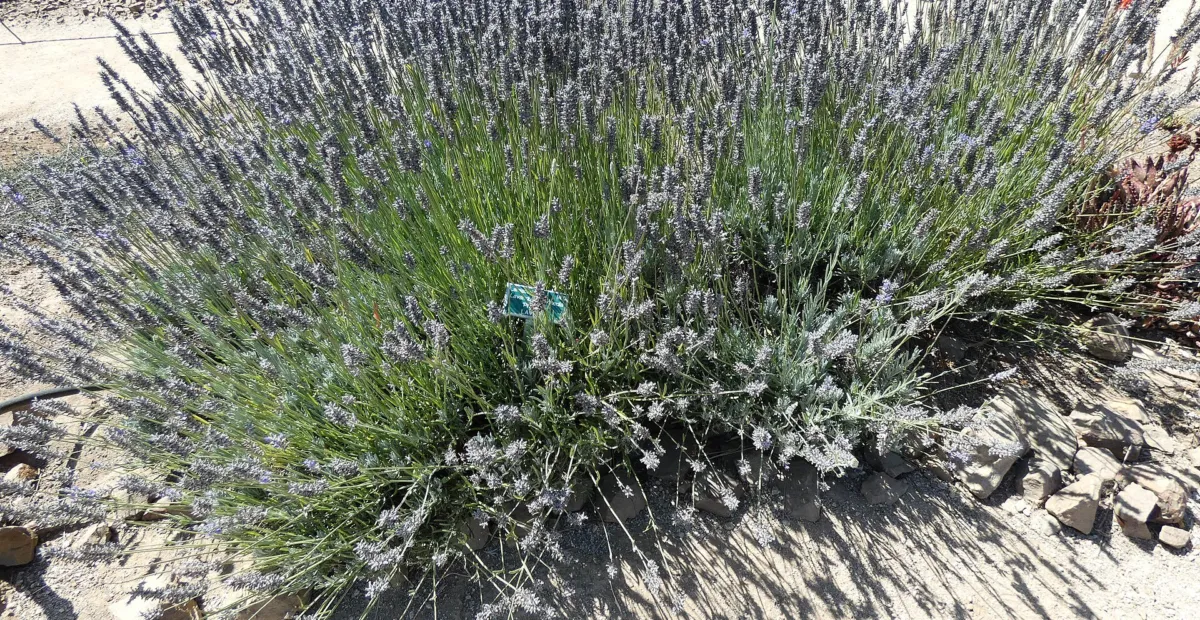
The plant has narrow, linear, gray-green to silver leaves with a soft aromatic surface and square young stems typical of the mint family. Upright flower stalks rise above the foliage and carry elongated terminal spikes. The overall impression is a larger, more open and longer-spiked lavender than many compact English lavender cultivars.
Flowering
This hybrid produces upright, often long flower stems above aromatic silver-gray foliage. The main display is usually in summer, with flowering strongest when plants receive full sun, lean soil, and restrained nitrogen. Removing spent spikes can improve appearance and may encourage limited rebloom, depending on cultivar and climate.
Pollination and visitors
The nectar-rich flowers are visited by bees, bumblebees, butterflies, and other insects. Attraction is strongest in sunny, undisturbed plantings with multiple flowering stems; visitor composition varies by region and season.
Lavandula intermedia photos
Click any photo for a larger view. Source, author and license are shown separately.
Diseases and pests
Diseases
Root rot and crown decline are the principal concerns in wet, cold, or poorly drained soil. Improve drainage, avoid frequent shallow irrigation, and remove affected plants rather than repeatedly rewatering them. Leaf spots and vascular diseases can occur; provide air movement, sanitize tools, and avoid overhead watering.
Pests
Aphids, spittlebugs, whiteflies, leafhoppers, and occasional mites may occur. Inspect new growth, encourage beneficial insects, and use a strong water spray or a labeled low-impact treatment only when needed. Avoid routine broad-spectrum insecticides during bloom.
Related diseases and pests
Only Plant Doctor profiles whose host data indicate this plant may be affected are shown here.
 DiseaseCitrus brown rot caused by Phytophthora citrophthoraPhytophthora citrophthora
 DiseaseStolbur Phytoplasma Disease‘Candidatus Phytoplasma solani’
 DiseasePhytophthora cactorum crown, collar, root and fruit rotPhytophthora cactorum
 PestBroad mitePolyphagotarsonemus latus (Banks)
 DiseaseAlternaria leaf spot and fruit rotAlternaria alternata
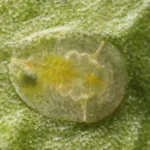 PestCitrus whiteflyDialeurodes citri
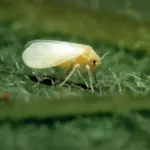 PestSweetpotato whiteflyBemisia tabaci species complex
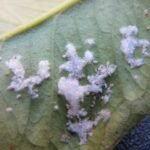 PestWoolly whiteflyAleurothrixus floccosus
Toxicity and pollen
Direct, species-specific toxicity evidence for Lavandula intermedia is limited. Lavender oils and plant material contain aromatic compounds that may cause irritation or gastrointestinal upset if eaten in quantity. Avoid concentrated essential-oil exposure and do not use the plant as a food or remedy without reliable product-specific guidance.
- Typical season
- Flowering season, usually June–August in much of the United States
- Pollination / pollen
- Insect-carried pollen
Lavandin is primarily insect-pollinated, so its pollen is not typically dispersed in large airborne clouds like wind-pollinated trees and grasses. Sensitive people may still react to fragrant flowers, handling, dust, or concentrated oils; an exact hybrid-specific allergy profile is not well established.
Native habitat
Its parentage comes from Mediterranean western Europe, and the hybrid is associated with warm, sunny, seasonally dry conditions. In cultivation it favors rocky, sandy, or otherwise fast-draining soils and is poorly adapted to saturated winter ground or persistently humid, stagnant sites.
Interesting fact
Lavandula intermedia is a hybrid between English lavender and spike lavender. It is commonly called lavandin in horticultural and botanical literature, but no verified U.S. local common name was supplied for this record. Many named cultivars are sterile and are maintained through cuttings.
Frequently asked questions (FAQ)
The most relevant questions about this plant, with short and direct answers.
🌱Quick care
What is Lavandula intermedia?⌄
Lavandula intermedia is a hybrid lavender, commonly called lavandin, produced from English lavender and spike lavender. It is a fragrant, woody perennial grown for purple summer flower spikes, foliage, and essential oil.
How much sun does Lavandula intermedia need?⌄
Give Lavandula intermedia full sun, ideally at least 6 hours of direct sunlight daily. Plants grown in insufficient light often become floppy, sparse, and less floriferous.
How often should I water Lavandula intermedia?⌄
Water newly planted Lavandula intermedia regularly during its first growing season, then water only during prolonged drought once established. Let the soil dry between waterings because consistently wet roots can cause decline and root rot.
Is Lavandula intermedia easy to grow?⌄
Yes, Lavandula intermedia is relatively easy to grow when planted in full sun and sharply drained soil. The main causes of failure are overwatering, poor air circulation, heavy soil, and cutting into old woody stems.
🌤️Environment and placement
What USDA hardiness zone is Lavandula intermedia?⌄
Lavandula intermedia is generally hardy in USDA Zones 5–9, but survival varies by cultivar, drainage, winter moisture, and exposure. Check the hardiness rating of the specific cultivar, especially in cold or wet regions.
Where should I plant Lavandula intermedia?⌄
Plant Lavandula intermedia in a sunny, open location with excellent drainage, such as a raised bed, gravel garden, rock garden, or south-facing border. Avoid low spots where water collects and sheltered areas with poor air movement.
What type of soil does Lavandula intermedia need?⌄
Use sandy or loamy soil that drains sharply and is not overly rich. Heavy clay should be amended by improving drainage or replaced with a raised, gravelly planting area rather than simply adding organic matter to the planting hole.
Can Lavandula intermedia grow in clay soil?⌄
Lavandula intermedia can struggle in clay soil unless drainage is substantially improved. Plant it on a mound or in a raised bed with coarse, well-drained soil, and avoid frequent irrigation.
Can Lavandula intermedia grow in containers?⌄
Yes, Lavandula intermedia grows well in containers with drainage holes and a gritty, fast-draining potting mix. Containers dry out faster than garden beds, but the plant should still be watered only after the mix has partly dried.
How large does Lavandula intermedia get?⌄
Many Lavandula intermedia cultivars mature at about 18 to 36 inches tall and wide, although vigorous selections can become larger. Confirm the mature size of the named cultivar before spacing plants or creating a hedge.
💧Care and problems
Why is my Lavandula intermedia turning brown?⌄
Brown foliage or stems commonly result from winter wet, root rot, drought stress, or cold damage. Check the roots and soil moisture first, improve drainage, and wait until spring growth appears before removing apparently dead stems.
Why is my Lavandula intermedia dying after winter?⌄
Winter death is often caused by wet soil combined with freezing temperatures rather than cold alone. Improve drainage, avoid fall overwatering, and delay major pruning until new growth shows which stems survived.
Should I fertilize Lavandula intermedia?⌄
Usually, Lavandula intermedia needs little or no fertilizer in reasonably fertile soil. Excess nitrogen can produce weak, leafy growth and fewer flowers, so use only a light, balanced feeding if the plant shows a confirmed nutrient deficiency.
How do I prevent root rot in Lavandula intermedia?⌄
Prevent root rot by planting in sharply drained soil, spacing plants for airflow, and allowing the root zone to dry between waterings. Do not place lavender on an automatic irrigation schedule unless the soil dries sufficiently between cycles.
What pests affect Lavandula intermedia?⌄
Lavandula intermedia usually has few serious insect pests because of its aromatic foliage. Problems are more often caused by wet roots, poor airflow, fungal disease, or winter injury than by insects.
🪴Planting and repotting
When is the best time to plant Lavandula intermedia?⌄
Plant Lavandula intermedia in spring after the danger of severe frost has passed, or in early fall while roots still have time to establish. In cold or wet climates, spring planting is usually the safer choice.
How far apart should I plant Lavandula intermedia?⌄
Space Lavandula intermedia according to the cultivar’s mature width, commonly about 24 to 36 inches apart for individual plants. For a hedge, closer spacing gives faster coverage but increases the need for airflow and careful watering.
Can I transplant Lavandula intermedia?⌄
You can transplant young Lavandula intermedia, preferably in spring or early fall, but established woody plants may recover slowly. Lift as much of the root ball as possible, replant at the original depth, and water sparingly while it reestablishes.
✂️Propagation and pruning
How do I propagate Lavandula intermedia?⌄
Propagate Lavandula intermedia primarily from cuttings because named hybrids do not reliably reproduce their characteristics from seed. Take healthy nonflowering shoots, remove the lower leaves, and root them in a porous, lightly moist medium.
Can I grow Lavandula intermedia from seed?⌄
You can grow lavender from seed, but Lavandula intermedia is a hybrid and seedlings may differ from the parent or have poor fertility. Use cuttings when you want a plant that matches a particular lavandin cultivar.
How do I prune Lavandula intermedia?⌄
Prune Lavandula intermedia lightly after flowering or in spring after new growth begins, removing spent flower stems and shaping the green growth. Never cut deeply into bare, old wood because lavender often cannot regenerate from it.
Can I cut Lavandula intermedia back hard?⌄
Avoid hard pruning into the woody base of Lavandula intermedia because it may fail to resprout. If the plant is overgrown, reduce it gradually over multiple seasons or replace it with a young propagated plant.
When should I harvest Lavandula intermedia flowers?⌄
Harvest flower stems when the buds are developed and just beginning to open for a strong fragrance and good drying quality. Cut stems after the morning dew has dried, then bundle them loosely and dry them in a dark, well-ventilated place.
⚠️Toxicity and safety
Is Lavandula intermedia poisonous to people?⌄
Evidence specific to Lavandula intermedia is limited, so do not assume that the plant or its concentrated oil is safe to ingest. Keep essential oils away from children, and contact Poison Control at 1-800-222-1222 after an ingestion or concerning exposure.
Can you eat Lavandula intermedia flowers?⌄
Do not use Lavandula intermedia flowers as food unless the plant has been positively identified, grown without pesticides, and the cultivar is specifically sold or documented for culinary use. The hybrid’s exact culinary safety is less established than its ornamental and aromatic uses.
Is Lavandula intermedia essential oil safe to use?⌄
Lavandula intermedia essential oil is highly concentrated and should not be swallowed or applied undiluted to skin. Follow the product label, keep it away from children and pets, and seek poison-control guidance after accidental ingestion.
🌸Flowering and special interest
When does Lavandula intermedia bloom?⌄
Lavandula intermedia usually blooms in summer, often later and with longer stems than many English lavender cultivars. Exact timing depends on the cultivar, latitude, winter conditions, and spring temperatures.
Why is my Lavandula intermedia not blooming?⌄
Insufficient sun, excessive nitrogen, overwatering, immature growth, or overly aggressive pruning can reduce flowering. Move container plants into full sun, improve drainage, avoid heavy feeding, and prune only into living green growth.
Does Lavandula intermedia attract bees and butterflies?⌄
Yes, the fragrant flower spikes of Lavandula intermedia attract bees and other nectar-seeking pollinators. Growing it in full sun and avoiding broad-spectrum insecticides helps preserve its value to pollinators.
Is Lavandula intermedia fragrant?⌄
Yes, Lavandula intermedia is strongly fragrant, with aromatic foliage and flower spikes. Its fragrance and long stems are important reasons lavandin cultivars are grown for dried flowers, sachets, and commercial oil production.
Similar plants
 Spanish lavender (Lavandula pedunculata) care guideLavandula pedunculata
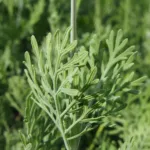 Fernleaf lavender and jagged lavender) is a species of flowering plant in the mint family (Lavandula pinnata) care guideLavandula pinnata
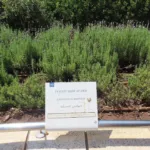 Lavandula dentata care guideLavandula dentata
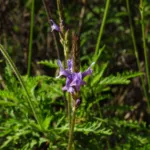 Canary Island Lavender (Lavandula canariensis) care guideLavandula canariensis
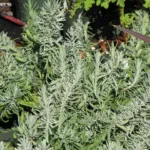 Lavende (Lavandula angustifolia) care guideLavandula angustifolia
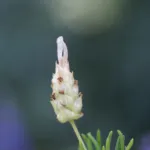 Green lavender or white lavende (Lavandula viridis) care guideLavandula viridis