
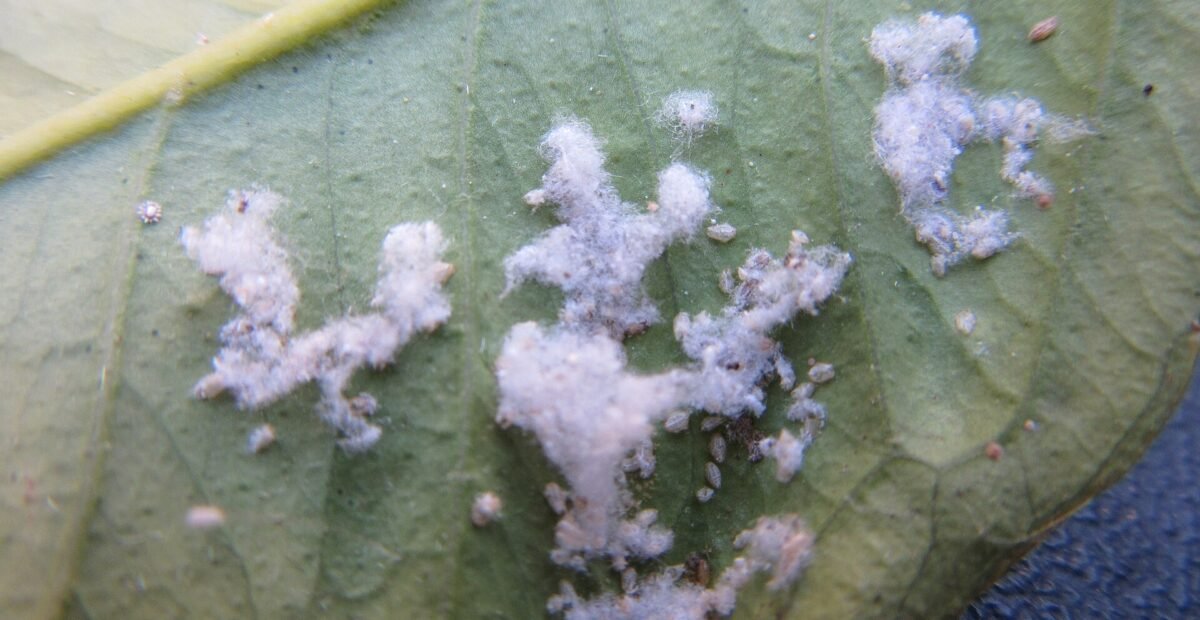
Woolly whitefly
Aleurothrixus floccosusWoolly whitefly overview
Woolly whitefly, Aleurothrixus floccosus, is a sap-feeding insect that primarily attacks citrus and may also occur on Eugenia. Immature stages live on leaf undersides and produce conspicuous curly, cottony wax. Heavy infestations can weaken new flush, cause leaf drop, and coat foliage and fruit with honeydew and sooty mold, although natural enemies often keep populations below damaging levels.
Typical conditions
Overview
Woolly whitefly is most often noticed during periods of active citrus growth. Adults are small and white, while nymphs and pupae remain attached to the underside of leaves and produce abundant, curly wax filaments. Feeding removes plant sap and can reduce vigor when populations are high.
The insect also excretes honeydew. This sticky material supports dark sooty mold on leaves, twigs and sometimes fruit. In Florida citrus, whiteflies are frequently suppressed by parasitoids, predators and entomopathogenic fungi, so treatment is generally justified only when monitoring shows a damaging population or biological control has been disrupted.
Symptoms and identification
- Clusters of pale, oval immature stages on the undersides of leaves.
- Dense, curly or wool-like white wax surrounding nymphs and pupae.
- Adult whiteflies rising from disturbed foliage, especially around tender new flush.
- Sticky honeydew on leaves, branches or fruit followed by black sooty mold.
- With heavy feeding, reduced vigor, leaf yellowing, wilting, premature leaf drop and weakened new growth may occur.
Woolly whitefly can be confused with other whiteflies, mealybugs or cottony scale. The fluffy wax is suggestive but not always sufficient for a reliable species identification.
Causes and spread
Adults colonize young citrus flush and females lay eggs in clusters on leaves. Nymphs remain on the leaf underside while feeding, so infestations can be missed during casual inspection. Spread occurs through adult flight, movement of infested nursery stock and transport of infested leaves or branches.
Populations are more likely to increase where citrus produces repeated flushes, canopies are dense, nitrogen is excessive, or broad-spectrum insecticides reduce parasitoids and predators. Ant activity may also protect honeydew-producing insects from natural enemies, although ants are not the primary cause of infestation.
Life cycle and persistence
Females attach beige eggs to the leaf by short stalks, commonly in clusters. After hatching, young crawlers settle and begin feeding. Later nymphal stages remain immobile or nearly immobile, enlarge, and produce increasing amounts of wax before emerging as adults. Several overlapping generations may occur in warm climates, and development is concentrated on active new growth. Exact generation time varies with temperature, host condition and season.
Treatment and control
Begin with inspection and monitoring rather than calendar spraying. Examine several leaves from each side of the canopy, recording live nymphs, wax-covered colonies, adults and signs of parasitism. If infestations are light, wash foliage with a firm stream of water and remove the most heavily infested leaves on small plants.
For persistent infestations, improve canopy access, manage ants, and target treatments at young nymphs because adults are mobile and wax-covered stages are more difficult to contact. Horticultural oil or insecticidal soap may reduce exposed stages when thorough coverage of leaf undersides is possible, but plant-safety testing and label directions are essential. Do not apply oils during heat stress, drought stress or conditions restricted by the product label.
In commercial citrus, coordinate intervention with local scouting, extension recommendations and preservation of biological control. A high number of whiteflies alone does not always indicate that treatment is needed if natural enemies are actively suppressing the population.
Low-impact and biological control
- Conserve parasitoid wasps, predatory beetles, lacewings and other natural enemies by avoiding unnecessary broad-spectrum sprays.
- Maintain plant diversity and flowering resources that support adult parasitoids and predators, while avoiding dense vegetation that contacts citrus foliage.
- Manage ants that protect honeydew-producing insects and interfere with beneficial arthropods.
- Use water sprays, pruning of localized colonies and carefully applied horticultural oil or insecticidal soap where permitted by the product label.
- Some whitefly-suppressing fungi, including Aschersonia species, and parasitoids such as Amitus and Eretmocerus have been associated with woolly whitefly biological control. Their effectiveness depends on climate, formulation, timing and local availability.
Prevention
- Inspect new citrus growth and leaf undersides regularly, especially during spring and summer flushes in warm U.S. regions.
- Quarantine and closely inspect newly purchased citrus or Eugenia plants before placing them near established trees.
- Prune selectively to improve airflow and spray coverage, but avoid excessive pruning that stimulates lush, tender regrowth.
- Use balanced fertilization and avoid unnecessary high-nitrogen applications.
- Control ants when they are tending honeydew-producing insects and interfering with natural enemies.
- Remove heavily infested leaves or shoots from small landscape plants and dispose of them in sealed bags; do not move infested plant material.
- Avoid routine, broad-spectrum insecticide applications that can trigger secondary outbreaks by killing parasitoids and predators.
Interesting facts
- The species is commonly called woolly whitefly because its immature stages are covered with curly, cottony wax rather than a simple smooth wax fringe.
- Adults are less diagnostic than nymphs; identification is usually more reliable from the wax-covered immature stages and their arrangement on the leaf underside.
- Honeydew and sooty mold can make an infestation look worse than the direct feeding injury alone, because the mold darkens otherwise healthy leaf surfaces.
- In warm citrus-growing areas of the United States, natural enemies often maintain whitefly populations at low levels.
- Documented host records and pest importance vary by region. Citrus is the principal practical host group in U.S. horticultural guidance, while some databases also record Eugenia and additional hosts.
Use only pesticide products legally authorized for woolly whitefly on the specific crop and site in the United States. Follow the current product label exactly, including crop/site approval, rates, personal protective equipment, reentry interval, preharvest interval, spray restrictions and environmental precautions. Confirm current state registration and consult a county Extension specialist or licensed pest professional before treatment. Do not infer legality from a product’s use on another whitefly, crop or state.
Affected plants
The plants below are linked to this problem by structured host-plant data. The list updates automatically as new plant profiles are added.
 Papaya (Carica papaya) care guideCarica papaya
 Rattlesnake-plant (Goeppertia insignis) care guideGoeppertia insignis
 Zebra-plant (Goeppertia zebrina) care guideGoeppertia zebrina
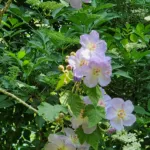 Corynabutilon vitifolium care guideCorynabutilon vitifolium
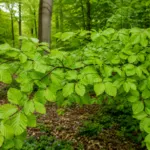 Fagus sylvatica care guideFagus sylvatica
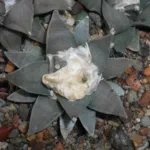 Ariocarpus ‘Retusus’Ariocarpus 'Retusus'
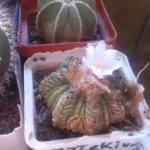 Aztekium ritteri care guideAztekium ritteri
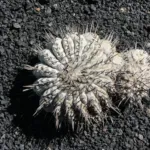 Copiapoa ‘Cinerea’Copiapoa 'Cinerea'
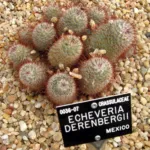 Mammillaria bombycina care guideMammillaria bombycina
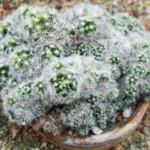 Carmen (Mammillaria carmenae ‘Carmen’)Mammillaria carmenae 'Carmen'
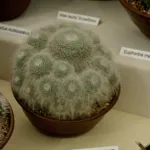 Old woman cactus (Mammillaria hahniana) care guideMammillaria hahniana
 Micranthocereus albicephalus care guideMicranthocereus albicephalus