
 Source:
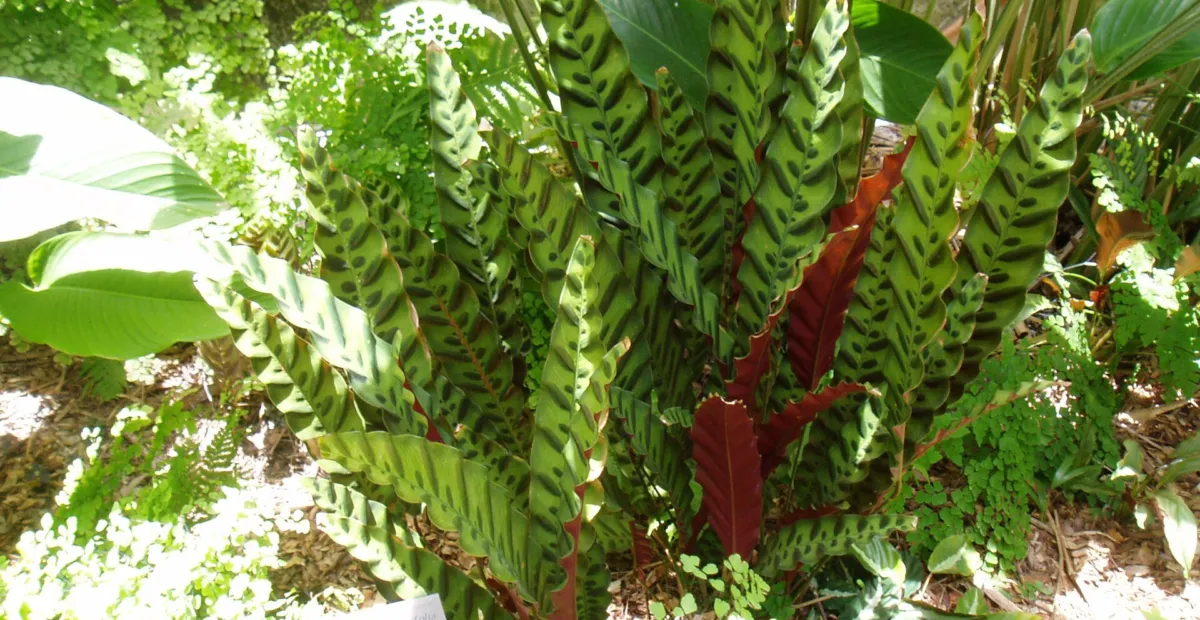
 Rattlesnake-plant (Goeppertia insignis) short overview
Goeppertia insignis, commonly called rattlesnake-plant, is a tropical Brazilian foliage plant with boldly patterned leaves, purple undersides, and a graceful prayer-plant movement. In the United States it is usually grown indoors, where filtered light, evenly moist soil, warmth, and high humidity help preserve its vivid markings and prevent brown leaf edges. An evergreen tropical rhizomatous perennial from southeastern Brazil, grown mainly for its patterned foliage. It forms a spreading clump of long, wavy-edged leaves marked with alternating dark green spots and purple undersides. Small pale green to yellow flowers are uncommon indoors.
Taxonomic classification
Rattlesnake-plant (Goeppertia insignis) care guide
Light and placement
Provide bright filtered light or partial shade. An east- or north-facing window, or a spot several feet back from a bright south- or west-facing window behind a sheer curtain, is suitable. Too much direct sun bleaches or scorches the leaves; too little light causes slower growth, weaker pattern contrast, and fewer flowers.
Watering and humidity
Water when the surface begins to dry, then soak the mix thoroughly and let excess drain. Keep the root zone evenly moist but never saturated. Use room-temperature, low-mineral water when possible because fluoride and salts can contribute to brown tips. Water somewhat less in winter, while maintaining humidity and preventing complete drying.
Soil and growing medium
Use a loose, moisture-retentive but well-drained indoor mix based on peat or coco coir, fine bark, and perlite. The substrate should hold gentle, even moisture without becoming airless. A slightly acidic mix is suitable; avoid compacted garden soil and containers without drainage holes.
Feeding
Feed during active spring and summer growth with a balanced liquid houseplant fertilizer diluted to half strength about monthly. Apply to already moist soil, not dry roots. Reduce or stop feeding during slow winter growth, after repotting, or when the plant is stressed, salt-encrusted, or suffering from root problems.
Growth and habit
This evergreen rhizomatous perennial forms a spreading, clumping rosette of leaves from short underground stems. Growth is strongest in warm, humid conditions. New divisions may pause after planting; stable moisture, gentle light, and warmth help the clump re-establish.
Planting and repotting
In the United States, plant outdoors only in frost-free tropical conditions; elsewhere use a container indoors. Set the root mass at its existing soil level and allow space for the clump to spread. Establish it in warm, shaded conditions and avoid exposing newly transplanted foliage to direct sun.
Repot in spring or early summer when roots fill the container or the mix has broken down. Move up only one pot size, keep the rhizome at its original depth, and water thoroughly after transplanting. Avoid unnecessary root disturbance because recovery can be slow.
Propagation and pruning
Propagation
Division is the practical method. In late spring or early summer, separate a healthy established clump so each division retains roots and several shoots. Pot divisions into a well-drained moist mix and keep them warm, shaded, and humid until new growth resumes.
Pruning
Little pruning is needed. Remove fully brown, damaged, or diseased leaves at the base with clean scissors. Do not routinely trim healthy leaf margins; brown edges indicate an environmental or root-zone issue that should be corrected separately.
Overwintering
Keep indoors before temperatures approach 60°F, with protection from cold windows and drafts. Maintain warmth, filtered light, and humidity through winter. Growth usually slows, so reduce watering frequency and discontinue fertilizer until active growth returns.
Uses
Primarily used as an indoor ornamental foliage plant, tabletop or floor specimen, terrarium subject, and greenhouse accent. Its patterned leaves provide year-round interest. It has no well-supported culinary or medicinal use for home gardening.
Appearance
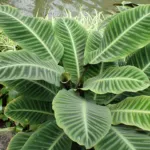
Leaves are long, narrow, lance-shaped, and edged with pronounced waves. Each blade has alternating small and large dark green oval markings along the midrib, creating the rattlesnake-like pattern behind the common name. The undersides are purple to burgundy. Leaves fold upward at night and reopen with light.
Flowering
Small pale green to yellow flowers may appear in short conical spikes from late spring into early summer on outdoor or strongly established plants. Flowering is uncommon indoors, and the species is primarily cultivated for its foliage rather than its blooms.
Pollination and visitors
Reliable species-specific records of animal pollinators were not located. As a Marantaceae member, its flowers have specialized structures associated with insect pollination, but the principal visitors for this exact species remain insufficiently documented.
Diseases and pests
Diseases
Root rot is associated with waterlogged mix and poor drainage. Fungal leaf spots may develop when foliage stays wet or air circulation is poor. Remove damaged leaves, improve drainage and airflow, water at the soil surface, and isolate plants showing rapidly spreading lesions.
Pests
Inspect regularly for spider mites, mealybugs, scale, aphids, and whitefly, especially in dry indoor air. Wipe leaves gently, isolate affected plants, and use horticultural soap or another labeled treatment as needed. Avoid routine pesticide use without confirming the pest and following the product label.
Related diseases and pests
Only Plant Doctor profiles whose host data indicate this plant may be affected are shown here.
 Environmental stressPoor drainage stress (waterlogging)
 PestMealy Plum AphidHyalopterus pruni (Geoffroy, 1762)
 DiseaseAlternaria leaf spot and fruit rotAlternaria alternata
 Environmental stressWaterlogging
 PestObscure mealybugPseudococcus viburni
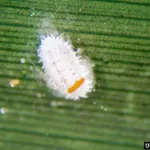 PestCitrus mealybugPlanococcus citri
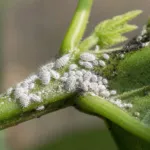 PestCotton mealybugPhenacoccus solenopsis Tinsley
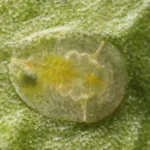 PestCitrus whiteflyDialeurodes citri
Toxicity and pollen
ASPCA lists Calathea species and the former Calathea insignis name as non-toxic to dogs and cats. No species-specific human poisoning evidence was identified in the reviewed sources. Eating plant material can still cause mild stomach upset, and pesticides or potting materials may present separate risks.
- Pollination / pollen
- Flower pollen; airborne-allergy characteristics not well documented
This plant produces pollen when it flowers, but it is generally grown indoors and flowering is uncommon in household conditions. A species-specific airborne-allergy profile was not found, so allergy risk should be treated as unknown rather than assumed to be zero.
Native habitat
The species is native to wet tropical vegetation in Rio de Janeiro, southeastern Brazil. It is associated with warm, humid forest conditions and filtered understory light rather than exposed, dry sites. Container culture should reproduce those stable moisture and humidity conditions.
Interesting fact
The leaves fold upward at night in a nyctinastic movement, which gives prayer-plant relatives their common group name. The alternating leaf markings resemble rattlesnake skin. The accepted name Goeppertia insignis replaced older horticultural names including Calathea insignis and Calathea lancifolia.
Frequently asked questions (FAQ)
The most relevant questions about this plant, with short and direct answers.
🌱Quick care
What is the Rattlesnake-plant (Goeppertia insignis)?⌄
The Rattlesnake-plant is a tropical, clump-forming perennial in the prayer-plant family, Marantaceae. It is grown mainly for its wavy, patterned leaves with purple undersides.
How do you care for a Rattlesnake-plant indoors?⌄
Give it bright filtered light or partial shade, evenly moist well-drained soil, warm temperatures, and moderate to high humidity. Protect it from direct sun, drafts, and sudden temperature changes.
Is Goeppertia insignis a Calathea?⌄
Goeppertia insignis is the accepted botanical name for a plant long sold as a rattlesnake Calathea. Older labels may also use Calathea lancifolia or Calathea insignis.
How large does a Rattlesnake-plant get indoors?⌄
An indoor Rattlesnake-plant commonly reaches about 1 to 2 feet tall and wide. Its long leaves can approach 18 inches under favorable conditions.
🌤️Environment and placement
How much light does a Rattlesnake-plant need?⌄
Provide bright filtered or indirect light, or partial shade. Gentle early-morning sun may be tolerated, but strong direct afternoon sunlight can scorch and fade the leaves.
Can a Rattlesnake-plant grow in low light?⌄
It can tolerate lower indoor light, but very dim conditions may slow growth and reduce the contrast of its leaf markings. A bright north- or east-facing location with filtered light is usually suitable.
What temperature is best for Goeppertia insignis?⌄
Keep it warm, ideally around 65–75°F indoors, and avoid cold drafts or abrupt temperature changes. It is frost tender and should be protected from temperatures near freezing.
How much humidity does a Rattlesnake-plant need?⌄
Moderate to high humidity helps keep the leaves attractive and reduces crispy edges. A humidifier is generally more dependable than occasional misting, especially during dry winter heating.
Can I keep a Rattlesnake-plant in a bathroom?⌄
A warm bathroom with bright filtered light can suit it because bathrooms are often more humid. Do not place it in a cold, dark bathroom or directly beside a drafty window.
Can Goeppertia insignis grow outdoors in the United States?⌄
It can grow outdoors year-round only in frost-free tropical conditions, roughly USDA Zones 11–12. In most of the United States, grow it indoors and move it outside only during warm weather in a shaded, sheltered spot.
💧Care and problems
How often should I water a Rattlesnake-plant?⌄
Water when the surface begins to dry, keeping the potting mix evenly moist but not saturated. Watering frequency varies with light, temperature, pot size, and season, so check the soil rather than following a fixed schedule.
What type of water is best for Goeppertia insignis?⌄
Filtered, distilled, or rainwater is often best, particularly where tap water is hard or high in minerals. Sensitive plants may develop brown leaf edges from long-term exposure to mineral-rich or chemically treated water.
Why are my Rattlesnake-plant leaves turning brown and crispy?⌄
Brown, crispy edges usually result from dry air, inconsistent watering, strong direct sun, or mineral buildup from tap water. Improve humidity, keep moisture more consistent, use lower-mineral water, and check that the plant is not receiving harsh sunlight.
Why are my Rattlesnake-plant leaves curling?⌄
Leaves commonly curl when the plant is too dry, exposed to low humidity, or stressed by temperature changes. Water thoroughly when the mix begins to dry and provide a stable, humid environment.
Why are my Rattlesnake-plant leaves turning yellow?⌄
Yellow leaves can indicate either overwatering and poor drainage or prolonged dryness. Check the roots and soil moisture before changing your watering routine, because both extremes can produce similar symptoms.
Why is my Rattlesnake-plant drooping?⌄
Drooping may follow underwatering, low humidity, cold exposure, root problems, or transplant stress. If the soil is wet for a long time, inspect drainage and roots rather than watering again.
What pests attack Goeppertia insignis?⌄
Common pests include spider mites, mealybugs, scale, aphids, and whiteflies. Inspect leaf undersides and treat an infestation promptly with a suitable houseplant pest-control method.
How should I clean Rattlesnake-plant leaves?⌄
Gently wipe dusty leaves with a clean, soft, damp cloth. Avoid abrasive products and avoid routinely wetting the foliage late in the day, since prolonged moisture can encourage leaf spotting.
What fertilizer does a Rattlesnake-plant need?⌄
Use a balanced liquid houseplant fertilizer at reduced strength during active spring and summer growth. Fertilize less often or stop during winter, and avoid heavy feeding because salt buildup can damage the leaf edges.
🪴Planting and repotting
What soil is best for Goeppertia insignis?⌄
Use a moisture-retentive but well-drained, slightly acidic potting mix rich in organic matter. The container must drain freely because constantly soggy soil can cause root rot.
What type of pot is best for a Rattlesnake-plant?⌄
Choose a pot with drainage holes and a size only slightly larger than the root ball. Oversized containers hold excess moisture and increase the risk of root problems.
When should I repot a Rattlesnake-plant?⌄
Repot in spring when roots circle the container, emerge from drainage holes, or the mix drains poorly. Move it into only the next pot size and keep the plant evenly moist while it recovers.
How do I prevent root rot in Goeppertia insignis?⌄
Prevent root rot by using a draining pot and moisture-retentive mix while avoiding standing water and prolonged saturation. Let the surface begin to dry before watering again, but do not allow the root ball to become completely dry.
✂️Propagation and pruning
How do you propagate a Rattlesnake-plant?⌄
The most reliable method is division during repotting. Separate established clumps while keeping roots and growing points attached to each division, then pot them in moist, well-drained mix.
Can you propagate Goeppertia insignis from a leaf cutting?⌄
A single leaf cutting generally cannot produce a new Rattlesnake-plant because propagation requires a section with roots and a growing point. Division of the rhizomatous clump is the practical home method.
Should I prune a Rattlesnake-plant?⌄
Routine shaping is not necessary because the plant naturally forms a rounded clump. Remove badly damaged or fully brown leaves at the base with clean scissors, while correcting the cause of the damage.
⚠️Toxicity and safety
Is Goeppertia insignis toxic to cats and dogs?⌄
Goeppertia insignis is considered non-toxic to cats and dogs. Pets may still experience mild digestive upset after eating any plant material, so discourage chewing and contact a veterinarian if concerning symptoms occur.
Is the Rattlesnake-plant safe for children?⌄
It is generally regarded as a non-toxic ornamental plant, but it should not be treated as edible. Keep soil, fertilizer, and plant pieces away from young children.
🌸Flowering and special interest
Does a Rattlesnake-plant flower indoors?⌄
It can flower, but indoor flowering is uncommon and usually not the main ornamental feature. Mature plants grown in warm, humid outdoor or greenhouse conditions are more likely to produce small pale yellow to green flowers.
Why does my Rattlesnake-plant fold its leaves at night?⌄
Leaf folding at night is a normal prayer-plant movement called nyctinasty. The leaves commonly rise or fold after dark and reopen in the morning, although stress can make the movement less pronounced.
Similar plants
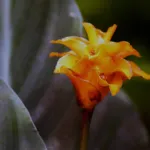 Eternal Flame (Goeppertia crocata) care guideGoeppertia crocata
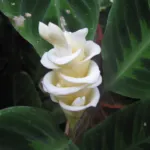 Goeppertia warscewiczii care guideGoeppertia warscewiczii
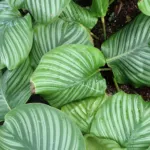 Goeppertia orbifolia care guideGoeppertia orbifolia
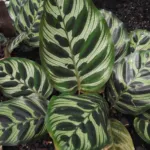 Peacock plant or cathedral windows (Goeppertia makoyana) care guideGoeppertia makoyana
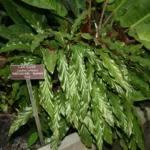 Due to its fuzzy (Goeppertia rufibarba) care guideGoeppertia rufibarba
 Zebra-plant (Goeppertia zebrina) care guideGoeppertia zebrina