
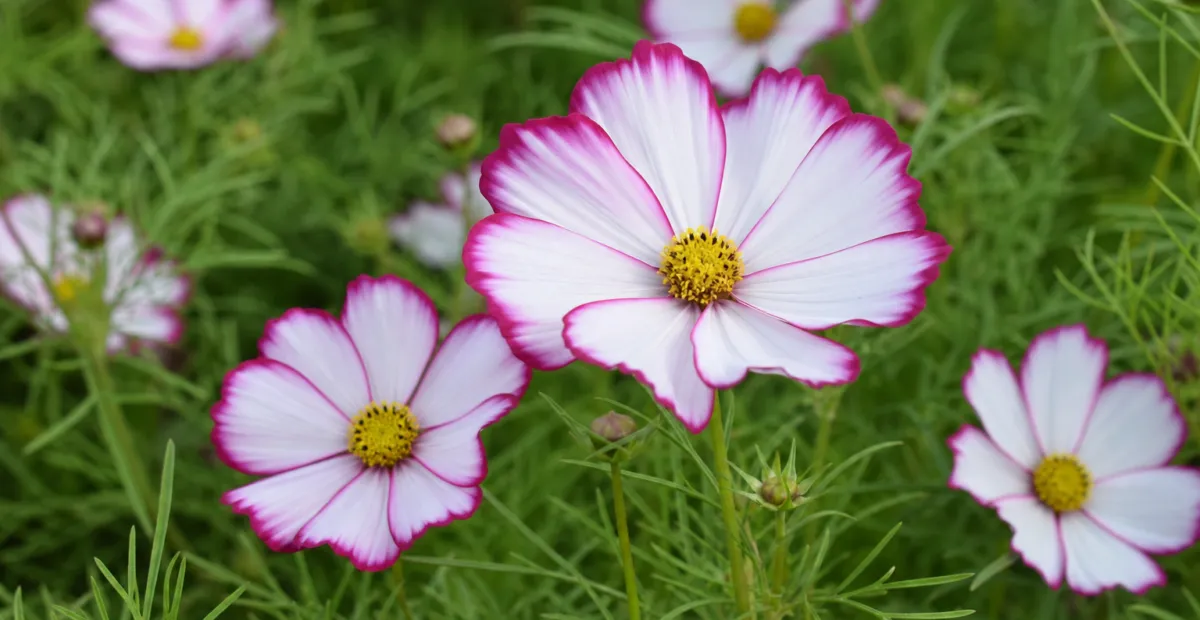
 AI-generated illustration
Picotee (Cosmos bipinnatus ‘Picotee’) short overview
Cosmos bipinnatus 'Picotee' is a striking annual cosmos with large, daisy-like flowers in white edged with rose to deep magenta and centered by yellow disc florets. It grows best in full sun, lean well-drained soil, and moderate moisture while establishing. Finely divided foliage gives the plant an airy texture, and regular deadheading can extend its summer-to-fall flowering. The cultivar suits borders, containers, cutting gardens, and pollinator-friendly plantings.
Taxonomic classification
Picotee (Cosmos bipinnatus ‘Picotee’) care guide
Light and placement
Give the plant full sun, ideally at least 6 hours of direct light with an open southern or western exposure. Morning sun with bright afternoon light is also effective. Too little light produces weak, stretched stems and fewer flowers; excessive reflected heat can cause temporary midday wilt, especially in containers, so provide consistent root moisture without shading the foliage.
Watering and humidity
Water deeply when the upper inch of soil becomes dry during establishment, then allow the surface to dry slightly between waterings. Established plants tolerate short dry periods but flower best with even, moderate moisture. Reduce watering in cool weather and avoid wetting the foliage late in the day. Containers may need more frequent checks than garden beds.
Soil and growing medium
Use average, loose soil that drains freely; sandy or loamy ground is suitable. Cosmos generally flowers better in lean soil than in heavily enriched beds. A slightly acidic to slightly alkaline reaction is tolerated. Avoid compacted sites that stay wet, especially in containers, where excess moisture can reduce vigor and encourage root problems.
Feeding
Feed sparingly. Incorporate a small amount of compost before planting only if the soil is poor, then avoid routine high-nitrogen fertilizer. Excess fertility can produce soft, leafy growth with fewer flowers. Container plants may receive a dilute balanced fertilizer occasionally if growth is pale or weak, but stop feeding late in the season.
Growth and habit
This is a fast-growing warm-season annual with slender, branching stems and an open, airy outline. Plants can become top-heavy or lean in exposed sites, especially when crowded or overfed. Cutting flowers regularly encourages branching and provides useful stems; deadheading helps maintain the display, while leaving a few heads supports self-sowing.
Planting and repotting
Sow outdoors after the danger of frost has passed and the soil has warmed, or start indoors several weeks earlier. Cover seed only lightly, approximately 1/4 inch, because light helps emergence. Thin or space plants so air can move through the foliage; provide early support in exposed locations.
Usually unnecessary when grown as a seasonal annual. If started indoors, transplant young seedlings before they become root-bound, disturbing the roots as little as possible. Choose a container with drainage holes and enough depth for the plant's tall, fine-stemmed habit.
Propagation and pruning
Propagation
Propagate by seed. Direct-sow after frost or start seed indoors several weeks before planting out. Seedlings transplant best while small. Plants may self-sow if mature seed heads are left in place, but offspring may not reproduce the cultivar's exact flower edging.
Pruning
Deadhead fading flowers regularly to prolong blooming and reduce unwanted reseeding. Harvesting stems also functions as light pruning and encourages additional branching. At the end of the season, remove spent annual growth after frost or leave selected seed heads until they mature.
Overwintering
Treat it as a seasonal annual. Plants are killed by freezing weather and are not reliably overwintered outdoors in the United States. Allow selected seed heads to mature for self-sowing, or collect dry seed and store it cool and dry for the following season.
Uses
Useful for sunny annual borders, cottage-style beds, cutting gardens, patio containers, and pollinator plantings. Cut stems when the first florets are opening for arrangements. Leaving some flower heads to mature can provide seed for self-sowing and may offer food for small seed-eating birds. No culinary or medicinal use is recommended without separate verified evidence.
Appearance
The stems are slender and green, bearing finely divided, thread-like leaves that give the plant a soft, ferny appearance. Flower heads are held on long stalks above the foliage. The cultivar is identified by its contrasting petal margin: white rays carry rose to deep magenta edging, often with stronger color toward the tips, surrounding a yellow center.
Flowering
The flower heads are capitula composed of showy ray florets around a central group of yellow disc florets. 'Picotee' is known for white rays with rose to deep magenta margins and may show variation in the intensity of the edging. Flowering typically continues from summer into fall, especially when spent heads are removed.
Pollination and visitors
Cosmos bipinnatus flowers provide nectar and pollen visited by bees, including honey bees, native solitary bees, and bumblebees. Butterflies and hoverflies may also visit open flower heads. The exact visitation profile can vary with local insect communities and with the flower form of a particular cultivar.
Diseases and pests
Diseases
Gray mold, powdery mildew, and stem canker may occur, especially where foliage remains crowded or wet. Improve spacing and air circulation, water at the soil surface, remove badly affected material, and avoid prolonged overhead wetting. Do not overfertilize, since lush growth can be more disease-prone.
Pests
Aphids, slugs, aster leafhopper, and gray looper moth may occur. Inspect new growth and leaf undersides, hand-pick slugs where practical, encourage beneficial insects, and use the least disruptive treatment needed. Avoid broad-spectrum insecticides when flowers are open and pollinators are active.
Related diseases and pests
Only Plant Doctor profiles whose host data indicate this plant may be affected are shown here.
 DiseaseAster yellows‘Candidatus Phytoplasma asteris’
 DiseaseSouthern blightAthelia rolfsii
 DiseaseGray MoldBotrytis cinerea
 DiseaseMaple powdery mildewSawadaea bicornis
 PestGray field slugDeroceras reticulatum
 DiseaseCucurbit Powdery MildewPodosphaera xanthii (Castagne) U. Braun & Shishkoff
 DiseaseRose powdery mildewPodosphaera pannosa
 DiseaseApple Powdery MildewPodosphaera leucotricha
Toxicity and pollen
A reliable authoritative toxicity listing for Cosmos bipinnatus 'Picotee' was not located in the reviewed sources. Do not treat the plant as edible or medicinal. As with any ornamental, prevent children and pets from chewing plant material and seek professional advice if ingestion causes symptoms.
- Typical season
- Typically June through October in much of the United States
- Pollination / pollen
- Insect-carried pollen
Cosmos is insect-pollinated, so its pollen is not dispersed like the abundant airborne pollen of wind-pollinated grasses or ragweed. However, the pollen is not allergen-free: regulatory allergy literature documents Cosmos pollen extracts and possible cross-reactivity within Asteraceae. Sensitive people should avoid rubbing the eyes after handling flowers and monitor personal reactions.
Native habitat
The species is native to Mexico and tropical America, where it occupies sunny, seasonally warm habitats and disturbed ground. In cultivation it tolerates a broad range of ordinary soils but performs best where drainage is good and fertility is not excessive. In the United States it is primarily a cultivated ornamental rather than a native regional wildflower.
Interesting fact
The cultivar name 'Picotee' refers to a contrasting colored edge on the petals. Cosmos flowers are capitula rather than single flowers. The species can readily reseed when mature heads are left in the garden. Its finely divided foliage creates a light, fern-like texture despite the plant's often tall habit.
Similar plants
 Azure Monkshood (Aconitum carmichaelii) care guideAconitum carmichaelii
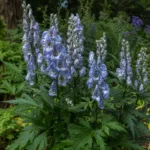 Monkshood (Aconitum ‘Stainless Steel’)Aconitum 'Stainless Steel'
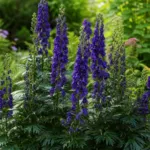 Monkshood (Aconitum ‘Bressingham Spire’)Aconitum 'Bressingham Spire'
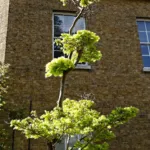 Golden full moon maple (Acer shirasawanum ‘Aureum’)Acer shirasawanum 'Aureum'
 Globosum (Acer platanoides ‘Globosum’)Acer platanoides 'Globosum'
 Striped maple (Acer pensylvanicum) care guideAcer pensylvanicum