
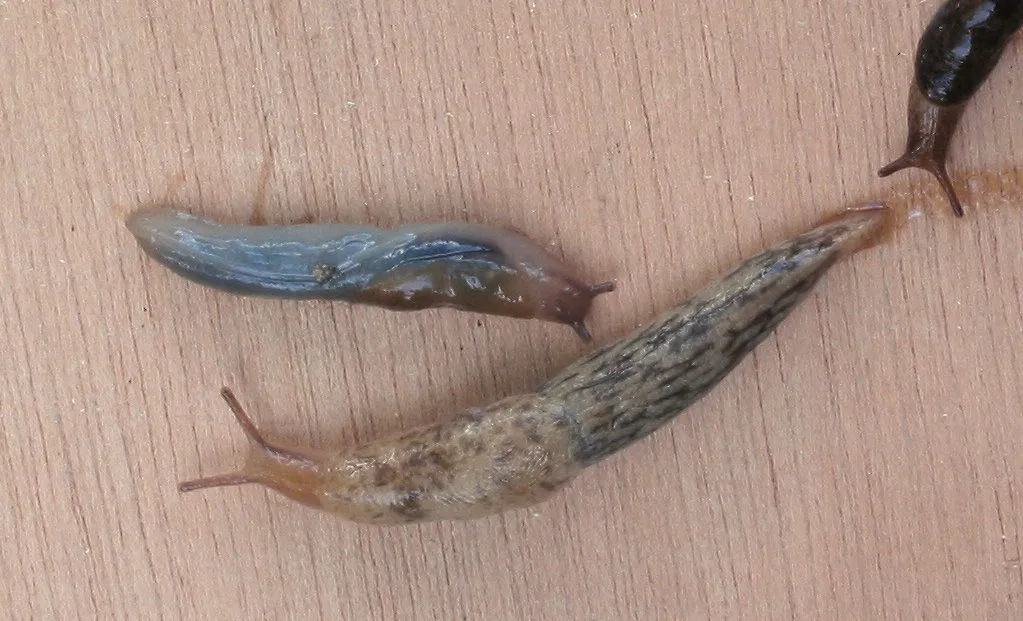
Gray field slug
Deroceras reticulatumGray field slug overview
The gray field slug, Deroceras reticulatum, is a shell-less mollusk and important pest of vegetable crops, strawberries, field crops, grasses, nurseries and seedlings in parts of the United States. It feeds mainly during cool, damp periods, scraping leaves and attacking growing points, seeds, roots, tubers and fruit. Correct identification requires attention to body markings, habitat, feeding pattern and slime trails because several slug species may occur together.
Typical conditions
Overview
The gray field slug is a small to medium-sized terrestrial slug with a mottled gray, cream or brown body and a relatively stout, cylindrical form. Adults are commonly about 0.5–0.75 inch long in crop situations, although size varies with age and conditions. A ridge or keel may be visible along the back.
It is widespread in agricultural and horticultural systems and is especially important where mild, wet conditions persist. Identification from color alone is unreliable: several slug species may feed on the same crop, and positive species confirmation may require specialist examination. Look for the combination of a mottled gray body, nocturnal activity, slime trails and characteristic scraping damage.
Symptoms and identification
Feeding produces irregular, ragged holes and scraped areas in leaves, often between veins. Young seedlings may be clipped, shredded or removed entirely, with damage concentrated near the soil line. Slugs may destroy growing points, hollow seeds, scar roots and tubers, or gouge holes in ripening fruit such as strawberries.
- Silvery slime trails on leaves, fruit, mulch, soil or nearby surfaces.
- Ragged chewing injury without the neat circular pattern typical of some caterpillars.
- Missing cotyledons, severed seedlings or thinning stands after emergence.
- Shallow scars, pits or galleries on roots and tubers.
- Small dark, sausage-shaped feces around damaged plant parts or shelter sites.
Inspect after dark or early in the morning, especially after rain or irrigation. During daylight, check beneath boards, stones, clods, mulch, plant crowns and surface residue.
Causes and spread
The pest is introduced and redistributed mainly with infested soil, plant material, containers, crop residue, equipment and other moist sheltered materials. Slugs move locally from field margins, weedy areas, neighboring beds and uncultivated ground into crops, especially where vegetation and surface debris provide continuous cover.
Population growth is favored by wet soil, cool temperatures, dense residue, no-till or reduced-tillage conditions, heavy weeds and poorly drained sites. Slugs can also be carried on harvested plants, nursery stock and Christmas trees, creating a quality and quarantine concern for some destinations.
Life cycle and persistence
Deroceras reticulatum is a simultaneous hermaphrodite, and self-fertilization can occur, although mating is common. Adults and juveniles shelter in moist soil cavities, cracks, residue and other protected sites during dry or hot periods.
Eggs are laid in clusters in moist cavities near the soil surface or beneath residue. They are initially clear or translucent and may become white as they mature. Hatching commonly takes roughly 2 weeks to 1 month, but eggs laid during late fall or winter may remain until favorable conditions return. In western Oregon, overlapping generations and two seasonal population peaks have been observed; timing elsewhere in the United States varies with temperature, moisture and crop system.
Adults may live approximately 6–18 months and can produce several hundred eggs over their lifetime. Activity generally increases after rain, during cool nights and in fall through spring. Warm, dry weather drives slugs deeper into soil cracks and reduces surface feeding, but irrigation can reactivate them.
Treatment and control
Confirm active slugs before treating. Search at night with a flashlight or inspect shelter boards the following morning. Measure plant loss and damage rather than assuming every hole is caused by D. reticulatum; cutworms, caterpillars, earwigs and other slugs can look similar.
For established infestations, combine habitat reduction, hand removal, monitoring and a legally labeled molluskicide when necessary. Baits are generally most useful when slugs are actively moving and feeding at the soil surface. Apply them evenly to the ground according to the current label, avoid piling granules, and reapply only as permitted by the label and local regulations. In commercial crops, coordinate treatment timing with crop-specific restrictions, harvest intervals and market requirements.
Low-impact and biological control
Use an integrated approach rather than relying on bait alone. Hand-pick slugs after dark or early in the morning and remove them from the production area. Set boards, shingles or inverted tiles on the soil as daytime shelters, inspect them regularly and remove the slugs found underneath.
- Reduce weeds, volunteer plants, fallen leaves, boards, stones and excessive surface residue near susceptible crops.
- Water early in the day when practical and avoid keeping mulch or foliage continuously wet.
- Use raised beds, improved drainage and a firm, well-prepared seedbed where appropriate.
- Protect vulnerable seedlings with physical barriers or covered propagation areas, while checking that covers do not create a persistently damp refuge.
- Conserve ground beetles and other predators by avoiding unnecessary broad-spectrum insecticides.
- Where permitted and suitable for the crop, use a labeled iron phosphate or sodium ferric EDTA bait according to the current organic certification and product-label requirements.
Beer or homemade bait traps may catch some slugs but generally provide inconsistent suppression and should not replace sanitation, monitoring and habitat reduction.
Prevention
Begin scouting before planting and continue through crop establishment, when seedlings are most vulnerable. Place monitoring boards or tiles in representative wet and weedy areas, inspect them in the morning, and also examine plants at night after rain or irrigation.
- Remove weeds and volunteer crop plants before planting.
- Clear unnecessary boards, stones, logs, thick leaf litter and excessive mulch from around beds and nursery containers.
- Improve drainage and avoid unnecessary evening irrigation.
- Use vigorous transplants and establish crops promptly so plants outgrow the most vulnerable stage.
- Manage field margins and residue without creating erosion or soil-health problems.
- Inspect incoming plants, soil, pots, pallets and equipment before moving them between sites.
- Plan any labeled bait applications for active periods, typically after rain or during cool, moist fall and spring conditions.
Interesting facts
- The species has also been published under the older name Agriolimax reticulatus.
- Its radula, a rasping mouth structure, scrapes plant tissue rather than making a clean bite.
- Juveniles can feed on algae and fungi as well as living plant tissue.
- Gray field slugs may survive long dry periods in soil cracks, earthworm channels and other protected spaces.
- Slugs can contaminate nursery stock, Christmas trees and harvested crops even when direct feeding damage is limited.
- Ground beetles, rove beetles, birds and other predators contribute to natural suppression.
Use only molluskicide products legally authorized for the specific crop, site and pest in the United States, and follow the current product label. Do not place bait on harvested produce, in shipping containers or where the label prohibits it. Keep granules evenly distributed rather than piled, observe all reentry and harvest restrictions, and protect children, pets, wildlife and water. Product availability and legal uses can change by state and crop.
Affected plants
The plants below are linked to this problem by structured host-plant data. The list updates automatically as new plant profiles are added.
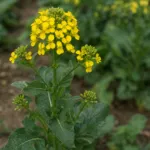 Ethiopian Rape (Brassica carinata) care guideBrassica carinata
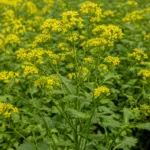 Brown Mustard (Brassica juncea) care guideBrassica juncea
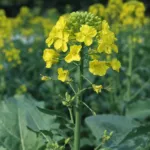 Rapeseed (Brassica napus) care guideBrassica napus
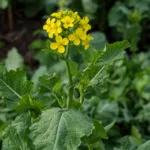 Urnip rape (Brassica rapa) care guideBrassica rapa
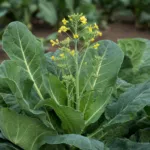 Collard greens (Brassica oleracea) care guideBrassica oleracea
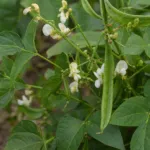 He tepary bea (Phaseolus acutifolius) care guidePhaseolus acutifolius
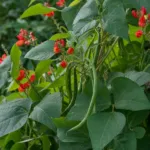 Snap bean (Phaseolus coccineus) care guidePhaseolus coccineus
 Butter bea (Phaseolus lunatus) care guidePhaseolus lunatus
 String Bean (Phaseolus vulgaris) care guidePhaseolus vulgaris
 Solanum aethiopicum care guideSolanum aethiopicum
 Solanum macrocarpon care guideSolanum macrocarpon
 Eggplant (Solanum melongena) care guideSolanum melongena