
Calcium deficiency
Calcium deficiency overview
Calcium deficiency is a physiological disorder caused by inadequate calcium supply to actively growing tissues or by interrupted calcium transport within the plant. Symptoms develop first in young leaves, growing points and roots, while fruits may show blossom-end rot. In United States gardens, uneven watering, root injury, waterlogging, acidic soil and excess potassium, magnesium or ammonium nitrogen are often more important than low total soil calcium.
Typical conditions
Overview
Calcium is required for cell-wall formation, membrane stability, root development and normal growth of meristems. Because it moves mainly with water through the xylem and is not readily redistributed from older leaves, actively growing tissues are vulnerable when calcium uptake or delivery is interrupted.
Visual diagnosis is useful but not definitive. Similar marginal necrosis, distorted growth or stunting may result from boron deficiency, salinity, root disease, water stress, herbicide injury or other nutrient imbalances. Confirm suspected deficiency with a soil test and, where practical, plant-tissue analysis.
Symptoms and identification
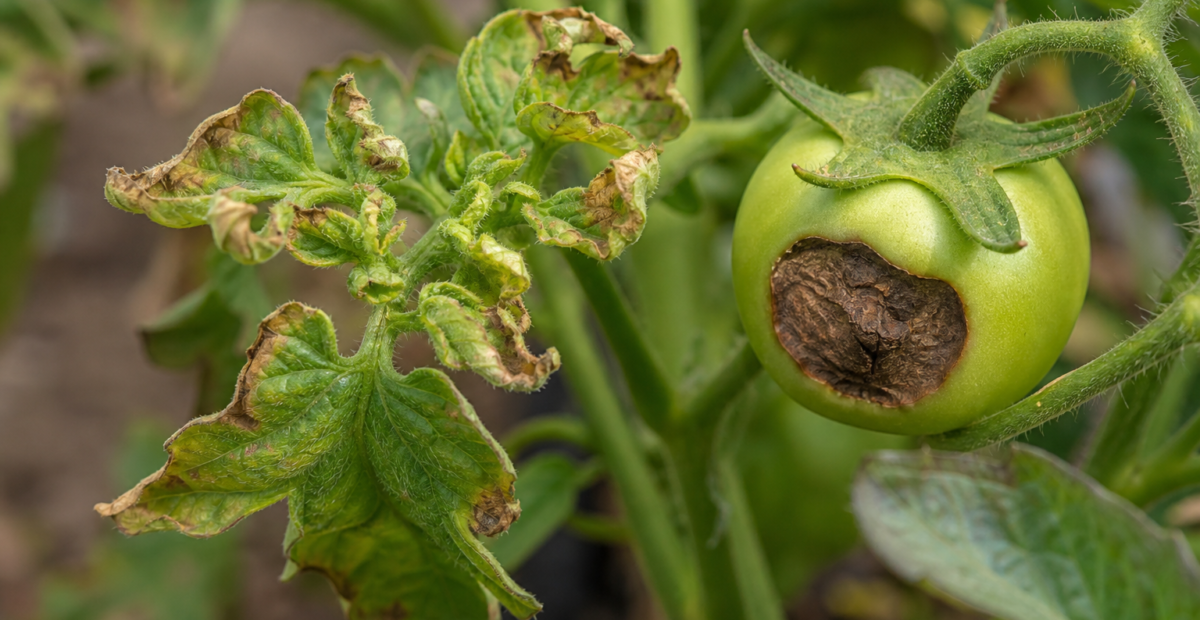
Symptoms usually begin on the youngest leaves and growing points. New leaves may be small, cupped, curled, crinkled, torn or misshapen, with brown margins, tip necrosis, chlorotic or necrotic patches and sometimes darkened veins. Severe deficiency can kill shoot and root tips, producing stunting and excessive branching.
Roots may be short, poorly developed or brown at the tips. In lettuce and cole crops, leaf tipburn can occur. In tomato, pepper and eggplant, developing fruit may develop blossom-end rot: a dry or water-soaked spot at the blossom end that enlarges into a sunken brown or black leathery lesion. Apples and several vegetables may show calcium-related internal disorders, corking, bitter pit, tipburn or poor tissue development.
Causes and spread
Calcium deficiency is not infectious and does not spread between plants. It occurs when the root system cannot absorb enough calcium or when water flow and calcium transport to rapidly growing tissues are disrupted.
- Dry soil, irregular irrigation and drought stress.
- Flooding, poor drainage, root diseases, nematodes or transplant/root injury.
- Compaction, shallow rooting, high salinity or unsuitable soil pH.
- Excess potassium, magnesium, ammonium nitrogen or nitrogen-driven vegetative growth.
- Heavy fruit set, rapid plant growth, high temperatures or environmental conditions that favor calcium movement to leaves rather than fruit.
Life cycle and persistence
This disorder has no infectious lifecycle. It develops when calcium uptake by young root zones or movement in the xylem cannot keep pace with demand from expanding leaves, meristems, fruits or storage organs. Symptoms may be initiated days or weeks before they become visible, especially in blossom-end rot.
Once tissue has collapsed or become necrotic, it cannot be repaired. New growth may appear normal after root function, moisture supply and nutrient balance are corrected, although existing fruit lesions remain.
Treatment and control
First correct the cause: restore consistent irrigation, improve drainage, relieve compaction, protect roots and discontinue excessive or imbalanced fertilization. If a soil or tissue test confirms inadequate calcium, apply a suitable labeled calcium source at the recommended rate. Lime is appropriate for acidic soil when raising pH is also desirable; gypsum supplies calcium with little effect on pH but is not a universal remedy.
For fruiting vegetables, correcting water and root conditions is usually more effective than spraying leaves or fruit. Existing blossom-end-rot lesions, tipburn and dead growing points will not recover, but later tissues may develop normally after conditions stabilize. Reassess the diagnosis if symptoms continue despite corrected moisture and fertility.
Low-impact and biological control
Use cultural and organic-compatible practices before adding calcium. Maintain an even moisture supply with deep, consistent irrigation and mulch; avoid cycles of severe drying followed by saturation. Improve soil structure with mature organic matter, but avoid excessive manure or compost that supplies too much nitrogen or salts.
- Protect roots from cultivation damage, compaction, flooding and severe heat.
- Use raised beds or improved drainage where soil remains waterlogged.
- Remove badly affected fruit so the plant can direct resources to later growth, while recognizing that removal does not cure existing tissue.
- Base lime, gypsum or other calcium amendments on a soil test, pH, texture and crop needs; do not assume every blossom-end-rot problem requires calcium.
Prevention
Start with a soil test before planting and correct strongly acidic soil according to the laboratory recommendation. Use a balanced fertility program and avoid routine high-rate nitrogen, potassium, magnesium or manure applications.
Prepare a deep, noncompacted root zone and maintain steady moisture with drip irrigation, soaker hoses or careful hand watering. Mulch the soil to reduce evaporation and temperature swings. Provide drainage, avoid root pruning and monitor plants closely during rapid growth, flowering and early fruit enlargement.
For greenhouse and container crops, test the irrigation water and growing medium, maintain the crop-specific pH and nutrient balance, and avoid letting containers dry completely. Confirm uncertain cases with tissue analysis rather than treating every fruit lesion as a calcium shortage.
Interesting facts
Blossom-end rot is commonly called a calcium deficiency, but many affected plants grow in soil containing adequate calcium. The immediate problem is often poor calcium delivery to fruit caused by fluctuating water supply, damaged roots, excessive vegetative growth or competition among rapidly growing tissues.
Calcium is absorbed most actively near young root tips and is transported with the transpiration stream. Large leaves can receive more calcium than fruit because they transpire more, while fruit and storage organs have relatively low transpiration.
Foliar calcium sprays generally cannot reliably move calcium from leaves into developing fruit. Calcium-related damage is also not contagious and does not spread from plant to plant like a disease.
Do not use a pesticide for calcium deficiency: it is not caused by a pest or infectious pathogen. Use only fertilizer or soil-amendment products legally authorized for the crop and purpose in your country, and follow the current product label. Avoid repeated calcium applications without soil, irrigation-water or tissue-test evidence because excess calcium can interfere with magnesium, potassium, iron, manganese or phosphorus nutrition.
Affected plants
The plants below are linked to this problem by structured host-plant data. The list updates automatically as new plant profiles are added.
 Apple tree (Malus domestica) care guideMalus domestica
 Ethiopian Rape (Brassica carinata) care guideBrassica carinata
 Brown Mustard (Brassica juncea) care guideBrassica juncea
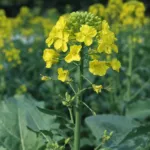 Rapeseed (Brassica napus) care guideBrassica napus
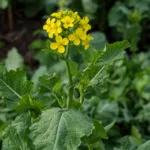 Urnip rape (Brassica rapa) care guideBrassica rapa
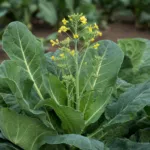 Collard greens (Brassica oleracea) care guideBrassica oleracea
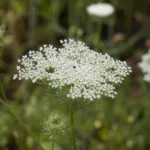 Wild carro (Daucus carota) care guideDaucus carota
 Solanum aethiopicum care guideSolanum aethiopicum
 Solanum macrocarpon care guideSolanum macrocarpon
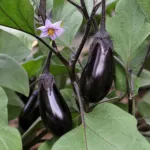 Eggplant (Solanum melongena) care guideSolanum melongena
 Garden Huckleberry (Solanum scabrum) care guideSolanum scabrum
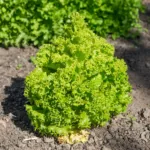 Lettuce (Lactuca sativa) care guideLactuca sativa