
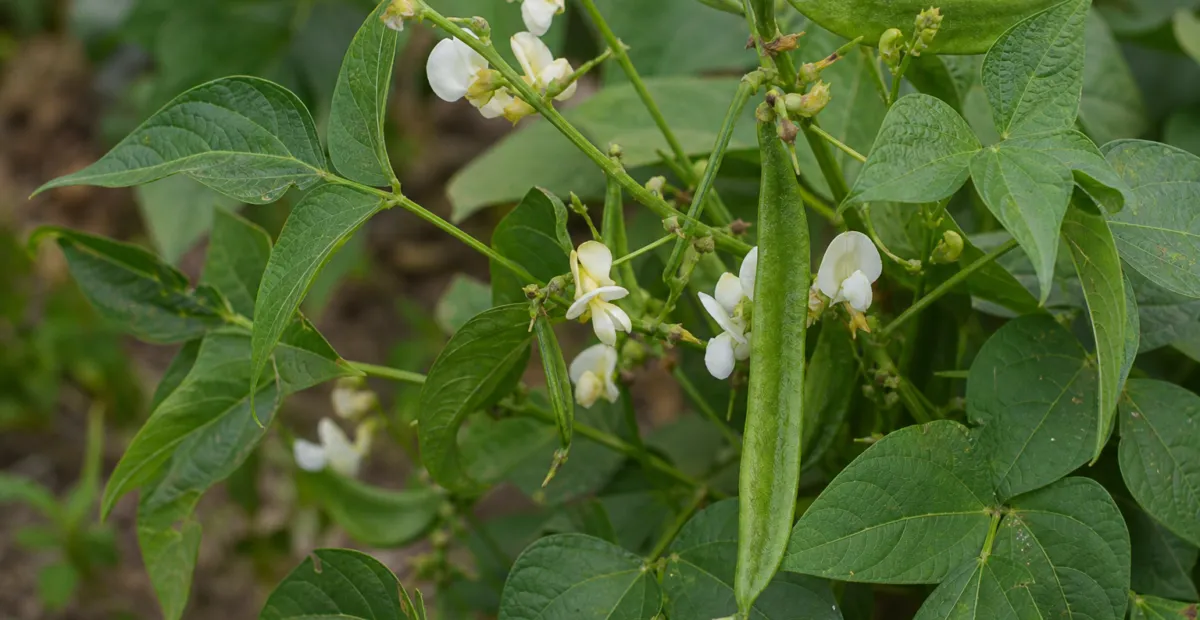
 AI-generated illustration
He tepary bea (Phaseolus acutifolius) short overview
he tepary bea (Phaseolus acutifolius) is a heat-adapted annual legume native to the Sonoran and Chihuahuan desert regions of the southwestern United States and Mexico. It produces edible dry beans and is valued for exceptional drought tolerance once established. Give it full sun, warm soil, good drainage and a long frost-free season; early watering is important while seedlings develop roots. A warm-season annual bean native to the southwestern United States and northwestern Mexico. It is cultivated for edible dry seeds and is notably adapted to heat, drought and short periods of soil moisture stress.
Taxonomic classification
He tepary bea (Phaseolus acutifolius) care guide
Light and placement
Plant in the brightest, most open position available, with at least 8 hours of direct sun. A south-facing bed or heat-reflective site is suitable. Sparse growth, pale leaves and few pods can indicate inadequate light; excessive shade also delays maturity. In very hot regions, avoid dense reflected heat against walls if foliage begins to scorch, but do not routinely shade healthy plants.
Watering and humidity
Water deeply at sowing and keep the seedbed evenly moist until emergence and early root establishment. Then allow the upper soil to dry between thorough waterings. Reduce irrigation after pods fill to encourage dry-down, but do not let plants suffer severe stress during flowering or seed development. Avoid frequent shallow watering and overhead irrigation, especially late in the day.
Soil and growing medium
Use loose, well-drained soil that does not remain saturated after irrigation. Sandy loam is especially suitable, while compacted clay should be amended with organic matter and formed into raised beds if drainage is poor. The plant tolerates a relatively broad pH range, but extreme acidity or alkalinity can reduce nutrient availability. Do not plant in persistently wet ground.
Feeding
Tepary bean generally needs modest fertility because it is a legume and can obtain nitrogen through root nodules when properly established. Incorporate finished compost before planting if soil is poor. Avoid heavy nitrogen fertilizer, which can produce excessive foliage and delay pod set. If growth is weak in a container, use a balanced fertilizer at half strength once after establishment, not during drought stress.
Growth and habit
Plants are annual and may grow as compact bushes or as sprawling, weakly climbing vines depending on the genetic type and growing conditions. They can spread across nearby soil or use light support. Mature plants often become open and branchy as pods develop. Keep paths clear, support sprawling stems only when needed, and maintain airflow around dense growth.
Planting and repotting
Sow directly because the crop dislikes root disturbance. Plant after frost danger when the soil is thoroughly warm. Place seeds about 1 inch deep in moist soil and keep the bed evenly watered until emergence. Thin crowded seedlings early. In short-season regions, choose an early type and use a warm, full-sun site; in the desert Southwest, avoid sowing into cold winter soil.
Usually grown directly in the ground. If using a container, choose a deep pot with drainage holes and sow directly rather than transplanting. Repotting is generally not worthwhile after the plant begins flowering; provide a larger container at the start of the season if needed.
Propagation and pruning
Propagation
Propagate by seed. Direct-sow into warm soil because seedlings can be sensitive to root disturbance. Use mature, dry seed from a reliable source. Inoculation is not universally necessary, but poor nodulation or very depleted soils may reduce growth; avoid excessive nitrogen while plants establish.
Pruning
No routine pruning is required. Remove damaged or diseased stems promptly and cut back spent plants after pods have fully dried and the harvest is complete. Avoid cutting healthy stems during flowering because this can reduce pod production.
Overwintering
It is a frost-tender annual and is normally finished after seed maturation. Harvest dry pods before freezing weather. In frost-free climates, plants may persist only briefly beyond the productive season; indoor overwintering is generally impractical because the crop is fast-growing and light hungry.
Uses
The principal use is as a dry shelling bean for human food. Seeds are cooked like other dry beans and may be used in soups, stews and bean dishes; they must be fully cooked before eating. Plants can also contribute biomass and nitrogen cycling in crop systems, although performance depends on effective nodulation and local soil conditions.
Appearance
The plant has slender green stems and trifoliate leaves with pointed leaflets. Small bean flowers arise in clusters and are followed by narrow, slightly curved pods containing dry seeds of varying colors and patterns. Habit varies from bushy to trailing or weakly climbing, so growth form alone is not sufficient for identification.
Flowering
The flowers are typical Fabaceae pea flowers, with a standard, wings and keel. Flowering begins after sustained warm growth and may continue while pods mature. Exact timing varies with day length, heat, irrigation and genotype. High heat can shorten flowering or reduce pod set, while adequate moisture during bloom supports more reliable production.
Pollination and visitors
Tepary bean is primarily self-pollinated, with pollen transfer occurring within the individual flower. Occasional insect visits may occur, but a specific animal pollinator group is not sufficiently documented here to classify as a characteristic visitor.
Phaseolus acutifolius photos
Click any photo for a larger view. Source, author and license are shown separately.
Diseases and pests
Diseases
Use clean seed, rotate away from beans and avoid prolonged leaf wetness. Watch for damping-off in cold, wet soil, root rots in poorly drained beds, and bacterial or fungal leaf spots in crowded plantings. Remove badly affected plants and improve airflow rather than relying on routine sprays.
Pests
Common bean pests can include aphids, leafhoppers, spider mites, stink bugs and bean beetles. Inspect undersides of leaves and developing pods regularly. Use row covers on young plants where practical, remove larger insects by hand, conserve beneficial insects and use labeled controls only when damage is significant.
Related diseases and pests
Only Plant Doctor profiles whose host data indicate this plant may be affected are shown here.
 DiseaseBean AnthracnoseColletotrichum lindemuthianum
 PestBlack Bean AphidAphis fabae
 DiseaseCharcoal rotMacrophomina phaseolina (Tassi) Goidanich
 DiseaseTomato yellow leaf curl virusBegomovirus coheni
 DiseaseTobacco mosaic virusTobamovirus tabaci
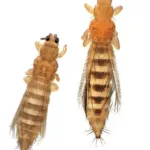 PestOnion thripsThrips tabaci Lindeman
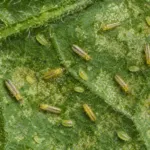 PestMelon thripsThrips palmi Karny
 PestTwo-spotted spider miteTetranychus urticae
Toxicity and pollen
The mature dry seeds are a food crop, but raw or inadequately cooked beans can contain bean lectins and other antinutritional compounds that may cause gastrointestinal illness. Sort and rinse dry beans, soak when desired, discard soaking water if using that method, and cook thoroughly until completely tender. Do not eat raw seeds or raw sprouted beans unless a trusted food-safety method specifically supports it.
- Typical season
- During the summer flowering period
- Pollination / pollen
- Small, relatively heavy pollen associated with self-pollinating bean flowers
The flowers are primarily self-pollinating, and bean pollen is not typically dispersed broadly by wind. Airborne exposure is therefore expected to be limited compared with wind-pollinated plants, but sensitive individuals can still react to plant material or pollen. Avoid handling flowering plants when symptomatic and wash hands after gardening.
Native habitat
The species is associated with seasonally dry subtropical environments of the Sonoran and Chihuahuan regions. It occurs in warm landscapes with pronounced dry periods and is adapted to rapid growth, heat and limited water after establishment. Cultivated forms perform best in open, frost-free sites with drainage and warm soils.
Interesting fact
Tepary bean is one of the most drought-adapted cultivated Phaseolus beans. Its domestication is associated with Indigenous agricultural traditions in the arid Southwest and Mexico. The species can complete a crop under heat conditions that impair many common bean varieties, although germination and early establishment still require moisture.
Frequently asked questions (FAQ)
The most relevant questions about this plant, with short and direct answers.
🌱Quick care
What is he tepary bea (Phaseolus acutifolius)?⌄
He tepary bea is a frost-tender annual bean in the Fabaceae family, native to the arid regions of the southwestern United States and Mexico. It is grown for edible dry beans and is notably tolerant of heat and drought.
How long does Phaseolus acutifolius take to mature?⌄
Phaseolus acutifolius commonly matures in about 60–120 days, depending on the variety and growing conditions. Heat, moisture, day length, and whether pods are harvested green or dry can affect the timing.
🌤️Environment and placement
How much sun does Phaseolus acutifolius need?⌄
Phaseolus acutifolius needs full sun, ideally with at least 6–8 hours of direct light daily. Strong sunlight supports flowering, pod production, and timely ripening.
Is Phaseolus acutifolius drought tolerant?⌄
Yes, Phaseolus acutifolius is one of the more drought-tolerant cultivated beans once established. It still needs consistent moisture during germination, early growth, flowering, and pod formation.
What USDA zones can grow he tepary bea?⌄
He tepary bea can be grown as a warm-season annual in much of the United States when the frost-free period is long enough. It is especially well suited to hot, dry areas of the Southwest, but gardeners elsewhere can grow it during summer.
What temperature does Phaseolus acutifolius need to grow?⌄
Phaseolus acutifolius grows best in warm conditions, with warm soil and air temperatures during the growing season. Protect seedlings from frost and avoid planting until the soil has warmed substantially.
Can Phaseolus acutifolius fix nitrogen?⌄
Yes, Phaseolus acutifolius is a legume capable of forming nitrogen-fixing relationships with compatible soil bacteria. This does not eliminate the need for healthy soil, and applying excess nitrogen fertilizer can reduce the benefit.
💧Care and problems
How often should I water Phaseolus acutifolius?⌄
Water Phaseolus acutifolius regularly while seeds germinate and plants establish, then reduce irrigation as the plants mature. During flowering and pod filling, provide water when the soil becomes dry, but avoid constantly wet soil.
Does Phaseolus acutifolius need a trellis?⌄
Some Phaseolus acutifolius varieties are erect or semi-erect and need no trellis, while trailing or twining types benefit from support. Check the seed description and provide a sturdy trellis before vigorous growth begins.
Why is my Phaseolus acutifolius not producing beans?⌄
Poor pod production is often caused by cool temperatures, insufficient sunlight, drought during flowering, excessive nitrogen, or planting at an unsuitable time. In very hot conditions, flowering may also be delayed or reduced until weather improves.
What pests affect he tepary bea?⌄
He tepary bea can be affected by common bean pests such as aphids, bean beetles, leafhoppers, and pod-feeding insects. Inspect leaves and pods frequently, remove heavily damaged tissue, and use locally appropriate integrated pest-management methods.
What diseases affect Phaseolus acutifolius?⌄
Phaseolus acutifolius can develop bean diseases such as anthracnose, blights, rust, and root or stem rots. Good air circulation, clean seed, crop rotation, and well-drained soil help reduce disease pressure.
How do I harvest Phaseolus acutifolius beans?⌄
Harvest Phaseolus acutifolius as dry beans when most pods have changed color and the seeds are hard. Pick mature pods promptly because some pods may split or shed their seeds if left to dry too long in the field.
🪴Planting and repotting
What soil is best for Phaseolus acutifolius?⌄
The best soil is well-drained sandy or loamy soil that does not remain waterlogged. Tepary beans tolerate relatively lean soil, while excessive nitrogen can encourage foliage instead of pods.
Can he tepary bea grow in containers?⌄
Yes, he tepary bea can grow in a large container with drainage holes and a light, well-drained potting mix. Choose a container deep enough for the roots and provide a trellis if the variety is climbing or trailing.
When should I plant Phaseolus acutifolius in the United States?⌄
Plant Phaseolus acutifolius after the last expected spring frost, once the soil is warm. In the low desert Southwest, summer monsoon-season planting can work well when warm temperatures and usable soil moisture coincide.
How deep should I plant tepary bean seeds?⌄
Plant tepary bean seeds about 1–1½ inches deep in prepared soil. Keep the seedbed evenly moist until emergence, because drought tolerance develops after the seedlings are established.
How far apart should Phaseolus acutifolius plants be spaced?⌄
Space Phaseolus acutifolius according to its growth habit, generally allowing about 4–8 inches between plants and wider spacing between rows or hills. Spreading or climbing types need additional room and support.
Can I grow Phaseolus acutifolius with corn and squash?⌄
Yes, Phaseolus acutifolius can be included in a Three Sisters-style planting with corn and squash. Use a layout that provides enough sunlight and support, because tepary bean growth habits vary by variety.
✂️Propagation and pruning
Can I save seeds from Phaseolus acutifolius?⌄
Yes, you can save seeds from Phaseolus acutifolius by leaving healthy pods on the plant until they are dry and the seeds are fully mature. Harvest before pods shatter, then dry the seeds thoroughly and store them in a cool, dry place.
Can Phaseolus acutifolius be propagated from cuttings?⌄
Phaseolus acutifolius is normally propagated from seed rather than cuttings. Direct-sow viable seed in warm soil because bean cuttings are generally unreliable and unnecessary.
⚠️Toxicity and safety
Can I eat Phaseolus acutifolius beans?⌄
Yes, Phaseolus acutifolius produces edible beans that are commonly eaten as dry beans. Cook them thoroughly after soaking or preparing them by a reliable dry-bean method, and do not eat raw or undercooked beans.
Are raw tepary beans poisonous?⌄
Raw or undercooked tepary beans should not be eaten because beans contain heat-sensitive antinutritional compounds, including lectins. Fully cook the beans until tender before serving.
Can I eat tepary bean leaves or pods?⌄
The primary food use of tepary bean is the mature seed, while the use of young leaves or pods is less consistently documented. Eat only plant parts identified by a reliable culinary or agricultural source, and cook them thoroughly.
Is Phaseolus acutifolius toxic to dogs or cats?⌄
Do not feed raw or undercooked Phaseolus acutifolius beans to dogs, cats, or other pets. The safest approach is to keep dry seed and uncooked beans away from animals and consult a veterinarian if ingestion occurs.
🌸Flowering and special interest
Does Phaseolus acutifolius have flowers?⌄
Yes, Phaseolus acutifolius produces small bean-like flowers followed by seed pods. Flowering and pod set are favored by warm weather, full sun, and adequate moisture during the reproductive stage.
When does Phaseolus acutifolius flower?⌄
Phaseolus acutifolius generally flowers after vegetative growth is established, often during the warmest part of the growing season. Exact timing varies by variety, planting date, day length, and rainfall or irrigation.
Similar plants
 Azure Monkshood (Aconitum carmichaelii) care guideAconitum carmichaelii
 Monkshood (Aconitum ‘Stainless Steel’)Aconitum 'Stainless Steel'
 Monkshood (Aconitum ‘Bressingham Spire’)Aconitum 'Bressingham Spire'
 Golden full moon maple (Acer shirasawanum ‘Aureum’)Acer shirasawanum 'Aureum'
 Globosum (Acer platanoides ‘Globosum’)Acer platanoides 'Globosum'
 Striped maple (Acer pensylvanicum) care guideAcer pensylvanicum