
 Source:
 Goeppertia orbifolia short overview
Goeppertia orbifolia is an evergreen perennial from the wet tropical forests of eastern Brazil, best known in the United States as a dramatic foliage houseplant. Its broad, rounded leaves combine deep green with silver-green striping. It grows well in bright filtered light, evenly moist but well-drained soil, warm temperatures, and humidity of about 60% or higher. Direct sun, cold drafts, dry air, and fluoride-rich water can cause leaf damage.
Taxonomic classification
Goeppertia orbifolia care guide
Light and placement
Provide bright filtered light or partial shade. An east- or north-facing window is usually suitable; use a sheer curtain or place the plant several feet back from strong south- or west-facing glass. Too much direct sun can scorch or bleach leaves, while too little light causes fading, weak growth, and reduced vigor.
Watering and humidity
Water when the upper layer of mix begins to dry, soaking thoroughly until excess drains away, then empty the saucer. Keep the mix consistently moist but never soggy. Water less often during cool, low-light winter conditions. Rainwater or distilled water can help prevent fluoride-related brown tips; do not let the root ball dry hard.
Soil and growing medium
Use a loose, moisture-retentive but well-drained houseplant mix with substantial organic matter and air space around the roots. A loam-based or peat- and bark-containing mix is suitable when it drains freely. Slightly acidic to neutral conditions are appropriate; avoid compacted, waterlogged soil and containers without drainage.
Feeding
Feed monthly during active spring and summer growth with a balanced liquid houseplant fertilizer diluted to about half the label strength. Apply to already moist soil to reduce root injury. Reduce or stop feeding during slow winter growth, after repotting, or when the plant is stressed by cold, drought, or root problems.
Growth and habit
This evergreen forms dense, erect clumps from short underground stems. Growth is rapid when warmth, humidity, filtered light, and steady moisture are balanced. Regularly wipe dust from the large leaves, rotate the container for even growth, and remove aging leaves at the base.
Planting and repotting
In the United States, grow outdoors only in frost-free climates comparable to USDA Zones 11–12, and plant in bright shade with protection from harsh afternoon sun. For containers, use a drainage hole and leave the crown at its original depth. Allow roughly 12–24 inches of space for an established specimen.
Repot in spring or early summer when roots fill the container or growth slows. Move up only one pot size, retain as much root ball as practical, and use a fresh airy mix. Water thoroughly after repotting, then keep the plant warm, humid, and evenly moist while it re-establishes.
Propagation and pruning
Propagation
Division is the practical propagation method. Divide a healthy established clump in spring or early summer, keeping several shoots and viable roots in each section. Pot divisions into lightly moist, well-drained mix and maintain warm temperatures and high humidity until new growth resumes.
Pruning
Pruning is limited to removing yellow, brown, damaged, or fully senescent leaves. Cut the leaf stalk cleanly at its base with sterilized scissors. Do not trim healthy leaf margins to reshape the plant, since cut edges remain visible.
Overwintering
Treat it as an indoor plant in most of the United States. Before temperatures fall below about 60°F, move outdoor containers inside and inspect for pests. Keep winter temperatures stable, away from drafts and heating vents, maintain humidity, and reduce watering and fertilizer only as light and growth decline.
Uses
Primarily used as an ornamental indoor foliage plant for tabletops, plant stands, and floor containers. In frost-free climates it can be grown in shaded tropical or subtropical outdoor displays. It has no well-supported culinary or medicinal use in the reviewed sources.
Appearance
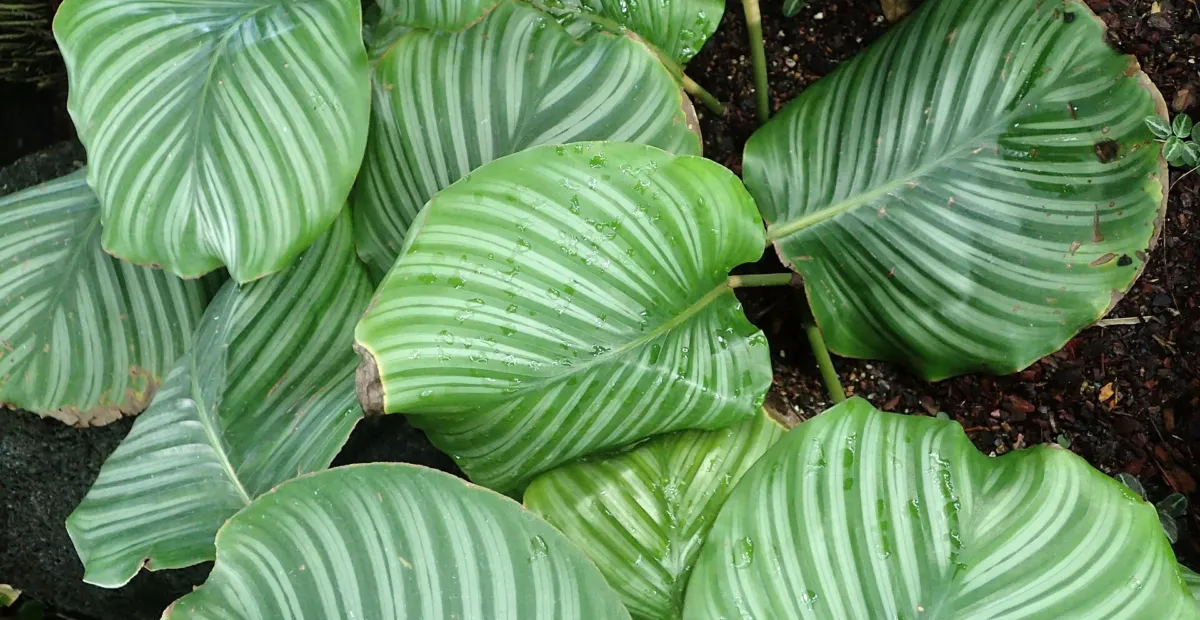
The plant has large, glossy, simple, nearly round leaves with undulating margins. Dark green blades are marked by broad silver-green bands, and the undersides are paler green to silvery. Leaves rise on upright stalks from a dense clump, giving mature plants a strong architectural foliage display.
Flowering
Small white, tubular flowers may appear in spring or summer when conditions are especially favorable, but flowering is uncommon indoors. The foliage is the primary ornamental feature, and indoor specimens should not be expected to bloom regularly.
Pollination and visitors
Although the species produces small flowers, reliable species-specific records identifying its animal pollinators or regular garden visitors were not found. Do not assume common bee or butterfly attraction from the presence of flowers alone.
Goeppertia orbifolia photos
Click any photo for a larger view. Source, author and license are shown separately.
Diseases and pests
Diseases
The main disease risk is root rot from persistently saturated soil. Leaf spot may develop when foliage is repeatedly wetted or air circulation is poor. Use a clean pot with drainage, water the substrate rather than the leaves, remove damaged tissue, and improve airflow. Isolate plants showing spreading lesions before treatment.
Pests
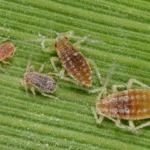
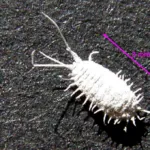
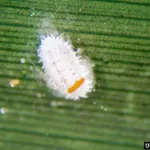
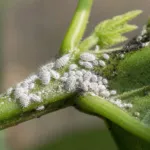
Monitor for spider mites, mealybugs, aphids, and scale, especially in dry indoor air. Check leaf undersides and stem bases regularly. Improve humidity and plant vigor first; remove light infestations with a damp cloth or suitable insecticidal soap, following the product label. Quarantine affected plants and avoid overwatering.
Related diseases and pests
Only Plant Doctor profiles whose host data indicate this plant may be affected are shown here.

Toxicity and pollen
No species-specific human toxicity evidence was identified in the reviewed authoritative sources. The plant is generally treated in horticultural references as a non-toxic Calathea/Goeppertia-type houseplant, but ingestion can still cause choking or mild stomach upset and plant material should not be eaten. Seek medical advice for concerning symptoms.
- Pollination / pollen
- Flower pollen; likely dispersed mainly during close insect contact rather than in large airborne clouds
This is a flowering plant, but its small, infrequent indoor blooms are not documented as a significant source of airborne pollen exposure. Evidence is insufficient for a precise allergy rating, so sensitive individuals should avoid direct contact with flowers or plant debris and monitor their own response.
Native habitat
Native to northeastern and southeastern Brazil, where it occurs in wet tropical forest conditions. Its natural setting explains the preference for warmth, high humidity, filtered light, organic soil, and reliable moisture rather than prolonged dryness or exposure to frost.
Interesting fact
The species name orbifolia refers to its rounded, almost circular leaves. It was formerly classified as Calathea orbifolia, a name still common in horticultural trade. Leaf striping and shape are more important identification features than its rarely seen indoor flowers.
Frequently asked questions (FAQ)
The most relevant questions about this plant, with short and direct answers.
🌱Quick care
How do you care for Goeppertia orbifolia indoors?⌄
Give Goeppertia orbifolia bright filtered light, evenly moist well-drained soil, warm temperatures, and high humidity. Protect it from direct afternoon sun, cold drafts, and both drought and waterlogged soil.
Is Goeppertia orbifolia the same plant as Calathea orbifolia?⌄
Yes, Goeppertia orbifolia is the currently accepted botanical name commonly sold as Calathea orbifolia. Older plant labels and care guides may still use the former name.
Is Goeppertia orbifolia easy to grow?⌄
Goeppertia orbifolia is moderately demanding rather than carefree because it reacts poorly to inconsistent moisture, dry air, poor water quality, and temperature changes. Stable indoor conditions make it much easier to maintain.
🌤️Environment and placement
How much light does Goeppertia orbifolia need?⌄
Goeppertia orbifolia grows best in bright filtered or indirect light and can tolerate partial shade. Too little light may fade its striping, while direct sun can scorch the leaves.
Can Goeppertia orbifolia tolerate low light?⌄
It can tolerate moderate or partial shade, but prolonged low light usually produces slower growth and less vivid foliage. Place it near a bright window with a sheer curtain rather than in deep shade.
Can Goeppertia orbifolia grow in a bathroom?⌄
Yes, a warm, bright bathroom can suit Goeppertia orbifolia if it receives adequate filtered light. Avoid placing it where cold drafts, very low temperatures, or constantly wet leaves encourage problems.
What humidity does Goeppertia orbifolia need?⌄
High humidity is strongly preferred, with about 60% or higher often producing better-looking foliage. A humidifier is generally more reliable than occasional misting, especially during dry U.S. winters.
What temperature is best for Goeppertia orbifolia?⌄
Keep Goeppertia orbifolia warm and relatively stable, ideally around 65–75°F. Protect it from frost, cold windows, heating vents, air-conditioning drafts, and sudden temperature changes.
Can Goeppertia orbifolia live outdoors in the United States?⌄
It can grow outdoors in warm, frost-free areas with filtered light and high humidity, but it is usually grown indoors in most of the United States. Bring it inside before temperatures approach the mid-50s°F or any frost is expected.
💧Care and problems
How often should you water Goeppertia orbifolia?⌄
Water when the surface of the potting mix begins to dry, then water thoroughly and let excess drain away. Do not follow a rigid calendar because watering frequency changes with light, temperature, humidity, and pot size.
Should Goeppertia orbifolia soil dry out completely?⌄
No, the soil should remain evenly and lightly moist rather than becoming completely dry. At the same time, never leave the pot standing in runoff because saturated soil can cause root problems.
What type of water is best for Goeppertia orbifolia?⌄
Filtered, distilled, or rainwater is often preferable because some tap water can contribute to brown leaf tips. If tap water is the only option, allowing it to sit does not reliably remove fluoride, so filtration may be more useful.
Why are Goeppertia orbifolia leaves turning brown at the edges?⌄
Brown edges commonly result from low humidity, inconsistent watering, salt buildup, or sensitivity to minerals and fluoride in tap water. Check moisture consistency, increase humidity, and periodically flush the potting mix with clean water.
Why are Goeppertia orbifolia leaves curling?⌄
Curling leaves usually indicate water stress, low humidity, heat, cold exposure, or root damage. Check the soil and roots before watering again, because curled leaves can occur from both underwatering and overwatering.
Why are Goeppertia orbifolia leaves turning yellow?⌄
Yellow leaves may reflect naturally aging foliage, overwatering, poor drainage, root stress, or sometimes pests. If several leaves yellow quickly, inspect the roots and the undersides of leaves rather than assuming the plant simply needs more water.
Why is my Goeppertia orbifolia drooping?⌄
Drooping can occur when the soil is too dry, humidity is low, temperatures fluctuate, or the roots are damaged by excess moisture. Feel the soil first and correct the underlying condition instead of watering automatically.
Why are Goeppertia orbifolia leaves fading?⌄
Fading foliage is often associated with insufficient light, although harsh direct sun can also bleach or scorch leaves. Move the plant gradually to brighter filtered light and avoid direct midday or afternoon sun.
What pests attack Goeppertia orbifolia?⌄
Common pests include spider mites, mealybugs, aphids, and scale insects. Inspect leaf undersides and new growth regularly, isolate affected plants, and treat promptly with a method appropriate for indoor use.
How do you clean Goeppertia orbifolia leaves?⌄
Wipe the leaves gently with a soft, damp cloth to remove dust and improve their ability to absorb light. Support each leaf while cleaning and avoid abrasive products or excessive handling.
Should you fertilize Goeppertia orbifolia?⌄
Yes, feed lightly with a balanced houseplant fertilizer during active growth, following the product label. Avoid heavy feeding because excess fertilizer salts can cause brown tips and root stress.
🪴Planting and repotting
What soil is best for Goeppertia orbifolia?⌄
Use a loose, organic, moisture-retentive potting mix that still drains freely. A quality indoor potting mix amended with materials such as orchid bark and perlite can provide both moisture control and aeration.
Does Goeppertia orbifolia need a pot with drainage holes?⌄
Yes, a drainage hole is important because Goeppertia orbifolia needs consistent moisture but does not tolerate stagnant, soggy soil. Empty the saucer after watering so the roots are not left in standing water.
When should you repot Goeppertia orbifolia?⌄
Repot when roots circle the container, emerge from drainage holes, the mix becomes compacted, or the plant dries unusually fast. Spring or early summer is generally the least stressful time, and the new pot should be only slightly larger.
Can Goeppertia orbifolia be planted in a terracotta pot?⌄
Yes, terracotta can work if you monitor moisture carefully because it dries the potting mix faster than plastic or glazed ceramic. It is most useful for growers whose conditions are consistently humid and whose plants are prone to staying too wet.
✂️Propagation and pruning
How do you propagate Goeppertia orbifolia?⌄
Propagate Goeppertia orbifolia by dividing a mature clump during repotting. Separate sections that already contain roots, rhizome tissue, and healthy shoots, then pot them in a moist, well-drained mix.
Can you propagate Goeppertia orbifolia from a leaf cutting?⌄
No, a detached leaf or leaf stem normally cannot produce a complete new plant. Division of rooted rhizome sections is the practical home-propagation method.
How do you prune Goeppertia orbifolia?⌄
Remove completely dead or badly damaged leaves by cutting their stems near the soil line with clean scissors. Pruning individual leaves will not make the plant branch, because new growth emerges from the clump.
⚠️Toxicity and safety
Is Goeppertia orbifolia toxic to cats and dogs?⌄
Goeppertia orbifolia is generally regarded as non-toxic to cats and dogs. Even non-toxic plants can cause stomach upset if eaten in quantity, so contact a veterinarian if a pet shows symptoms after chewing it.
Is Goeppertia orbifolia safe to keep indoors?⌄
Yes, it is generally suitable for indoor homes and offices when provided with filtered light, stable warmth, moisture, and humidity. Keep it away from frost, pets that may over-chew plants, and children who might ingest potting materials.
🌸Flowering and special interest
Does Goeppertia orbifolia produce flowers?⌄
Yes, Goeppertia orbifolia can produce small white flowers, but flowering is uncommon indoors. It is primarily grown for its large, round, silver-striped foliage rather than for blooms.
Similar plants
 Zebra-plant (Goeppertia zebrina) care guideGoeppertia zebrina
 Goeppertia veitchiana care guideGoeppertia veitchiana
 Goeppertia roseopicta care guideGoeppertia roseopicta
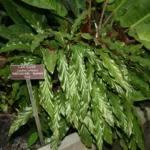 Due to its fuzzy (Goeppertia rufibarba) care guideGoeppertia rufibarba
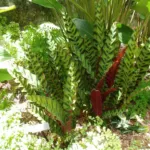 Rattlesnake-plant (Goeppertia insignis) care guideGoeppertia insignis
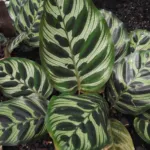 Peacock plant or cathedral windows (Goeppertia makoyana) care guideGoeppertia makoyana