
 Source:
 Geranium ‘Cinereum’ short overview
Geranium 'Cinereum' is a compact, mound-forming cranesbill for sunny rock gardens, gravel beds, borders, and containers. Its gray-green, deeply divided foliage and cup-shaped pink to lavender flowers suit sharply drained soils and moderate watering. The exact cultivar or group identity is not clearly documented in the sources reviewed, so some traits are reported at the Geranium cinereum species level.
Taxonomic classification
Geranium ‘Cinereum’ care guide
Light and placement
Choose full sun for the strongest flowering, ideally with a south-, east-, or west-facing exposure and open airflow. Partial afternoon shade can help in very hot climates, but dense shade usually produces weaker stems and fewer flowers. Pale, stretched growth suggests insufficient light; scorched foliage or rapid summer collapse can indicate excessive heat combined with root stress.
Watering and humidity
Water deeply when the upper inch of soil has dried, then allow excess water to drain completely. Water more regularly during the first growing season and reduce irrigation in cool weather or winter. Established plants prefer leaner, drier conditions between waterings than typical border geraniums; avoid standing water around the crown.
Soil and growing medium
Use a gritty, sharply drained soil or alpine-style mix. Sandy or gravelly loam is preferable, and added grit helps prevent winter saturation. The species tolerates acid, neutral, and alkaline conditions, including calcareous soils, but heavy compacted clay and persistently wet ground can cause decline.
Feeding
Feed lightly in spring with a balanced, slow-release fertilizer or a thin layer of mature compost around—not over—the crown. Avoid high-nitrogen feeding, which can produce soft foliage and fewer flowers. Do not fertilize heavily during summer heat or when the plant is stressed by saturated soil.
Growth and habit
Forms a compact, low mound and is suited to edging and rock-garden use. Growth is usually restrained rather than aggressive, but side stems can be trimmed to control spread. Cutting back spent flowering stems helps maintain a tidy crown and may encourage renewed flowering.
Planting and repotting
Plant in spring after the soil can be worked, or in early fall where winters are reliably moderate. Set the crown at soil level, firm gently, water once to settle the roots, and keep the planting area free from mulch piled against the crown.
Repot container plants in spring when roots fill the pot, moving only one pot size larger. Refresh the gritty mix and keep the crown at the same level. Ensure generous drainage holes and avoid a large moisture-retentive container.
Propagation and pruning
Propagation
Propagate established plants by division in spring or by basal softwood cuttings in early to mid-spring with bottom heat. Seed may be used for the species, but named cultivars and selections may not come true from seed.
Pruning
After flowering, cut spent flowering stems back toward the base to improve appearance and encourage fresh growth. Remove withered stems from autumn to late winter. Avoid severe pruning when the crown is wet or dormant in cold conditions.
Overwintering
Leave the crown in the ground in suitable USDA Zones 5–9, keeping winter soil well drained. In colder or very wet regions, grow in a raised bed or container and protect the pot from repeated freeze-thaw cycles. Do not overwinter in a warm, poorly lit room, where soft growth and root problems are likely.
Uses
Use as a low edging plant, rock-garden subject, gravel-garden perennial, trough plant, container specimen, or small groundcover. Its flowers can contribute nectar and pollen for visiting insects. It has no established culinary use supported by the sources reviewed.
Appearance
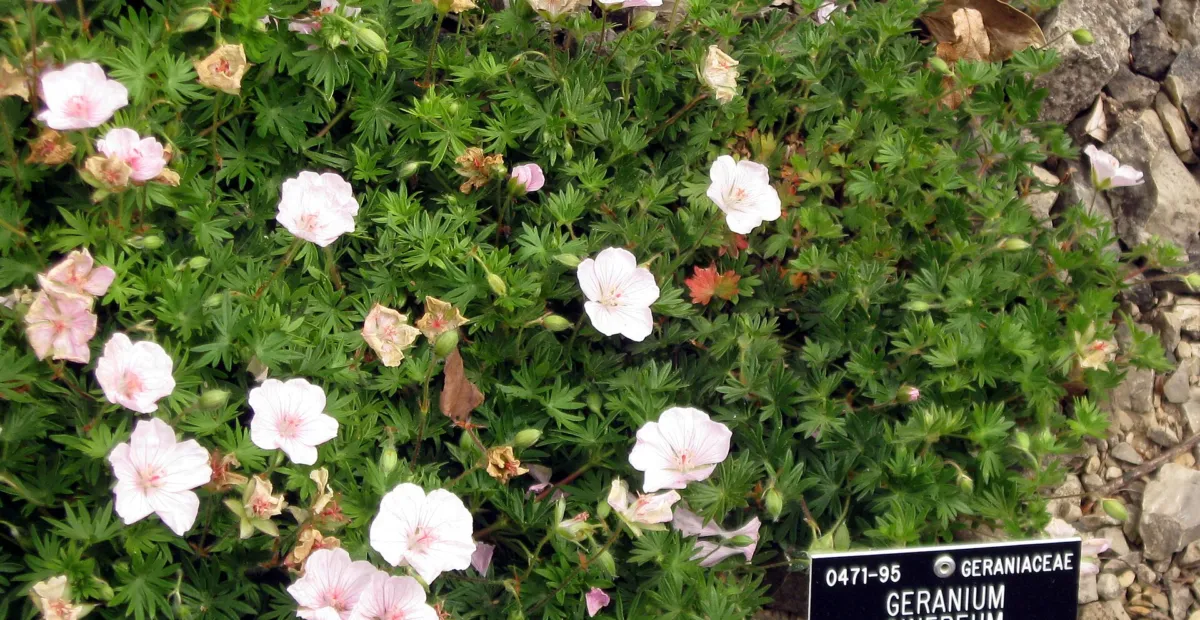
A low, mound-forming perennial with small gray-green to silvery leaves divided into several deep lobes. Slender flowering stems rise above the foliage and carry open, cup-shaped blooms. Dark veins, a darker basal blotch, and contrasting stamens are characteristic of many Geranium cinereum forms, but exact markings vary among selections.
Flowering
Flowers are typically produced from late spring into summer, with saucer-shaped blooms held above the foliage. Species-level descriptions report pink, white, lavender, or magenta forms with darker veins or central markings. Exact flower traits for the name 'Cinereum' are not securely documented.
Pollination and visitors
Geranium flowers are insect-pollinated and are visited by bees, bumblebees, and flower flies in documented Geranium studies. Direct visitor records for the exact supplied taxon were not located, so this is a cautious genus- and species-level assessment rather than a cultivar-specific claim.
Geranium 'Cinereum' photos
Click any photo for a larger view. Source, author and license are shown separately.
Diseases and pests
Diseases
Generally trouble-free when grown in well-drained soil. Powdery mildew can appear during hot, dry weather or where air circulation is poor. Remove affected foliage, improve spacing and airflow, and water at the soil surface rather than wetting leaves.
Pests
Container plants may be susceptible to vine weevil. Inspect roots and foliage periodically, avoid chronically wet compost, and use physical or biological controls where confirmed infestations occur.
Related diseases and pests
Only Plant Doctor profiles whose host data indicate this plant may be affected are shown here.
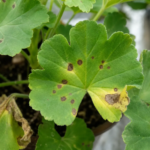 DiseaseBacterial blight of geraniumXanthomonas hortorum pv. pelargonii
 DiseaseCucumber mosaic virusCucumber mosaic virus
 DiseaseMaple powdery mildewSawadaea bicornis
 DiseaseCucurbit Powdery MildewPodosphaera xanthii (Castagne) U. Braun & Shishkoff
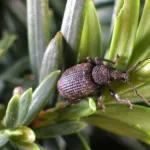 PestBlack Vine WeevilOtiorhynchus sulcatus
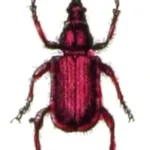 PestPeach weevilRhynchites bacchus
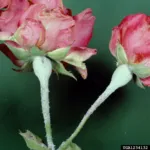 DiseaseRose powdery mildewPodosphaera pannosa
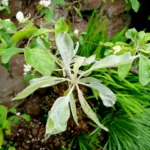 DiseaseApple Powdery MildewPodosphaera leucotricha
Toxicity and pollen
No reliable source reviewed specifically identifies Geranium cinereum as a significant human poison. Avoid eating ornamental plant material, and wash skin after handling if irritation occurs. ASPCA's geranium toxicity entry concerns Pelargonium species rather than this hardy Geranium, so it should not be automatically applied to Geranium 'Cinereum'.
- Typical season
- Late spring through summer during flowering
- Pollination / pollen
- Insect-carried pollen; not typically wind-dispersed
The flowers produce pollen, but this compact insect-pollinated plant is not generally documented as a major airborne pollen source in the United States. Exposure is greatest during flowering and close contact with the plant; sensitive people should avoid rubbing flowers or handling plants before washing their hands.
Native habitat
Geranium cinereum is native to mountainous areas of the western and central Pyrenees extending into northwestern Spain. It is associated with temperate mountain habitats and performs best in open, sunny sites with porous, mineral soils and rapid drainage.
Interesting fact
The species epithet cinereum means ash-gray, referring to the foliage tone. The common name cranesbill refers to the long pointed fruit that resembles a crane's bill. Cinereum-type geraniums are valued as small rock-garden plants rather than large border fillers. Named selections may differ noticeably in flower color and flowering length.
Frequently asked questions (FAQ)
The most relevant questions about this plant, with short and direct answers.
🌱Quick care
Is Geranium 'Cinereum' a perennial?⌄
Yes, Geranium 'Cinereum' is a hardy herbaceous perennial cranesbill. It forms a compact, low mound and typically dies back or becomes less active in winter before regrowing in spring.
How much sun does Geranium 'Cinereum' need?⌄
Geranium 'Cinereum' grows best in full sun, although it tolerates partial shade. More sunlight generally supports a denser habit and better flowering, especially where summers are not excessively hot.
How often should I water Geranium 'Cinereum'?⌄
Water Geranium 'Cinereum' moderately while it is establishing, then allow the soil to dry between waterings. Established plants prefer relatively dry conditions and can suffer if the roots remain wet.
What USDA hardiness zones can grow Geranium 'Cinereum'?⌄
Geranium 'Cinereum' is generally suited to USDA Hardiness Zones 5–8. Local performance can vary with winter moisture, exposure, snow cover, and the specific plant sold under this name.
How big does Geranium 'Cinereum' get?⌄
Geranium 'Cinereum' is a small, mat-forming cranesbill that commonly reaches about 6–12 inches tall and 12–18 inches wide. Exact dimensions vary among selections and growing conditions.
🌤️Environment and placement
Where should I plant Geranium 'Cinereum'?⌄
Plant Geranium 'Cinereum' in a sunny rock garden, gravel bed, raised border, alpine trough, or the front of a well-drained perennial bed. Choose a location where water does not collect around the crown.
Can Geranium 'Cinereum' grow in containers?⌄
Yes, Geranium 'Cinereum' grows well in containers with drainage holes and a gritty, fast-draining potting mix. Alpine troughs, hypertufa-style containers, and shallow pots are particularly suitable.
Does Geranium 'Cinereum' tolerate drought?⌄
Yes, established Geranium 'Cinereum' has good drought tolerance once its roots are developed. Water during prolonged heat or drought, but avoid compensating with frequent shallow watering in poorly drained soil.
Can Geranium 'Cinereum' grow in partial shade?⌄
Yes, Geranium 'Cinereum' can grow in partial shade, especially where afternoon temperatures are intense. However, too much shade may produce a looser plant with fewer flowers.
What type of soil is best for Geranium 'Cinereum'?⌄
Use gritty, sharply drained sandy or loamy soil for Geranium 'Cinereum'. It tolerates calcareous or alkaline soil, but heavy clay should be amended or avoided because winter wetness can damage the crown and roots.
Is Geranium 'Cinereum' suitable for a rock garden?⌄
Yes, Geranium 'Cinereum' is especially well suited to rock gardens. Its compact habit, gray-green foliage, and preference for sunny, sharply drained soil fit naturally among stones and gravel.
💧Care and problems
Why is my Geranium 'Cinereum' turning yellow?⌄
Yellowing foliage on Geranium 'Cinereum' is often caused by excess moisture, poor drainage, aging leaves, or stress from heat. Check the roots and soil first, and reduce watering if the mix stays wet.
Why is Geranium 'Cinereum' not flowering?⌄
Geranium 'Cinereum' may fail to flower because of insufficient light, excessive fertilizer, drought stress, or overly wet soil. Move container plants to brighter light and avoid high-nitrogen feeding.
How do I improve flowering on Geranium 'Cinereum'?⌄
Provide full sun, sharply drained soil, and consistent moisture while the plant is establishing to encourage flowering. Remove faded flower stems to keep the plant tidy and potentially extend the display.
What pests affect Geranium 'Cinereum'?⌄
Geranium 'Cinereum' can be affected by common geranium pests such as vine weevil, sawfly larvae, and sap-feeding insects. Inspect foliage and the crown regularly, particularly when growth is weak or leaves are being chewed.
What diseases affect Geranium 'Cinereum'?⌄
Poor air circulation and persistently wet foliage can increase the risk of powdery mildew or downy mildew on Geranium 'Cinereum'. Improve spacing, water at the soil line, and remove badly affected leaves.
🪴Planting and repotting
When is the best time to plant Geranium 'Cinereum'?⌄
Plant Geranium 'Cinereum' in spring after the soil becomes workable or in early fall while roots can establish before freezing. Avoid planting into waterlogged soil or during extreme summer heat.
How do I plant Geranium 'Cinereum' in the ground?⌄
Set Geranium 'Cinereum' at the same depth it was growing in its nursery container, then backfill with gritty soil and water once. Leave space around the crown so air can circulate and excess moisture can escape.
Can Geranium 'Cinereum' be grown in heavy clay soil?⌄
Geranium 'Cinereum' is not a good choice for unamended heavy clay that stays wet. Improve drainage with a raised planting area and gritty amendments, or grow it in a container or rock-garden pocket instead.
How should I repot Geranium 'Cinereum'?⌄
Repot Geranium 'Cinereum' when roots fill the container, moving it into a slightly larger pot with fresh, gritty, fast-draining mix. Handle the crown gently and avoid burying it deeper than before.
✂️Propagation and pruning
How can I propagate Geranium 'Cinereum'?⌄
Propagate Geranium 'Cinereum' by seed or basal cuttings; division may also be possible for established clumps with suitable crowns. Basal cuttings and division preserve a selected plant more reliably than seed.
Can Geranium 'Cinereum' be grown from seed?⌄
Yes, Geranium 'Cinereum' can be grown from seed, although germination may be uneven and named selections may not come true. Sow fresh seed in a well-drained medium and provide cool-to-moderate conditions.
Can Geranium 'Cinereum' be propagated from cuttings?⌄
Yes, Geranium 'Cinereum' can be propagated from basal cuttings taken from healthy new growth. Use a gritty rooting medium, keep the cuttings lightly moist, and provide bright indirect light while roots develop.
When should I prune Geranium 'Cinereum'?⌄
Prune Geranium 'Cinereum' after flowering by removing spent flower stems and untidy or declining foliage. If summer heat causes the plant to deteriorate, a light cutback can encourage fresh growth when conditions improve.
Should I cut Geranium 'Cinereum' back in fall?⌄
You can remove dead or damaged foliage in fall, but avoid cutting into a healthy crown unnecessarily. In colder areas, leaving a small amount of clean plant debris until late winter can provide modest protection from temperature swings.
⚠️Toxicity and safety
Is Geranium 'Cinereum' toxic to dogs or cats?⌄
No specific toxicity classification has been established for Geranium 'Cinereum' itself. Because plant responses can vary and misidentification is possible, prevent pets from chewing garden plants and contact a veterinarian if ingestion causes symptoms.
Is Geranium 'Cinereum' safe to grow around children?⌄
Geranium 'Cinereum' has no specific toxicity classification established for this exact taxon and is commonly grown as an ornamental perennial. Still, supervise young children around plants and do not encourage them to eat any garden material.
🌸Flowering and special interest
When does Geranium 'Cinereum' bloom?⌄
Geranium 'Cinereum' generally blooms from late spring into early summer, with timing varying by climate and selection. Flowers are typically pink to lilac with darker veining or markings.
What do Geranium 'Cinereum' flowers look like?⌄
The flowers of Geranium 'Cinereum' are relatively large, saucer-shaped blooms held above small gray-green foliage. Depending on the selection, they may be pale pink, lilac-pink, or more vividly colored with dark veins or centers.
Does Geranium 'Cinereum' rebloom after pruning?⌄
Geranium 'Cinereum' may produce additional flowers after spent stems are removed or the plant is lightly cut back. Rebloom is not guaranteed and is more likely when the plant has adequate light, moisture, and moderate temperatures.
Is Geranium 'Cinereum' attractive to pollinators?⌄
Yes, the open flowers of Geranium 'Cinereum' can provide forage for bees and other small pollinating insects. Its value is greatest when it is planted alongside other flowers that extend the season.
Similar plants
 Azure Monkshood (Aconitum carmichaelii) care guideAconitum carmichaelii
 Monkshood (Aconitum ‘Stainless Steel’)Aconitum 'Stainless Steel'
 Monkshood (Aconitum ‘Bressingham Spire’)Aconitum 'Bressingham Spire'
 Golden full moon maple (Acer shirasawanum ‘Aureum’)Acer shirasawanum 'Aureum'
 Globosum (Acer platanoides ‘Globosum’)Acer platanoides 'Globosum'
 Striped maple (Acer pensylvanicum) care guideAcer pensylvanicum