
 Source:
 Goeppertia roseopicta short overview
Goeppertia roseopicta is a tropical prayer-plant relative grown primarily for its glossy, boldly patterned foliage rather than its inconspicuous flowers. The compact, clump-forming plant produces elliptical leaves with pink and creamy-white markings over deep green, often with reddish-purple undersides. In United States homes, it performs best in bright filtered light, warm temperatures, high humidity, and consistently moist but well-drained potting mix.
Taxonomic classification
Goeppertia roseopicta care guide
Light and placement
Provide bright filtered light, such as near an east-facing window or several feet back from a brighter south- or west-facing exposure. A sheer curtain helps prevent scorch. Too much direct sun can bleach or burn leaves; too little light causes faded markings, slower growth, and a looser clump.
Watering and humidity
Water when the upper surface just begins to dry, then soak the mix thoroughly and let excess drain away. Do not allow the root ball to become bone-dry or sit in water. Water less often during cool, low-light winter conditions. Rainwater, distilled water, or filtered low-mineral water can reduce fluoride-related tip browning.
Soil and growing medium
Use a loose, moisture-retentive but well-drained mix based on peat or coco coir with added perlite or vermiculite. The root zone should remain evenly moist without becoming waterlogged. A slightly acidic to neutral reaction is suitable; avoid dense, compacted soil and containers without drainage holes.
Feeding
Feed once a month from spring through summer with a balanced houseplant fertilizer diluted to about half the label strength. Apply only to already-moist soil. Reduce or stop feeding during slow winter growth and after repotting until roots recover.
Growth and habit
This evergreen perennial develops a dense rhizomatous clump rather than a single trunk. New leaves emerge from the base and remain attractive year-round when warmth, humidity, and steady moisture are maintained. Stress commonly shows first as curling, browning tips, fading pattern, or slowed leaf production.
Planting and repotting
Grow outdoors only in frost-free conditions comparable to USDA Zones 11–12, or use as a seasonal container accent after nights remain consistently warm. Set the plant at the same depth as before and allow about 12–24 inches of space for a mature clump. Protect it from wind and harsh afternoon sun.
Repot in spring when roots fill the container or growth slows because of exhausted mix. Move up only one pot size, disturb the rhizomatous clump as little as practical, and water thoroughly after transplanting. Resume normal feeding after several weeks of fresh growth.
Propagation and pruning
Propagation
Division of the rhizomatous clump is the practical method. Divide during active growth, ensuring each section has healthy roots and several shoots or leaves. Pot divisions into a moist, airy mix and keep them warm, shaded from direct sun, and humid until established.
Pruning
Remove yellow, damaged, or fully brown leaves at the base with clean scissors. Do not routinely shear healthy foliage; trimming damaged tissue is usually sufficient to preserve the clump’s shape.
Overwintering
Keep indoors before temperatures fall below 60°F, with an ideal range around 65–75°F. Maintain humidity, reduce watering slightly in lower winter light, and keep the plant away from cold glass, drafts, and heating vents. Do not expose it to frost or prolonged temperatures below 55°F.
Uses
Primarily used as an indoor foliage accent in homes, offices, conservatories, and shaded containers. Its patterned leaves suit tabletops, shelves, and humid plant displays. It is not established here as a culinary or medicinal plant; do not consume it.
Appearance
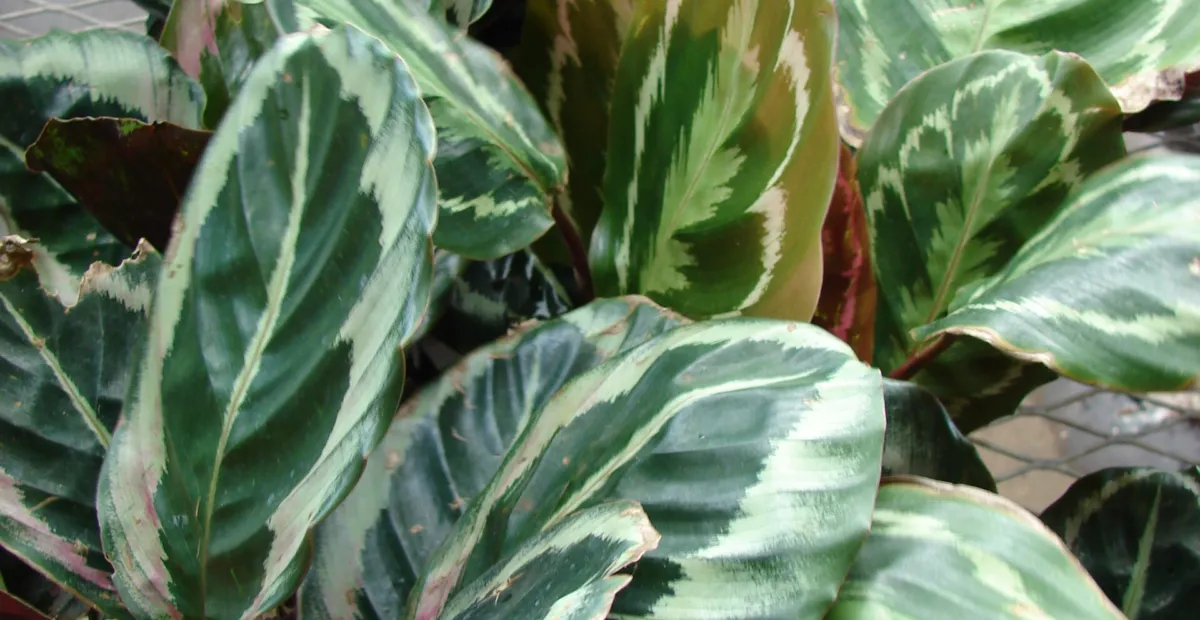
Leaves are glossy, elliptical, and typically more than 6 inches long. Pink and creamy-white brushstroke markings follow the midrib and veins against a deep-green background, while the undersides are reddish-purple. The dense clump and day-night leaf movement help distinguish it from many other patterned prayer plants.
Flowering
Small white to light-purple flowers may appear in late spring or early summer, but flowering is uncommon under ordinary indoor conditions. The blooms are visually secondary to the foliage and may be partly hidden within the clump.
Pollination and visitors
No reliable species-specific pollinator or visitor record was located for this cultivated taxon. Its small, inconspicuous flowers may be animal-pollinated in natural settings, but the principal visitor group cannot be assigned confidently.
Goeppertia roseopicta photos
Click any photo for a larger view. Source, author and license are shown separately.
Diseases and pests
Diseases
Prevent root rot by using a draining container and avoiding chronically saturated soil. Leaf spot is more likely when foliage is repeatedly wetted or air circulation is poor. Remove badly affected leaves, improve spacing and airflow, and water at the soil surface.
Pests
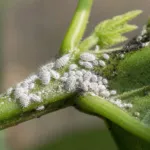
Inspect regularly for spider mites, mealybugs, aphids, and scale. Rinse foliage gently or wipe leaves clean, isolate affected plants, and use an appropriately labeled insecticidal soap or horticultural oil when needed. Dry air and plant stress can worsen infestations.
Related diseases and pests
Only Plant Doctor profiles whose host data indicate this plant may be affected are shown here.

Toxicity and pollen
ASPCA lists Calathea species as non-toxic to dogs and cats. For this accepted Goeppertia species, no well-documented serious human or pet toxicity was found. Eating any houseplant material can still cause mild stomach upset, and potting media or treatments may pose separate risks.
- Pollination / pollen
- Low-dispersal floral pollen; species-specific data limited
This is an insect-associated flowering houseplant that rarely blooms indoors, so routine airborne pollen exposure is expected to be low. No species-specific clinical allergy profile was located. Sensitive individuals should avoid handling flowering material if symptoms occur.
Native habitat
Native from western South America to western Brazil, including parts of Brazil, Colombia, Ecuador, and Peru. It is associated with warm, wet tropical forest environments and an understory lifestyle, where filtered light, organic soils, stable moisture, and high atmospheric humidity are typical.
Interesting fact
The leaves fold upward in the evening and reopen in the morning, a movement common in the prayer-plant family. The reddish-purple undersides and patterned upper surfaces are characteristic identification features. The species epithet roseopicta refers to its marked or painted appearance.
Frequently asked questions (FAQ)
The most relevant questions about this plant, with short and direct answers.
🌱Quick care
What is Goeppertia roseopicta?⌄
Goeppertia roseopicta is a tropical, clump-forming perennial in the Marantaceae, or prayer-plant, family. It is commonly grown indoors for its patterned green, pink, cream, and purple foliage and may also be sold under the former name Calathea roseopicta.
How do you care for Goeppertia roseopicta?⌄
Give Goeppertia roseopicta bright filtered light, evenly moist soil, warm temperatures, and moderate to high humidity. Use a moisture-retentive but well-drained potting mix and protect it from drafts, cold windows, and direct sun.
Is Goeppertia roseopicta easy to grow indoors?⌄
Goeppertia roseopicta is moderately demanding indoors because it reacts quickly to dry air, inconsistent watering, cold, and harsh sunlight. Stable warmth, filtered light, and consistent soil moisture make it much easier to maintain.
🌤️Environment and placement
What light does Goeppertia roseopicta need?⌄
Goeppertia roseopicta needs bright filtered or indirect light for strong growth and good leaf color. It can tolerate somewhat lower light, but growth may slow and direct sunlight can scorch or fade the leaves.
Can Goeppertia roseopicta tolerate low light?⌄
Goeppertia roseopicta can tolerate lower indoor light, but it will usually grow more slowly and may develop less vivid markings. Move it closer to a bright window if growth becomes sparse, while still filtering direct rays.
Can Goeppertia roseopicta grow in a bathroom?⌄
Goeppertia roseopicta can grow well in a warm, bright bathroom because bathrooms may provide higher humidity. It still needs adequate filtered light and good air circulation rather than a dark, constantly wet location.
What temperature is best for Goeppertia roseopicta?⌄
Keep Goeppertia roseopicta warm and protect it from temperatures below about 60°F. Avoid cold drafts, frosty conditions, sudden temperature changes, and direct exposure to air-conditioning or heating vents.
Does Goeppertia roseopicta need high humidity?⌄
Goeppertia roseopicta grows best with moderate to high humidity, especially during dry indoor winters. A humidifier is generally more effective than occasional misting, and the plant should still have sufficient air movement to limit fungal problems.
💧Care and problems
How often should you water Goeppertia roseopicta?⌄
Water Goeppertia roseopicta when the upper layer of mix begins to dry, then water thoroughly until excess drains from the pot. Do not follow a fixed calendar because watering frequency changes with light, temperature, humidity, and pot size.
Should Goeppertia roseopicta soil stay wet?⌄
The soil for Goeppertia roseopicta should stay evenly moist but never waterlogged. Letting the mix become completely dry can cause curling and brown edges, while constantly saturated soil increases the risk of root rot.
What type of water is best for Goeppertia roseopicta?⌄
Filtered, distilled, or rainwater is often safest for Goeppertia roseopicta, particularly where tap water is high in minerals or fluoride. If using tap water, room-temperature water and occasional soil flushing may help reduce mineral buildup.
Why are Goeppertia roseopicta leaves turning brown?⌄
Brown leaf edges on Goeppertia roseopicta are commonly linked to dry air, inconsistent moisture, intense light, or mineral buildup from water. Check the roots and soil as well, because brown leaves can also occur when the mix stays excessively wet.
Why are Goeppertia roseopicta leaves curling?⌄
Goeppertia roseopicta leaves commonly curl when the plant is too dry, exposed to cold or drafts, or receiving excessive direct light. Check soil moisture and placement first, then correct the underlying stress rather than removing healthy leaves.
Why is Goeppertia roseopicta losing leaves?⌄
Leaf loss in Goeppertia roseopicta can result from watering stress, cold temperatures, root damage, low humidity, or abrupt changes in location. Inspect the roots and soil, remove severely damaged foliage, and restore stable warmth and moisture.
What pests attack Goeppertia roseopicta?⌄
Goeppertia roseopicta may be affected by spider mites, mealybugs, scale, or whiteflies, especially in dry indoor conditions. Inspect leaf undersides regularly and isolate affected plants before treating with an appropriate houseplant pest control product.
How often should you fertilize Goeppertia roseopicta?⌄
Fertilize Goeppertia roseopicta lightly during active growth with a balanced, diluted houseplant fertilizer. Avoid heavy feeding or fertilizing dry soil, and reduce or stop feeding when growth slows during darker winter conditions.
🪴Planting and repotting
What soil is best for Goeppertia roseopicta?⌄
Use a moisture-retentive, humus-rich, peaty, and well-drained potting mix for Goeppertia roseopicta. Adding perlite or another aerating material helps prevent compaction while retaining enough moisture for the roots.
What type of pot does Goeppertia roseopicta need?⌄
Goeppertia roseopicta needs a pot with drainage holes and should not sit in standing water. Choose a container only slightly larger than the root ball, since an oversized pot can hold excess moisture around the roots.
When should you repot Goeppertia roseopicta?⌄
Repot Goeppertia roseopicta when roots fill the container, emerge from drainage holes, or the potting mix has broken down. Spring or early active growth is usually the least stressful time, but avoid repotting a severely stressed plant unless necessary.
How often should you repot Goeppertia roseopicta?⌄
Goeppertia roseopicta does not need repotting on a strict schedule; many plants need fresh mix or a larger pot every one to two years. Repot sooner if drainage has declined or the roots have become crowded.
✂️Propagation and pruning
How do you propagate Goeppertia roseopicta?⌄
Propagate Goeppertia roseopicta by division when repotting, separating rooted clumps so each section has roots and several healthy shoots or leaves. Pot the divisions in moist mix and keep them warm and humid while they establish.
Can you grow Goeppertia roseopicta from leaf cuttings?⌄
A single leaf cutting generally cannot produce a new Goeppertia roseopicta plant because propagation requires a piece of the rhizome or growing clump. Division is the practical and commonly recommended method for home growers.
How do you prune Goeppertia roseopicta?⌄
Goeppertia roseopicta usually needs only light cleanup rather than regular pruning. Remove yellow, brown, or badly damaged leaves at the base with clean scissors, while avoiding unnecessary removal of partially healthy foliage.
⚠️Toxicity and safety
Is Goeppertia roseopicta toxic to cats?⌄
Goeppertia roseopicta is generally regarded as non-toxic to cats. Even non-toxic plants can cause mild stomach upset if eaten in large quantities, so discourage chewing and contact a veterinarian if concerning symptoms occur.
Is Goeppertia roseopicta toxic to dogs?⌄
Goeppertia roseopicta is generally regarded as non-toxic to dogs. Eating plant material may still cause minor digestive upset, and persistent vomiting, diarrhea, or unusual behavior warrants veterinary advice.
Is Goeppertia roseopicta safe for children?⌄
Goeppertia roseopicta is generally considered a low-risk ornamental plant, but it should not be treated as edible. Keep potting materials, fertilizer, and plant parts away from young children and seek medical advice if a large amount is swallowed.
🌸Flowering and special interest
Does Goeppertia roseopicta flower indoors?⌄
Goeppertia roseopicta can produce small white to purplish flowers, but flowering is uncommon on indoor plants. Healthy plants grown in consistently warm, bright, humid conditions are more likely to bloom.
When does Goeppertia roseopicta bloom?⌄
Goeppertia roseopicta generally flowers in late spring or summer when grown under favorable conditions. The flowers are relatively inconspicuous compared with the plant’s decorative foliage.
Why is my Goeppertia roseopicta not flowering?⌄
Indoor Goeppertia roseopicta often does not flower because household light, humidity, warmth, and seasonal conditions are less consistent than in its native tropical environment. Lack of flowers is normal and does not necessarily indicate poor health.
Similar plants
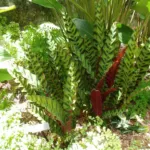 Rattlesnake-plant (Goeppertia insignis) care guideGoeppertia insignis
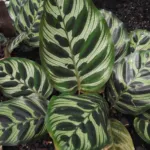 Peacock plant or cathedral windows (Goeppertia makoyana) care guideGoeppertia makoyana
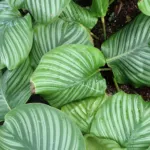 Goeppertia orbifolia care guideGoeppertia orbifolia
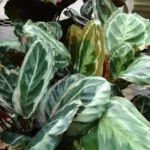 Goeppertia veitchiana care guideGoeppertia veitchiana
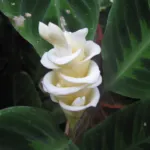 Goeppertia warscewiczii care guideGoeppertia warscewiczii
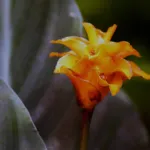 Eternal Flame (Goeppertia crocata) care guideGoeppertia crocata