
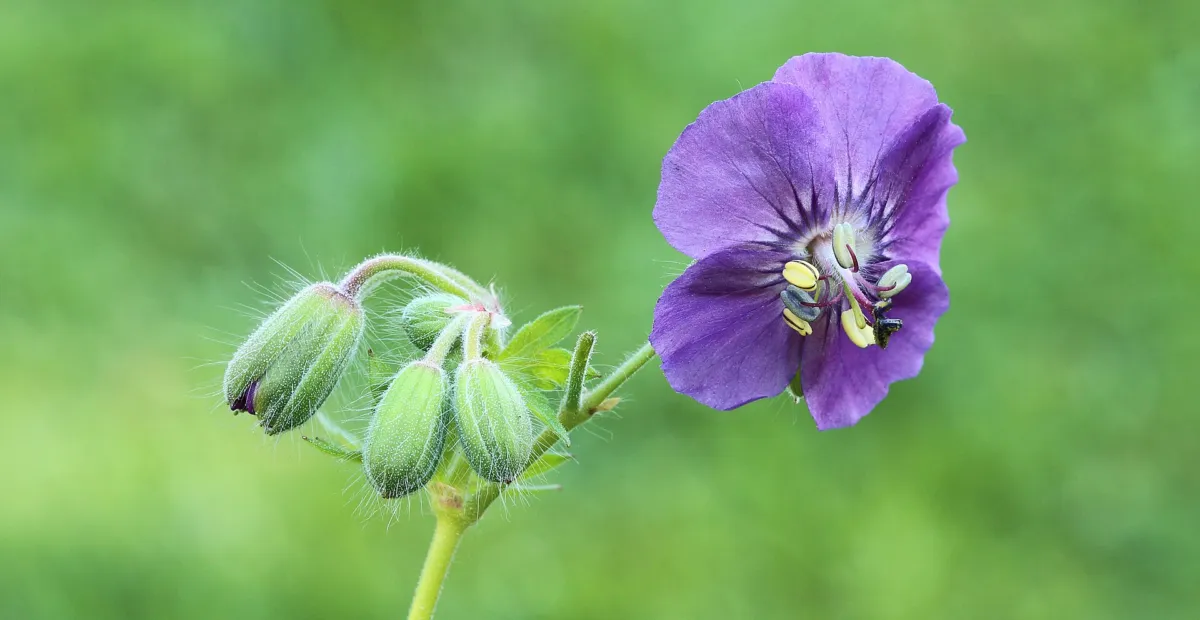
 Source:
 Geranium ‘Phaeum’ short overview
Geranium 'Phaeum' is a shade-loving cranesbill treated here as a horticultural selection of Geranium phaeum. It forms a leafy perennial clump and produces airy sprays of dusky purple flowers in spring, often before many woodland perennials reach full size. Give it humus-rich, well-drained soil that stays evenly moist, with morning light or bright open shade. The exact cultivar description is poorly documented, so color and dimensions may vary by source.
Taxonomic classification
Geranium ‘Phaeum’ care guide
Light and placement
Place in morning sun, dappled light, or bright open shade; protect from intense afternoon sun in hot climates. Too much light or heat can scorch leaves, cause wilt, and shorten bloom. Too little light produces lanky stems and fewer flowers. In northern regions it may tolerate more sun if the soil remains evenly moist.
Watering and humidity
Water deeply when the top inch of soil begins to dry, keeping the root zone evenly moist during establishment and flowering. Reduce frequency in cool or rainy weather, but do not allow repeated drought in containers. Good drainage is essential in winter. Average outdoor humidity is sufficient, so misting is unnecessary.
Soil and growing medium
Use fertile, humus-rich soil with dependable drainage and moderate moisture retention. Loam amended with compost is suitable; avoid stagnant winter wetness. A slightly acidic to neutral reaction is generally appropriate. In heavy clay, incorporate organic matter and plant slightly high rather than creating a water-holding pocket.
Feeding
Top-dress with compost or a balanced slow-release fertilizer in early spring if the soil is poor. Do not overfeed, since excessive nitrogen produces soft foliage and can reduce flowering. Stop routine fertilizing by late summer so new growth can harden before winter.
Growth and habit
Forms a slowly enlarging basal clump with flowering stems rising above the foliage. It is generally well behaved in a mixed border, though self-sown seedlings may appear where seed capsules mature. Cutting back after flowering helps maintain a tidy appearance and can reduce unwanted spread.
Planting and repotting
Plant in spring or early fall, setting the crown at soil level. Space plants about 18–24 inches apart to allow clumps to knit together without excessive crowding. Water regularly during the first growing season; fall-planted specimens benefit from a light mulch that does not cover the crown.
Repot container plants in early spring before strong growth begins, using a moisture-retentive but free-draining potting mix. Move to the next pot size only when roots have filled the container. Water thoroughly after transplanting and keep the plant in bright shade while it re-establishes.
Propagation and pruning
Propagation
Divide established clumps in early spring or early fall, replanting divisions at the original crown depth. Seed can be sown fresh or collected as capsules mature, though seedlings may not reproduce a selected form faithfully. Keep young plants evenly moist while roots develop.
Pruning
After flowering, cut the flowering stems and tired foliage back near the base if the plant becomes untidy. Leave some stems if self-seeding is desired. Remove dead leaves in late winter or early spring before new growth emerges.
Overwintering
Plants in USDA Zones 5–8 generally overwinter outdoors. Apply a thin mulch after the ground cools, keeping it away from the crown. In colder or exposed sites, use extra winter mulch and avoid waterlogged soil. Container plants are more vulnerable to root freezing and should be sheltered or sunk into the ground.
Uses
Useful as a woodland-border, shade-garden, cottage-garden, or underplanting perennial where spring flowers and textured foliage are wanted. It can also be grown in a large container kept evenly moist. No culinary or medicinal use is established here.
Appearance
The plant has rounded to shallowly divided, lobed leaves on slender herbaceous stems. Flowering stems branch loosely above the basal foliage and carry small, dark-toned blooms with a delicate, airy appearance. Geranium phaeum forms often show darker markings on the leaves, but this feature should not be assumed for the supplied identity.
Flowering
This Geranium phaeum-type plant flowers in spring, producing loose, branched sprays of small, five-petaled blooms above the foliage. Flowering is usually concentrated from late spring into early summer in the United States. Cutting back after bloom can refresh the foliage and may encourage limited rebloom, but a second flush is not dependable.
Pollination and visitors
The open flowers provide nectar and pollen accessed by bees, bumblebees, and hoverflies. Research on Geranium phaeum documents nectar secretion across different sexual phases, supporting insect pollination. Visitor abundance varies with local habitat and spring weather.
Geranium 'Phaeum' photos
Click any photo for a larger view. Source, author and license are shown separately.
Diseases and pests
Diseases
Good air circulation and well-drained soil help prevent crown and root rots. Powdery mildew may appear in crowded, dry-rooted conditions; improve spacing, water at the soil line, and remove badly affected foliage. Avoid persistent winter saturation, which is the more serious cultural risk.
Pests
Watch for slugs and snails on young foliage, especially in damp spring weather. Aphids may cluster on tender flower stems. Use hand removal, habitat management, and targeted controls only when damage is significant; avoid broad-spectrum insecticides during bloom.
Related diseases and pests
Only Plant Doctor profiles whose host data indicate this plant may be affected are shown here.
 DiseaseBacterial blight of geraniumXanthomonas hortorum pv. pelargonii
 DiseaseCucumber mosaic virusCucumber mosaic virus
 DiseaseMaple powdery mildewSawadaea bicornis
 DiseaseCucurbit Powdery MildewPodosphaera xanthii (Castagne) U. Braun & Shishkoff
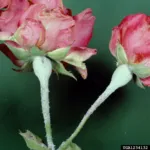 DiseaseRose powdery mildewPodosphaera pannosa
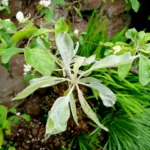 DiseaseApple Powdery MildewPodosphaera leucotricha
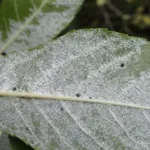 DiseaseAsh Powdery MildewPhyllactinia fraxini (DC.) Fuss
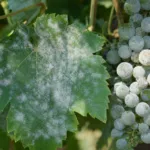 DiseaseGrape Powdery MildewErysiphe necator Schwein. (synonym: Uncinula necator)
Toxicity and pollen
Reliable toxicology references primarily concern Pelargonium, the tender bedding plants commonly called geraniums, rather than hardy Geranium species. Specific toxicity data for Geranium 'Phaeum' were not located. Avoid intentional ingestion, supervise children and pets around plant material, and seek professional advice after substantial ingestion or unusual symptoms.
- Typical season
- Spring, generally April–June in much of the United States
- Pollination / pollen
- Insect-presented pollen; limited airborne dispersal
As an insect-pollinated perennial, its pollen is mainly presented within the flower rather than dispersed in large airborne clouds. Individual sensitivity is still possible, and cut or handled flowers may transfer pollen to skin or nearby surfaces. No cultivar-specific clinical allergy data were located.
Native habitat
The species Geranium phaeum is associated with temperate European woodland margins, shaded grassland, hedges, and other partly sheltered habitats. It favors soils with organic matter and steady but not stagnant moisture, and it performs best where summer heat and intense afternoon sun are moderated.
Interesting fact
Geranium phaeum flowers are protandrous, with anthers presenting pollen before the stigma becomes fully receptive. The long pointed seed capsule gives cranesbills their common group name. Many G. phaeum forms tolerate more shade than typical sunny-border cranesbills.
Frequently asked questions (FAQ)
The most relevant questions about this plant, with short and direct answers.
🌱Quick care
Is Geranium 'Phaeum' a perennial?⌄
Yes, Geranium 'Phaeum' is a hardy herbaceous perennial that dies back in colder months and regrows from underground structures in spring.
What are the basic care requirements for Geranium 'Phaeum'?⌄
Grow Geranium 'Phaeum' in part shade to shade, humus-rich well-drained soil, and moderate moisture. Protect it from prolonged hot, dry conditions, especially in warmer U.S. regions.
How much sunlight does Geranium 'Phaeum' need?⌄
Geranium 'Phaeum' grows best in part shade to shade and can tolerate fairly deep shade. Extremely dense shade may produce fewer flowers and a more open habit.
How often should I water Geranium 'Phaeum'?⌄
Water Geranium 'Phaeum' when the soil surface begins to dry, keeping the root zone moderately moist but never waterlogged. Established plants tolerate brief dry periods better than prolonged drought.
🌤️Environment and placement
Can Geranium 'Phaeum' grow in full shade?⌄
Yes, Geranium 'Phaeum' can grow in full shade, particularly where the soil remains fertile and moderately moist. Flowering may be lighter than it would be in bright, filtered shade.
Can Geranium 'Phaeum' grow under trees?⌄
Yes, Geranium 'Phaeum' is well suited to woodland-style planting beneath trees or shrubs. Add organic matter if the soil is poor, and provide supplemental water where tree roots make the ground dry.
Can Geranium 'Phaeum' tolerate dry shade?⌄
Geranium 'Phaeum' can tolerate some dry shade once established, but it performs best with consistent moderate moisture. Water during extended summer drought, especially beneath mature trees.
What type of soil is best for Geranium 'Phaeum'?⌄
The best soil for Geranium 'Phaeum' is humus-rich, moderately fertile, well-drained loam that holds moisture without becoming soggy. It generally tolerates a range of soil reactions and textures if drainage is adequate.
Is Geranium 'Phaeum' hardy in the United States?⌄
Yes, Geranium 'Phaeum' is generally considered winter-hardy in much of the United States, although exact performance depends on the local climate and cultivar source. A protective mulch is useful where winters are severe or snow cover is unreliable.
💧Care and problems
Why is my Geranium 'Phaeum' foliage turning brown or dying back in summer?⌄
Heat, drought, or high humidity can cause Geranium 'Phaeum' foliage to decline after flowering. Remove damaged flowering stems and tired leaves, then water during prolonged dry weather to encourage fresh growth.
Does Geranium 'Phaeum' need fertilizer?⌄
Geranium 'Phaeum' usually needs little fertilizer when grown in reasonably fertile soil. A spring application of compost or a balanced slow-release fertilizer is sufficient; excessive nitrogen can encourage weak, leafy growth.
What pests commonly affect Geranium 'Phaeum'?⌄
Slugs and snails are the most practical pest concerns for Geranium 'Phaeum', while sawfly larvae, vine weevil larvae, or capsid bugs may occasionally occur. Inspect new growth and remove pests promptly.
What diseases can affect Geranium 'Phaeum'?⌄
Geranium 'Phaeum' generally has few serious disease problems, but powdery mildew, downy mildew, or virus symptoms can occur. Improve air circulation, avoid prolonged leaf wetness, and remove badly affected growth.
🪴Planting and repotting
When is the best time to plant Geranium 'Phaeum'?⌄
Plant Geranium 'Phaeum' in spring or fall when temperatures are moderate and the soil is workable. Water thoroughly after planting and keep the root zone evenly moist while it establishes.
How far apart should I plant Geranium 'Phaeum'?⌄
Space Geranium 'Phaeum' about 12 to 18 inches apart, adjusting for the desired density and the mature size of the plant. Closer spacing creates quicker coverage, while wider spacing improves airflow.
✂️Propagation and pruning
How do I propagate Geranium 'Phaeum' by division?⌄
Divide Geranium 'Phaeum' in spring by lifting an established clump and separating sections with healthy roots and shoots. Replant the divisions immediately at the original depth and water them well.
Can Geranium 'Phaeum' be grown from seed?⌄
Yes, Geranium 'Phaeum' can be grown from seed sown in containers outdoors when fresh or in spring. Seed-grown plants may vary in flower color and foliage characteristics, particularly if they cross with nearby plants.
Should I cut back Geranium 'Phaeum' after flowering?⌄
Yes, cutting flowered stems and tired foliage back to the base after flowering helps restore a tidy clump and encourages fresh leaves. In suitable conditions, the plant may produce some later blooms, but rebloom is not guaranteed.
⚠️Toxicity and safety
Is Geranium 'Phaeum' toxic to people or pets?⌄
The toxicity of Geranium 'Phaeum' and this exact named identity is not well established in the supplied evidence. Treat it as a plant not intended for consumption, and contact a poison-control or veterinary professional if it is eaten.
🌸Flowering and special interest
When does Geranium 'Phaeum' bloom?⌄
Geranium 'Phaeum' usually blooms from late spring into early summer, with timing varying by climate and growing conditions. Some plants produce scattered additional flowers later in the season.
What color are Geranium 'Phaeum' flowers?⌄
Geranium 'Phaeum' typically produces small dusky purple, maroon, or reddish-purple flowers held above the foliage. The exact color depends on the plant’s selection or cultivar, so unnamed plants may vary.
Does Geranium 'Phaeum' attract pollinators?⌄
Yes, the flowers of Geranium 'Phaeum' can provide forage for bees and other flower-visiting insects. Leaving some flowers to develop seed also supports its natural self-sowing habit.
Does Geranium 'Phaeum' spread aggressively?⌄
Geranium 'Phaeum' can expand gradually by short rhizomes and may self-seed in favorable garden conditions. Remove developing seed heads or unwanted seedlings if you want to limit its spread.
Similar plants
 Azure Monkshood (Aconitum carmichaelii) care guideAconitum carmichaelii
 Monkshood (Aconitum ‘Stainless Steel’)Aconitum 'Stainless Steel'
 Monkshood (Aconitum ‘Bressingham Spire’)Aconitum 'Bressingham Spire'
 Golden full moon maple (Acer shirasawanum ‘Aureum’)Acer shirasawanum 'Aureum'
 Globosum (Acer platanoides ‘Globosum’)Acer platanoides 'Globosum'
 Striped maple (Acer pensylvanicum) care guideAcer pensylvanicum