
 Source:
 Copiapoa ‘Cinerea’ short overview
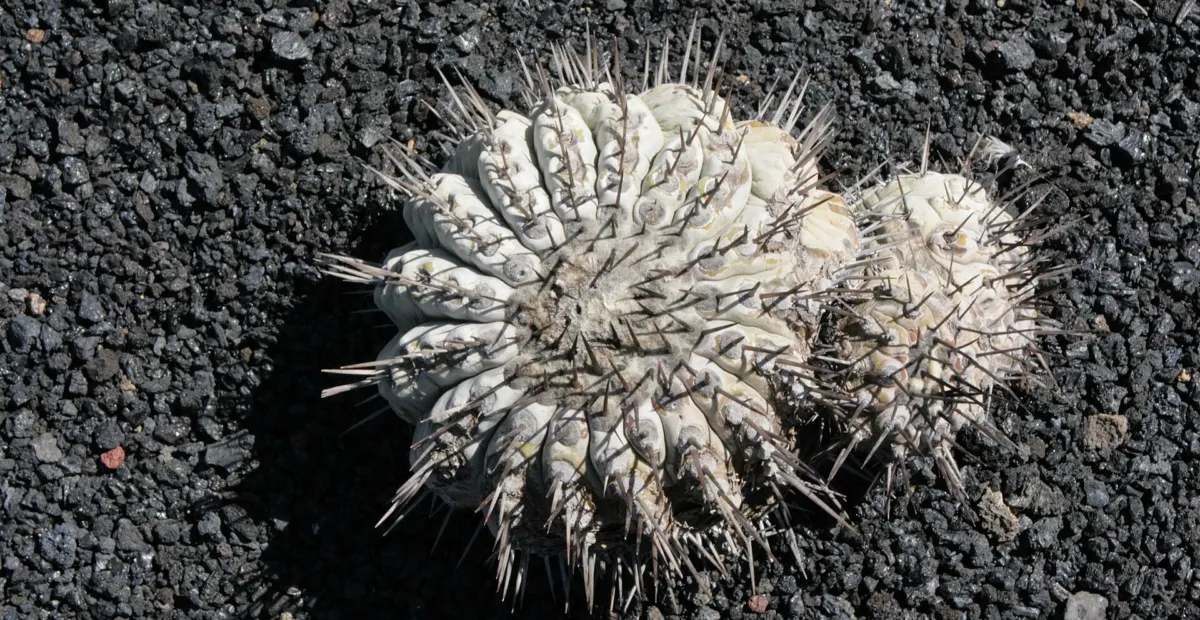
Copiapoa 'Cinerea' is a slow-growing Chilean cactus with a distinctive silver-gray to bluish epidermis, rounded ribbed stems and contrasting dark spines. Native to the fog-influenced Atacama Desert, it is adapted to intense light, mineral soils and long dry periods rather than frequent watering. In cultivation, provide excellent drainage, strong airflow and winter protection from frost and cold, wet conditions. Mature plants may produce small yellow flowers from the woolly apex.
Taxonomic classification
Copiapoa ‘Cinerea’ care guide
Light and placement
Give the brightest practical exposure, ideally full morning-to-afternoon sun through a greenhouse, sunroom or south-facing window. Acclimate gradually if the plant has been grown under shade cloth to prevent sunburn. Insufficient light causes greener, stretched growth and weaker spines; abrupt intense sun can bleach or scar the epidermis. Maintain airflow, particularly behind glass.
Watering and humidity
Water thoroughly only after the substrate is completely dry, then let excess water drain away. During warm active growth, the interval may be roughly two to four weeks depending on pot size, airflow and heat; this is a guide, not a schedule. Reduce watering sharply in fall and keep the plant nearly dry in cool winter conditions. Never leave the pot standing in water.
Soil and growing medium
Use a predominantly mineral cactus substrate containing coarse grit, pumice, lava rock or perlite, with only a modest organic fraction. The root zone must drain rapidly and dry thoroughly between waterings. A near-neutral to slightly alkaline reaction is generally suitable; avoid heavy peat, waterlogged compost and dense garden soil.
Feeding
Feed sparingly only during active growth, using a dilute, low-nitrogen cactus fertilizer once or twice in spring and summer. Do not fertilize dry, recently repotted, dormant or stressed plants. Excess nitrogen and frequent feeding can produce softer growth, reduce the compact appearance and increase susceptibility to rot.
Growth and habit
This is a very slow-growing, long-lived cactus. It may remain solitary or form basal offsets with age, depending on provenance and cultivation. Strong light, restricted feeding and a pronounced dry winter rest help preserve compact, dense growth. Excess water, shade or rich soil can produce elongated, greener growth that obscures its characteristic form.
Planting and repotting
Plant container-grown specimens during the warm growing season once cold, wet weather has passed. Set the root crown at the same level as before; burying the stem encourages rot. Use a raised, sharply drained position or mineral-filled pot, and keep newly disturbed roots dry for several days before the first light watering.
Repot only when the container is crowded or the substrate has degraded, preferably in spring or early summer. Handle with tongs or folded paper, inspect roots for rot, and allow damaged roots to dry before watering. Choose a pot only slightly wider than the root system and ensure the drainage hole is unobstructed.
Propagation and pruning
Propagation
Propagation is primarily by seed; grafting can accelerate early growth but may alter the plant's natural form. Sow fresh seed on a sterile, gritty medium with warmth, bright filtered light and careful moisture. Seedlings require gradual drying and ventilation as they develop. Vegetative propagation is limited to offsets when a clumping specimen produces them.
Pruning
No routine pruning is required. Remove only dead, damaged or rotting tissue with a sterile blade, allowing wounds to dry fully before exposure to moisture. Do not shave healthy spines or remove the natural surface coating.
Overwintering
Keep completely frost-free and comparatively dry in winter. A bright, cool room or greenhouse around 45–55°F is suitable if the plant remains dry and well ventilated. Avoid placing it beside cold, damp glass or in a heated, humid room with weak light. Resume watering gradually in spring as temperatures and daylight increase.
Uses
Primarily grown as a collector's ornamental cactus for containers, dry greenhouse displays, windowsills and mineral-themed succulent gardens. It is especially valued for its silver surface, sculptural ribbing and slow development. Do not collect wild plants; obtain legally propagated specimens because many Copiapoa populations face conservation pressure.
Appearance
The plant has a rounded to short-columnar, strongly ribbed stem covered by a distinctive silver-gray or bluish waxy coating. Areoles carry contrasting dark to gray-brown spines, while mature specimens may develop wool near the apex. The surface coating can vary with ecotype and cultivation, and should not be scrubbed or polished.
Flowering
Mature plants can produce small, funnel-shaped yellow flowers from the woolly apical region, generally during the warmer growing season. Flowering is intermittent and may be delayed for many years in cultivation, especially in young or heavily fertilized plants. Exact flowering timing varies with provenance, age, light and winter rest.
Pollination and visitors
The available evidence does not reliably identify a principal animal pollinator for this exact identity. The yellow flowers are likely visited opportunistically by desert insects, but a specific visitor group is not assigned here without adequate documentation.
Copiapoa 'Cinerea' photos
Click any photo for a larger view. Source, author and license are shown separately.
Diseases and pests
Diseases
The main risks are root and basal rot caused by persistently wet substrate, especially during cool weather. Prevent problems with mineral soil, drainage, airflow and a dry winter rest. Remove affected tissue with sterile tools only when localized; severely rotted plants may not be recoverable.
Pests
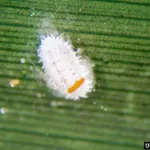
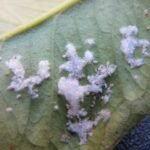
Check regularly for mealybugs, scale and root-feeding pests, particularly on plants kept in greenhouses or collections. Isolate affected specimens, remove visible insects with a cotton swab or targeted treatment, and avoid chronic overwatering that weakens roots. Inspect graft unions and crevices around the woolly apex.
Related diseases and pests
Only Plant Doctor profiles whose host data indicate this plant may be affected are shown here.
Toxicity and pollen
No reliable evidence was found establishing systemic toxicity for this exact horticultural identity. The practical hazard is physical injury from spines and possible irritation from sap or plant fragments. Keep away from children and pets, use gloves or tongs, and do not ingest any part.
- Pollination / pollen
- Flower pollen; allergy relevance undocumented
This cactus produces pollen when it flowers, but reliable evidence for airborne pollen levels or clinically important allergy exposure from Copiapoa 'Cinerea' was not located. Flowers are limited and seasonal, so avoid making an allergy-risk assumption from the plant's insect-associated flowering biology alone.
Native habitat
The species is native to the coastal and inland desert regions of northern Chile, where sparse rainfall, mineral soils, intense solar radiation and coastal fog shape its growth. Populations occur across an environmental gradient, so plants from foggy coastal sites may respond differently from more inland forms. In habitat, growth is adapted to extreme aridity rather than regular summer rainfall.
Interesting fact
Its silver appearance comes from a waxy surface coating that helps reflect intense desert light. The species is native to northern Chile's Atacama region, one of the driest environments on Earth. Different populations can vary substantially in body shape, spine color and surface coating. Copiapoa cinerea is included in international cactus conservation and trade controls.
Frequently asked questions (FAQ)
The most relevant questions about this plant, with short and direct answers.
🌱Quick care
How do you care for Copiapoa 'Cinerea'?⌄
Grow Copiapoa 'Cinerea' in full sun, a very gritty mineral cactus mix, and with infrequent but thorough watering. Let the soil dry completely before watering again, and protect the plant from frost.
Is Copiapoa 'Cinerea' easy to grow?⌄
Copiapoa 'Cinerea' is manageable for experienced cactus growers but can be unforgiving of excess moisture. Its slow growth, strong light needs, and sensitivity to wet roots make drainage and watering discipline especially important.
How often should you water Copiapoa 'Cinerea'?⌄
Water Copiapoa 'Cinerea' only when its soil is fully dry, then soak the mix and allow excess water to drain away. The interval may range from every few weeks during active growth to much longer during cool, dark, or dormant periods.
🌤️Environment and placement
Does Copiapoa 'Cinerea' need full sun?⌄
Yes, Copiapoa 'Cinerea' performs best in strong light or full sun. Acclimate a plant gradually after moving it from a greenhouse, shop, or shaded position to reduce the risk of sunburn.
Can Copiapoa 'Cinerea' grow indoors?⌄
Copiapoa 'Cinerea' can grow indoors only in a very bright, sunny location, ideally near a south- or west-facing window or under a strong grow light. Poor indoor light can cause weak, elongated growth and makes overwatering more dangerous.
What temperature is best for Copiapoa 'Cinerea'?⌄
Keep Copiapoa 'Cinerea' warm during active growth and provide excellent airflow. It tolerates cool conditions when kept dry, but the plant should be protected from frost and freezing temperatures.
Can Copiapoa 'Cinerea' stay outside year-round in the United States?⌄
It can remain outdoors year-round only in frost-free locations with very sharp drainage and protection from prolonged rain. In most U.S. climates, move it under cover or indoors before freezing weather and during cold, wet periods.
What USDA hardiness zone is suitable for Copiapoa 'Cinerea'?⌄
Copiapoa 'Cinerea' is best treated as a container cactus in most of the United States because frost tolerance is limited and wet cold can cause rot. A warm, dry microclimate may allow outdoor culture in the mildest frost-free areas, but exact tolerance depends on the plant’s provenance.
Why is Copiapoa 'Cinerea' covered in white powder?⌄
The white coating is usually natural epicuticular wax, called pruina, that gives many Copiapoa 'Cinerea' plants their gray or chalky appearance. Avoid rubbing the surface because the coating may not fully regenerate and handling can leave permanent marks.
💧Care and problems
Why is my Copiapoa 'Cinerea' turning green?⌄
Copiapoa 'Cinerea' may appear greener when grown with less intense light, more water, or higher fertility than it receives in habitat. Some loss of whiteness is cultural and may reverse slowly, while rubbed or damaged pruina generally does not return quickly.
Why is my Copiapoa 'Cinerea' soft at the base?⌄
A soft or collapsing base usually indicates root or stem rot, most often caused by persistent moisture, poor drainage, or cold wet conditions. Remove the plant from its pot, cut away any rotten tissue, let healthy tissue dry, and replant only after the wound has callused.
Why is Copiapoa 'Cinerea' shrinking?⌄
Moderate shrinking is normal when Copiapoa 'Cinerea' is dry or dormant because the plant uses stored water. Severe collapse, discoloration, or continued wrinkling after watering can indicate root loss, rot, or inactive roots rather than simple thirst.
Should you fertilize Copiapoa 'Cinerea'?⌄
Fertilize Copiapoa 'Cinerea' sparingly during active growth, using a diluted, low-nitrogen cactus fertilizer. Avoid feeding dry, dormant, recently repotted, or stressed plants because excess nutrients can produce weak growth or salt buildup.
How do you prevent rot in Copiapoa 'Cinerea'?⌄
Prevent rot by using a highly mineral, fast-draining mix, a pot with a drainage hole, and a dry period between waterings. Keep the plant dry in cool weather and provide airflow after watering.
What pests affect Copiapoa 'Cinerea'?⌄
Mealybugs, scale, and root mealybugs can affect Copiapoa 'Cinerea', especially in collections or greenhouses. Inspect the crown, areoles, roots, and potting mix regularly, and isolate affected plants before treatment.
🪴Planting and repotting
What soil is best for Copiapoa 'Cinerea'?⌄
Use a gritty, mineral cactus mix containing mostly porous materials such as pumice, lava rock, coarse grit, or expanded shale. The mix should drain rapidly and dry completely rather than staying rich, peat-heavy, or water-retentive.
What type of pot is best for Copiapoa 'Cinerea'?⌄
Choose a pot with a drainage hole that is only slightly wider than the root system. Unglazed clay can help the mix dry faster, while plastic is also suitable if watering is adjusted to the slower drying rate.
When should you repot Copiapoa 'Cinerea'?⌄
Repot Copiapoa 'Cinerea' during warm, active growth when the roots can recover quickly. Repot only when necessary, such as when the mix has degraded, roots fill the container, or pests or rot are present, and keep the plant dry briefly afterward.
✂️Propagation and pruning
How do you propagate Copiapoa 'Cinerea'?⌄
Copiapoa 'Cinerea' is most reliably propagated from seed, although offsets may sometimes be rooted if the plant produces them. Seed-grown plants are slow and should be protected from excessive moisture while they establish.
Can you grow Copiapoa 'Cinerea' from seed?⌄
Yes, Copiapoa 'Cinerea' can be grown from seed, but seedlings develop slowly and need careful moisture control. Use sterile, well-draining media, provide warmth and bright filtered light during germination, and gradually increase airflow as seedlings mature.
Can Copiapoa 'Cinerea' be grafted?⌄
Copiapoa 'Cinerea' can be grafted while young, but grafting changes its growth rate and appearance compared with a naturally slow-grown plant. For conservation-minded cultivation and characteristic form, documented seed-grown plants are generally preferred.
⚠️Toxicity and safety
Is Copiapoa 'Cinerea' toxic to cats or dogs?⌄
The toxicity of Copiapoa 'Cinerea' is not well established, so it should not be considered proven safe for pets. Its spines can cause painful mouth, paw, or eye injuries, so keep it away from animals and children.
How should you handle Copiapoa 'Cinerea' safely?⌄
Handle Copiapoa 'Cinerea' with thick gloves, folded newspaper, or cactus tongs to avoid its spines and damaging the waxy surface. Keep the plant stable because a falling or overturned specimen can cause puncture injuries.
🌸Flowering and special interest
Does Copiapoa 'Cinerea' flower?⌄
Yes, Copiapoa 'Cinerea' produces small yellow, funnel-shaped flowers near the crown, usually during warm-season growth. Mature, strongly lit plants are more likely to flower, but flowering can be infrequent in cultivation.
Why is my Copiapoa 'Cinerea' not flowering?⌄
A young age, insufficient light, excessive watering, or a lack of seasonal rest can all reduce flowering in Copiapoa 'Cinerea'. Provide strong light, excellent drainage, active-growth watering, and a cooler, drier winter rest while avoiding frost.
When does Copiapoa 'Cinerea' bloom?⌄
Copiapoa 'Cinerea' generally blooms during warm-season growth, with flowers appearing at the top of a mature plant. The exact timing varies with light, temperature, plant age, and growing conditions.
What color are Copiapoa 'Cinerea' flowers?⌄
The flowers of Copiapoa 'Cinerea' are typically yellow and emerge from the woolly crown area. Flower size and timing can vary among plants and among different geographic forms within the species.
Similar plants
 Azure Monkshood (Aconitum carmichaelii) care guideAconitum carmichaelii
 Monkshood (Aconitum ‘Stainless Steel’)Aconitum 'Stainless Steel'
 Monkshood (Aconitum ‘Bressingham Spire’)Aconitum 'Bressingham Spire'
 Golden full moon maple (Acer shirasawanum ‘Aureum’)Acer shirasawanum 'Aureum'
 Globosum (Acer platanoides ‘Globosum’)Acer platanoides 'Globosum'
 Striped maple (Acer pensylvanicum) care guideAcer pensylvanicum