Source:
 He Spanish iris (Iris xiphium) short overview
Iris xiphium, commonly called Spanish iris, is a bulbous perennial from the western Mediterranean. Its narrow, sword-like foliage forms a tidy clump before upright stems carry elegant spring or early-summer flowers in blue, violet, white, or yellow, often marked with a contrasting yellow or orange patch. Give it full sun, excellent drainage, and neutral to slightly alkaline soil; avoid winter wet, especially in colder parts of the United States.
Taxonomic classification
He Spanish iris (Iris xiphium) care guide
Light and placement
Give full sun, ideally six or more hours of direct light from a south- or west-facing exposure. A bright, open position promotes sturdy stems and flowering. Too little light produces weak, floppy growth and fewer flowers; excessive heat is usually tolerated if bulbs remain evenly but not constantly moist. Avoid shaded, wet corners.
Watering and humidity
Water thoroughly after planting and during active growth whenever the upper soil begins to dry, then let excess water drain away. Reduce watering as foliage yellows and keep dormant bulbs relatively dry. Container plants need closer monitoring, but standing water is more dangerous than brief dryness.
Soil and growing medium
Use a gritty, sharply drained soil that does not remain waterlogged in winter. Sandy or loamy ground is ideal; heavy clay should be improved with grit, organic matter, or a raised bed. Neutral to slightly alkaline conditions are preferred, and calcareous soils are tolerated.
Feeding
Feed sparingly. Incorporate a modest amount of balanced bulb fertilizer or finished compost when planting, then apply a light spring feeding as growth resumes if soil is poor. Avoid heavy nitrogen applications, which encourage soft foliage and can reduce flowering or increase disease pressure.
Growth and habit
This seasonal bulb forms a compact clump of upright, sword-like leaves and sends up flowering stems from the bulb. It becomes most reliable after establishment in well-drained soil. Allow foliage to yellow naturally after flowering so the bulb can replenish reserves.
Planting and repotting
Plant dormant bulbs in fall, generally 3–4 inches deep and about 4–6 inches apart, with the pointed end upward. Choose a sunny, sheltered site and water after planting. In heavy or wet ground, plant on a raised ridge or in a container to reduce rot risk.
Repot container-grown bulbs when dormant, usually in late summer or early fall. Use a free-draining bulb mix and a pot with generous drainage holes. Avoid disturbing actively growing roots and do not leave the container standing in a saucer of water.
Propagation and pruning
Propagation
Divide established bulb clumps in early fall after foliage has died back, separating offsets carefully. Seed can be sown in a cold frame in spring or fall, but seedlings usually require several seasons to flower and will not necessarily reproduce a selected form exactly.
Pruning
Remove spent flower stems if seed is not wanted. Leave foliage in place until it has yellowed and died back naturally, then cut it to ground level. Do not braid or remove green leaves early because they restore the bulb.
Overwintering
In USDA Zones 6–9, bulbs may overwinter outdoors if planted in well-drained soil. In colder or persistently wet areas, add a light protective mulch after the ground cools or grow the bulbs in containers that can be moved under cover. Keep dormant containers cool, dry, and protected from hard freezes.
Uses
Useful in sunny flower borders, gravel gardens, containers, and cut-flower plantings. The upright stems and distinctive marked falls provide a strong spring-to-early-summer display. Do not use as an edible or medicinal plant; bulbs and other tissues should be kept away from children and pets.
Appearance
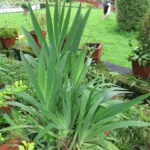
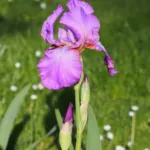
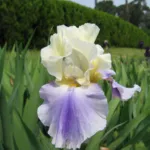
The plant is recognized by its narrow, upright, sword-like leaves and relatively slender flowering stems. Flowers have the classic iris arrangement of three upright standards and three spreading or drooping falls, commonly with a contrasting yellow or orange signal on each fall. It is a true bulbous iris, not a rhizomatous bearded iris.
Flowering
Each bulb commonly produces one or two flowers on an upright stem in late spring to early summer. Flowers have three upright standards and three spreading or pendant falls, usually with a contrasting yellow or orange mark on the falls. Bloom timing varies with climate and planting conditions.
Pollination and visitors
The open, showy flowers are visited by bees, but reliable species-specific pollinator records for Iris xiphium are limited. Attraction is best treated as low rather than as a major pollinator-planting value.
Iris xiphium photos
Click any photo for a larger view. Source, author and license are shown separately.
Diseases and pests
Diseases
Watch for bacterial soft rot, gray mold, and virus symptoms such as streaked or distorted foliage. Prevent problems with excellent drainage, clean planting stock, good air circulation, and careful watering. Remove and discard badly rotted or virus-affected bulbs rather than composting them.
Pests
Slugs, snails, thrips, and aphid-associated virus spread can affect plants. Inspect new growth and buds, remove hiding places for slugs and snails, and avoid retaining severely infested or diseased material.
Related diseases and pests
Only Plant Doctor profiles whose host data indicate this plant may be affected are shown here.
 PestStrawberry foliar nematodeAphelenchoides fragariae
 DiseaseBacterial soft rotPectobacterium carotovorum
 DiseaseGray MoldBotrytis cinerea
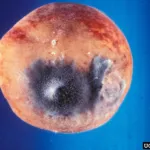 DiseaseRhizopus soft rotRhizopus stolonifer
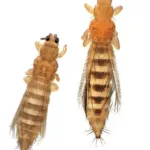 PestOnion thripsThrips tabaci Lindeman
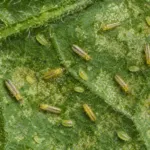 PestMelon thripsThrips palmi Karny
 PestChilli thripsScirtothrips dorsalis Hood
 DiseaseBacterial WiltRalstonia solanacearum species complex
Toxicity and pollen
Iris species contain irritating compounds, with the highest concentration generally associated with underground parts. Ingestion can cause mouth irritation, drooling, vomiting, or diarrhea. Handle bulbs with care and keep plant material away from children and pets.
- Typical season
- May–June in much of the United States
- Pollination / pollen
- Flower-contained insect-borne pollen
Iris flowers release pollen within the flower and are not generally regarded as major wind-pollen producers. Individual sensitivity is still possible, and cutting or handling flowers may transfer pollen to skin or nearby surfaces.
Native habitat
Native to western Mediterranean regions, where it occurs in seasonally moist but well-drained, open habitats with dry summers. It is adapted to bright light, winter-to-spring growth, and a pronounced summer dormancy.
Interesting fact
The specific epithet xiphium refers to the Greek word for sword, reflecting the narrow foliage. It is a true bulbous iris rather than a rhizomatous bearded iris. The species is one of the parents associated with cultivated Spanish- and Dutch-type bulbous irises.
Frequently asked questions (FAQ)
The most relevant questions about this plant, with short and direct answers.
🌱Quick care
What is he Spanish iris (Iris xiphium)?⌄
He Spanish iris (Iris xiphium) is a bulbous perennial in the Iridaceae family, grown for its showy, usually late-spring flowers. It is a true bulb iris, not a rhizomatous bearded iris.
How much sun does he Spanish iris need?⌄
He Spanish iris grows best in full sun, meaning at least 6 hours of direct sunlight daily. Strong light helps the bulbs mature and supports reliable flowering.
How often should I water Iris xiphium?⌄
Water Iris xiphium moderately while it is actively growing, allowing the soil to dry somewhat between waterings. Reduce watering as the foliage yellows and avoid irrigation during dormancy.
What soil is best for he Spanish iris?⌄
Use sandy or loamy soil that drains quickly and is neutral to slightly alkaline. Heavy or waterlogged soil can cause bulbs to rot and may prevent proper summer ripening.
🌤️Environment and placement
Can Iris xiphium grow in containers?⌄
Yes, Iris xiphium grows well in containers with drainage holes and a gritty, well-drained potting mix. Keep the container in full sun and water less often if the mix remains damp.
Is Iris xiphium hardy in the United States?⌄
Iris xiphium can persist in many U.S. gardens when planted in well-drained soil and given a dry dormant period. In colder or winter-wet areas, protect the bulbs or grow them in containers that can be sheltered.
Can he Spanish iris tolerate clay soil?⌄
He Spanish iris generally performs poorly in dense clay unless drainage is improved. Amend the planting area or use a raised bed so excess water moves away from the bulbs.
Does Iris xiphium need a dry summer?⌄
Yes, a relatively dry summer helps Iris xiphium bulbs mature and enter dormancy. In regions with frequent summer rain, exceptionally well-drained soil is especially important, and lifting the bulbs may be necessary.
💧Care and problems
Why is my Iris xiphium not blooming?⌄
The most common causes are insufficient sun, excess moisture, immature offsets, or bulbs that did not receive a dry dormant period. Avoid cutting healthy foliage early because the leaves replenish the bulb after flowering.
Why are my Iris xiphium bulbs rotting?⌄
Rot usually results from poorly drained soil, overwatering, or prolonged winter wetness. Remove soft or damaged bulbs, replant healthy ones in gritty soil, and reduce moisture during dormancy.
Should I fertilize he Spanish iris?⌄
A light application of a balanced bulb fertilizer at planting or early growth is usually sufficient. Avoid heavy nitrogen feeding, which can encourage leaves at the expense of flowers and may produce soft growth.
What pests and diseases affect Iris xiphium?⌄
Iris xiphium may be affected by bulb or root rot, leaf spot, mosaic virus, and iris borers. Good drainage, clean planting stock, airflow, and removal of diseased foliage help reduce problems.
Should I cut back Iris xiphium leaves after flowering?⌄
Do not cut green leaves immediately after flowering because they continue feeding the bulb. Remove the foliage only after it has naturally yellowed and dried.
🪴Planting and repotting
When should I plant Iris xiphium bulbs in the United States?⌄
Plant Iris xiphium bulbs in fall, before the ground freezes in colder regions. In mild climates, plant after the worst summer heat has passed, provided the soil drains well.
How deep should I plant he Spanish iris bulbs?⌄
Plant he Spanish iris bulbs about 3 to 5 inches deep, using the deeper end of that range in very cold areas or loose soil. Follow the supplier’s instructions when they differ for a named selection.
How far apart should Iris xiphium bulbs be planted?⌄
Space Iris xiphium bulbs about 3 to 5 inches apart for a grouped display. Wider spacing can make later lifting and offset separation easier.
Can I plant Iris xiphium bulbs in a lawn?⌄
Iris xiphium is better planted in a dedicated bed, rock garden, or container than in a regularly irrigated lawn. Frequent lawn watering can keep the bulbs too wet during dormancy.
✂️Propagation and pruning
How do I propagate Iris xiphium?⌄
Propagate Iris xiphium mainly by separating offsets from mature bulbs during dormancy or after the foliage has died back. Offsets may need one or more growing seasons before they flower.
Can I grow he Spanish iris from seed?⌄
Yes, he Spanish iris can be grown from seed, but seedlings usually take several years to reach flowering size and may not reproduce the parent’s exact flower characteristics. Seed production can also reduce the original bulb’s flowering strength.
When should I divide Iris xiphium bulbs?⌄
Divide Iris xiphium when the foliage has yellowed and the bulbs are entering dormancy, or after flowering once the leaves have had time to replenish the bulb. Replant sound offsets promptly or store them dry and cool for a short period.
Do Iris xiphium bulbs multiply on their own?⌄
Yes, mature Iris xiphium bulbs can produce offsets or bulblets around the parent bulb. Crowded offsets may flower less reliably until they are separated and replanted with adequate space.
⚠️Toxicity and safety
Is he Spanish iris poisonous to people?⌄
He Spanish iris is harmful if eaten, particularly if bulbs or other plant parts are swallowed. Keep bulbs away from children and pets, and contact a medical professional or poison-control service if ingestion occurs.
Can dogs or cats eat Iris xiphium?⌄
No, pets should not eat Iris xiphium because ingestion can be harmful. Keep bulbs, trimmed plant material, and freshly planted containers inaccessible to animals.
🌸Flowering and special interest
When does Iris xiphium bloom?⌄
Iris xiphium typically blooms in late spring to early summer, depending on climate and the form being grown. Full sun and a properly ripened, healthy bulb improve flowering reliability.
How long do he Spanish iris flowers last?⌄
Individual flowers usually last only a few days, while a mature plant can extend the display by opening several flowers in succession. Cool weather often prolongs the overall bloom period.
Can Iris xiphium be used as a cut flower?⌄
Yes, Iris xiphium makes a useful cut flower when stems are harvested as the first bud begins to open. Place the stems in clean water and keep them away from hot sun and ripening fruit.
Why do Iris xiphium flowers fall over?⌄
Flowers may flop because of weak stems, excessive shade, rich nitrogen-heavy soil, wind, or heavy rain. Full sun, moderate fertility, and planting among supportive companions can help, although staking may still be useful.