Source:
 He blue flag (Iris versicolor) short overview
he blue flag, Iris versicolor, is a hardy rhizomatous perennial native to eastern North America. Its upright blue-green, sword-shaped leaves form clumps above rich, wet soil, while blue-violet flowers marked with yellow and white bloom in late spring and early summer. It suits rain gardens, pond margins, marshy borders, and other consistently moist sites, but its rhizomes, seeds, sap, and foliage should not be eaten or handled carelessly.
Taxonomic classification
He blue flag (Iris versicolor) care guide
Light and placement
Give full sun for strongest flowering, especially in open wetland or pond-margin sites; partial shade is tolerated. Morning or afternoon sun with bright overhead exposure is suitable. Too little light produces fewer flowers and looser growth, while intense reflected heat combined with drying soil can scorch foliage or stress rhizomes.
Watering and humidity
Keep soil consistently moist and do not allow newly planted rhizomes to dry. Water deeply whenever the upper soil begins to lose saturation, with less supplemental irrigation during rainy periods. Established plants can grow in shallow fresh water, but stagnant, oxygen-poor conditions and abrupt drying are undesirable.
Soil and growing medium
Use rich, moisture-retentive soil with substantial organic matter. Loam, clay-loam, or peaty wetland soil is suitable, and the plant tolerates shallow standing fresh water. Slightly acidic to neutral conditions are preferred; avoid allowing the rhizomes to dry out for long periods.
Feeding
Amend poor soil with compost before planting, then feed sparingly. A thin spring layer of compost is usually sufficient; if fertilizer is needed, use a balanced slow-release product at label rate. Avoid high-nitrogen feeding, which can produce lush foliage and weaker growth in wet conditions.
Growth and habit
The plant forms expanding clumps from thick, creeping rhizomes and can spread by rhizome extension and self-seeding in favorable wet sites. It is relatively low maintenance, but divide crowded clumps and prevent unwanted spread into drainage channels or natural areas where local management is a concern.
Planting and repotting
Plant nursery divisions in spring or early fall, positioning the rhizome just below or at the soil surface rather than burying it deeply. Space plants about 12–24 inches apart for clumps to knit together. Keep new plantings evenly wet during establishment; shallow water up to roughly 4–6 inches can be tolerated.
Repot or divide container-grown plants in early spring or after flowering, using a heavy, moisture-retentive mix rather than a sharply draining cactus-style substrate. Move into a wider container when rhizomes become crowded, and keep the root zone consistently wet after transplanting.
Propagation and pruning
Propagation
Divide established rhizomes in spring or after flowering, keeping vigorous growth points and replanting immediately into wet soil. Seed propagation is possible; fresh seed benefits from a moist cold period, and seedlings may take several years to reach flowering size.
Pruning
Cut flower stems after flowering if seed production is not wanted. Remove yellowing or diseased leaves after they decline, and cut back remaining foliage in late fall or early spring before new growth. Avoid unnecessary disturbance of the rhizome crown.
Overwintering
Leave the rhizomes outdoors in the ground in hardy climates. A thin mulch of leaf mold or compost can buffer freeze-thaw cycles, but do not bury the crown deeply or keep containers waterlogged and frozen above ground. Container plants in colder areas benefit from being sunk into soil or moved to an unheated sheltered location.
Uses
Use in rain gardens, pond edges, wet meadows, streamside plantings, native borders, and water gardens. Flowering stems can be used as cut flowers. It is ornamental and ecologically useful, but it should not be used as a home remedy or food because the plant is toxic if eaten.
Appearance
This iris forms upright to slightly arching fans of narrow, sword-shaped blue-green leaves. Naked flowering stems rise to or above the foliage and carry several large, patterned blooms. Thick horizontal rhizomes produce expanding clumps, while mature seed capsules are elongated and conspicuous after flowering.
Flowering
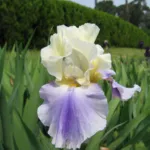
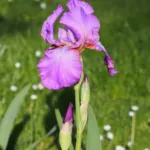
Each flowering stem commonly bears several large iris flowers with three spreading or pendent falls and three erect standards. Blooms are usually blue-violet to lavender with contrasting yellow and white markings. In the United States, flowering is generally concentrated from May through July, with timing shifting by latitude and elevation.
Pollination and visitors
Long-tongued bumblebees, including Bombus species, are documented effective pollinators. Eastern tiger swallowtail butterflies may visit for nectar but are not considered reliable pollinators. The flower structure restricts effective pollen transfer to visitors with suitable tongue length.
Iris versicolor photos
Click any photo for a larger view. Source, author and license are shown separately.
Diseases and pests
Diseases
Good air circulation and removal of declining foliage help reduce foliar spotting and rot. In persistently wet plantings, avoid damaging rhizomes and do not overfertilize. Remove badly affected leaves and improve spacing or water movement where practical.
Pests
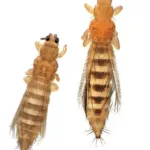
Watch for aphids, iris borer, and iris thrips. Inspect new growth and leaf bases regularly, remove heavily infested material, and use targeted control only when necessary. Good sanitation and avoiding stressed, overcrowded clumps reduce recurring problems.
Related diseases and pests
Only Plant Doctor profiles whose host data indicate this plant may be affected are shown here.
 PestStrawberry foliar nematodeAphelenchoides fragariae
 DiseaseRhizopus soft rotRhizopus stolonifer
 DiseaseRhizoctonia DiseasesRhizoctonia solani Kühn
 PestOnion thripsThrips tabaci Lindeman
 PestMelon thripsThrips palmi Karny
 PestChilli thripsScirtothrips dorsalis Hood
 DiseasePear Decline‘Candidatus Phytoplasma pyri’
 PestDracaena ThripsParthenothrips dracaenae
Toxicity and pollen
Iris versicolor has documented low-severity poisoning potential. Ingestion can cause salivation, nausea, vomiting, abdominal discomfort, diarrhea, or lethargy; contact with sap, seeds, or rhizomes may irritate skin. The rhizomes are particularly important to keep away from children and pets.
- Typical season
- May–July
- Pollination / pollen
- Insect-carried pollen, not wind-dispersed
This is an insect-pollinated iris, so pollen is generally released within the flower rather than broadcast broadly by wind. Reliable species-specific airborne allergy data are limited; a low general airborne exposure rating is used cautiously, not as a guarantee for highly sensitive individuals.
Native habitat
Native populations occur in freshwater and tidal marshes, bogs, fens, swamps, wet meadows, shorelines, ditches, forested wetlands, and some mountain habitats. It favors open, wet substrates rich in organic matter and can grow in shallow standing water, from full sun to partial shade.
Interesting fact
The species name versicolor refers to its variable, multicolored flowers.
Its seeds can be dispersed by water in wetland habitats.
Only long-tongued bees can effectively pollinate the flowers.
The rhizomes are the plant's main overwintering structures.
It can tolerate shallow standing fresh water.
Frequently asked questions (FAQ)
The most relevant questions about this plant, with short and direct answers.
🌱Quick care
What is he blue flag (Iris versicolor)?⌄
He blue flag is a hardy, clump-forming native North American perennial iris in the Iridaceae family. It is best known for blue-violet flowers and sword-shaped blue-green leaves in consistently wet habitats.
How much sunlight does Iris versicolor need?⌄
Iris versicolor grows best in full sun to partial shade. More sunlight generally supports stronger flowering, provided the soil does not dry out.
How much water does Iris versicolor need?⌄
Keep Iris versicolor consistently moist to wet throughout the growing season. Established plants can grow beside ponds, in rain gardens, or in shallow fresh water up to about 4 inches deep.
Is Iris versicolor hardy in cold climates?⌄
Yes, Iris versicolor is a frost-hardy outdoor perennial and is generally suitable for USDA Zones 2–7. Winter protection is usually unnecessary when the rhizomes are planted in appropriately moist soil.
How large does Iris versicolor get?⌄
Iris versicolor typically grows about 2 to 2.5 feet tall and forms clumps about 2 feet wide. Its upright or arching leaves can reach roughly 2 feet long.
🌤️Environment and placement
Where should I plant Iris versicolor?⌄
Plant Iris versicolor at the edge of a pond, in a rain garden, beside a stream, or in another site with reliable moisture. It is poorly suited to dry borders or locations that regularly experience drought.
Can Iris versicolor grow in standing water?⌄
Yes, Iris versicolor can tolerate shallow fresh water, typically up to about 2–4 inches deep. Avoid burying the rhizome deeply in stagnant water or poorly oxygenated mud.
Can Iris versicolor grow in partial shade?⌄
Yes, Iris versicolor tolerates partial shade, although flowering may be reduced compared with plants grown in full sun. Morning sun or bright filtered light is usually a good compromise in warmer areas.
What type of soil is best for Iris versicolor?⌄
Use rich, moisture-retentive organic soil such as loam, clay-loam, peat-rich soil, or shallow aquatic mud. The plant tolerates a range of soil types but should not be allowed to dry out for long periods.
Is Iris versicolor suitable for a rain garden?⌄
Yes, Iris versicolor is well suited to rain gardens that remain moderately to consistently wet. It may go dormant early during prolonged drought, so it is not a good choice for a rain garden that is usually dry.
Is Iris versicolor native to the United States?⌄
Yes, Iris versicolor is native to parts of the eastern and north-central United States and Canada. In the United States, it is especially associated with wetlands, marshes, wet meadows, shorelines, and stream edges.
💧Care and problems
How often should I water Iris versicolor?⌄
Water Iris versicolor whenever the soil surface begins to dry, aiming to keep the root zone consistently moist. Plants in containers or newly planted divisions may need frequent watering during their first growing season.
Why is my Iris versicolor not flowering?⌄
Insufficient light, drought stress, recent division, immature plants, or excessive crowding can reduce flowering. Move or divide the plant only when necessary, and maintain consistent moisture during the growing season.
What problems commonly affect Iris versicolor?⌄
Snails and slugs may damage the foliage, while overly wet stagnant conditions can contribute to soft rot or other disease problems. Good spacing, clean tools, and removal of badly damaged tissue can help limit problems.
Does Iris versicolor need fertilizer?⌄
Iris versicolor usually needs little fertilizer when grown in rich organic soil. If growth is weak, apply a modest low-nitrogen perennial fertilizer in spring according to the product label rather than overfeeding.
Is Iris versicolor deer resistant?⌄
Iris versicolor is generally considered relatively resistant to deer and rabbits, although browsing can still occur when preferred food is scarce. Young plants may benefit from temporary protection.
🪴Planting and repotting
When is the best time to plant Iris versicolor?⌄
Plant Iris versicolor in spring or fall while the soil is workable and consistently moist. Fall planting after flowering is particularly suitable for divisions in many parts of the United States.
How deep should I plant an Iris versicolor rhizome?⌄
Plant the roots into the soil while keeping the rhizome near the soil surface rather than burying it deeply. In very wet sites, position the rhizome just below or slightly above the surrounding soil or mud surface.
How far apart should Iris versicolor plants be spaced?⌄
Space Iris versicolor divisions about 2 to 2.5 feet apart to allow the clumps to expand. Closer planting can create a faster mass effect but may require earlier division.
Can Iris versicolor be grown in a container or water garden?⌄
Yes, Iris versicolor can be grown in a large container or marginal water-garden basket if the medium stays rich and wet. Choose a stable container with drainage appropriate for the water feature and enough room for rhizome growth.
✂️Propagation and pruning
How do you propagate Iris versicolor?⌄
The most practical method is division of established rhizomes after flowering or in early fall. Seed propagation is possible but slower and may take several years before plants flower.
When should I divide Iris versicolor?⌄
Divide Iris versicolor after flowering, commonly in late summer or fall, or in early spring if necessary. Replant divisions promptly and keep them consistently moist while they establish.
How often does Iris versicolor need division?⌄
Iris versicolor does not usually need frequent division and can remain productive for several years. Divide when the clump becomes crowded, flowering declines, or you want additional plants.
Should I cut back Iris versicolor after flowering?⌄
Remove spent flower stalks if you want a tidier appearance or to reduce seed production, but leave healthy leaves in place until they naturally decline. The foliage helps replenish the rhizome for the following season.
⚠️Toxicity and safety
Is Iris versicolor poisonous to people?⌄
Iris versicolor has low toxicity if eaten, but its rhizomes, seeds, and sap can cause nausea, vomiting, abdominal discomfort, diarrhea, or skin irritation. Wear gloves when handling the plant and keep it away from children.
Is Iris versicolor toxic to dogs and cats?⌄
Yes, eating Iris versicolor can cause gastrointestinal illness in dogs and cats, with the rhizomes posing the greatest concern. Contact a veterinarian or pet poison service if an animal has chewed or swallowed the plant.
Can Iris versicolor cause skin irritation?⌄
Yes, the sap, rhizomes, and seeds may irritate skin or cause contact dermatitis in sensitive people. Wear gloves, avoid touching your face while handling it, and wash exposed skin afterward.
Is Iris versicolor safe to plant near ponds?⌄
It can be planted near ornamental ponds, but keep pets and children from chewing the rhizomes or foliage. Do not use the plant for culinary or medicinal purposes without expert guidance.
🌸Flowering and special interest
When does Iris versicolor bloom?⌄
Iris versicolor usually blooms from late spring into early summer, commonly from May through July depending on climate. Flowering may be delayed or reduced after planting, division, drought, or heavy shade.
What color are Iris versicolor flowers?⌄
The flowers are typically blue-violet, lavender, or purple with contrasting yellow and white markings near the base of the falls. Individual plants can vary in flower color and pattern.
Are Iris versicolor flowers attractive to pollinators?⌄
Yes, the flowers can attract native bees, butterflies, hummingbirds, and other beneficial insects. Planting several clumps together can create a stronger visual display and improve habitat value.
Can Iris versicolor be used as a cut flower?⌄
Yes, Iris versicolor can be used as a cut flower, although each bloom is relatively short-lived. Cut stems when buds are beginning to open and place them in clean water immediately.