Source:
 Netted Iris (Iris reticulata) short overview
Netted Iris (Iris reticulata) is a compact bulbous perennial from Central and eastern Türkiye to Iran and Turkmenistan. It produces some of the earliest iris flowers of the season, often in late winter or early spring in much of the United States. Violet-blue, blue, or purple blooms carry contrasting yellow markings, while narrow leaves follow flowering. Plant the bulbs in full sun and sharply drained soil, especially in rock gardens, borders, and containers.
Taxonomic classification
Netted Iris (Iris reticulata) care guide
Light and placement
Choose full sun, ideally an open south- or west-facing bed, raised border, rock garden, or container where early spring light reaches the foliage. Too little light can produce weaker flowering and floppy growth. Excessive heat is usually less problematic than wet soil, but afternoon shade can be tolerated in hot climates if drainage remains excellent.
Watering and humidity
Water after fall planting and during active growth when the top few inches of soil become dry. Reduce watering as foliage yellows, then keep the dormant summer bulbs relatively dry. Avoid frequent irrigation in heavy soil, because prolonged wetness encourages bulb rot. Ordinary outdoor humidity is sufficient.
Soil and growing medium
Use gritty, sharply drained soil that does not remain waterlogged during summer dormancy. A sandy or rocky loam is suitable. Neutral to slightly alkaline conditions are generally appropriate; avoid heavy clay unless it is amended substantially with mineral grit and organic matter.
Feeding
Usually little fertilizer is needed. Incorporate a modest amount of mature compost or a bulb fertilizer at planting, and apply a light balanced feeding as growth begins if the soil is poor. Do not overfeed with high-nitrogen fertilizer, and stop feeding once foliage begins to yellow.
Growth and habit
Growth is strongly seasonal. The bulb produces a short flowering stem and narrow leaves in late winter or early spring, then gradually returns to dormancy after foliage yellows. Leave leaves in place until they fade naturally so the bulb can replenish reserves for the next season.
Planting and repotting
Plant bulbs in fall, ideally several weeks before the ground freezes. Set them about 4 inches deep and 3–4 inches apart, pointed end upward. Water after planting to settle the soil, then allow the site to drain freely. Groups of bulbs give a stronger early-season display.
Container-grown bulbs can be repotted or divided after the foliage has yellowed and entered dormancy. Handle the small bulbs carefully, discard soft or damaged material, and replant promptly at the recommended depth in fresh, free-draining mix.
Propagation and pruning
Propagation
Propagate by separating offsets after the foliage has died back and the bulbs are dormant. Seed propagation is possible but slow, with plants requiring several years to reach flowering size. Sow fresh seed in a cold, protected setting and expect variable results.
Pruning
No routine pruning is required. Remove spent flower stems if seed production is unwanted, but leave the leaves until they yellow naturally. Cut back only fully dead foliage, usually after the bulb has completed seasonal storage.
Overwintering
Leave bulbs outdoors in the ground in suitable USDA Zones 3–9. In colder or poorly drained sites, protect with a light winter mulch after the ground cools, keeping mulch airy and away from the crown. Container bulbs are more exposed to freezing and should be sheltered or sunk into the ground in severe winters.
Uses
Primarily an ornamental early-spring bulb for rock gardens, sunny borders, raised beds, containers, and small-scale naturalizing in well-drained sites. Its compact size makes it useful at the front of plantings and among other early bulbs. Do not use it as an edible or medicinal plant.
Appearance
The plant forms a small clump of narrow, blue-green, somewhat four-sided leaves. Flowers are carried close to the ground on short stems and show the classic iris arrangement of upright standards and spreading falls. The bulbs are covered by a conspicuous reticulated, net-like tunic that helps distinguish this species from many other small spring bulbs.
Flowering
Flowers appear before or with the first leaves, usually in late winter or early spring. Each short flowering stem bears a single iris flower with three upright standards and three broader falls, commonly marked by a yellow signal and fine veining. Flowers may be blue, violet, purple, or mixed depending on the population or selection.
Pollination and visitors
The open, low flowers can be visited by early-season bees, but published species-specific visitor data are limited. Treat its ecological value as modest rather than assuming strong pollinator attraction. Avoid insecticide sprays while flowers are open.
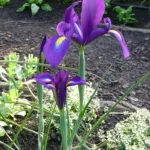
Iris reticulata photos
Click any photo for a larger view. Source, author and license are shown separately.
Diseases and pests
Diseases
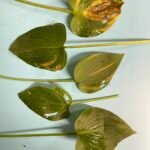
Excess moisture can promote bulb and root rots. Plant only in well-drained soil, avoid summer irrigation, and remove diseased bulbs. Good air circulation and clean planting stock reduce problems; discard soft, foul-smelling bulbs rather than composting them.
Pests
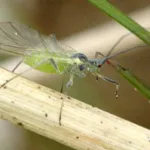
Bulb-feeding pests, slugs, and snails may occasionally cause damage. Use healthy bulbs, avoid persistently wet soil, and inspect emerging foliage. Hand-pick slugs and snails or use barriers where needed; avoid routine broad-spectrum insecticides in early spring when flowers are available to insects.
Related diseases and pests
Only Plant Doctor profiles whose host data indicate this plant may be affected are shown here.
Toxicity and pollen
Iris species are recognized as toxic to dogs and cats, with the highest concern generally associated with ingestion of underground parts. Human exposure is usually associated with gastrointestinal irritation or skin irritation rather than severe poisoning, but ingestion should be avoided. Seek medical or veterinary advice after significant exposure.
- Typical season
- Late winter to early spring
- Pollination / pollen
- Insect-presented pollen
This is an insect-pollinated flowering plant, so its pollen is mainly presented within flowers rather than dispersed as a large airborne cloud. That does not establish zero allergy risk: sensitive people may still react to pollen or plant contact, but the available evidence supports a low airborne-pollen concern.
Native habitat
Native populations occur from Central and eastern Türkiye through Iran and Turkmenistan, especially in temperate upland environments. The species is associated with cold winters, seasonal moisture, and soils that drain readily. Garden success depends more on avoiding summer wetness than on providing rich soil.
Interesting fact
The species is a bulbous geophyte rather than a rhizomatous bearded iris. Its bulb tunic has a distinctive netted texture, reflected in the epithet reticulata. Flowers often open before the foliage has fully extended. It is among the earliest irises to bloom in temperate gardens.
Frequently asked questions (FAQ)
The most relevant questions about this plant, with short and direct answers.
🌱Quick care
What is Netted Iris?⌄
Netted Iris is the bulbous perennial Iris reticulata, a small, hardy iris that produces intensely colored flowers in late winter or early spring. It belongs to the Iridaceae family and is especially suited to sunny rock gardens, borders, and containers.
How much sun does Netted Iris need?⌄
Netted Iris needs full sun for the strongest growth and best flowering. Choose a spot receiving at least 6 hours of direct sunlight daily, although it may tolerate brief light shade in very hot climates.
How often should I water Netted Iris?⌄
Water Netted Iris moderately while it is actively growing, then keep the soil relatively dry after the foliage dies back. Established bulbs are drought tolerant, but containers may need occasional watering when the potting mix becomes dry during growth.
Is Netted Iris hardy?⌄
Yes, Netted Iris is a hardy bulbous perennial that tolerates frost and cold winters when planted in well-drained soil. Winter wetness is usually a greater threat than low temperatures.
🌤️Environment and placement
What soil is best for Netted Iris?⌄
Plant Netted Iris in sandy or rocky, sharply drained loam. Avoid heavy clay or persistently wet soil, because excess moisture can cause bulb rot, especially during summer dormancy.
Can Netted Iris grow in clay soil?⌄
Netted Iris can grow in clay only if drainage is substantially improved. Amend the planting area with coarse material and organic matter, or grow the bulbs in a raised bed where water cannot remain around them.
Can Netted Iris grow in containers?⌄
Yes, Netted Iris grows well in containers with drainage holes and a gritty, free-draining potting mix. Containers should not stand in saucers of water, and they can be moved to a dry, sheltered location during summer dormancy.
Is Netted Iris suitable for a rock garden?⌄
Yes, Netted Iris is an excellent rock-garden plant because it stays compact and prefers sunny, sharply drained conditions. Plant it among stones or at the front of a border where its early flowers will be visible.
Can Netted Iris grow indoors?⌄
Netted Iris is primarily an outdoor bulb and usually performs poorly as a permanent houseplant. It can be forced temporarily in a bright, cool location, but it needs a natural outdoor growing cycle to return reliably in later years.
💧Care and problems
How do I care for Netted Iris after flowering?⌄
After flowering, leave the foliage in place until it turns yellow and dies back naturally. The leaves replenish the bulb for the next season, so do not cut them while they are still green.
Should I fertilize Netted Iris?⌄
Netted Iris usually needs little fertilizer when grown in reasonably fertile soil. If growth is weak, apply a light bulb fertilizer as growth begins, but avoid excessive nitrogen, which can encourage leaves at the expense of flowers.
Why is my Netted Iris not flowering?⌄
Poor flowering is commonly linked to insufficient sun, waterlogged soil, overcrowded bulbs, or foliage removed too early the previous year. Move or replant bulbs in a sunny, sharply drained site and allow the leaves to mature naturally.
Why are my Netted Iris leaves turning yellow?⌄
Yellowing leaves are normal after flowering because Netted Iris is entering summer dormancy. Yellowing earlier in the season can indicate overwatering, poor drainage, disease, or damaged bulbs.
Why are my Netted Iris bulbs rotting?⌄
Netted Iris bulbs usually rot because the soil stays wet, particularly during dormancy or after heavy rainfall. Improve drainage, reduce summer watering, and discard bulbs that are soft, foul-smelling, or extensively diseased.
What pests affect Netted Iris?⌄
Slugs and snails may damage emerging foliage and flowers, while rodents can dig up or eat bulbs. Good drainage, garden sanitation, physical barriers, and appropriate pest controls can reduce problems.
What diseases affect Netted Iris?⌄
Netted Iris can develop bulb rots and fungal leaf diseases, especially in wet or poorly ventilated conditions. Remove damaged plant material, avoid overhead watering, improve drainage, and replant healthy bulbs in clean soil when necessary.
🪴Planting and repotting
When should I plant Netted Iris bulbs in the United States?⌄
Plant Netted Iris bulbs in fall, before the ground freezes, so they can establish roots before winter. In most U.S. gardens, September through November is suitable, with timing adjusted for local USDA hardiness zone and frost dates.
How deep should I plant Netted Iris bulbs?⌄
Plant Netted Iris bulbs about 3 to 4 inches deep, measured from the bulb’s base to the soil surface. In heavy soils, slightly shallower planting with excellent drainage is safer than planting too deeply.
How far apart should Netted Iris bulbs be planted?⌄
Space Netted Iris bulbs about 3 to 4 inches apart. Closer planting creates a fuller display, while wider spacing allows more room for offsets and reduces competition in damp conditions.
Can I plant Netted Iris bulbs in spring?⌄
Yes, you can plant actively growing or potted Netted Iris in spring, but fall-planted bulbs generally establish and flower more reliably the following season. Handle the roots and foliage gently, and plant at the same depth as the container.
Can Netted Iris bulbs be left in the ground year-round?⌄
Yes, Netted Iris bulbs can remain in the ground year-round when the soil drains sharply and summer conditions are relatively dry. In wet climates or heavy soil, lifting and storing them during dormancy may improve longevity.
✂️Propagation and pruning
How do I propagate Netted Iris?⌄
Netted Iris is usually propagated by separating offsets from established bulbs after the foliage has died back. Replant healthy offsets promptly in well-drained soil; growing from seed is possible but much slower and less predictable.
Should I divide Netted Iris bulbs?⌄
Divide Netted Iris when clumps become crowded or flowering declines, usually during summer dormancy. Separate firm offsets from the parent bulb and replant them at the normal depth in a sunny, well-drained location.
Can I grow Netted Iris from seed?⌄
Yes, Netted Iris can be grown from seed, but seedlings may take several years to reach flowering size. Seed-grown plants may also vary from the parent, while offsets preserve the parent plant’s characteristics.
Should I cut back Netted Iris foliage?⌄
Do not cut back Netted Iris foliage while it is green. Remove or trim it only after it has naturally yellowed and dried, because premature cutting reduces the bulb’s ability to store energy for the next bloom.
⚠️Toxicity and safety
Is Netted Iris toxic to dogs and cats?⌄
Yes, Netted Iris should be treated as toxic if eaten by dogs, cats, and other pets. The bulb is a particular concern, but other plant parts may also cause gastrointestinal signs such as drooling, vomiting, or diarrhea.
Is Netted Iris poisonous to humans?⌄
Netted Iris is moderately toxic if ingested and may cause gastrointestinal upset. Keep bulbs and plant material away from children, and seek medical advice or contact Poison Control if ingestion occurs.
What should I do if my pet eats Netted Iris?⌄
Contact your veterinarian or an animal poison-control service promptly if a pet eats Netted Iris, especially a bulb. Do not induce vomiting unless a veterinary professional specifically instructs you to do so.
🌸Flowering and special interest
When does Netted Iris bloom?⌄
Netted Iris typically blooms in late winter or early spring, often from February through March in many U.S. gardens. Bloom time varies with climate, cultivar, planting depth, and the arrival of seasonal warmth.
How long do Netted Iris flowers last?⌄
Individual Netted Iris flowers often last only several days, while a healthy clump may provide color for roughly one to two weeks. Cool weather can extend the display, whereas warm, windy conditions shorten it.
Does Netted Iris come back every year?⌄
Yes, Netted Iris can return annually from its bulbs when it receives full sun, sharp drainage, and a dry summer rest. Flowering may diminish if bulbs become overcrowded, remain too wet, or lose vigor.